This is part two of a two-part series on China's annotation workers. Read part one here.
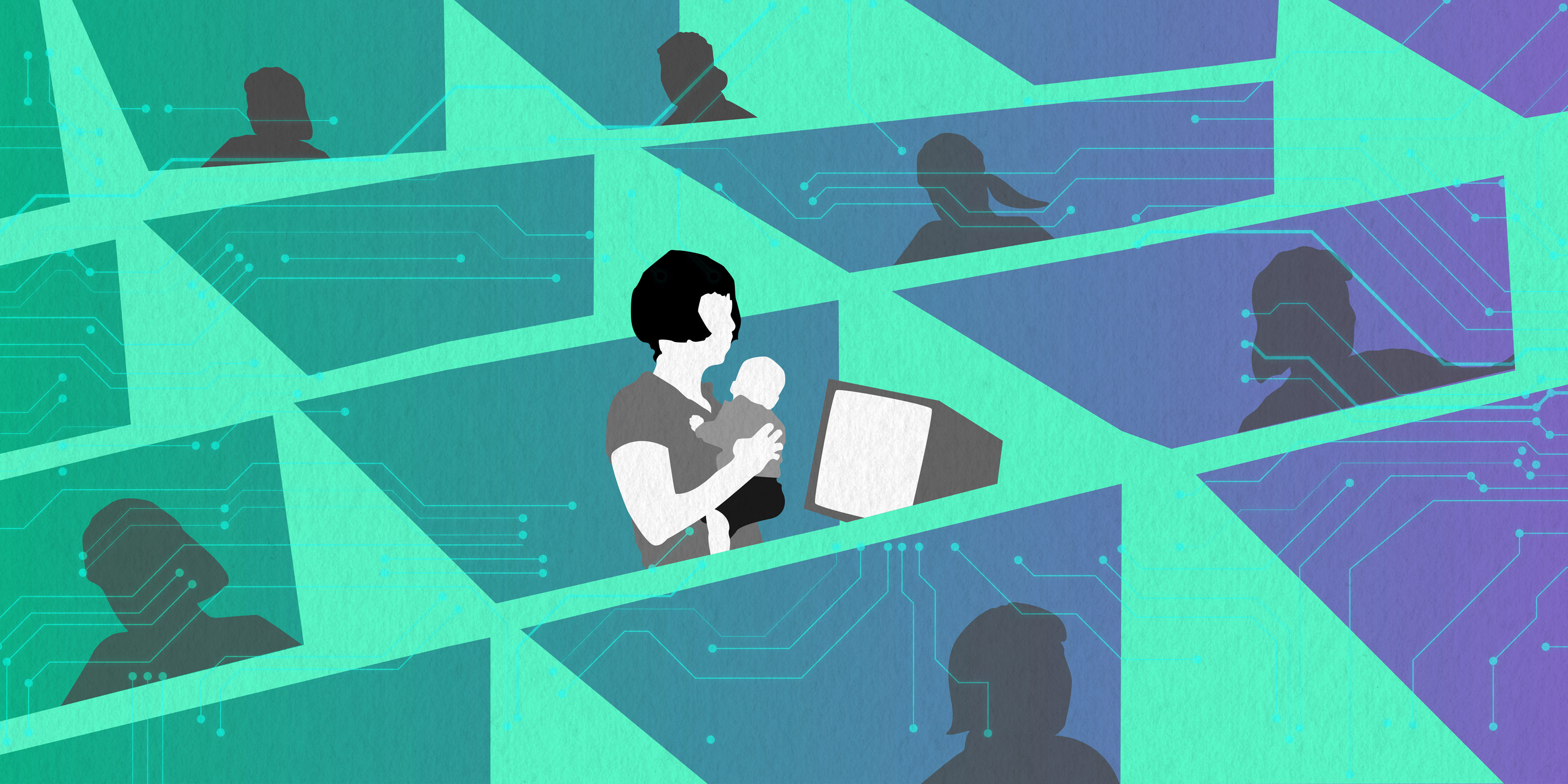
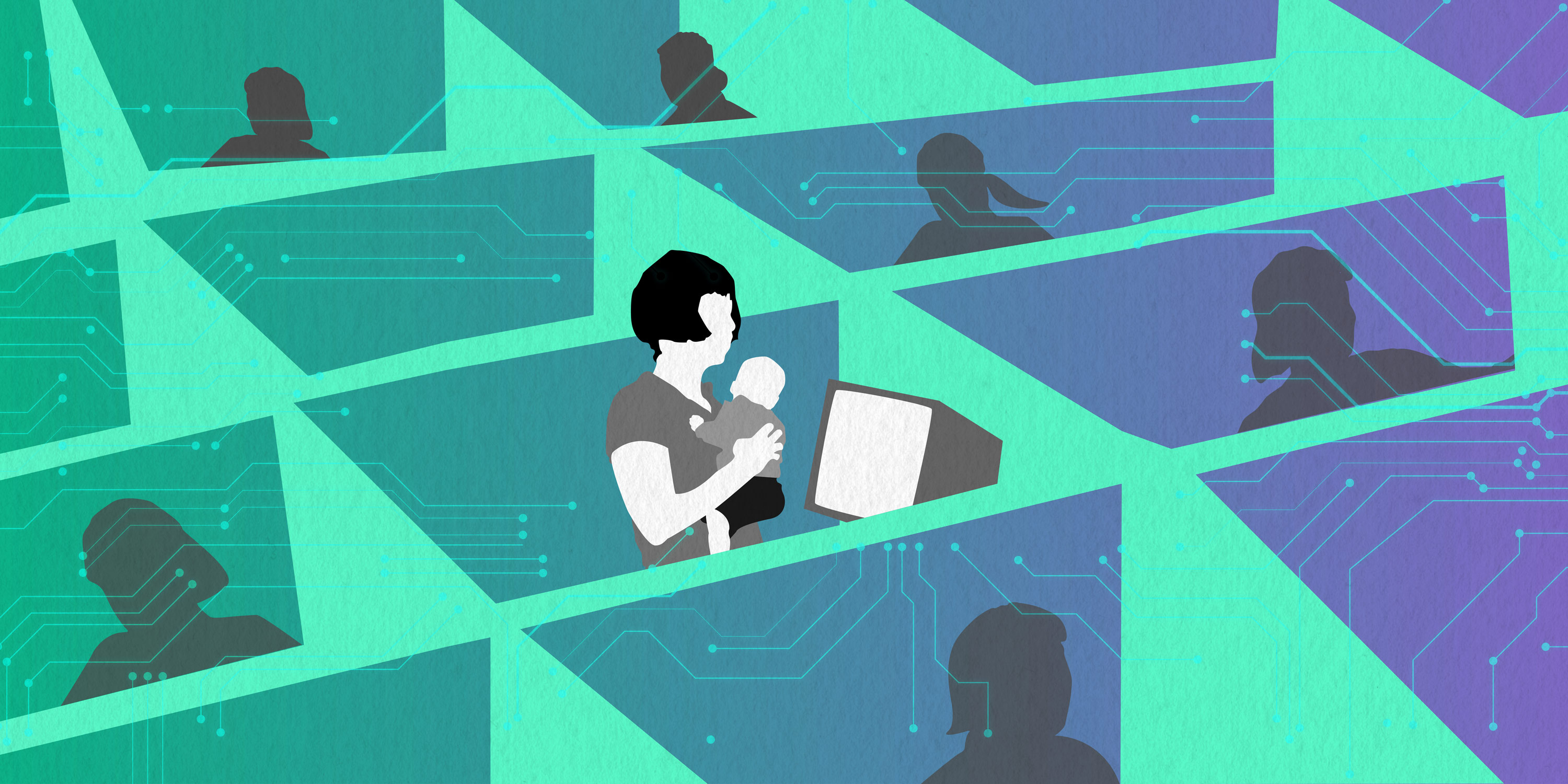
At 4:30 in the afternoon, after school pick-up, Yingzi brings her daughter back to her workstation. She tells the girl to start her homework, then turns back to the screen.
Her task that day is to annotate dense pedestrian traffic captured by shopping-mall surveillance cameras. One hundred frames of video. Hundreds of human figures. Each body must be broken down into head, torso, legs, and arms, then boxed and labeled inch by inch so the machine can learn to see a person as a person.
Yingzi pulls the monitor so close it is almost pressed to her face. She has done this work for only two or three years, and already her worsening myopia forces her to squint, carving a deep vertical line between her brows. If one of her boxes is off, the team leader will tag her directly alongside the faulty image in the company’s chat group, correcting her in public without the slightest pretense of tact. Meanwhile, her daughter, bent over Chinese homework beside her, interrupts every so often to ask how to pronounce an unfamiliar character.
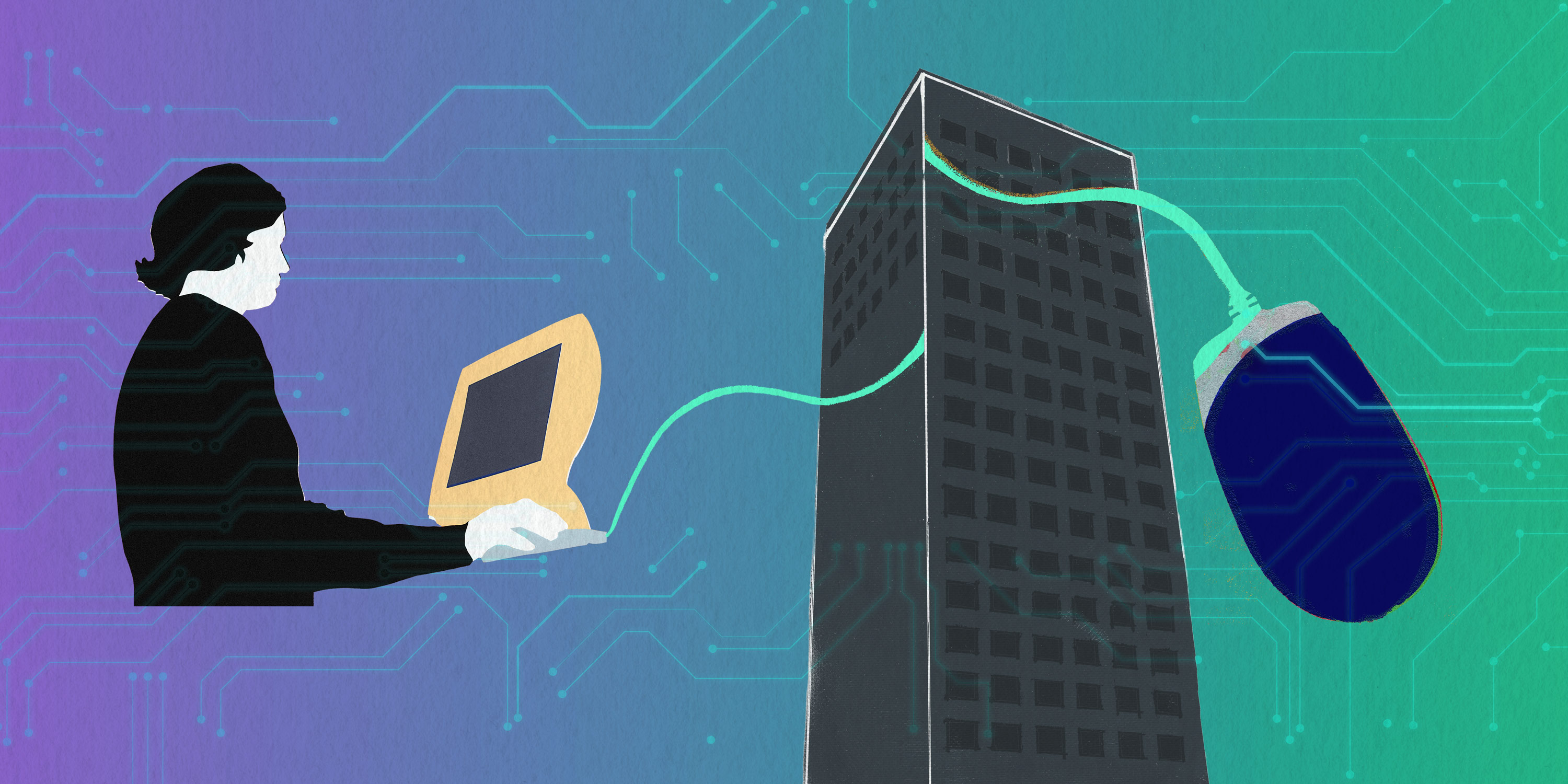
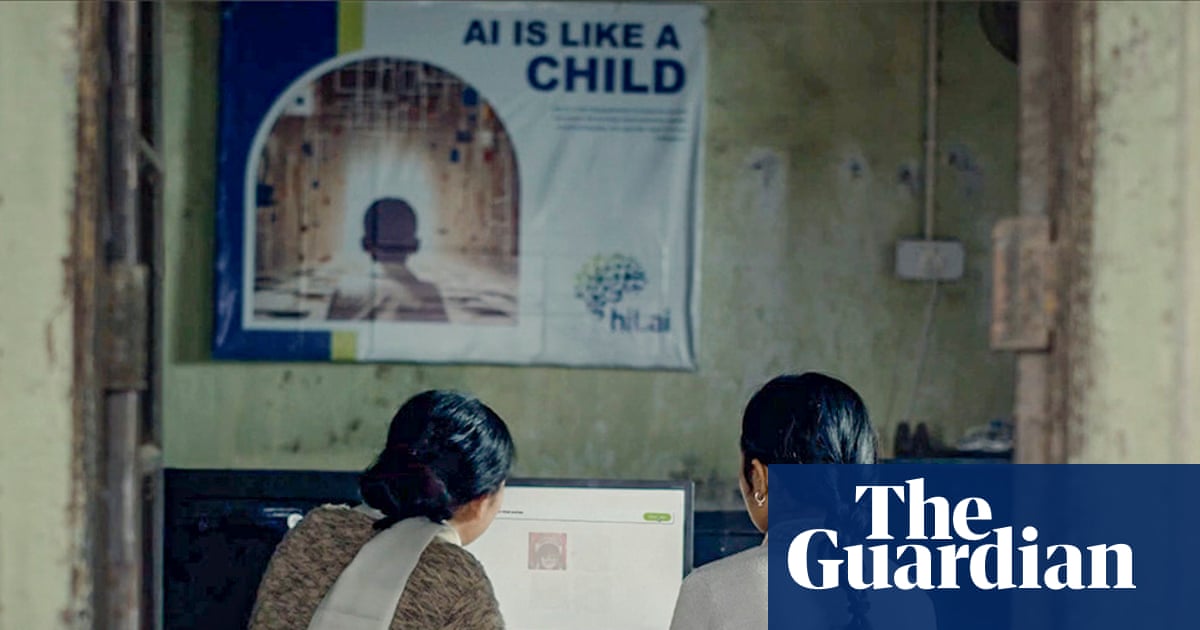
Yingzi works in one of the data-labeling centers Xia Bingqing, of East China Normal University, and I studied over five years. As China’s AI industry has grown, more and more centers like this one have cropped up in underdeveloped inland regions, taking on labeling work outsourced from coastal tech giants.