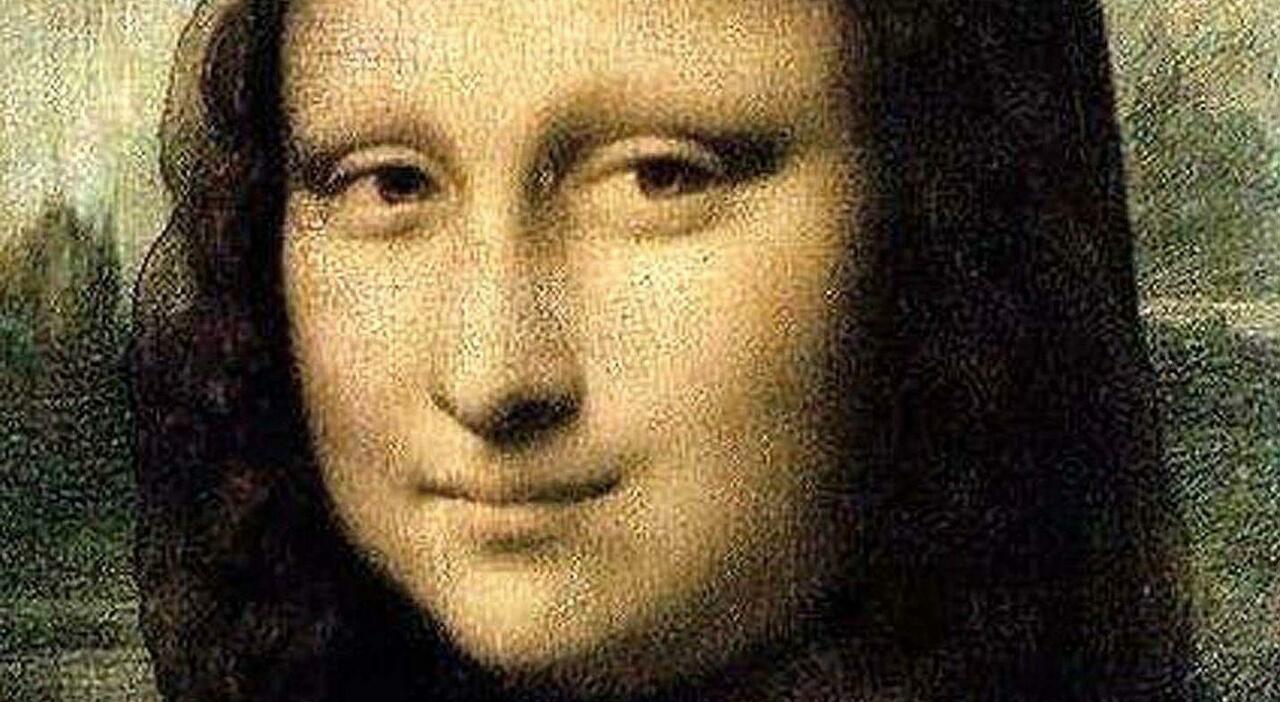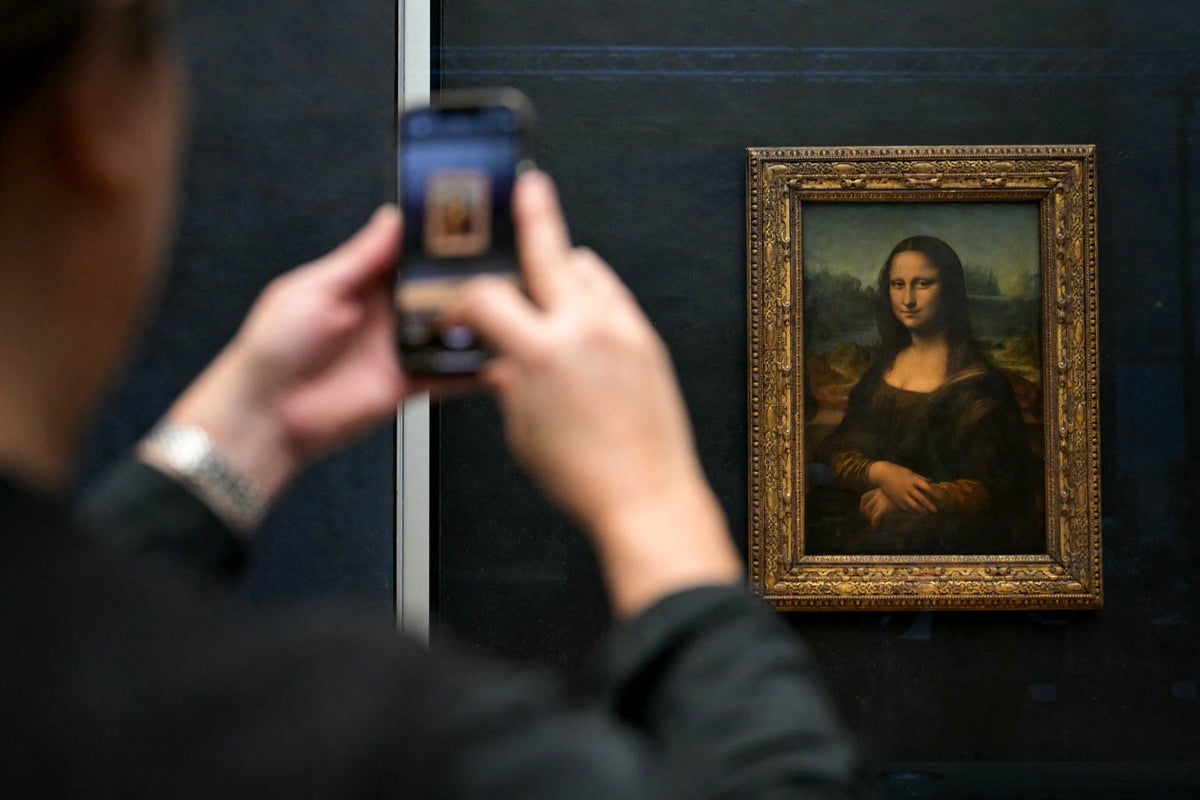
Stay up to date with notifications from The IndependentNotifications can be managed in browser preferences.Jump to contentThank you for registeringPlease refresh the page or navigate to another page on the site to be automatically logged inPlease refresh your browser to be logged inAllNewsSportCultureLifestyleCopy linkDr Michael Yafi suggests that examining art history could help medical professionals develop a less judgmental and more empathetic approach to obesity. Historically, corpulence was often viewed as a sign of prosperity, wealth, high social status and beauty, as evidenced in various artworks across different eras. Examples cited include Leonardo da Vinci's Mona Lisa, whose subject may have been overweight due to pregnancy, and the ancient Venus of Willendorf, depicting exaggerated body forms. Dr Yafi highlighted that figures like the Greek god of wealth, Pluto, were often portrayed as obese, and many Ottoman emperors were depicted with abdominal obesity. Looking to the future, Dr Yafi predicts that contemporary art will likely feature “GLP-1 face,” reflecting the gaunt appearance caused by modern weight-loss medications. In fullDoctors urged to study Mona Lisa for fresh perspective on obesityMore bulletinsThank you for registeringPlease refresh the page or navigate to another page on the site to be automatically logged inPlease refresh your browser to be logged in
Mona Lisa could reshape how doctors view obesity, expert says
Notifications can be managed in browser preferences.
205 words~1 min read