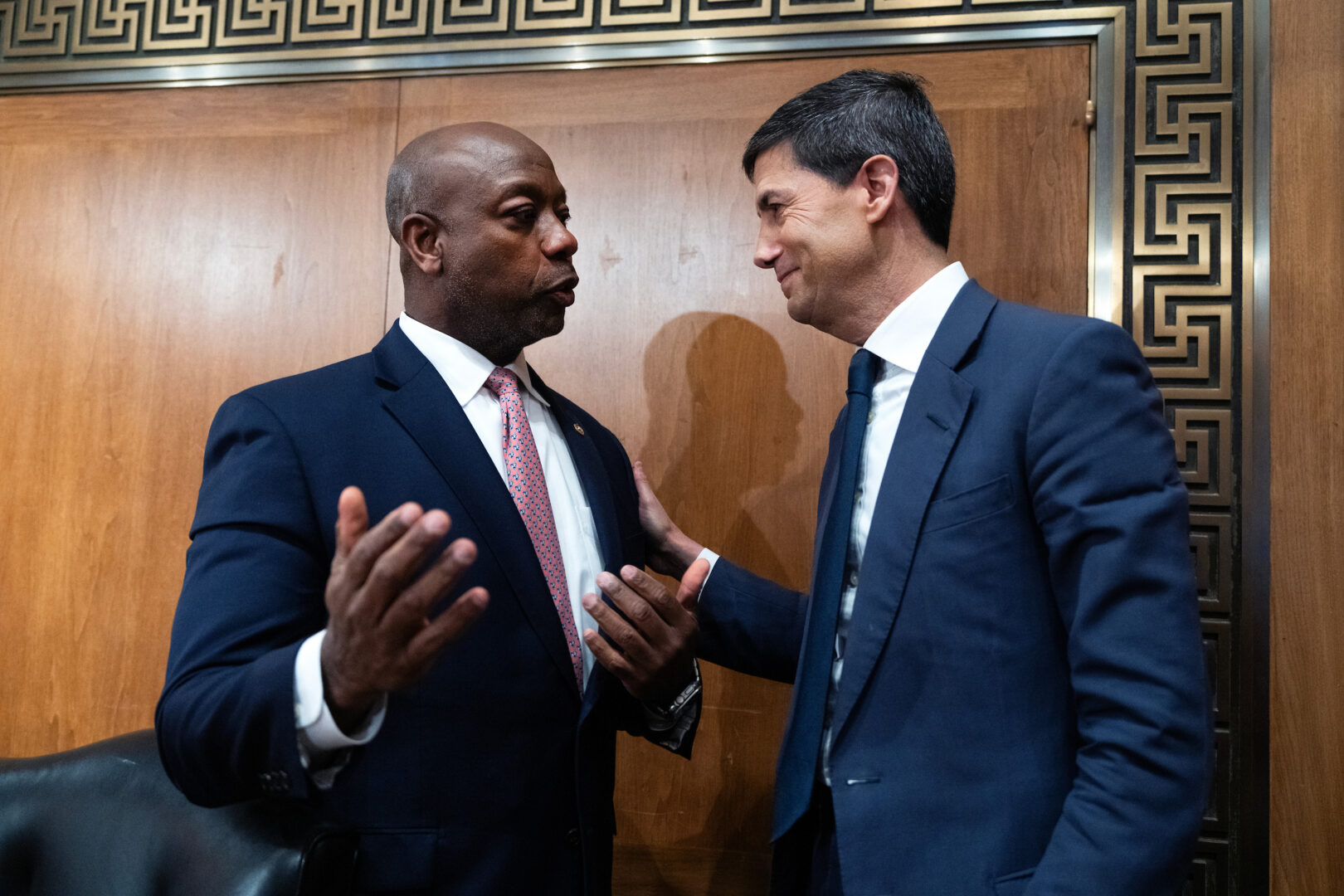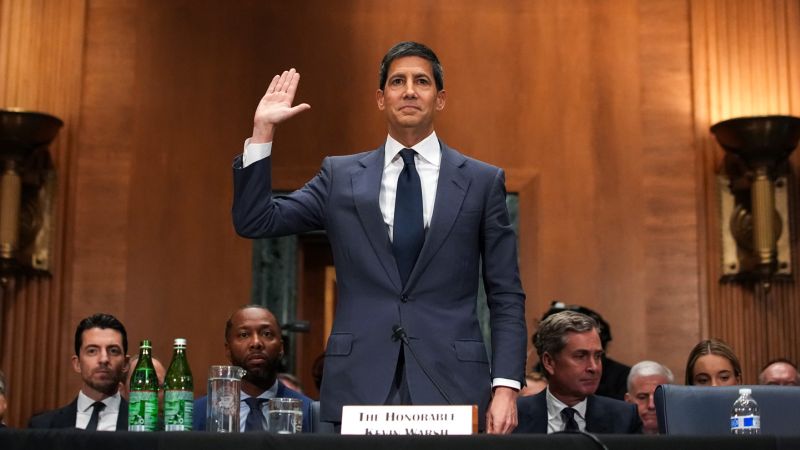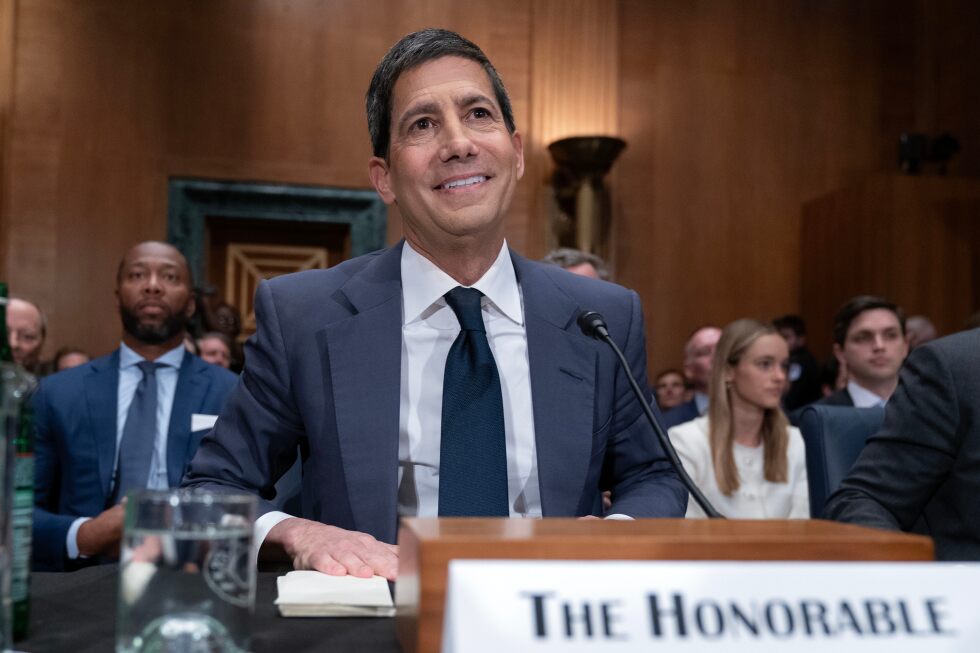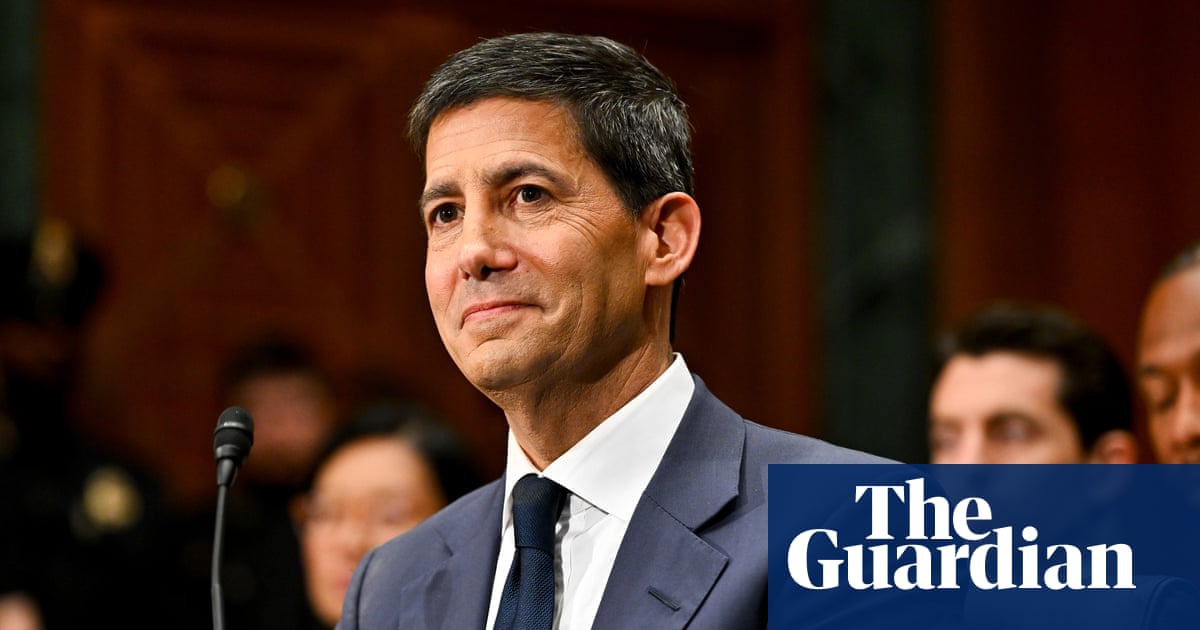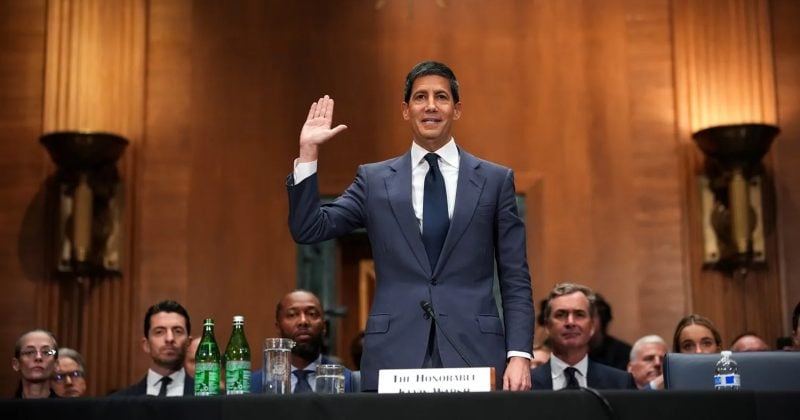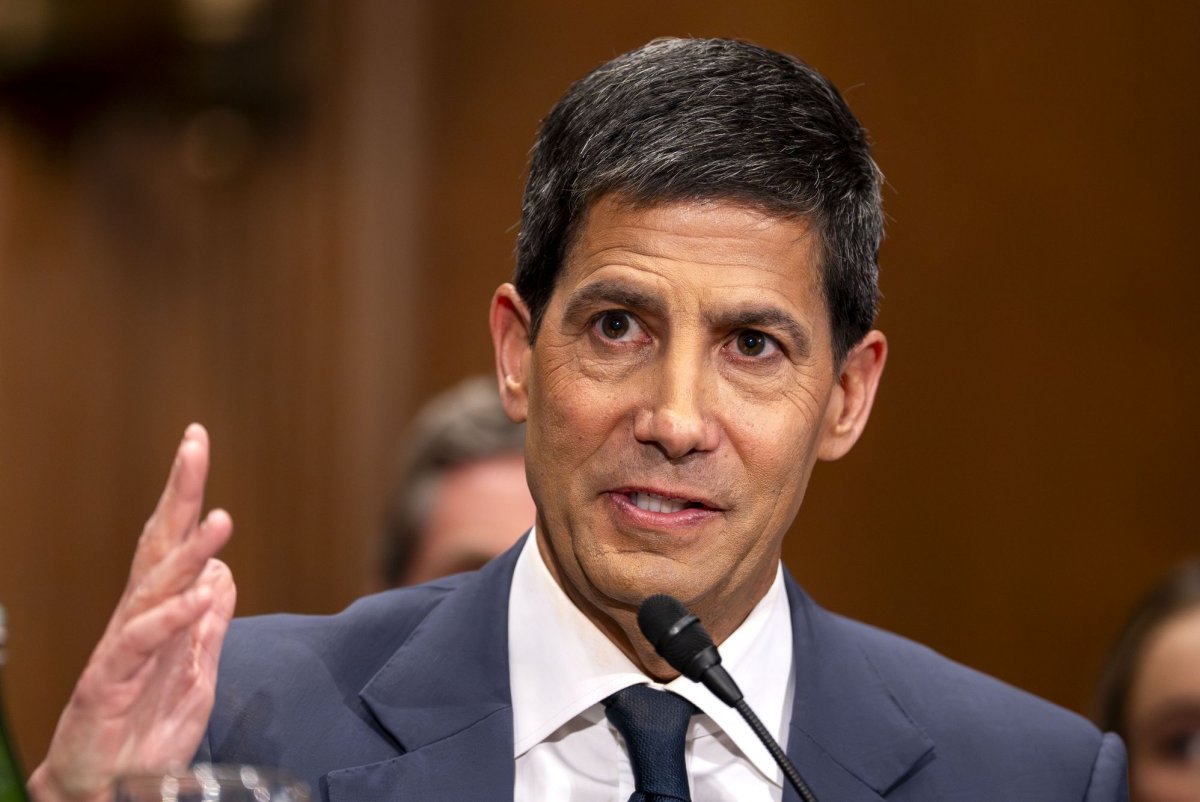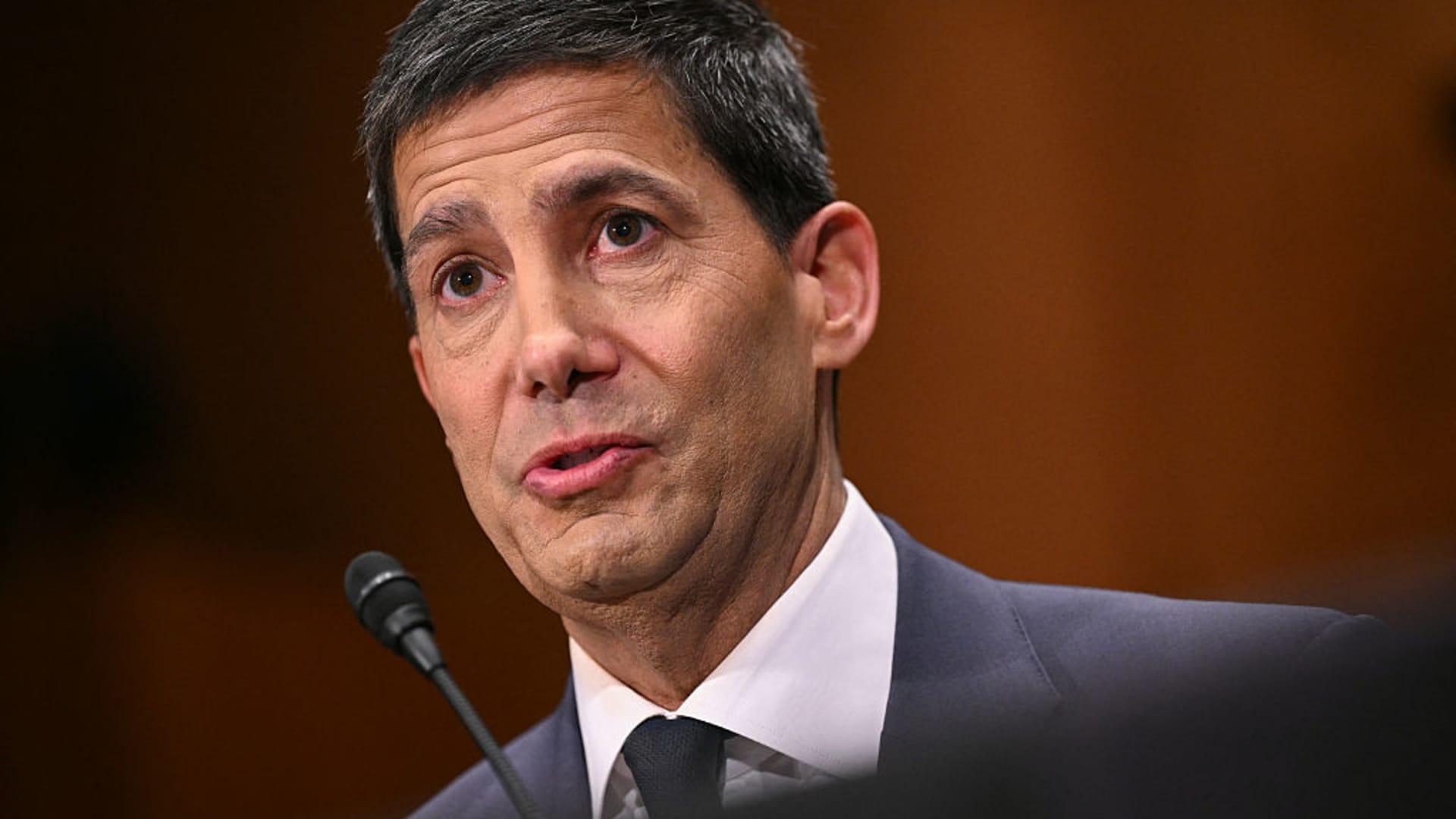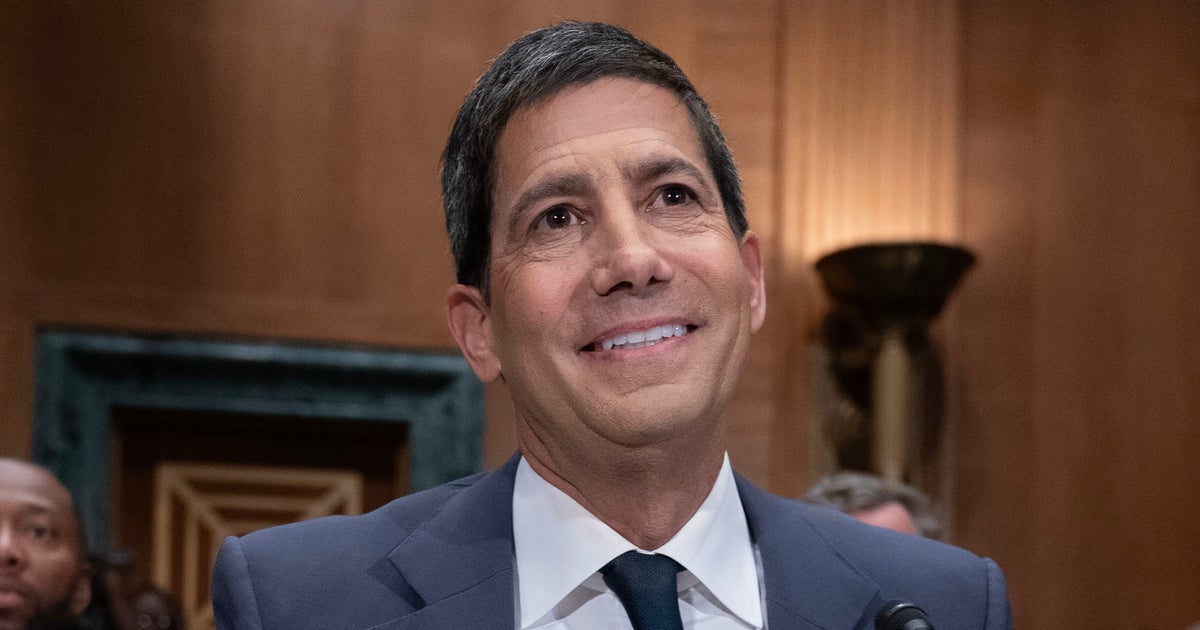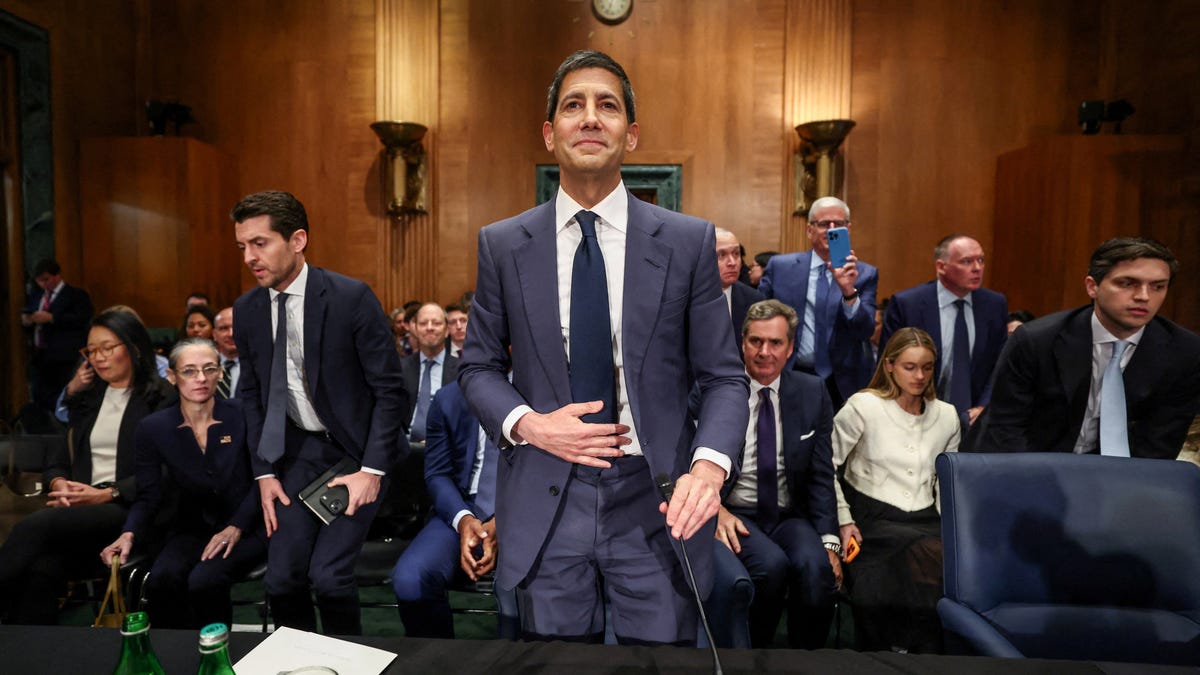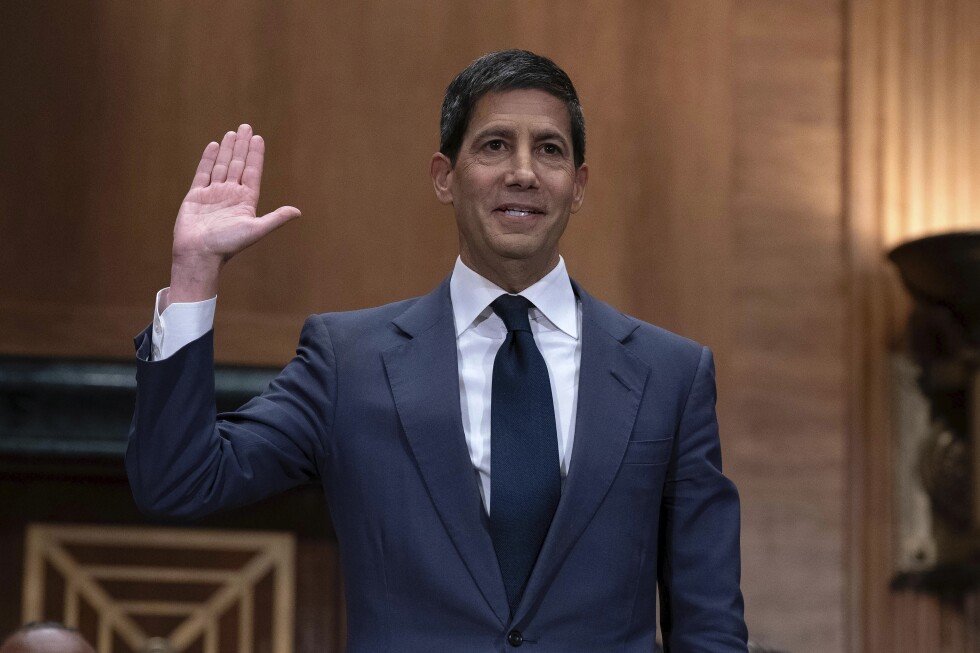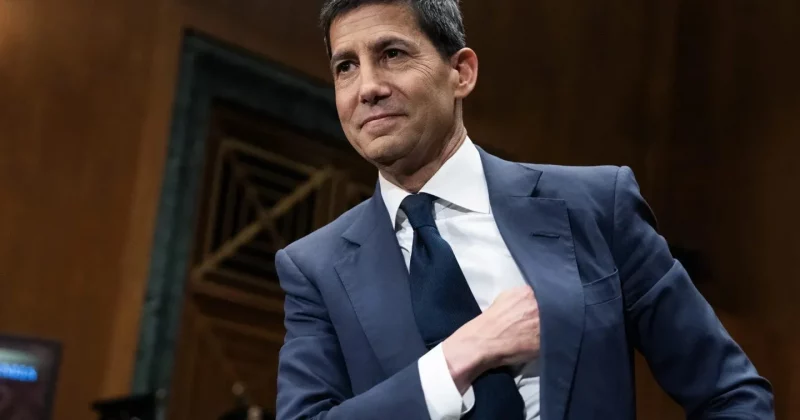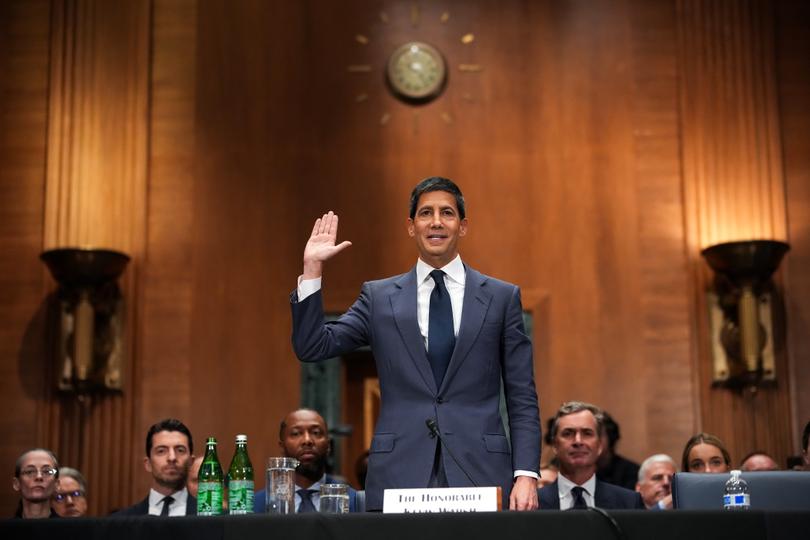
Warsh’s confirmation to the Fed board positions the crypto-linked investor to replace Jerome Powell as chair amid inflation and digital asset policy debates.Updated May 12, 2026, 9:26 p.m. Published May 12, 2026, 5:29 p.m. 2 min readMake preferred on The Senate confirmed Kevin Warsh to the Federal Reserve Board of Governors on Tuesday, moving President Donald Trump’s pick one step closer to becoming the next chair of the U.S. central bank.Lawmakers approved Warsh in a 51-45 vote. Sen. John Fetterman (D-Pa.) was the only Democrat to support the nomination.Warsh still must win a separate Senate vote to become Fed chair, which is expected Wednesday. Governors serve 14-year terms while the chair serves a four-year term.If confirmed as chair, Warsh, 56, will replace Jerome Powell, whose eight-year term leading the Fed ends Friday. Powell, however, has said he plans to remain on the board until a federal probe into renovations at the Fed’s headquarters concludes.Warsh enters the role as policymakers face renewed inflation concerns tied to the war in Iran and rising energy prices. Investors are also watching for signs of how the Fed may approach interest rates and financial market regulation under new leadership.The former Morgan Stanley banker has drawn attention for his ties to the crypto industry. Financial disclosures filed with the Office of Government Ethics showed Warsh held investments in blockchain and digital asset companies tied to decentralized finance, crypto payments and tokenized networks through venture funds and private entities.The holdings included exposure to firms connected to Bitcoin infrastructure, Layer 1 and Layer 2 blockchain networks and prediction markets. Warsh pledged to divest most of those investments if confirmed.His prior investments suggest familiarity with crypto markets at a time when the Fed is weighing stablecoin regulation, bank crypto custody rules and research into digital payment systems.More For YouHashKey says U.S. regulatory clarity may unlock institutional adoption of crypto and reinforce USD stablecoins globally, though stricter yield rules could push capital toward Asian markets offering higher returns.
Senate confirms Kevin Warsh to Fed board ahead of expected Chair vote
Warsh’s confirmation to the Fed board positions the crypto-linked investor to replace Jerome Powell as chair amid inflation and digital asset policy debates.
382 words~2 min read