Greenpeace finds cocktail of pesticides including seven banned in EU may have been used on seven categories of vegetables and soft fruit
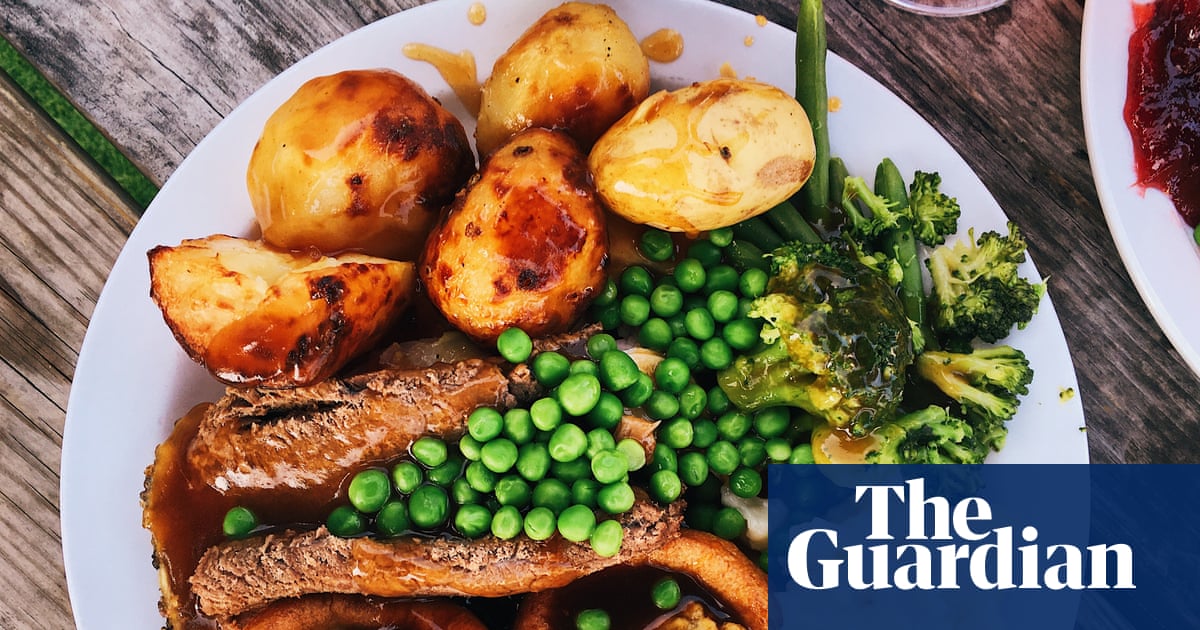
It is a beautiful early summer Sunday afternoon and you have stopped for a pub lunch. A waiter sets down a roast served with carrots, peas, parsnips, potatoes and onion gravy, and then for pudding, strawberries and cream. It feels like the perfect rustic meal to accompany a day in the country.
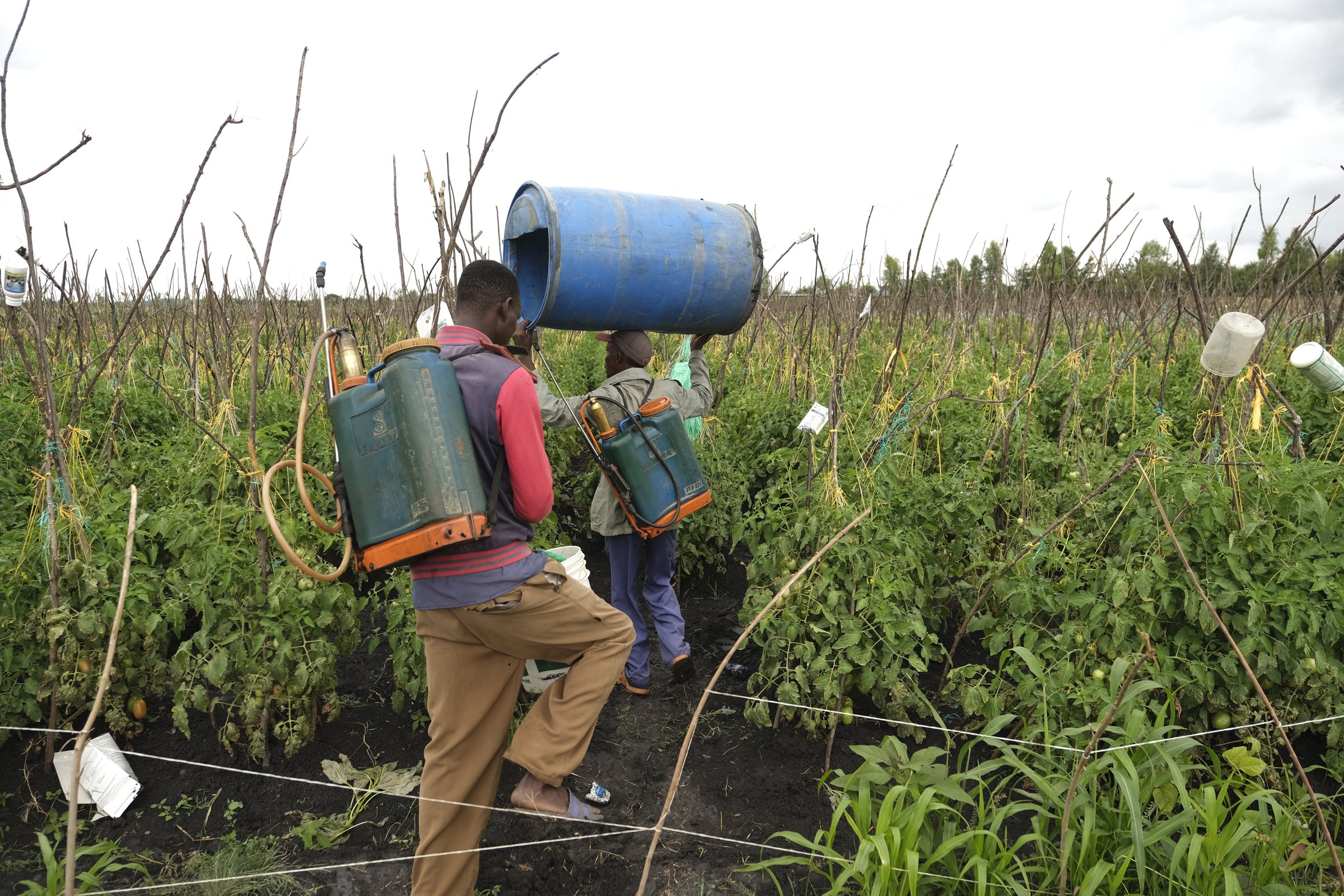
However, a report by Greenpeace, published on Thursday, has found that the ingredients of the traditional Sunday roast have potentially been treated with a cocktail of more than 100 pesticides. Data from the Fera pesticide usage survey for 2024, showed 102 – including seven banned in the EU – were used on seven vegetable and soft fruit categories.
Those roast potatoes may have been sprayed with benthiavalicarb, a fungicide banned in the rest of Europe because it causes cancer. They may have also had a sprinkling of metribuzin, a herbicide, banned because its an endocrine disruptor.
The carrots may have been treated with the insecticide spirotetramat, whose EU approval has expired and can kill bees and fish. Peas are often treated with the herbicide S-metolachlor, which poses risks to mammals and has been implicated in groundwater contamination.