Historically, life in Jerusalem has been challenging. There’s nothing new there. If you could, you might ask any of the marauding civilizations that came, saw, conquered, and were ultimately driven out of the hilltop walled city across the millennia. Literature – poetry and prose – is replete with epithets relating to the harshness of quotidian existence in Jerusalem, often citing the unforgiving local masonry as a powerful, unremitting symbol.
On a far more practical contemporary note, you might have a natter with business owners across the capital, many of whom have endured more than their fair share of income-generating quandaries and other existential dome scratchers over the years. One bar owner, who said she preferred to remain anonymous on the simple, and somewhat paradoxical, grounds that she was fed up with moaning about her plight, said she had resigned herself to her lot in the city.
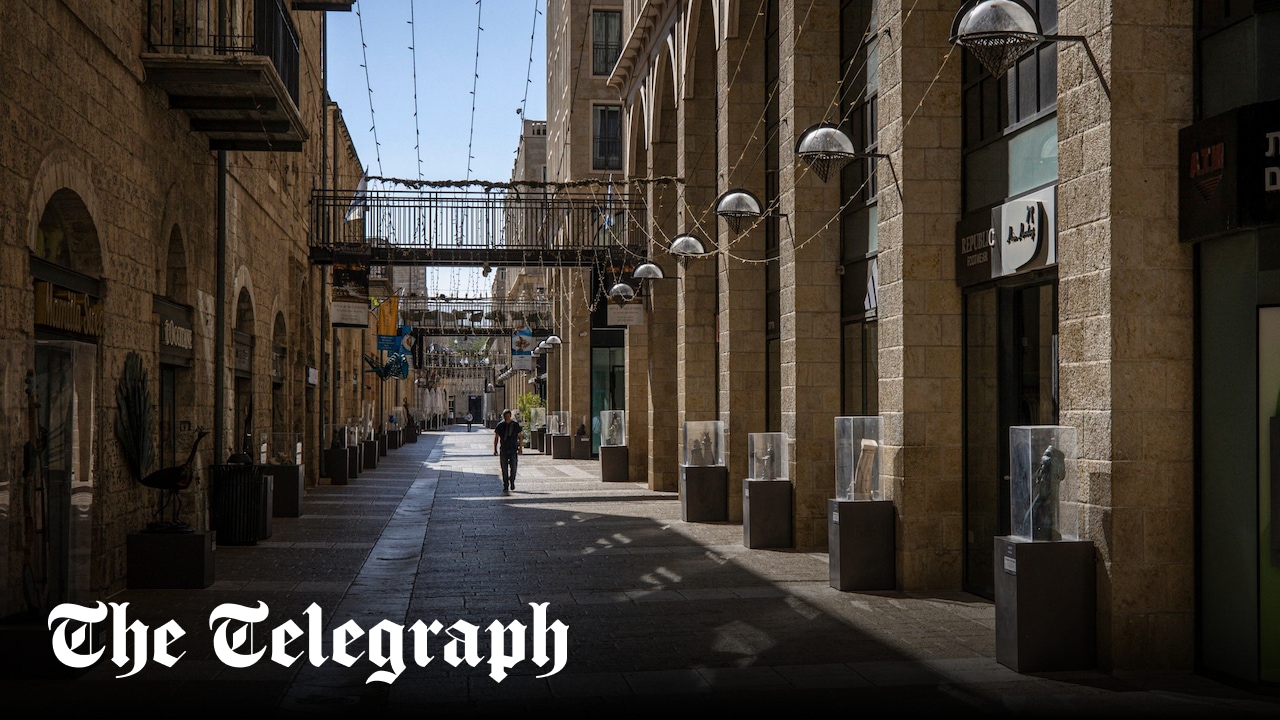
She noted that her establishment had somehow come through the Second Intifada, which ran and ran for the first four and a half years of this century and turned the center of the city into something of a ghost town after nightfall. That’s even without considering periodic terrorist attacks, and reprise upon reprise of IDF operations down south and up north, that left their ongoing mark on turnover.