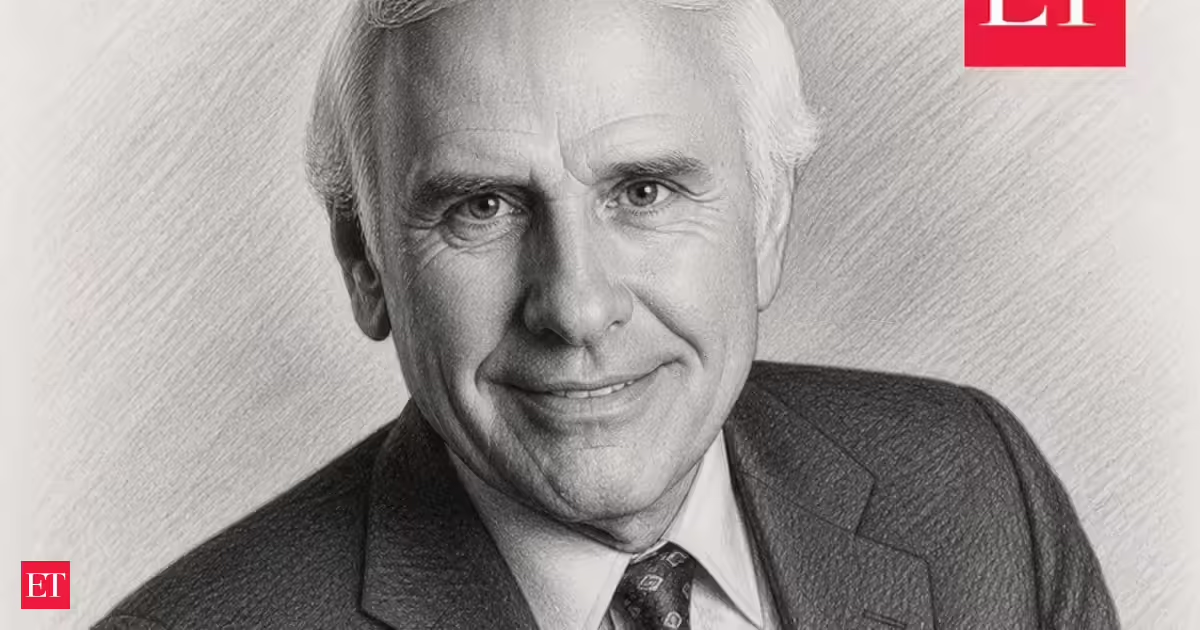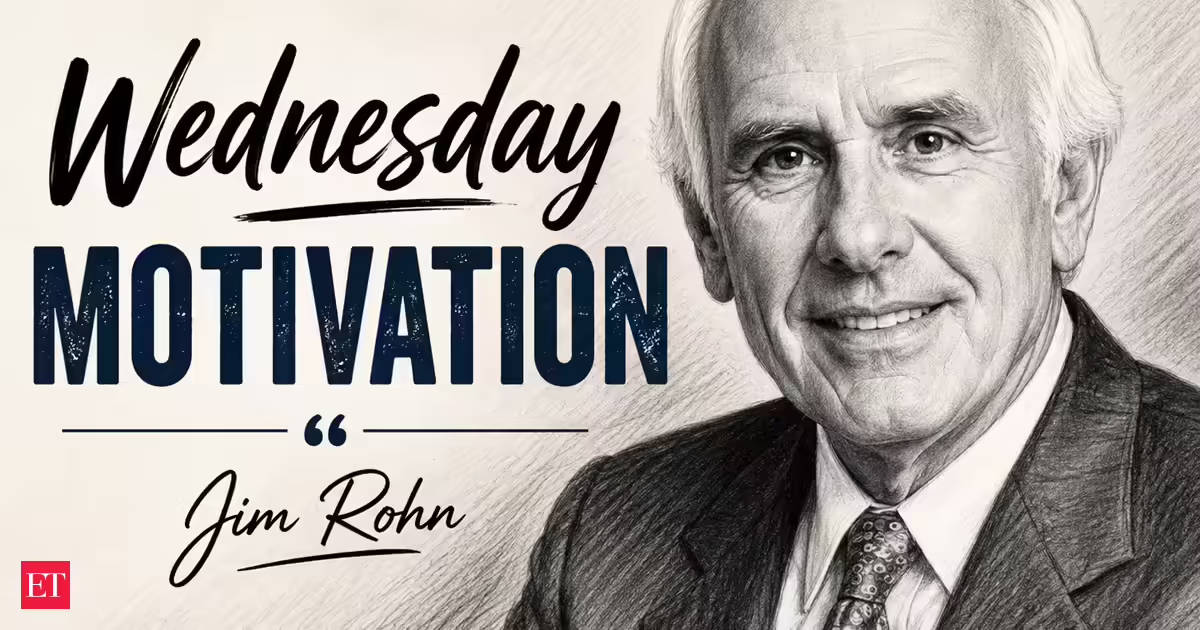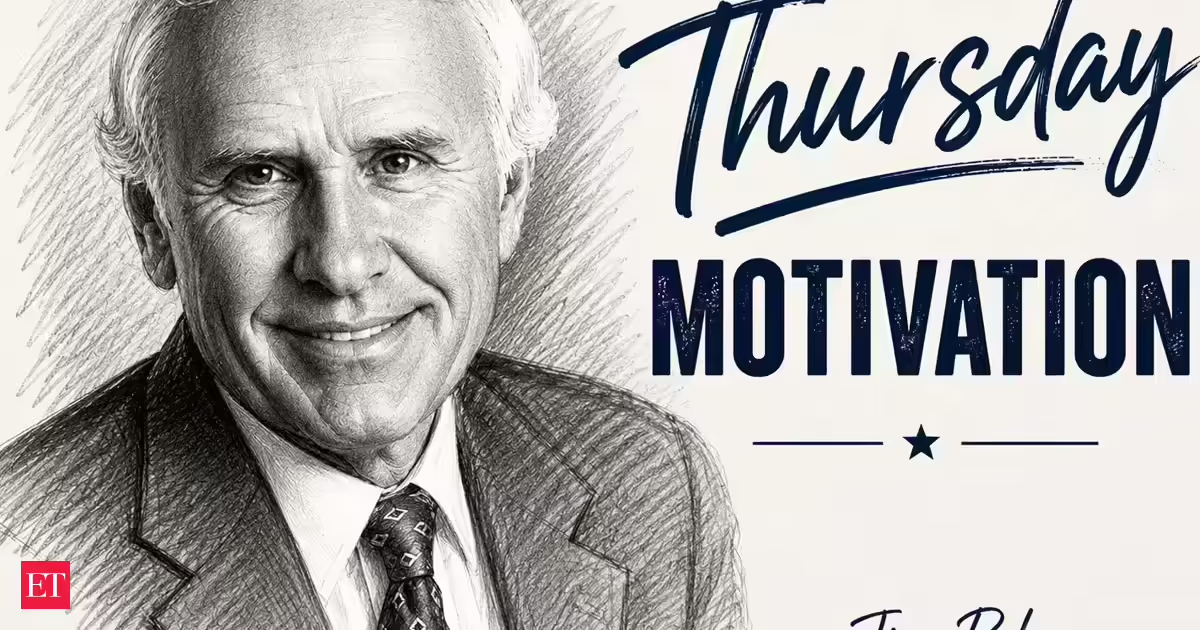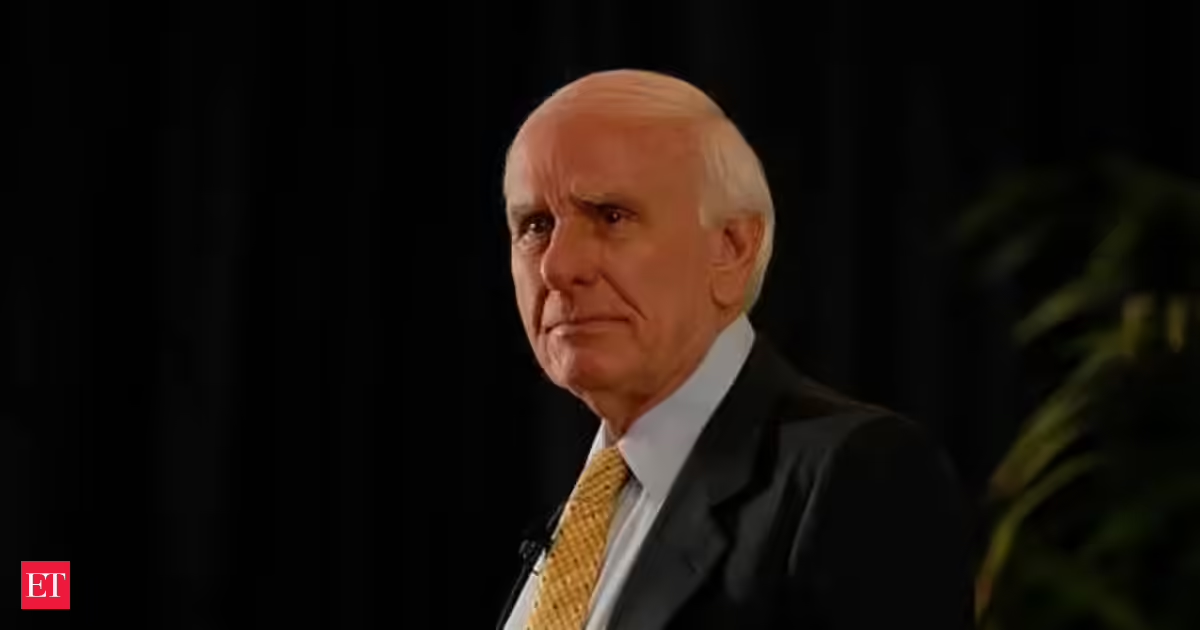
Quote of the day: Productivity has become a badge of honor in modern life. Packed schedules, endless notifications and constant multitasking often make people feel successful simply because they are always moving. Few motivational thinkers challenged that mindset more sharply than Jim Rohn, the legendary self-development mentor whose words continue to inspire entrepreneurs, students and professionals decades after his death. Known for turning simple truths into life-changing lessons, Rohn built a global following through speeches, books and seminars that focused on discipline, personal growth and meaningful success rather than empty hustle.One of his most enduring observations cuts straight through today’s culture of nonstop activity. Instead of celebrating busyness for its own sake, Rohn urged people to ask whether their actions are actually leading anywhere valuable.“Don't mistake movement for achievement. It's easy to get faked out by being busy. The question is: Busy doing what?”You Might Also Like:The quote remains especially relevant in an age where productivity apps, overflowing calendars and social media hustle culture can create the illusion of progress. Rohn’s words encourage people to pause and examine whether their efforts are producing meaningful results or merely exhausting their energy.Who was Jim Rohn?Born on September 17, 1930, in Idaho, Jim Rohn came from humble beginnings. Raised on a farm by his parents Claire and Emmanuel Rohn, he often spoke about how ordinary his early life felt. He attended college briefly before dropping out, believing traditional education was not teaching him the lessons he truly needed about life and success.By the age of 25, Rohn was struggling financially. He was married, raising a family and burdened with debt. That turning point led him to attend a seminar by entrepreneur and mentor Earl Shoaff, a meeting that would completely alter the course of his life.You Might Also Like:Shoaff taught Rohn principles that became the foundation of his philosophy: work harder on yourself than on your job, focus on personal development and understand that lasting change begins internally. Those lessons transformed Rohn from a struggling clerk into a millionaire within a few years.But financial success was only part of his legacy. His storytelling ability, calm delivery and practical wisdom made him one of America’s most influential motivational speakers. Over nearly four decades, he spoke to millions across thousands of seminars worldwide, inspiring generations of business leaders and self-help teachers.From bankruptcy to global influenceRohn’s rise was not built on flashy promises or overnight success stories. Instead, he focused on consistency, discipline and intentional living. His speeches resonated because they felt grounded in experience rather than theory.In the 1960s, after moving to California, Rohn began sharing his journey in local speaking engagements. Audiences quickly connected with his relatable story of failure, persistence and transformation. Before long, he became an internationally recognized voice in personal development.You Might Also Like:He authored more than 25 books and created countless audio and video programs, including well-known works such as The Art of Exceptional Living and Challenge to Succeed. His influence extended far beyond his own seminars. Many of today’s leading motivational figures, including Tony Robbins, Brian Tracy and Jack Canfield, have credited Rohn as a mentor or inspiration.Quote of the day meaningAt first glance, Rohn’s quote may sound like a warning against hard work. In reality, it is a warning against aimless effort.The phrase “movement for achievement” captures a common trap: confusing activity with progress. A person can spend an entire day replying to emails, attending meetings or constantly switching between tasks and still accomplish very little that truly matters.Rohn’s quote asks a deeper question: Are your actions aligned with your goals?Being busy often feels productive because it creates momentum. But meaningful achievement requires direction. Without clarity, movement becomes noise rather than progress.The quote also challenges modern society’s obsession with hustle culture. Many people equate exhaustion with ambition. Yet Rohn believed success comes not from doing everything, but from doing the right things consistently.Why the quote still resonates todayThe modern workplace has made Rohn’s message even more relevant. Smartphones keep people connected to work around the clock. Social media glorifies “grind culture,” where constant activity is celebrated regardless of results.As a result, many people feel overwhelmed but unfulfilled.Rohn’s words serve as a reminder that productivity should not be measured by how occupied someone appears, but by whether their efforts create meaningful outcomes. A packed calendar does not automatically equal progress.Students can apply this lesson while studying. Professionals can apply it while building careers. Even personal relationships benefit from intentionality rather than distraction.Instead of asking, “How busy am I?” the quote encourages people to ask, “Am I moving toward something important?”Lessons from Jim Rohn’s philosophyMuch of Rohn’s teaching revolved around personal responsibility and deliberate growth. His life itself reflected those values.After experiencing failure early in adulthood, he chose to change his habits, mindset and discipline rather than blame circumstances. That transformation became the heart of his message to others.Several core lessons emerge from this quote:Clarity matters more than motionWithout a clear purpose, even hard work can become meaningless.Discipline creates progressSmall, intentional actions repeated daily often matter more than dramatic bursts of effort.Reflection is essentialRohn frequently encouraged people to step back and evaluate whether their daily habits aligned with their long-term goals.Success starts internallyAccording to Rohn, personal growth eventually shapes financial, professional and emotional success.A legacy that continues to inspireJim Rohn died on December 5, 2009, but his influence remains remarkably strong. His speeches continue circulating online, his books remain widely read and his teachings still shape the world of self-improvement.You Might Also Like:Part of that enduring appeal comes from his ability to express profound ideas in simple language. The quote about busyness and achievement remains powerful because nearly everyone can relate to it. Most people have experienced days filled with activity that ultimately led nowhere meaningful.
Quote of the day by Jim Rohn: ‘Don't mistake movement for achievement. It's easy to get faked out by being busy. The question…’ Brutal truth about being busy and wake-up call millions need right now
Quote of the day: Rohns message is not about slowing down or abandoning ambition. Instead, it is about aligning effort with purpose. In a fast-moving world that constantly demands attention, that reminder may be more valuable than ever.
956 words~4 min read