Tech Giants
To avoid collateral damage, countries consider ditching giant server hubs for smaller, distributed ones—especially now that military and civilian data live side-by-side.
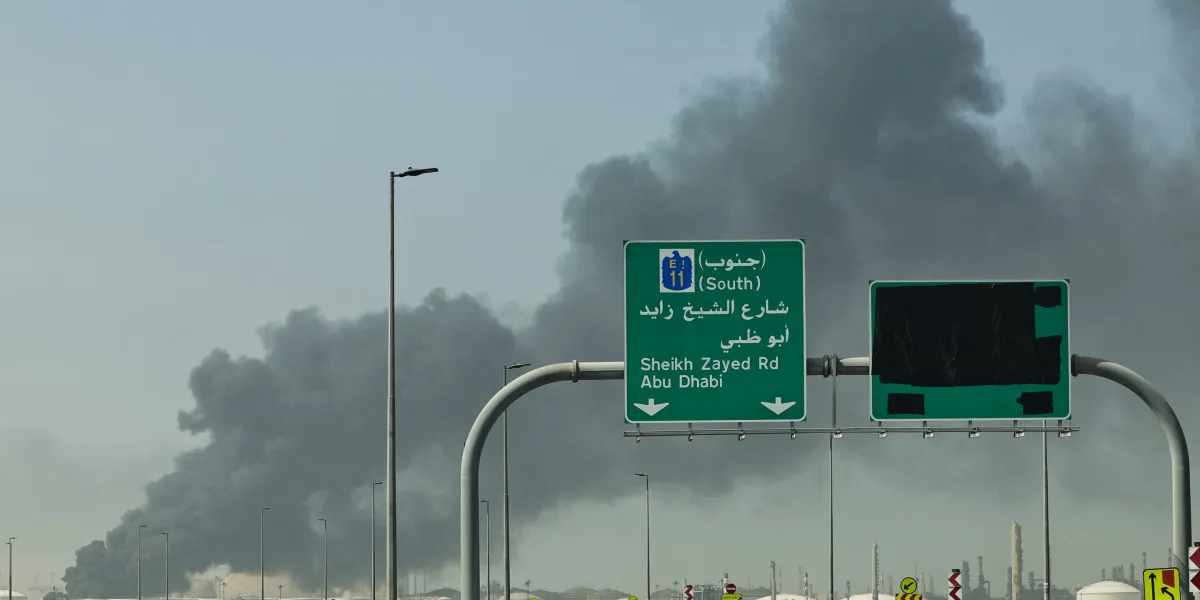
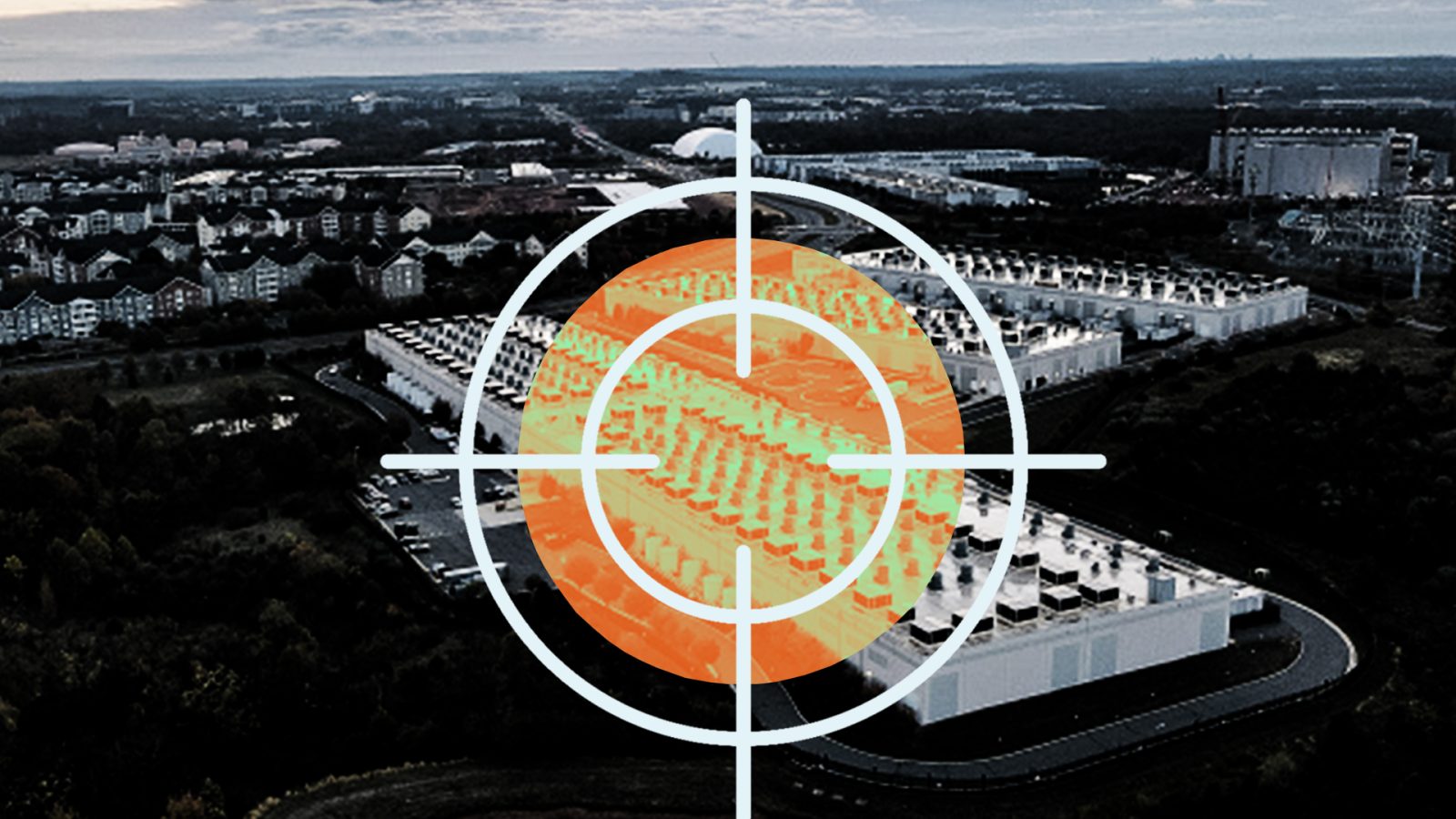
The drone strikes on Amazon Web Services data centers in the Persian Gulf, and Iran’s threats to target tech firms for their involvement in U.S. attacks, underline the growing risks that artificial intelligence infrastructure faces in conflicts.Iran named 18 companies including Amazon, Google, Microsoft, Nvidia, Palantir, and G42, the lead AI firm in the United Arab Emirates, as “legitimate targets.” For AI companies with data centers in the Gulf, risk mitigation could mean shifting away from easily identifiable hyperscalers, picking safer locations, or separating military systems from civilian systems.
None of these options is easy.
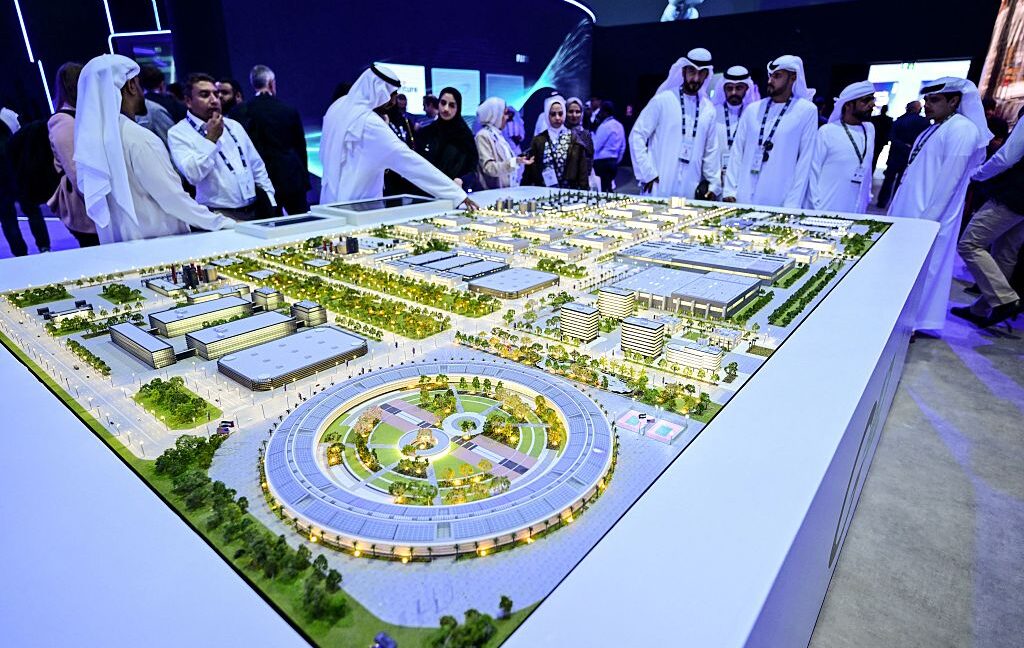
Global data center capacity could reach 200 gigawatts by 2030, doubling capacity, to meet growing demand for AI. While more than half the capacity is being added in the U.S., data centers are also being built in Asia, Latin America, and the Gulf. AI data centers alone will require a total capital expenditure of more than $5 trillion, according to consulting firm McKinsey.