Despite the green shoots of economic stabilization, Venezuela’s energy sector investment environment must evolve from a negative protection framework to a positive model for recovery. Two of the most significant blocking actions in US history — Executive Orders 13303 (Iraq) and 13884 (Venezuela) — both sought to protect oil revenues from creditor attack. However, they were built for entirely different purposes. Understanding those differences is essential for shifting Venezuela from a defensive sanctions architecture toward the legal and financial framework needed for reconstruction.
Venezuela sits on the world’s largest proven oil reserves, more than Saudi Arabia, more than Iraq. On paper, it should be one of the wealthiest countries in the Western Hemisphere. In practice, it has witnessed one of the most dramatic economic collapses of the modern era — and understanding why matters for what comes next.
From Resource Wealth to Systemic Collapse
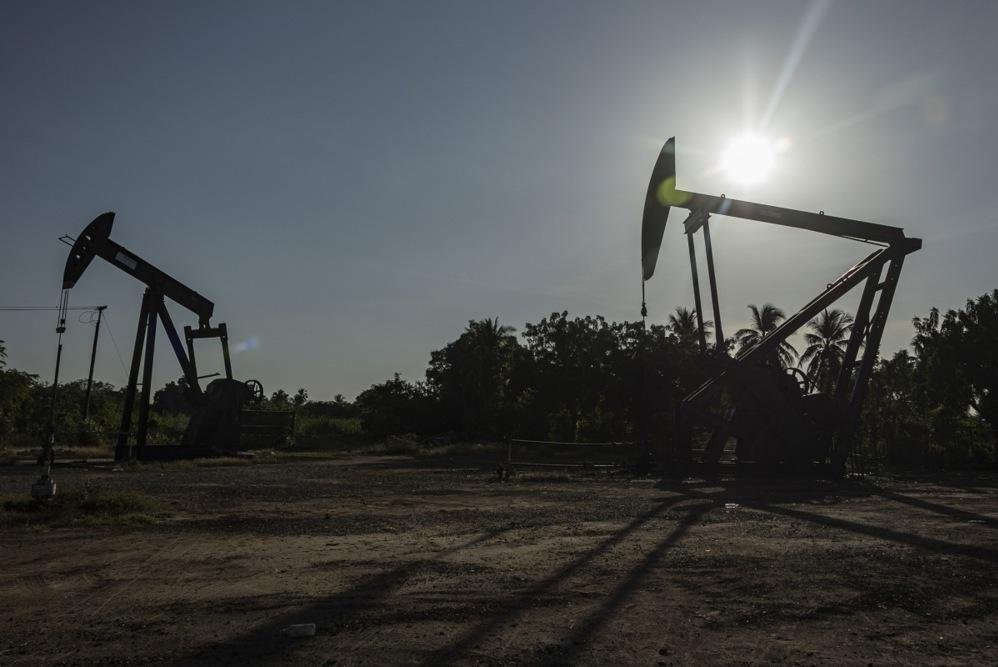
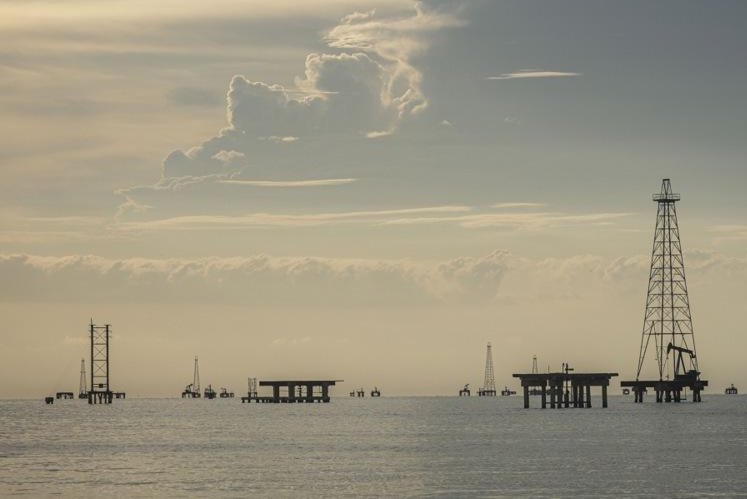
At its peak in 1998, Venezuela pumped nearly 3.5 million barrels per day of oil. By late 2025, that figure had fallen to around 800,000 b/d, less than 1% of global production. The decline was not geological. Venezuela’s reserves are largely intact, buried beneath the Orinoco Belt in the form of ultraheavy crude.