THE DEPARTMENT OF Homeland Security is moving to consolidate its face recognition and other biometric technologies into a single system capable of comparing faces, fingerprints, iris scans, and other identifiers collected across its enforcement agencies, according to records reviewed by WIRED.
The agency is asking private biometric contractors how to build a unified platform that would let employees search faces and fingerprints across large government databases already filled with biometrics gathered in different contexts. The goal is to connect components including Customs and Border Protection, Immigration and Customs Enforcement, the Transportation Security Administration, US Citizenship and Immigration Services, the Secret Service, and DHS headquarters, replacing a patchwork of tools that do not share data easily.
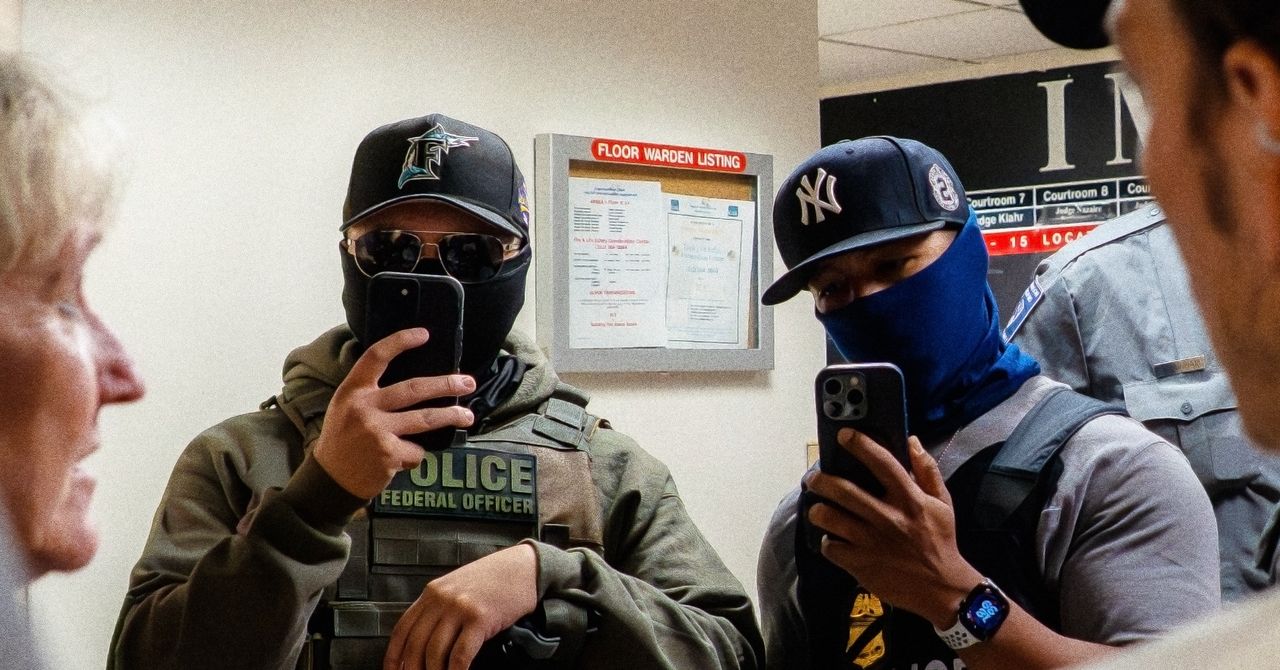
The system would support watch-listing, detention, or removal operations and comes as DHS is pushing biometric surveillance far beyond ports of entry and into the hands of intelligence units and masked agents operating hundreds of miles from the border.
The records show DHS is trying to buy a single “matching engine” that can take different kinds of biometrics—faces, fingerprints, iris scans, and more—and run them through the same backend, giving multiple DHS agencies one shared system. In theory, that means the platform would handle both identity checks and investigative searches.