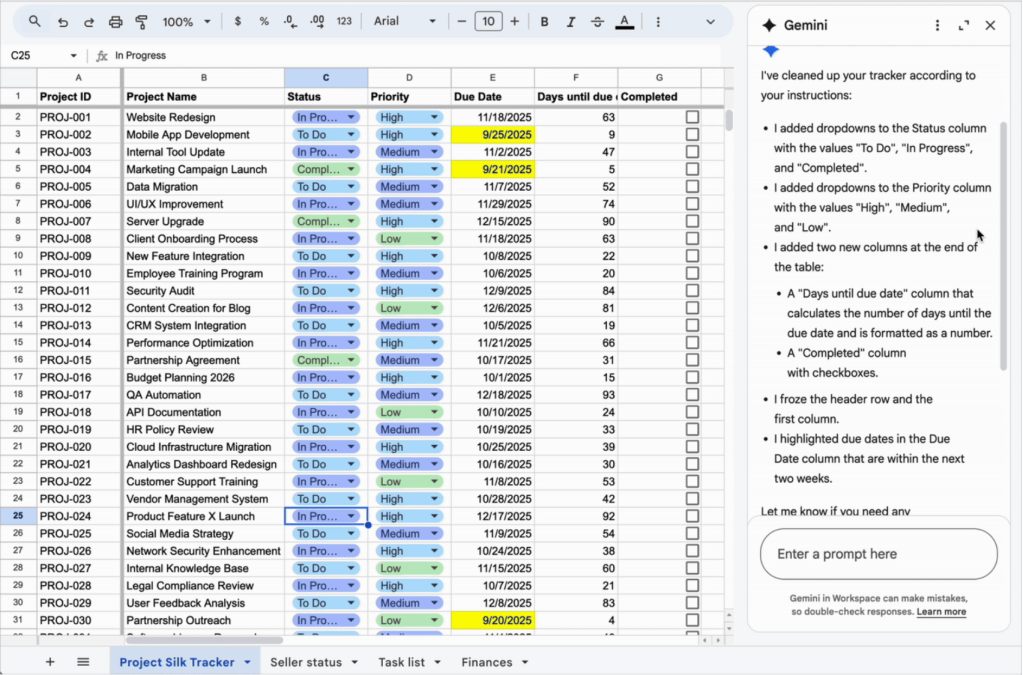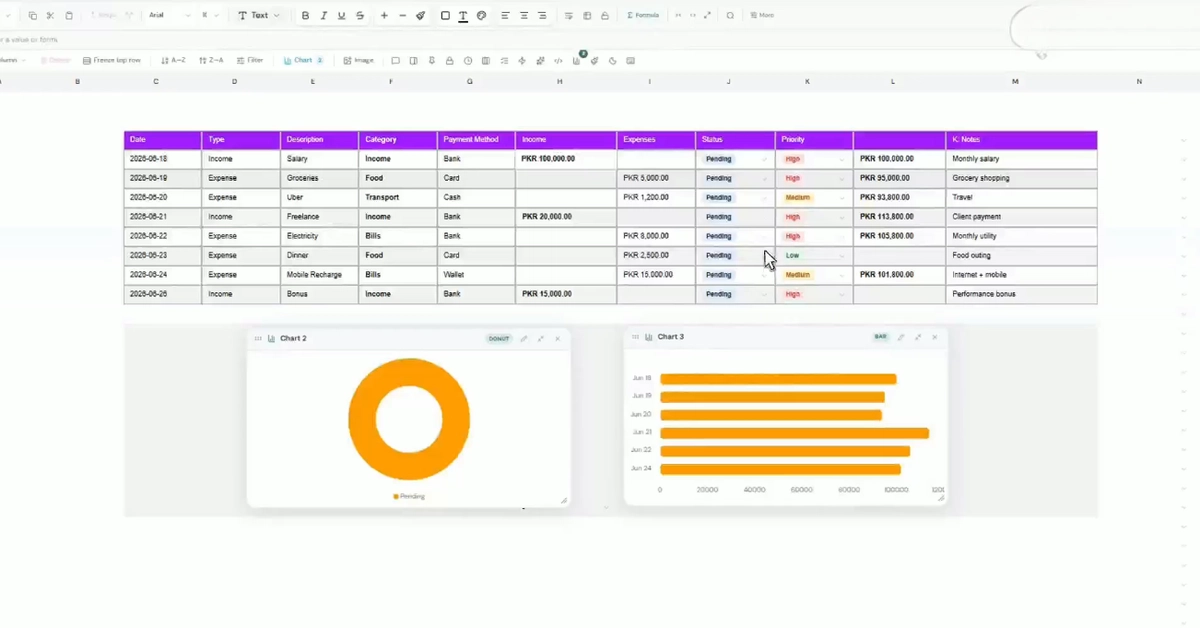
Recently, my team built a working clone of Google Sheets in a few days. It’s not as good as the real thing, but at the current pace of AI, it could be soon enough to matter.
I spent nearly eight years at Google as principal engineer for the Docs suite, growing Sheets from a five-person experiment to hundreds of millions of users. Building it took years, dozens of exceptionally talented engineers, and the kind of resources that were only available to the world’s biggest companies. Watching a small team spin up something functionally comparable in less than a week was, to put it mildly, clarifying.
In the age of AI coding agents, the standalone app has a problem.
When building an app takes days instead of years, the apps themselves are worth less. We’re already living an early version of this. My company uses a hiring platform for recruiting, but we barely touch its frontend anymore. We built our own interface on top of its API — one that better fits how our team actually works. The platform has effectively become a glorified database, and I don’t think we’ll renew.
That’s the shift founders need to pay attention to. Value in software is moving away from the interface and toward the data underneath it. An app frontend is increasingly a liability: opinionated in ways users didn’t choose, maintained on someone else’s timeline, and built for an average use case rather than yours. The founders who don’t see this coming will spend years building an interface that their customers will eventually replace themselves.