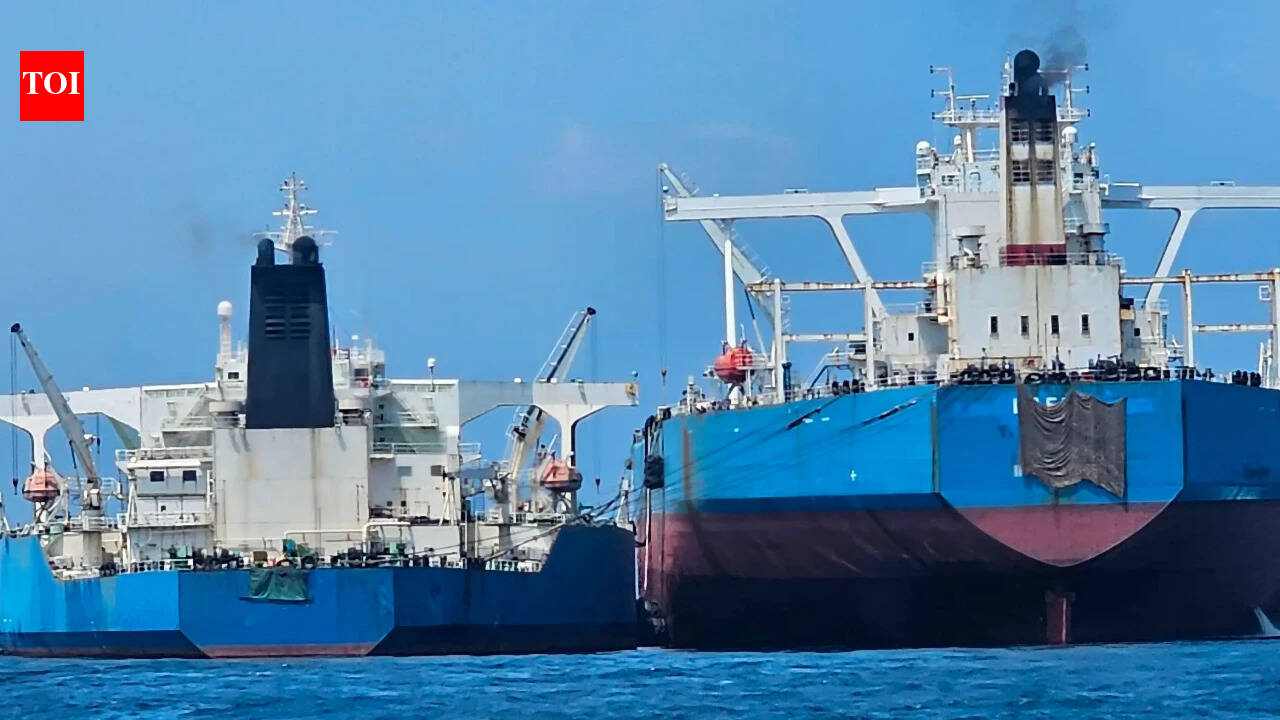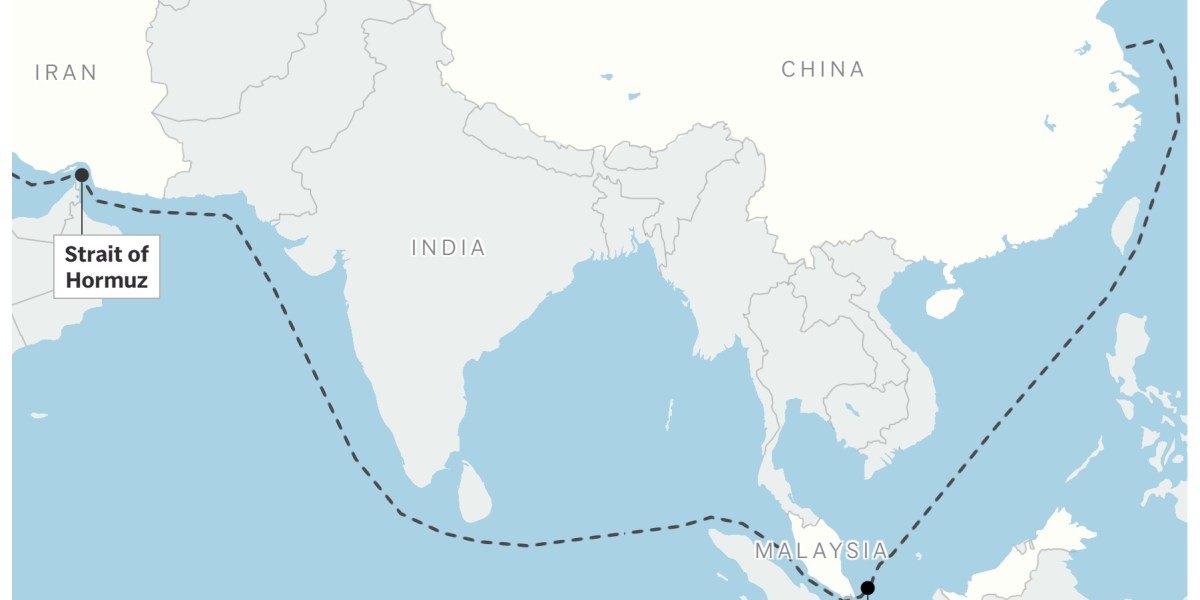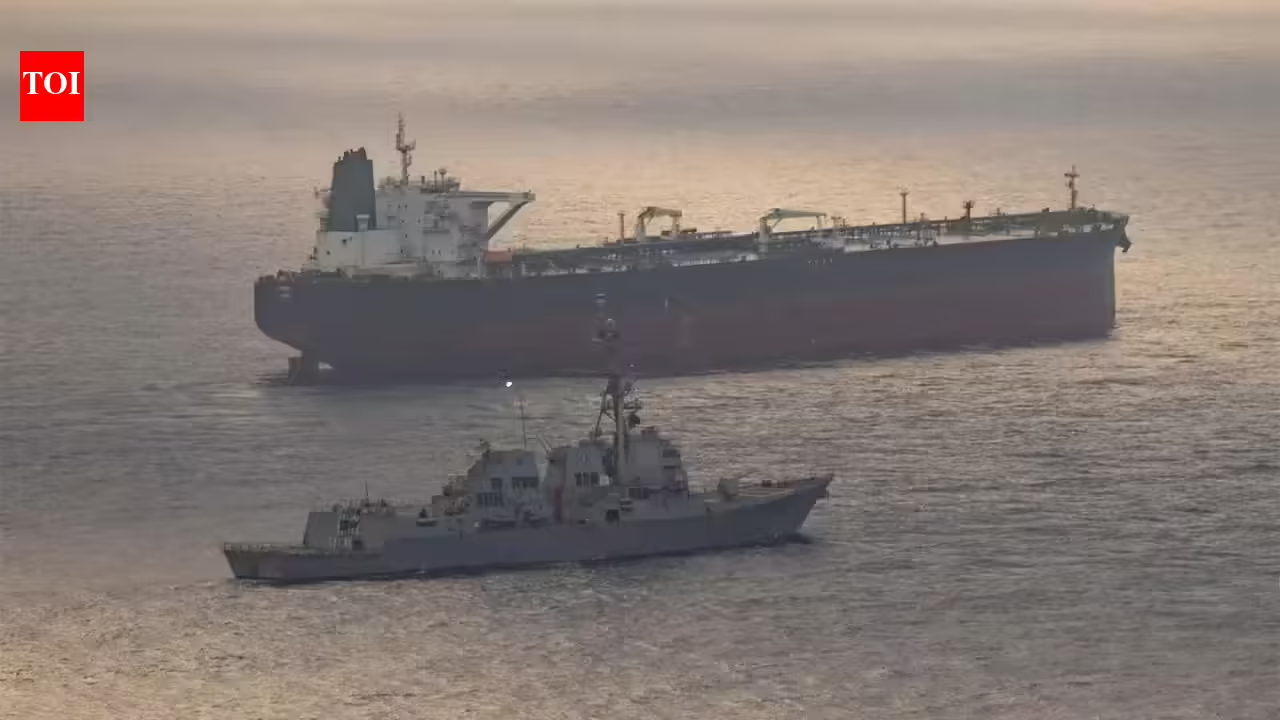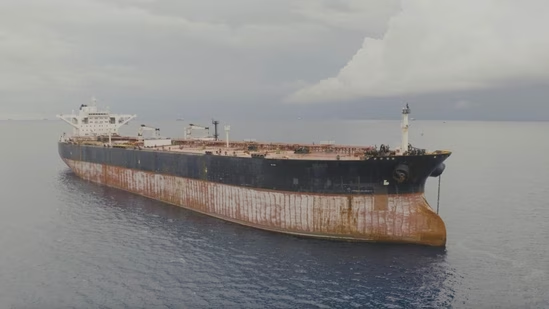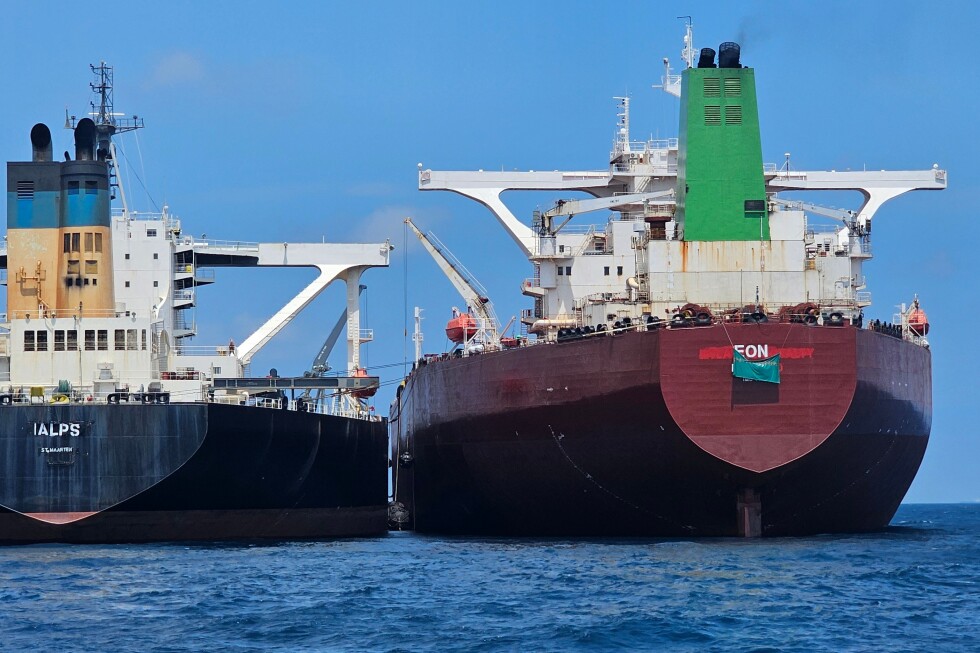
KUALA LUMPUR, Malaysia (AP) — Malaysia ’s maritime agency says Iranian-linked tankers are exploiting “jurisdictional gaps” to conduct ship-to-ship transfers of sanctioned oil near its waters, rejecting allegations that authorities ignored a long-running trade allowing Iran to evade U.S. sanctions.U.S.-based advocacy group United Against Nuclear Iran (UANI) and shipping industry observers say waters near Malaysia’s southern Johor state have become a key hub for ship-to-ship transfers involving Iran’s “shadow fleet” — aging tankers that often operate with disabled tracking systems, false identities and opaque ownership structures to conceal the origins of crude bound largely for China.The area, known as the Eastern Outer Port Limits, or EOPL, in the South China Sea is about 70 kilometers (45 miles) off Johor. It lies along one of the world’s busiest maritime trade routes and is about halfway between Iran and China, which buys about 90% of Iranian oil.
U.S. officials have previously said Iranian oil exports rely heavily on service providers and ship-to-ship transfers operating near Malaysian waters.
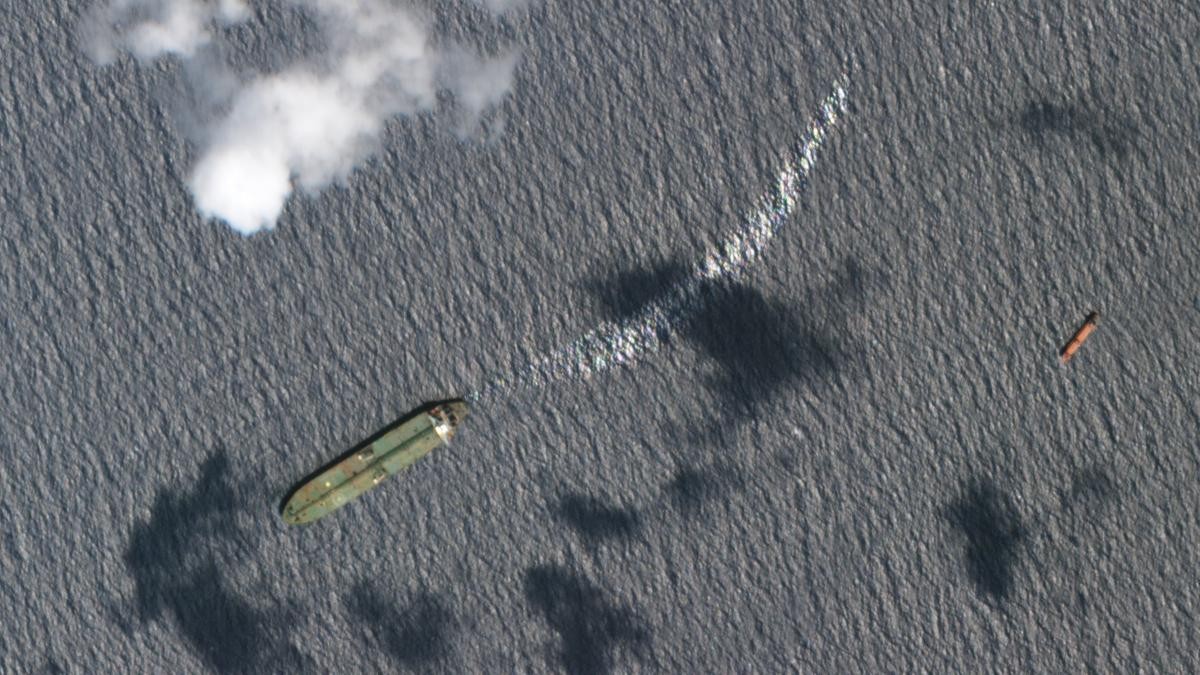
UANI says there have been 42 ship-to-ship transfers of Iranian oil conducted in the EOPL area since Feb. 28, when the U.S. and Israel attacked Iran, starting a war in the Middle East. UANI used satellite imagery to observe the operations.“Because of Malaysia’s inaction, it is facilitating this business model by Iran and China and dark fleet actors,” senior UANI adviser Charlie Brown said, warning Malaysia is becoming “a facilitator rather than merely a transit point” for illicit activity.