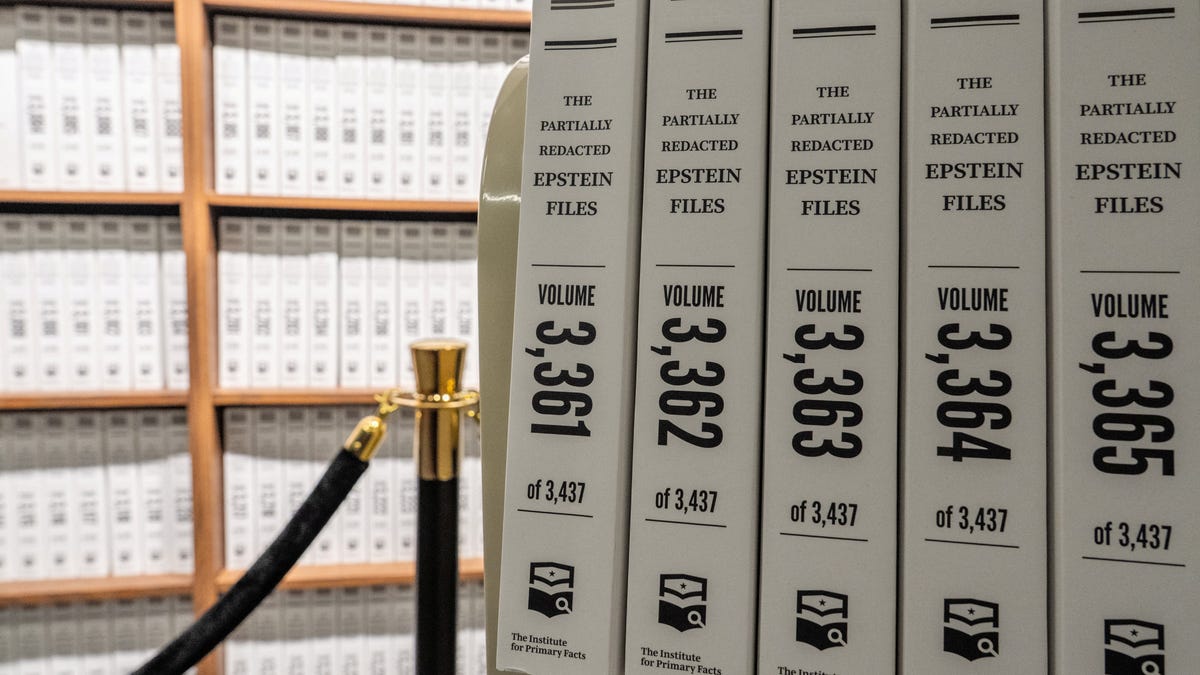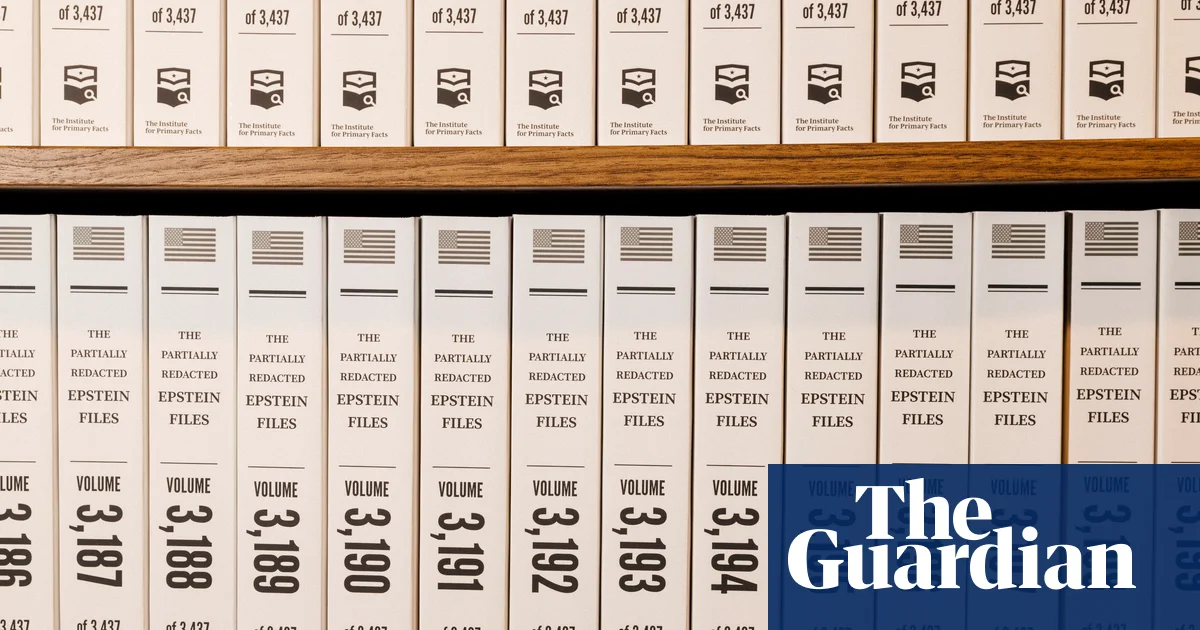
I’M LOOKING AT Volume 1,536 of the Epstein files, page 311. It’s an early 2016 email thread between Jeffrey Epstein and a woman whose name is redacted by the Department of Justice.
In the thread, Epstein asks the unidentified woman for a “naughty selfie” and later sends her a camera. In late February, he replies with a different ask: “Do you have any friends that might want to work for me?...I will give you money if you find someone willing to travel, 22-25, educated. Personable.”
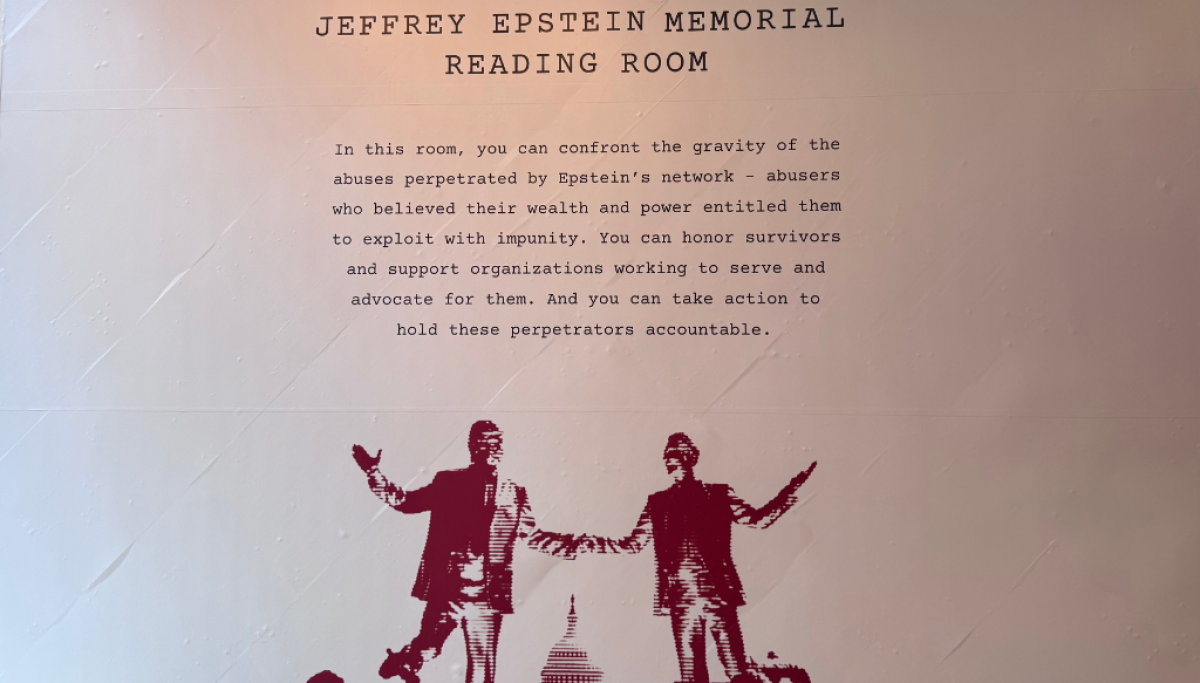
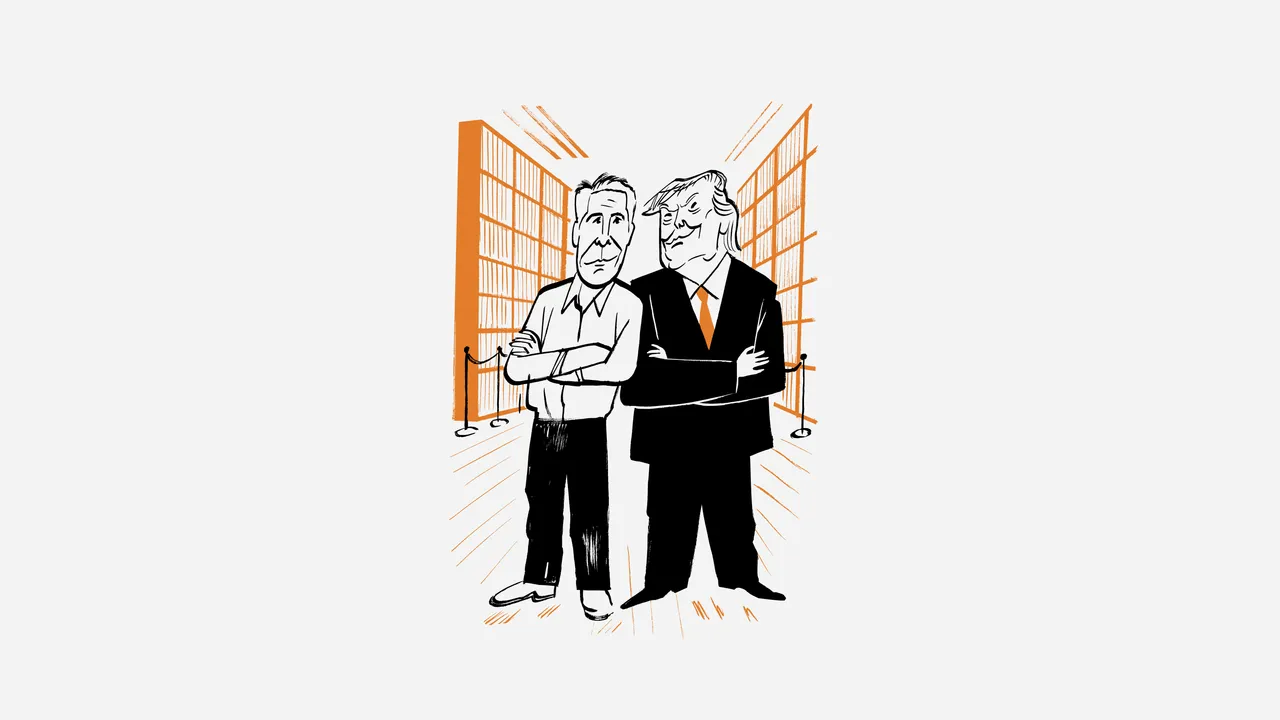
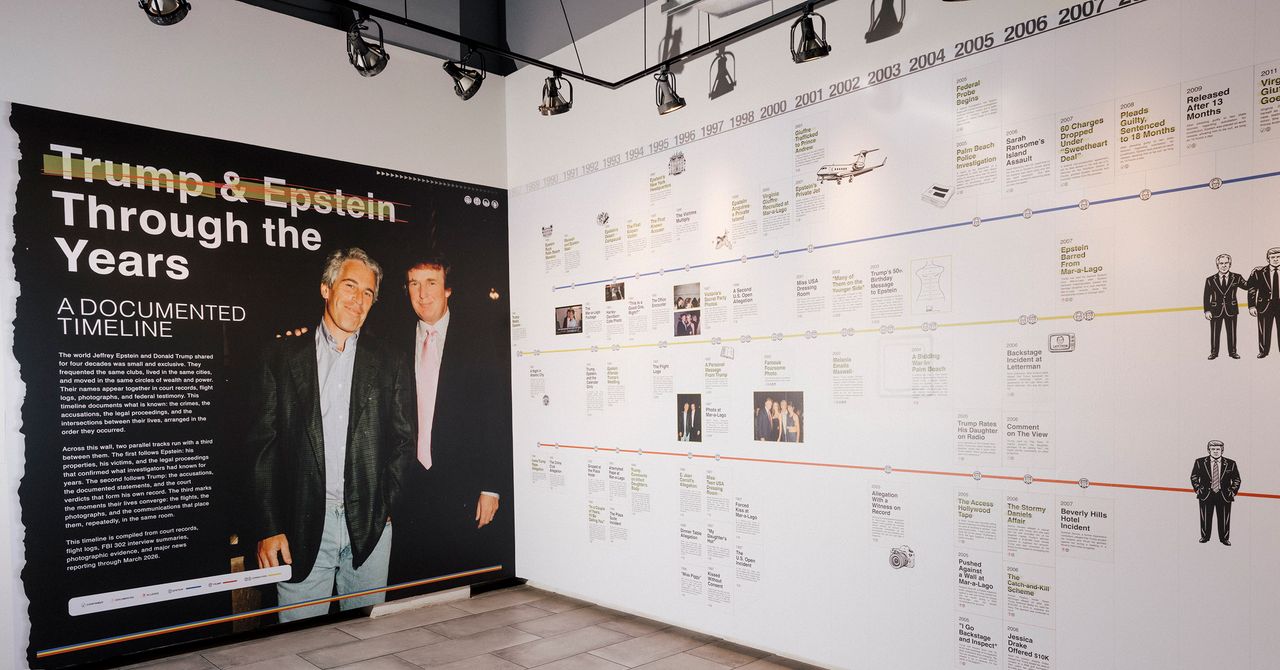
The exchange carries extra resonance when you consider that Epstein is accused of sex trafficking minors, with the Department of Justice estimating that he had more than 1,200 potential victims. But I just happen to flip to it randomly during my recent visit to the newly opened Donald J. Trump and Jeffrey Epstein Memorial Reading Room.
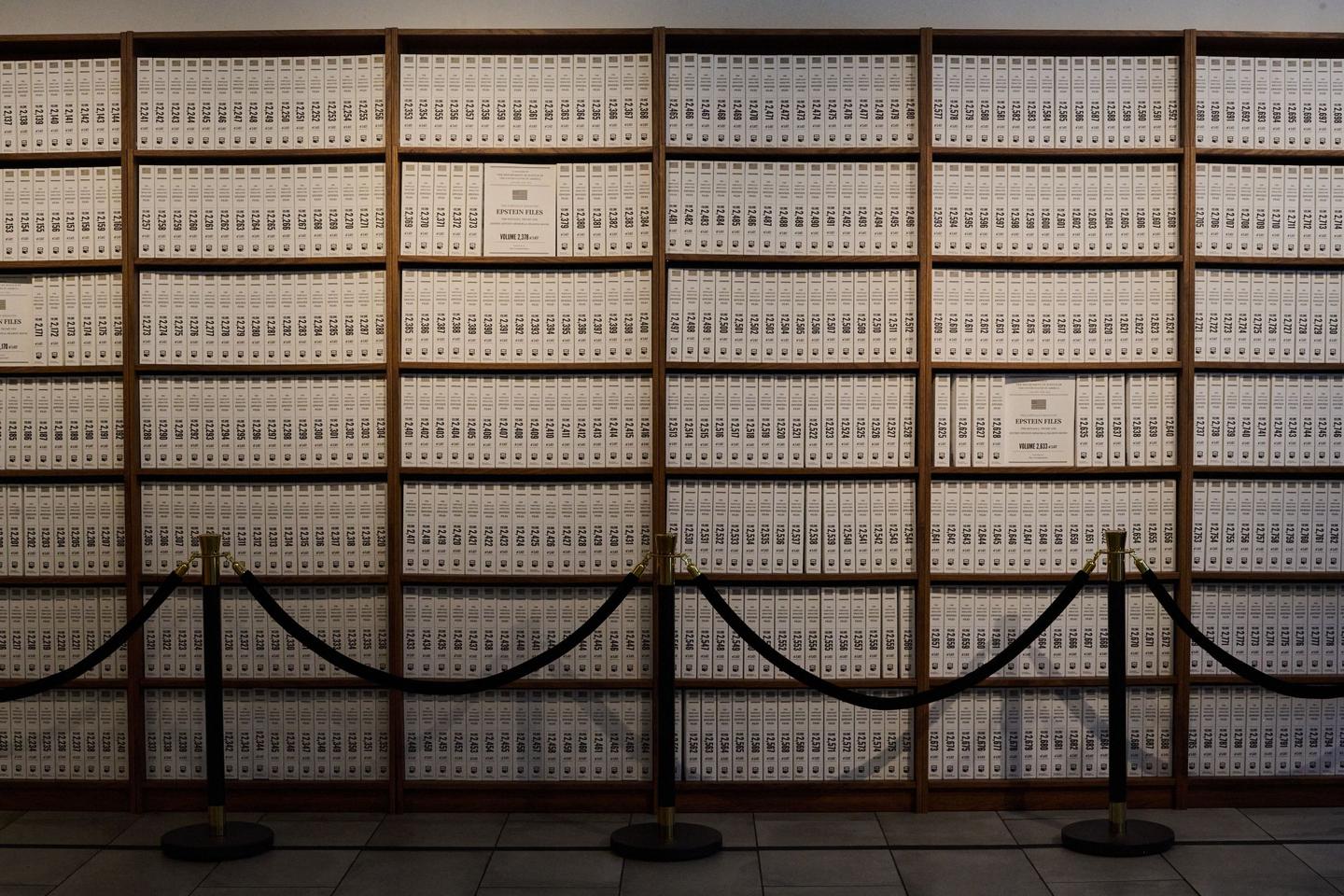
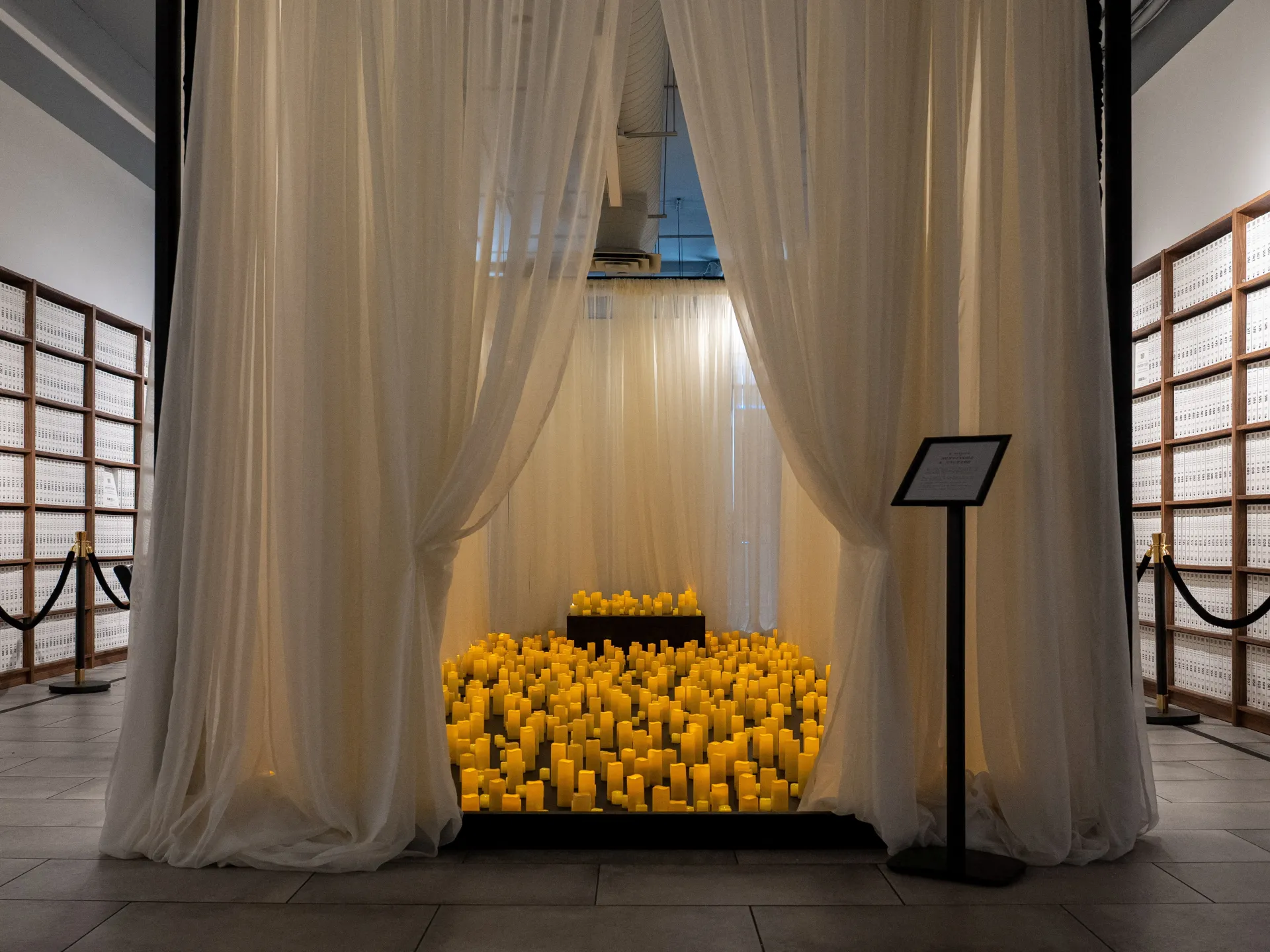
Tucked away in a nondescript gallery in New York City’s Tribeca neighborhood, the reading room is a massive library of all 3.5 million pages of Epstein-related records released by the Department of Justice earlier this year, compiled into more than 3,700 individual volumes. From May 8 to 21, the reading room will be open to the public by appointment only.
The library—essentially, the Epstein files in analog—is intended to represent the staggering scale of Epstein’s crimes, as well as the impunity with which he carried them out. More than 17,000 pounds of evidence is on display at the library, says David Garrett, the main organizer of the exhibit at the Institute for Primary Facts, a nonprofit intended to promote transparency and accountability in the US government.