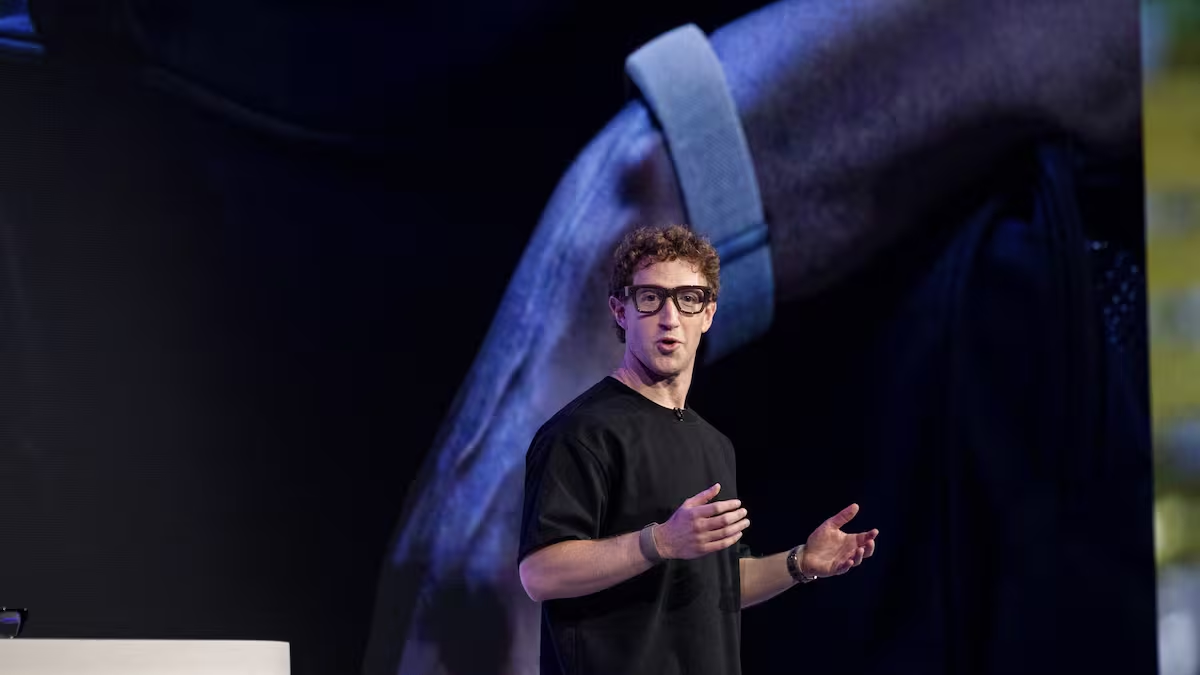
The Facebook logo in Davos, Switzerland, in 2017. File Photo by Gian Ehrenzeller/EPA
May 13 (UPI) -- When Meta announced in January 2025 that it would end third-party fact-checking in the United States and move toward a community notes model, Brazilian authorities demanded clarification about whether the policy would affect their country. The episode offered a timely reminder of something George Orwell could not have foreseen: Some of the most consequential decisions about what millions of people see and believe are now made not by governments, but by corporations whose accountability to democratic publics is limited.
Orwell's 1984 described a brutal political order in which the state controlled public behavior, memory and thought. Rereading him today provokes an uncomfortable question: What happens when control no longer arrives through a visible dictatorship, but through technologies people willingly use every day?
The question is especially relevant for Latin America. In the region, democratic institutions often coexist with mistrust and weak civic education. Digital power can deepen old vulnerabilities and create new forms of dependence that are hard to see because they arrive under the language of freedom and convenience.