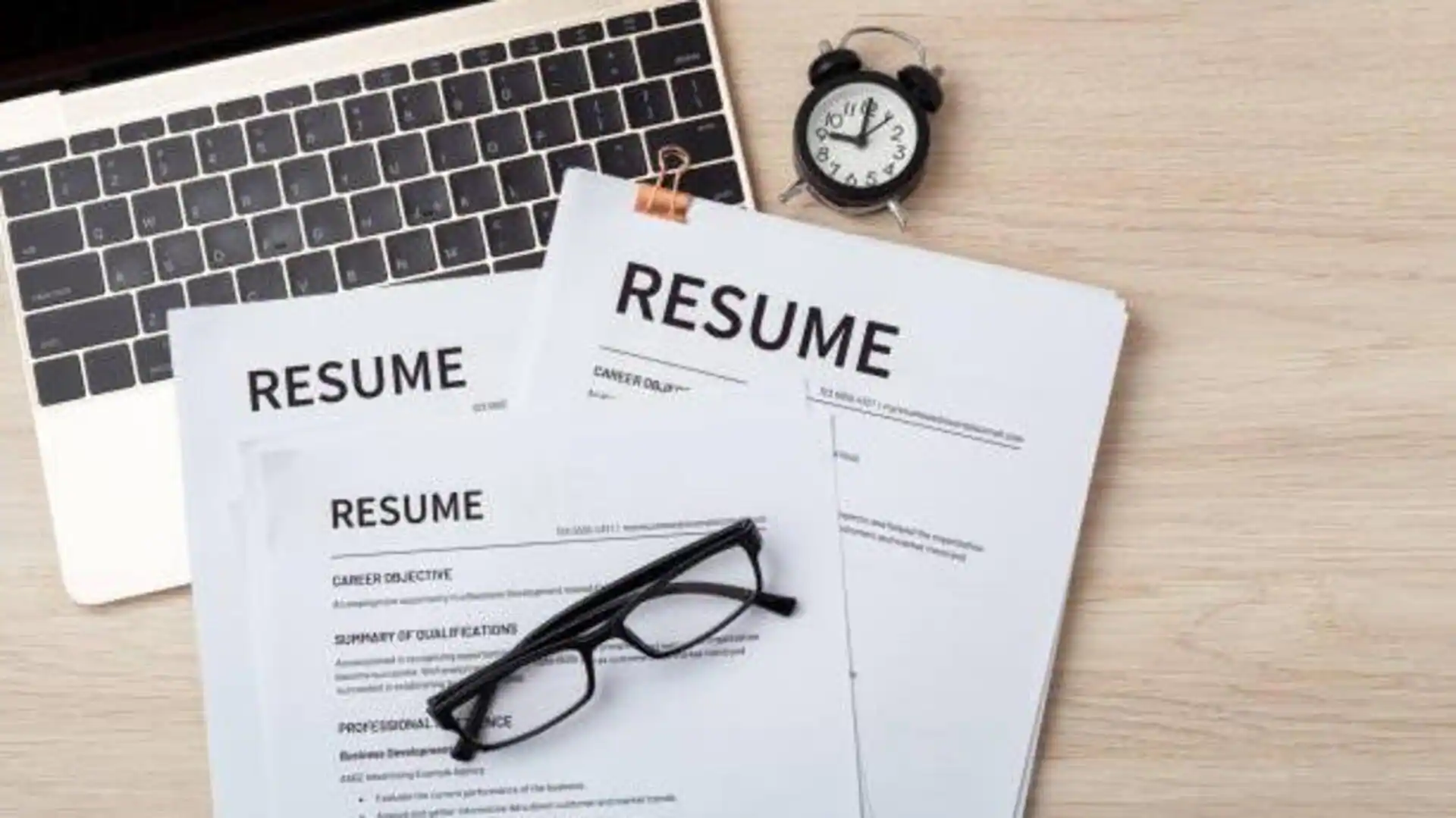
gettyBefore we get into this week’s newsletter I’d like to formally introduce myself. My name is Courtney Connley-Hampton, and I’m excited to be Forbes’ new careers staff writer and the person who will lead this newsletter each week.I recognize that I’m stepping into this role at a fascinating—and frankly complicated—moment in the world of work. From ongoing layoffs and rising AI anxiety, to post-graduation blues, return-to-office tensions, and shifting expectations around what a “career” even looks like, there’s a lot happening all at once.I’m excited to help make sense of it all by bringing compelling stories, insights, and practical advice that will help you navigate a rapidly changing job market. I look forward to being in your inbox each week. Now, on to this week’s topic:11.2 seconds. That’s the average initial time hiring managers and recruiters spend on a resume, according to AI-powered interview platform InterviewPal.While this number varies by company, the reality is that in today’s world, the decision to move a candidate forward is sometimes shaped by AI tools that filter applications before a human even sees them. Therefore, one small mistake or missed opportunity can easily cost a candidate the chance to advance. I spoke to recruiters and workplace experts about what they look for in those first few seconds of scanning your resume—and how you can increase your chances of moving to the next round. Here are some of their takeaways:Alignment With a Job’s Requirements: Emphasize in the first few bullet points on your resume how you meet at least 80% of the job’s qualifications. Measurable Impact: Avoid vague descriptions like, “responsible for…” and actually outline with concrete numbers and metrics the impact you’ve had in past roles. Keywords That Match the Role: Use AI to help keyword match your resume with the job description to ensure it moves past any resume screening machines. Originality: Avoid submitting a cookie-cutter, AI-generated resume. Be sure to customize your document to include your personal accomplishments and experiences. Read here to learn more about how you can make your resume stand out in 11 seconds or less. This is a published version of Forbes’ Careers newsletter. Click here to subscribe and get it in your inbox every Tuesday. WORK SMARTER Practical insights and advice from Forbes staff and contributors to help you succeed in your job, accelerate your career and lead smarter.Feeling overwhelmed at work? For many, saying “no” is a hard thing to do. Learn how to protect your time and energy with useful phrases and strategies from business professor Julie Kratz.Speaking of time and energy, more workers are treating time like capital to allocate, protect and optimize. Learn about the forces driving this trend from careers writer Jasmine Browley.Want to be a better manager? Discover the five habits—including investing time in one-on-ones—that separate great managers from the rest, according to executive coach Caroline Castrillon.Graduation season is upon us. Check out LinkedIn’s list of fast-growing and high-paying jobs for new college graduates, with key takeaways from career expert Bryan Robinson.Deep Dive: Where Jobs Are Growing—And Shrinking—In Today’s EconomyGetty ImagesIn April, the U.S. labor market added 115,000 nonfarm payroll jobs to the economy, marking the first time in a year that job gains were posted for two consecutive months, according to the Bureau of Labor Statistics.On the surface, the job market appears to be showing resilience amid trade wars, military wars, and concerns about AI displacing workers. But in my conversation with Cory Stahle, senior economist at Indeed, he makes it clear that there’s a more concerning picture emerging beneath the headlines.“There are several different things we need to look at,” he says. From people remaining unemployed for longer periods of time, to a growing number of people becoming frustrated and saying, “I’m not even going to bother trying to find a job,” Stahle says there are many pain points in today’s job market.“And then the other real weakness, which kind of looks like a strength, but I think it’s actually a little bit of a weakness, is the concentration that we’ve seen in health care jobs,” he says.Last month, health care saw the largest job gains with 37,000 jobs added. Meanwhile, industries like the federal government, finance and information saw the biggest job losses.Stahle explains that placing too much emphasis on health care growth is dangerous, because if you take it out of the equation, the U.S. economy is actually losing more jobs than it is gaining. In fact, data from employment services firm Challenger, Gray & Christmas shows that U.S.-based employers announced 83,387 job cuts in April, marking the third-highest number of monthly cuts since the end of the Great Recession in 2009.Focusing too much on growth in one sector, Stahle says, only masks how professionals in other industries are faring amid job cuts. It also masks how different demographics, particularly new grads, are being hurt by job market instability.Read here to learn more about which industries are seeing the biggest job losses and gains in today’s economy, and how Stahle says job seekers can weather this storm.TOUCH BASENews from the world of work. The share of American men in the labor force recently hit a record low, with 1 in 3 men not working or looking for a job in April, according to Labor Department data. The only time this number has been lower was during the first two months of the Covid-19 pandemic in 2020. This participation dip is largely attributed to baby boomer retirees, young men dropping out of the workforce to extend their studies, and a weakened job market with fewer opportunities, the Washington Post reports. During a time when the idea of job security seems to be obsolete, more young professionals are turning to “income stacking” to ensure they still maintain financial security, CNBC reports. According to a 2025 survey by Fiverr, the share of people working multiple jobs is on the rise, with more than 60% of Gen Z respondents in the U.S. agreeing that having multiple income streams is essential in today’s economy.
How To Write Your Resume So Job Recruiters Notice It Quickly
This week’s careers newsletter covers how much time recruiters spend on your resume, and how to impress them in seconds. Plus, where jobs are growing and shrinking.
1,002 words~5 min read