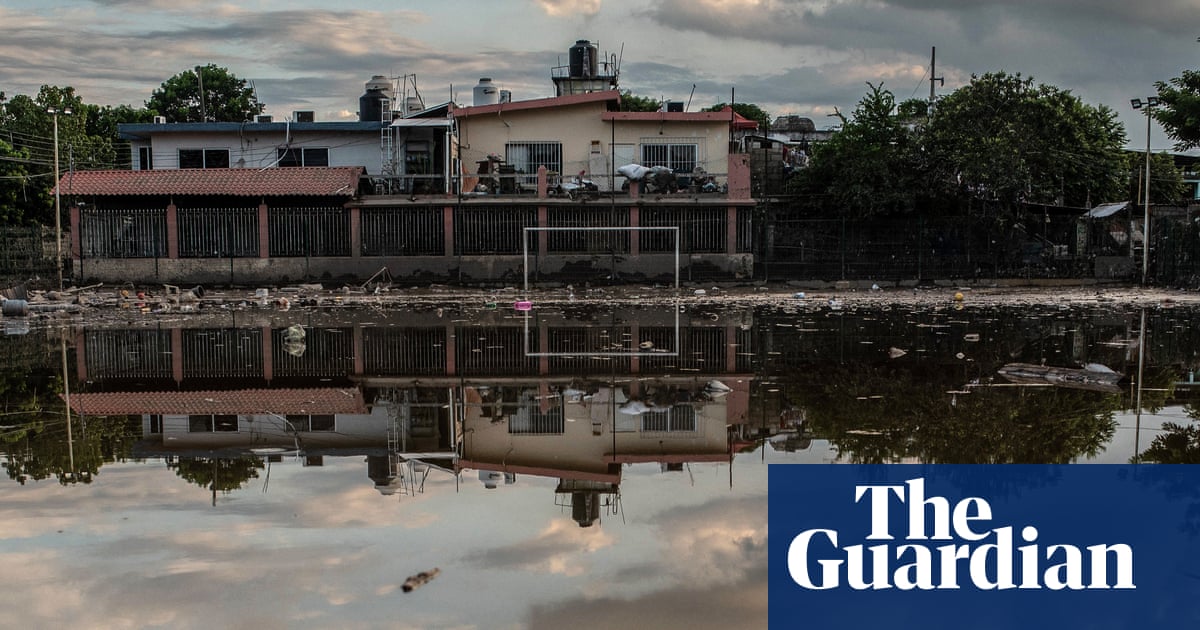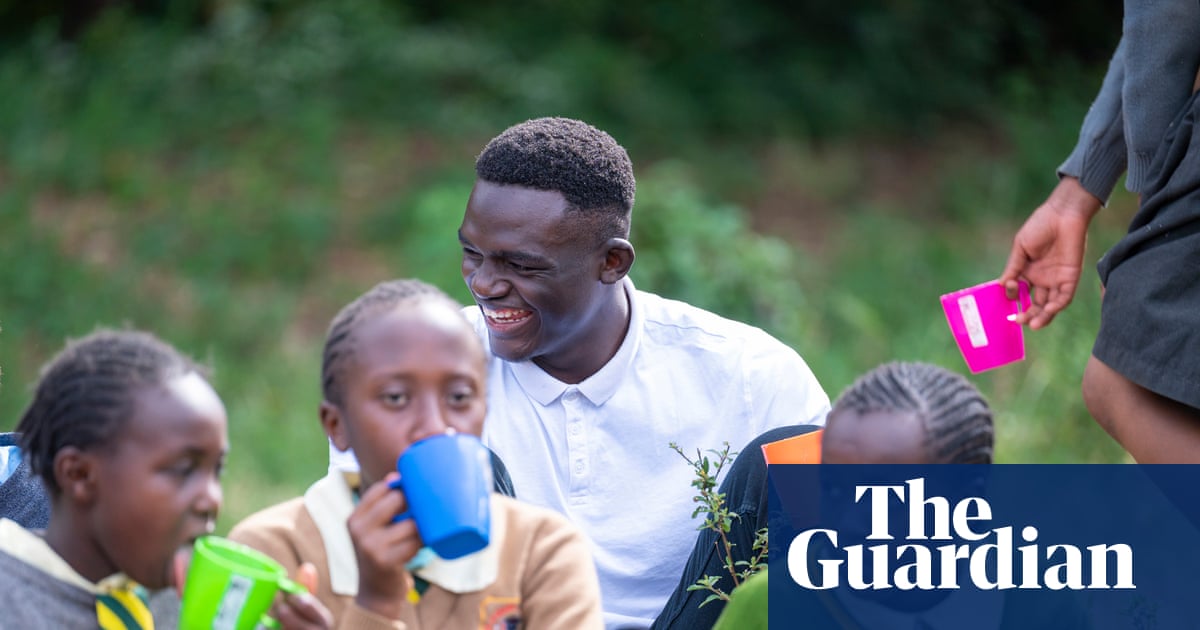
The Kenyan player has been recognised for his advocacy and grassroots work to tackle sport’s carbon footprint
“M
ost well-known people who talk about climate change are in North America and Europe,” says Kenyan rugby sevens star Kevin Wekesa, “but for us this is a very relevant conversation. It is not only about future tournaments or big international pledges. In Kenya, we see the effects in rising heat, cracked pitches and changing weather in communities where young athletes are growing up.”
A year before competing in his first Olympic Games at Paris 2024, Wekesa responded to Kenya’s relegation from the top tier of international sevens by offering free rugby coaching in schools across Kenya. After travelling to a school in Kirinyaga on the slopes of Mount Kenya, a wet and verdant region, Wekesa found an unplayable dry field and was forced to cancel the session. One of the students told Wekesa that conditions had been similar for two months, while another suggested the unfamiliar weather was because of climate change.
“I thought to myself, if it’s already affecting this level of sport, what about at the highest level?” That same year, he founded Play Green, an organisation that connects sport with climate action. Wekesa went on to win a 2025 IOC Climate Action Award, recognised his success with Play Green, including leading the Kenyan men’s and women’s national sevens teams to use reusable water bottles, saving approximately 1,000 plastic bottles every week.