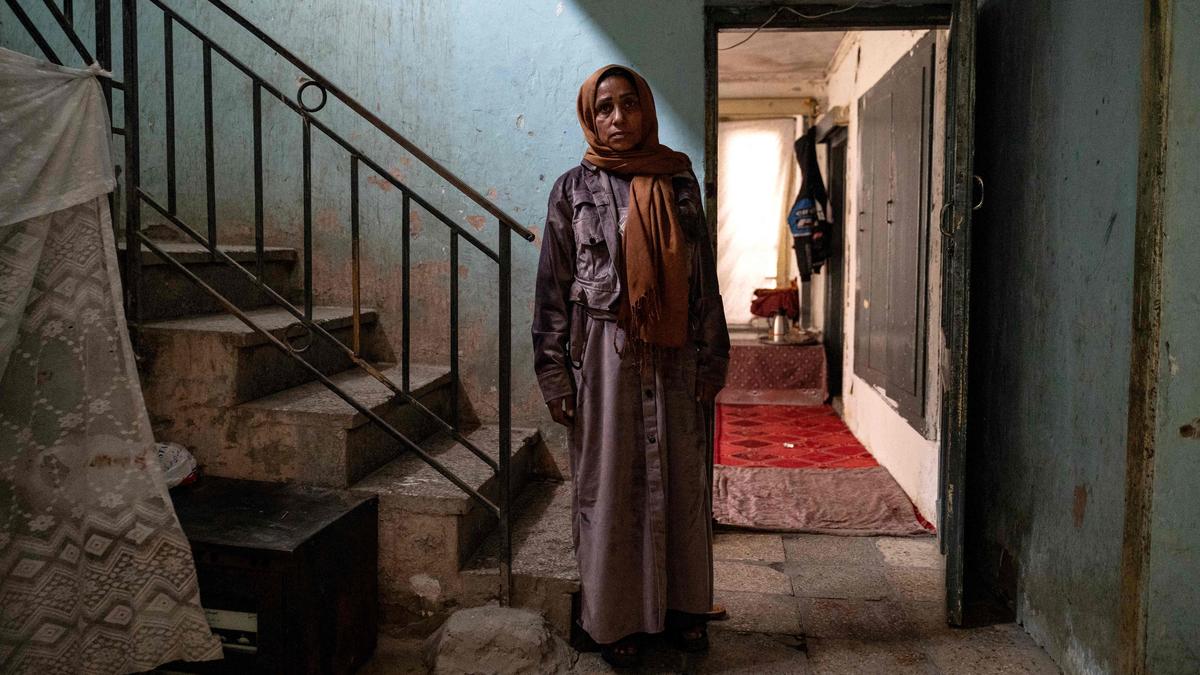
On a rainy, cold morning Masooda makes her way to a hillside cemetery in north-west Kabul to visit the grave of her younger brother Mirwais.
But she doesn't know exactly where he was buried after he was killed in a Pakistani airstrike two months ago.
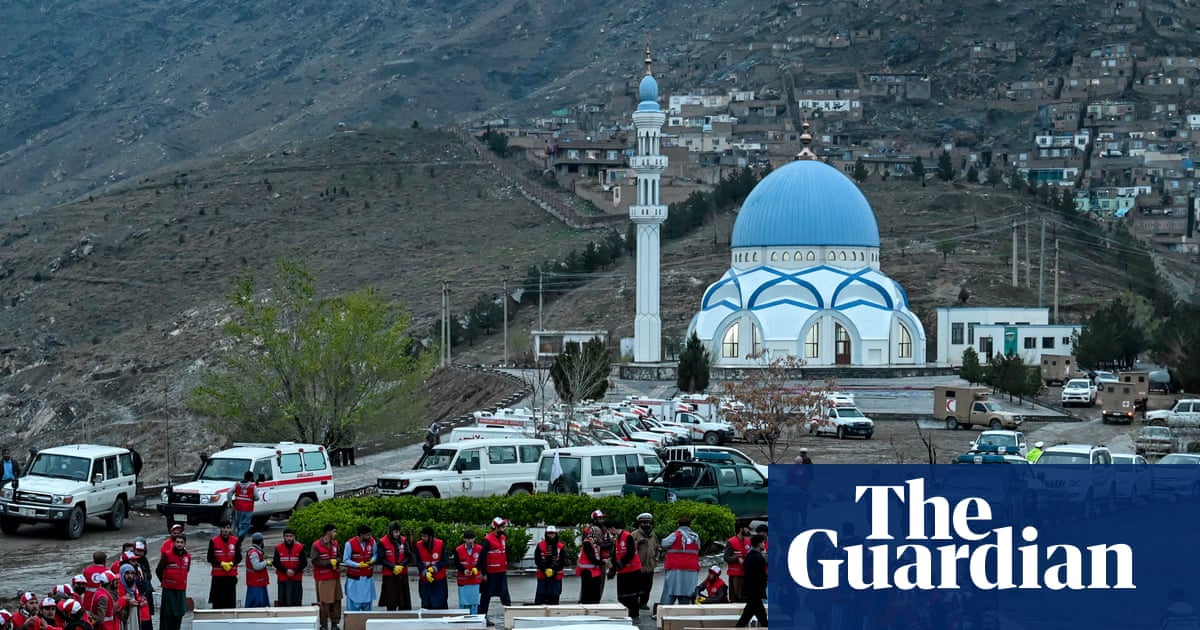
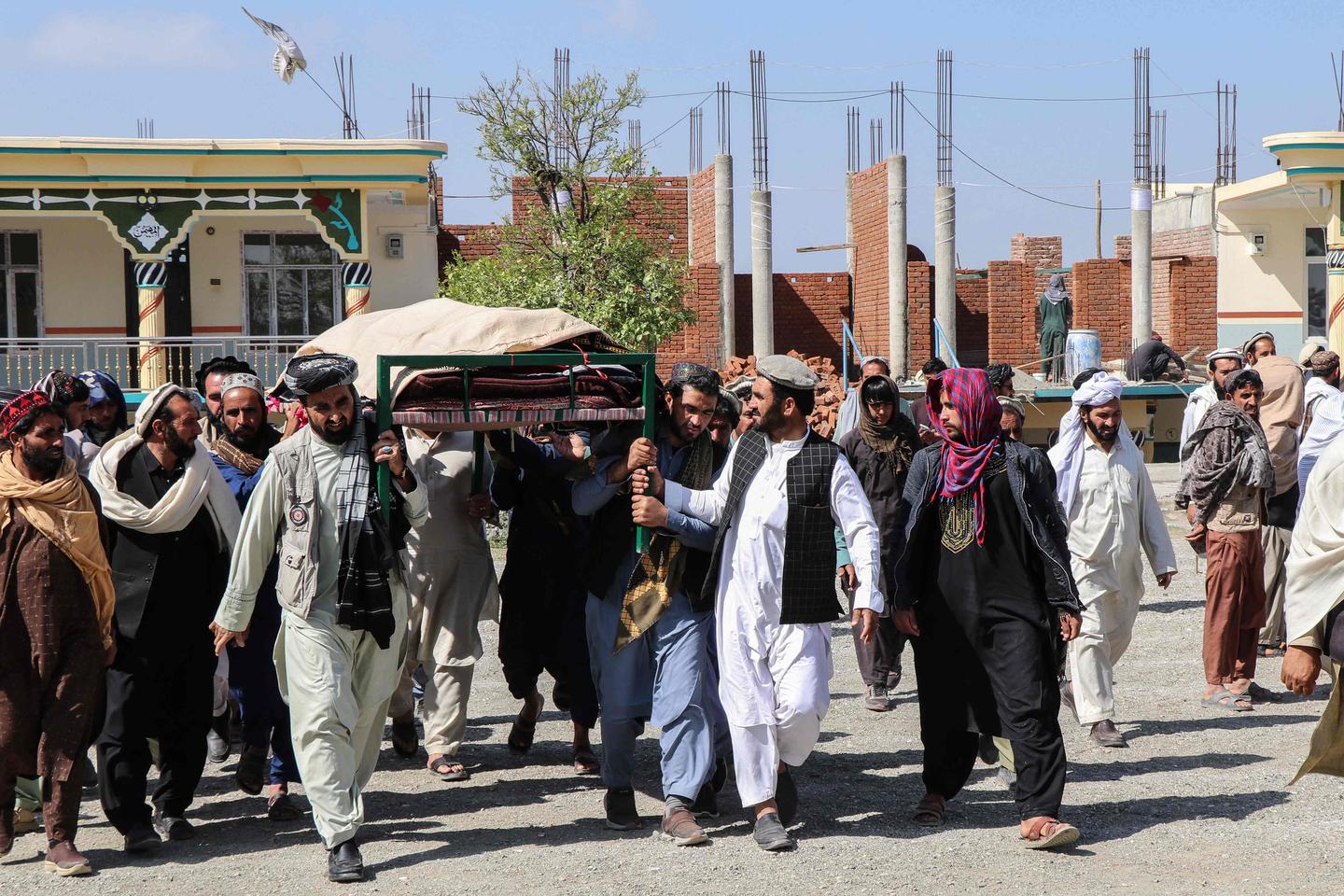
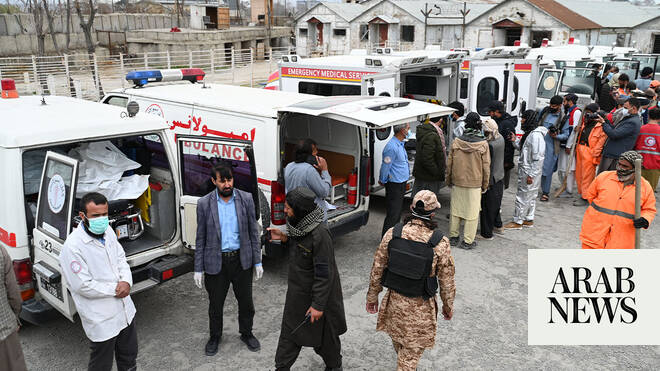
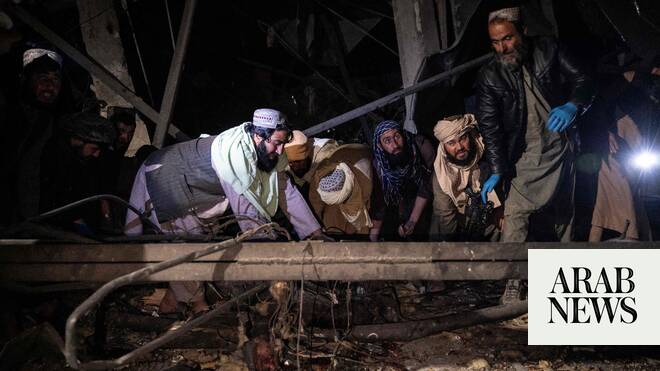
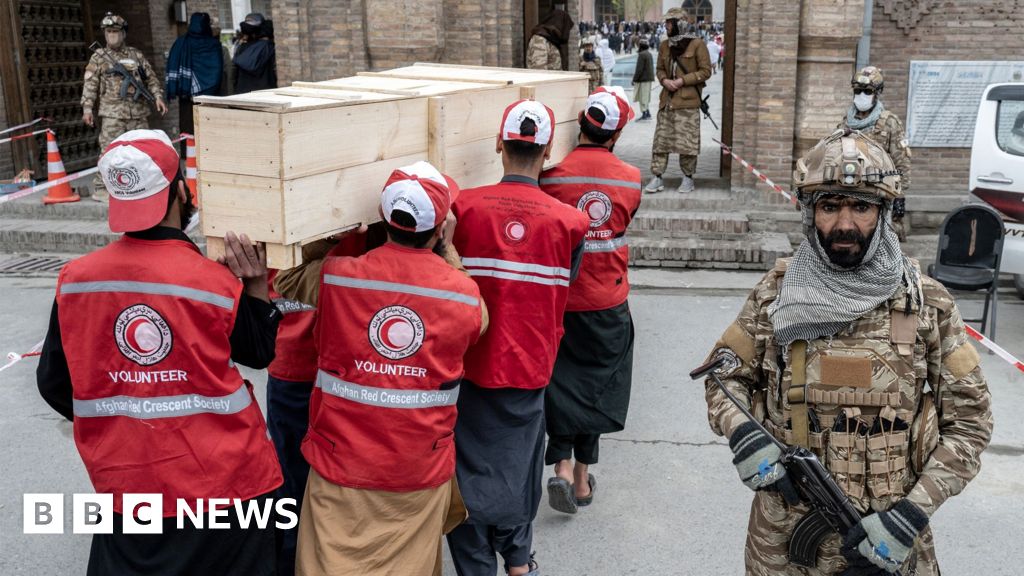
Instead, she stands at the edge of a mass grave, neatly covered with tiny white stones and roughly marked with grey granite slabs, which is the final resting place of some of the at least 269 people killed in the attack on a drug rehabilitation centre.
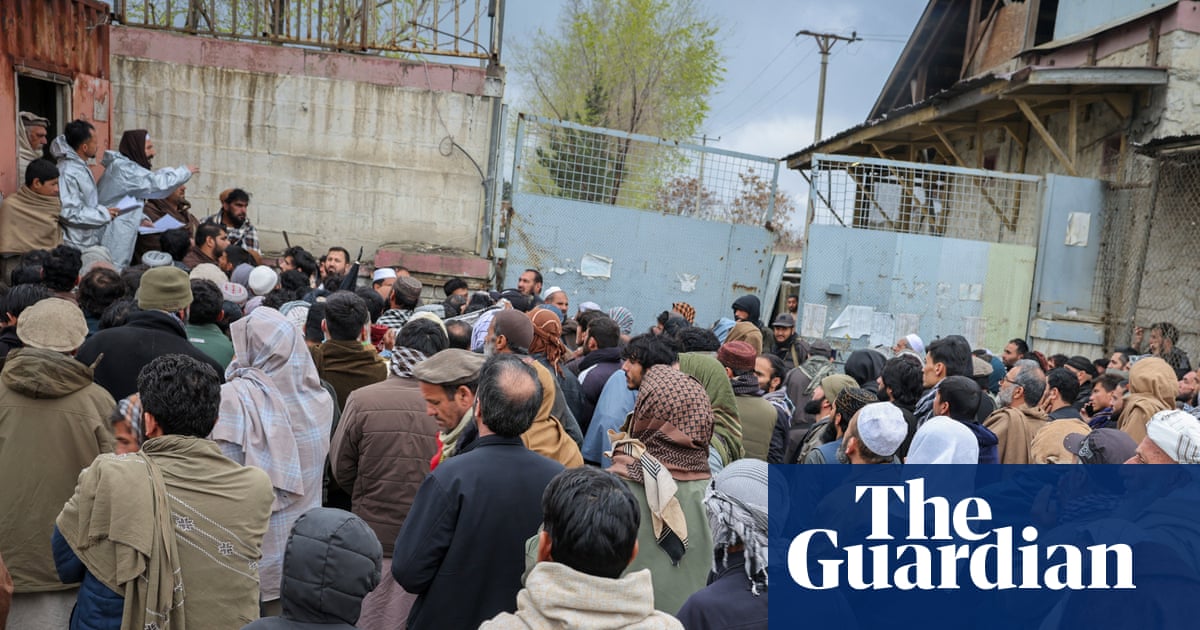
Exactly how many are in the grave is impossible to say: like Mirwais, who was 24, many were barely identifiable – reduced to body parts or burned beyond recognition.
"My brother's body was in pieces. There was barely anything left of him to give us," says Masooda, 27, breaking down as she speaks. "They just found his torso. I identified it through a birthmark he had."