The last survivors of the blitz share their stories to mark 85 years since it ended. It is a hugely moving film that is all too relevant today – but what a privilege it is to witness
O
ver the decades since the second world war, the “blitz spirit” has been in danger of becoming a slightly trite article of national faith. Most recently invoked during the Covid-19 pandemic, it is used to imply a uniquely British pluck; the notion of stoicism as a resource that the UK can always call upon in times of adversity.
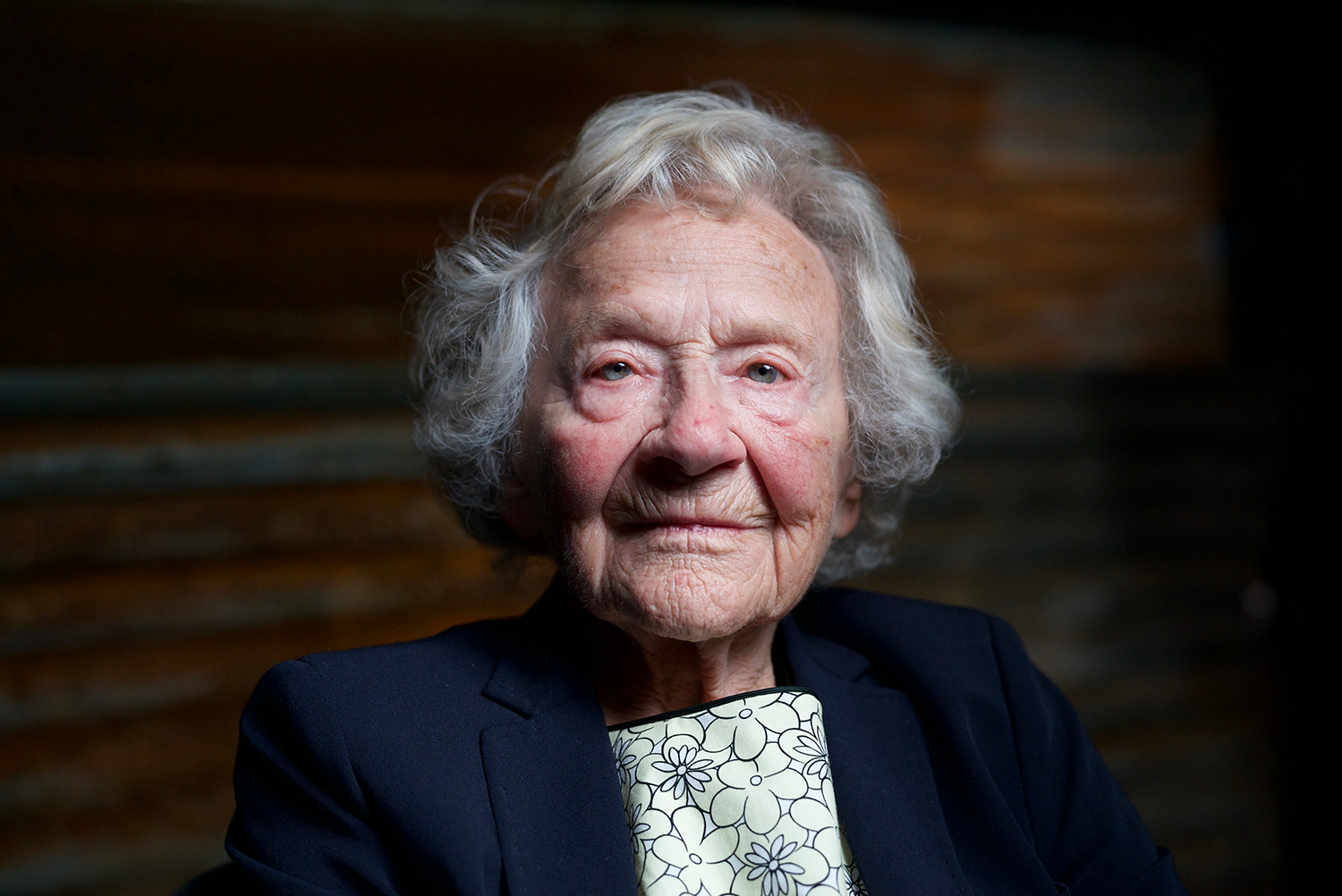
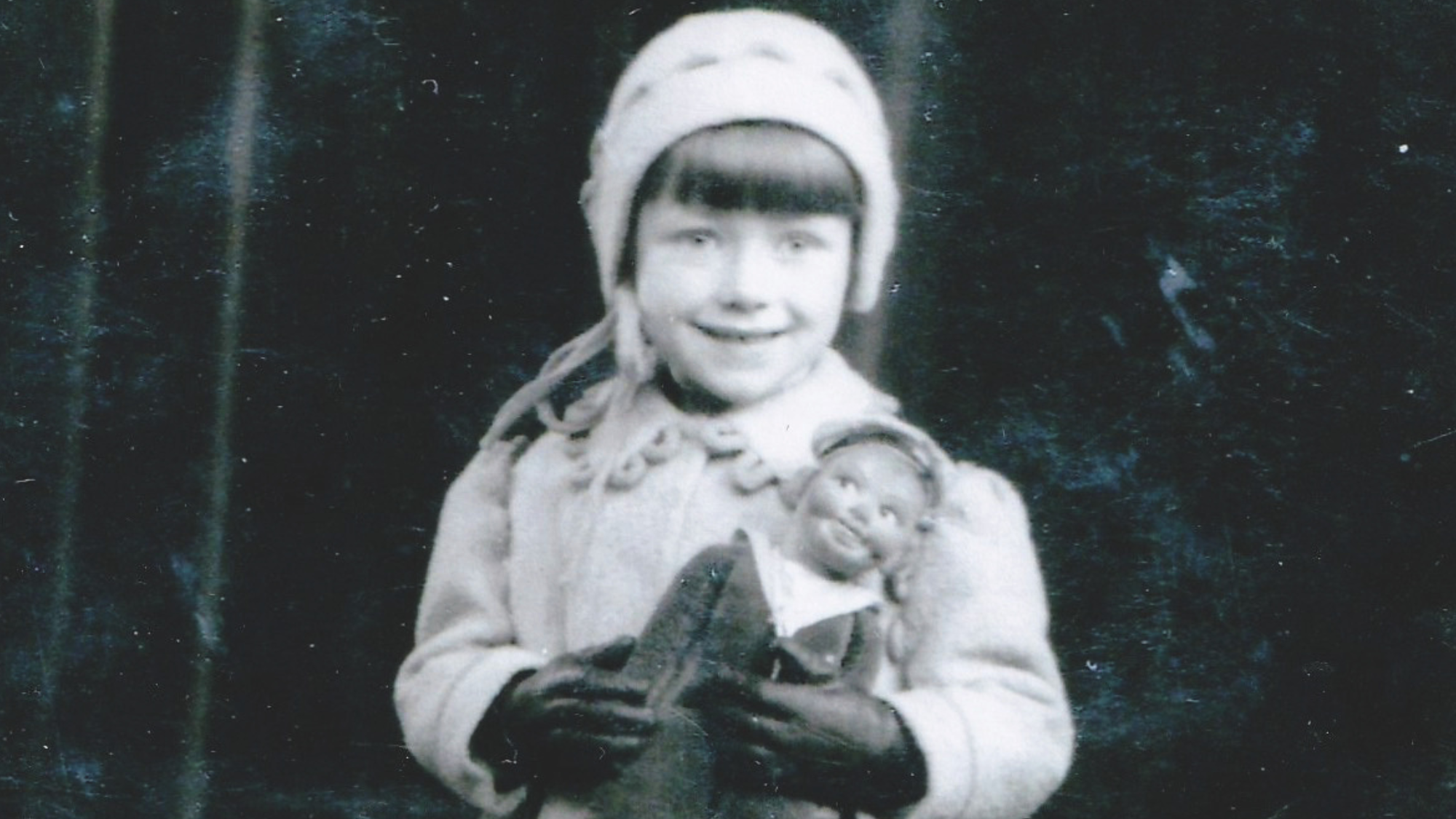
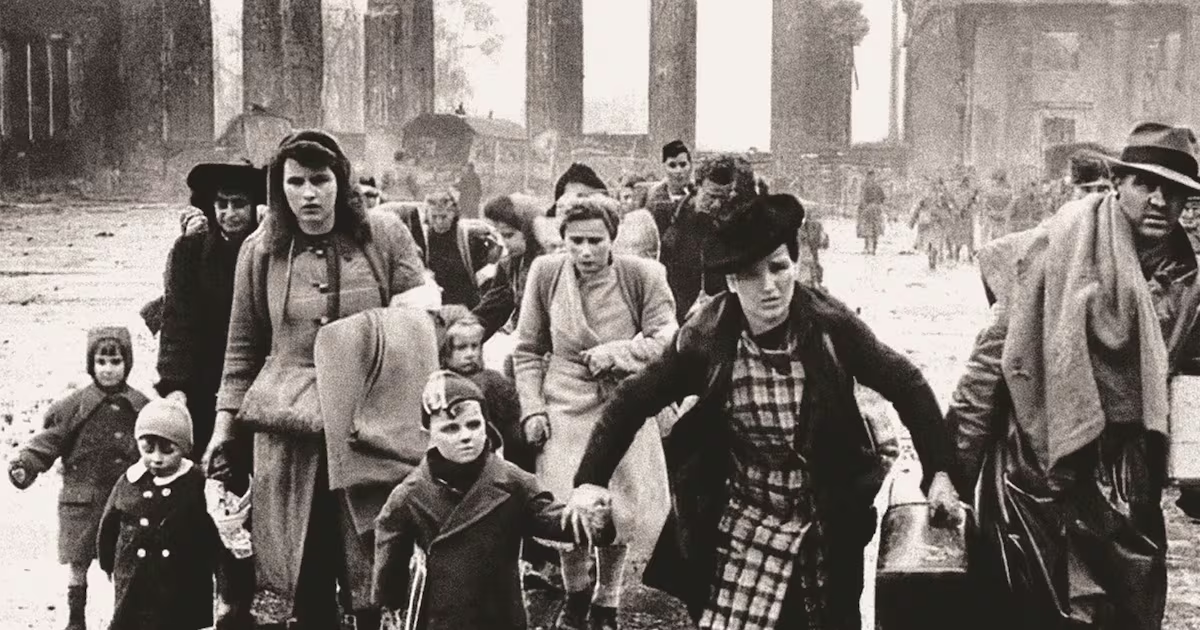
Inevitably, the “blitz spirit” is a phrase most commonly used by people who don’t remember the blitz. This is partly because anyone who can remember the blitz is now at least in their late 80s. But it’s also because, as a lived experience, the blitz was clearly not something that lent itself to sentimental homilies. This wonderful, moving film is, for both of those reasons, a hugely important piece of social history. The voices of these witnesses to the Luftwaffe’s “lightning war” are variously lyrical, wistful, resolute and deeply regretful. We see them as they play with grandchildren, visit old haunts, attend yoga classes. Their wartime experiences are clearly a backdrop to their lives but very present all the same. They are offered up not quite as a corrective to national myths, but certainly with a harder edge than is customary; as a sobering reminder that to evoke the blitz is to evoke deep trauma.