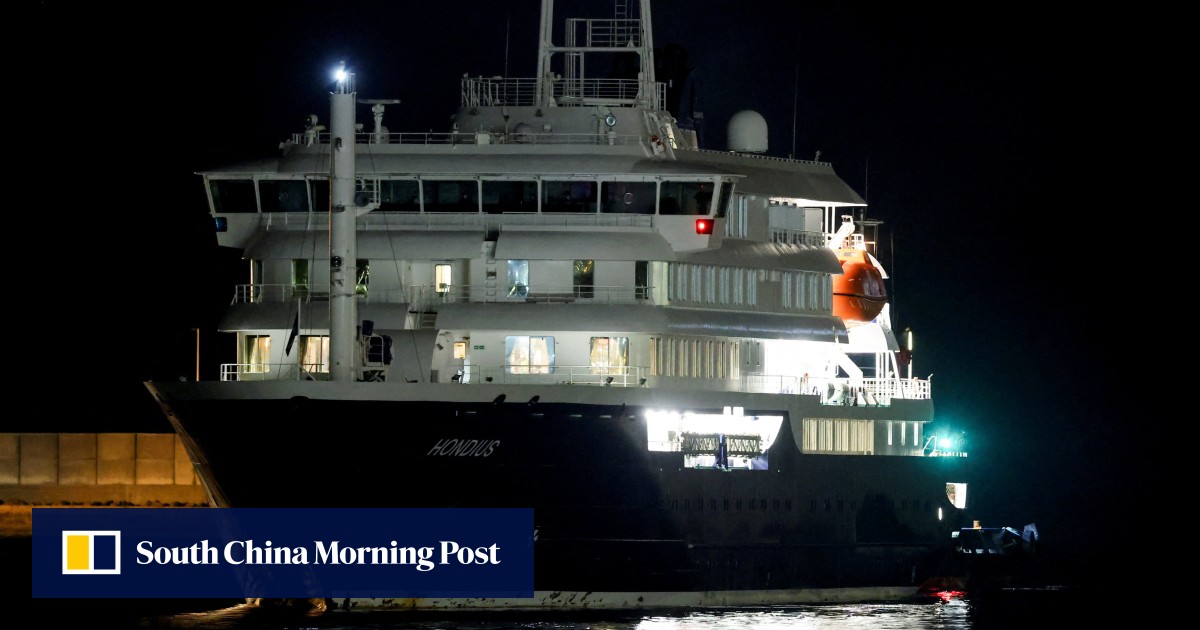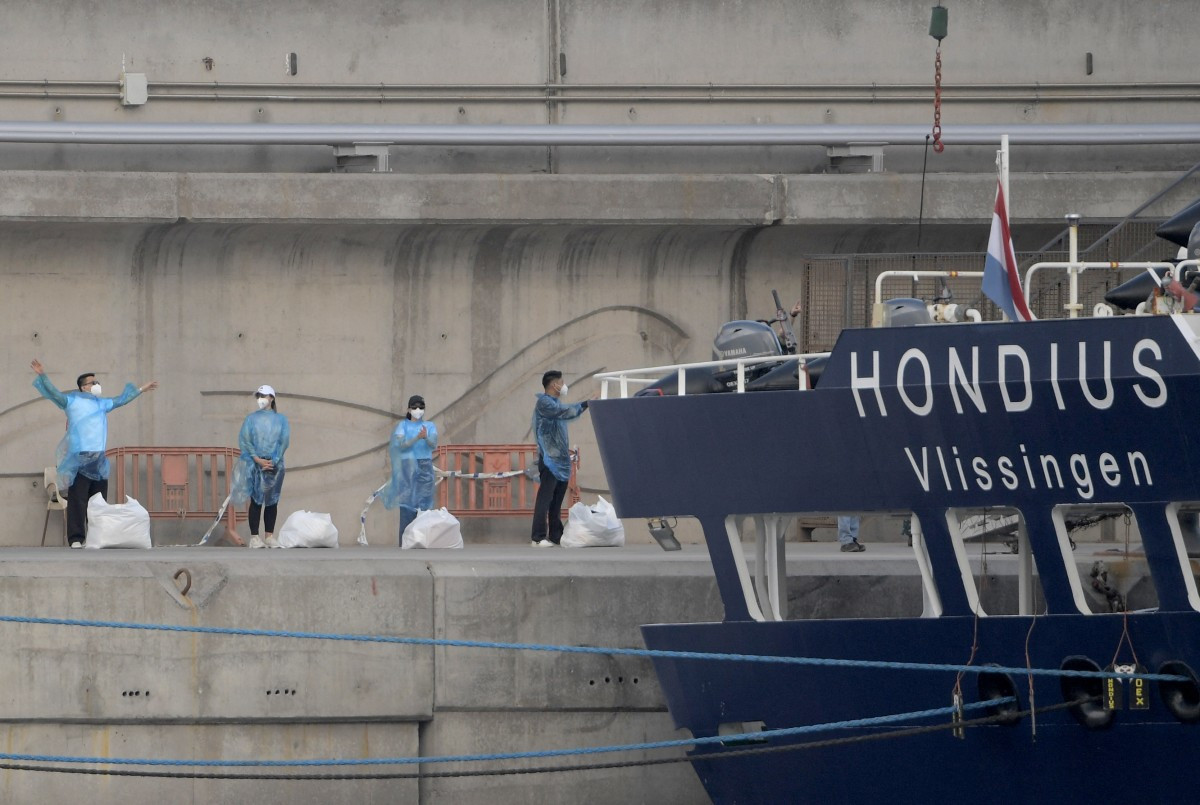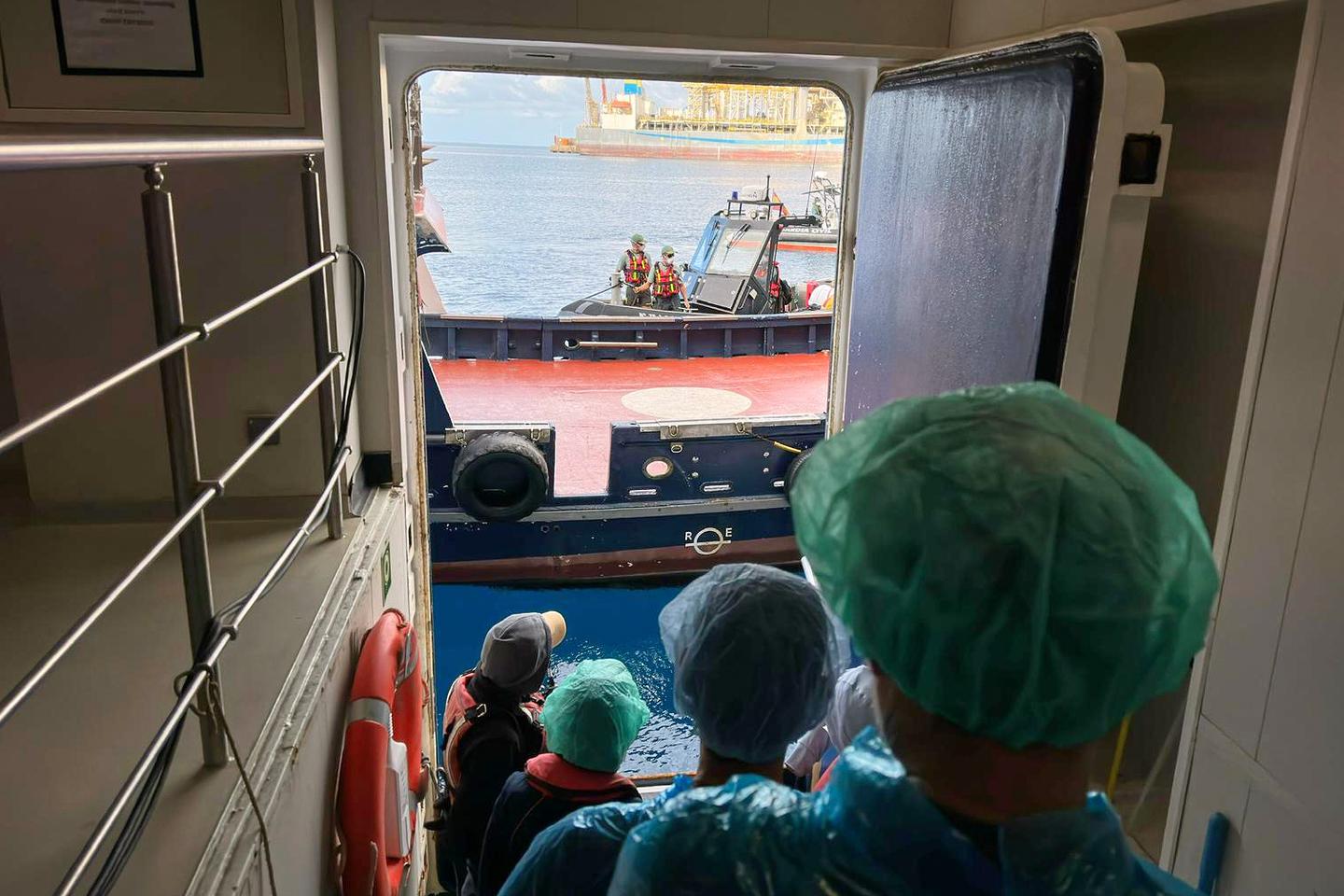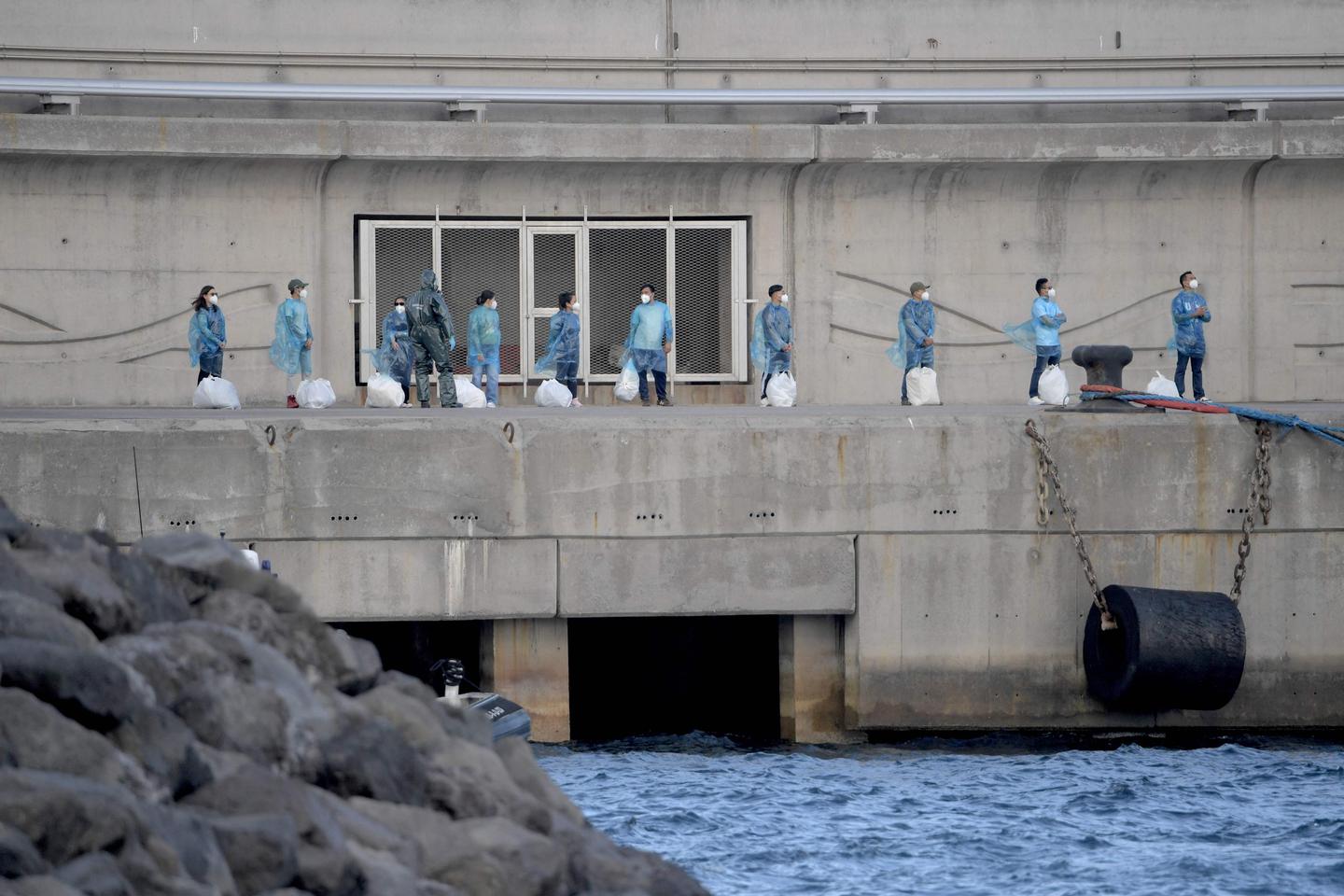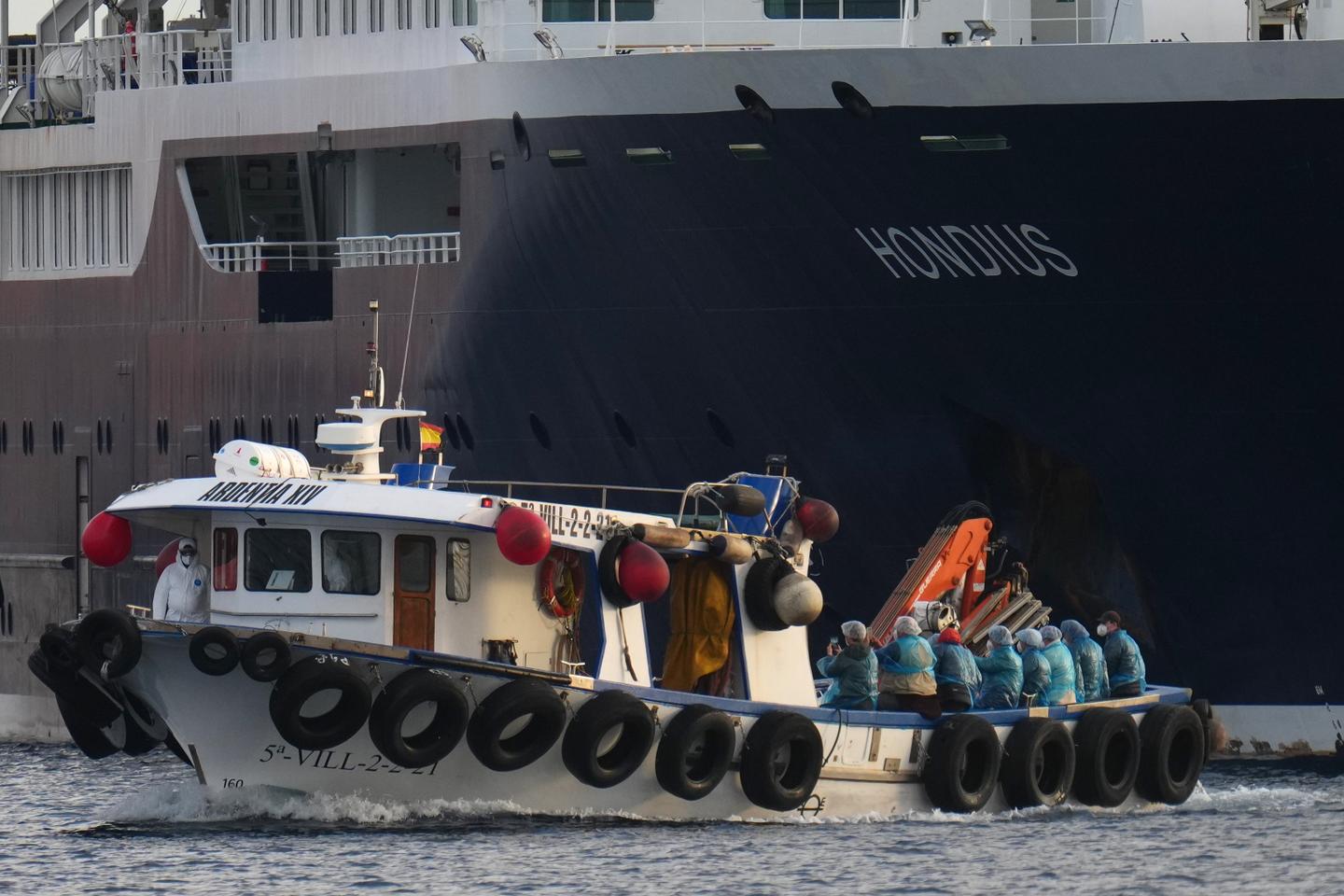
Passengers disembark from the MV Hondius at the port of Granadilla in Tenerife, Canary Islands (Spain), May 10, 2026. MANU FERNANDEZ/AP
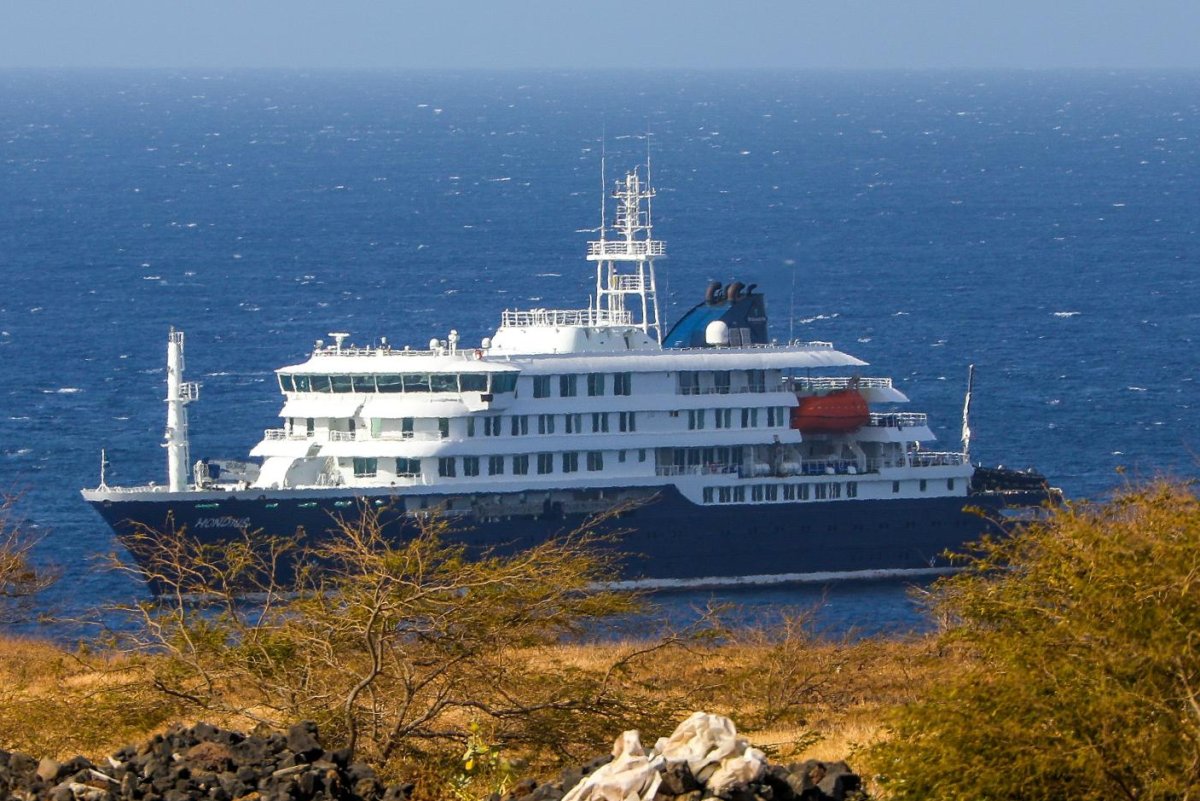
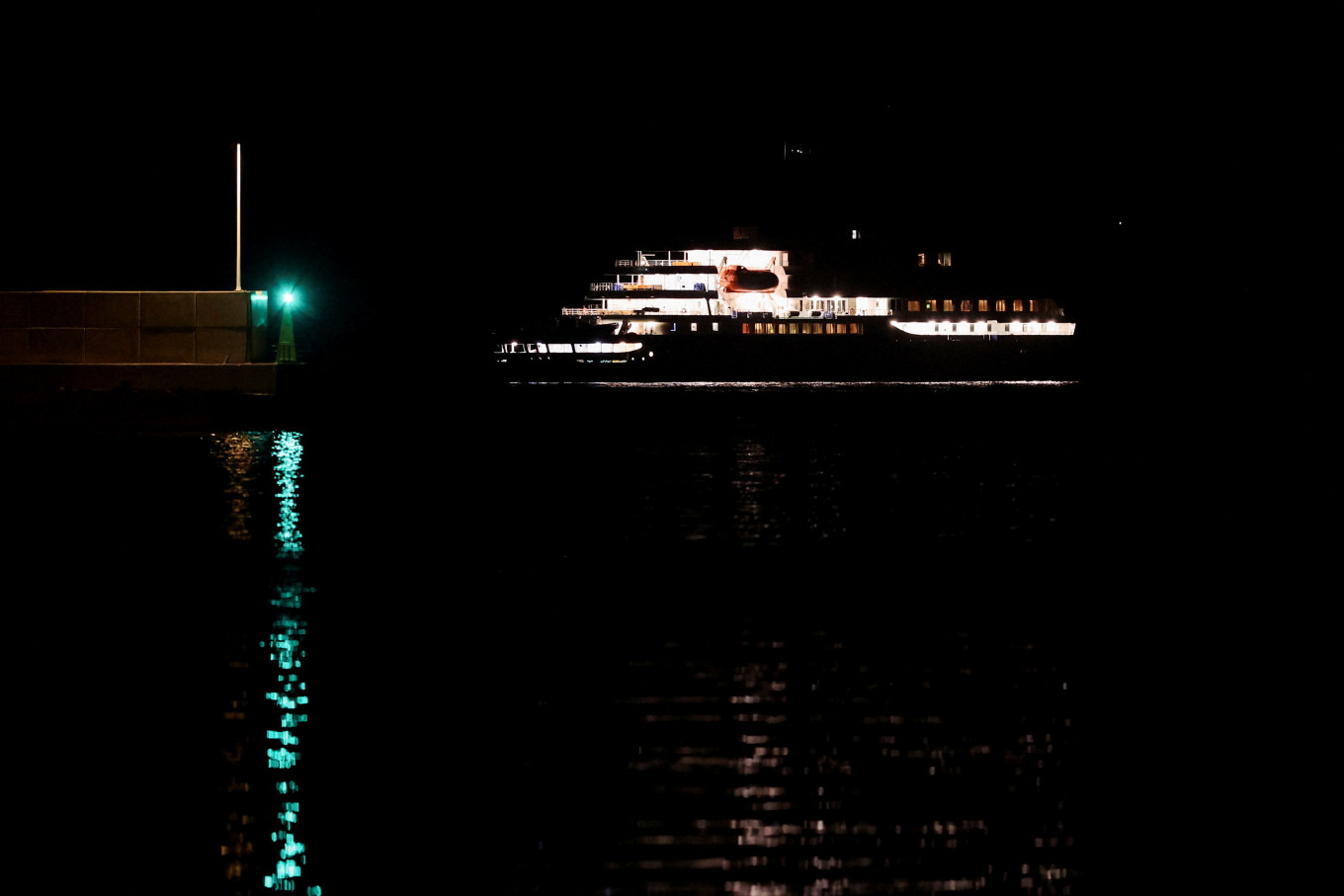
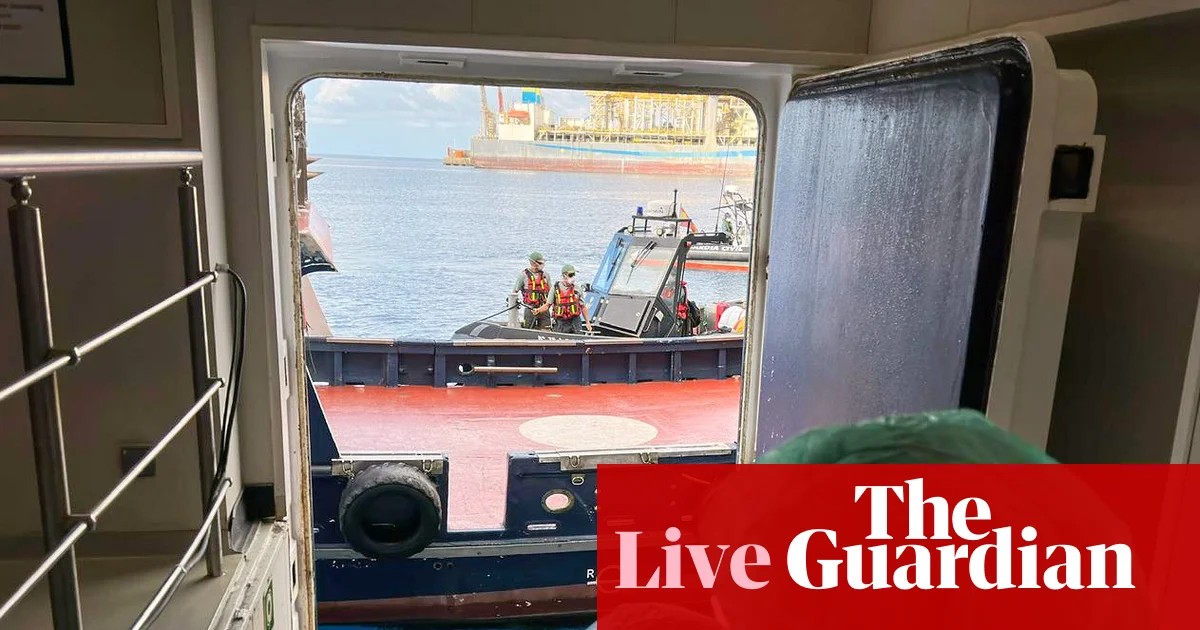
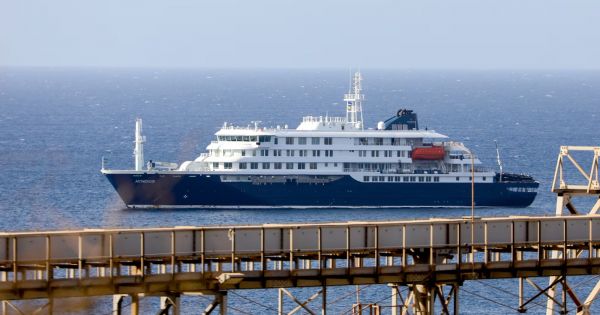
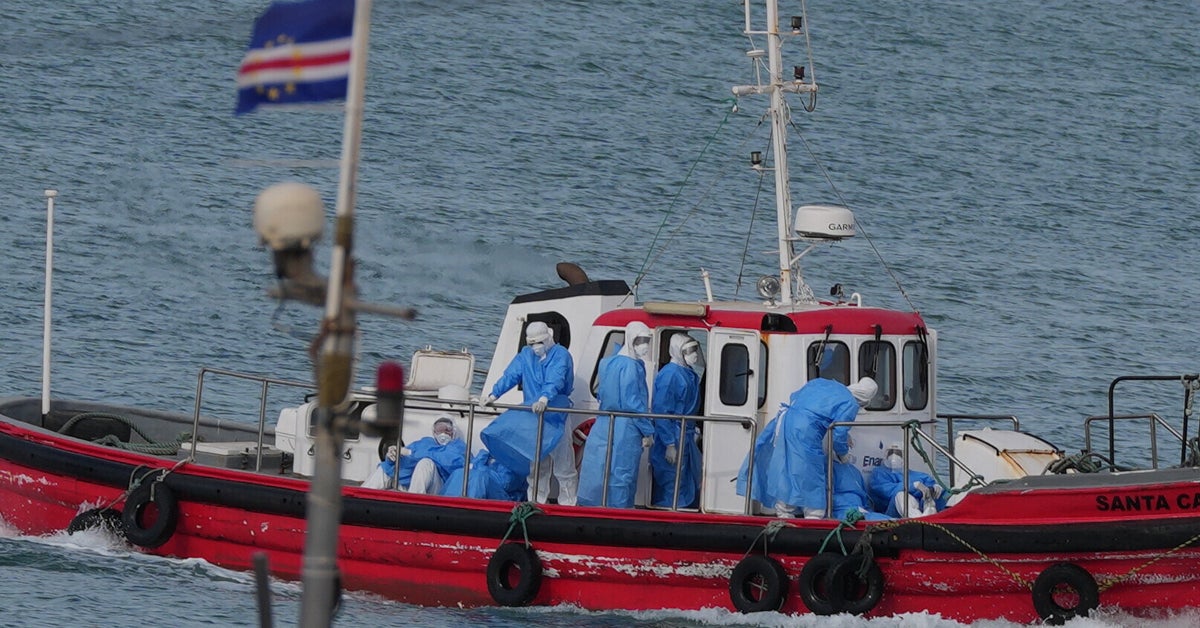
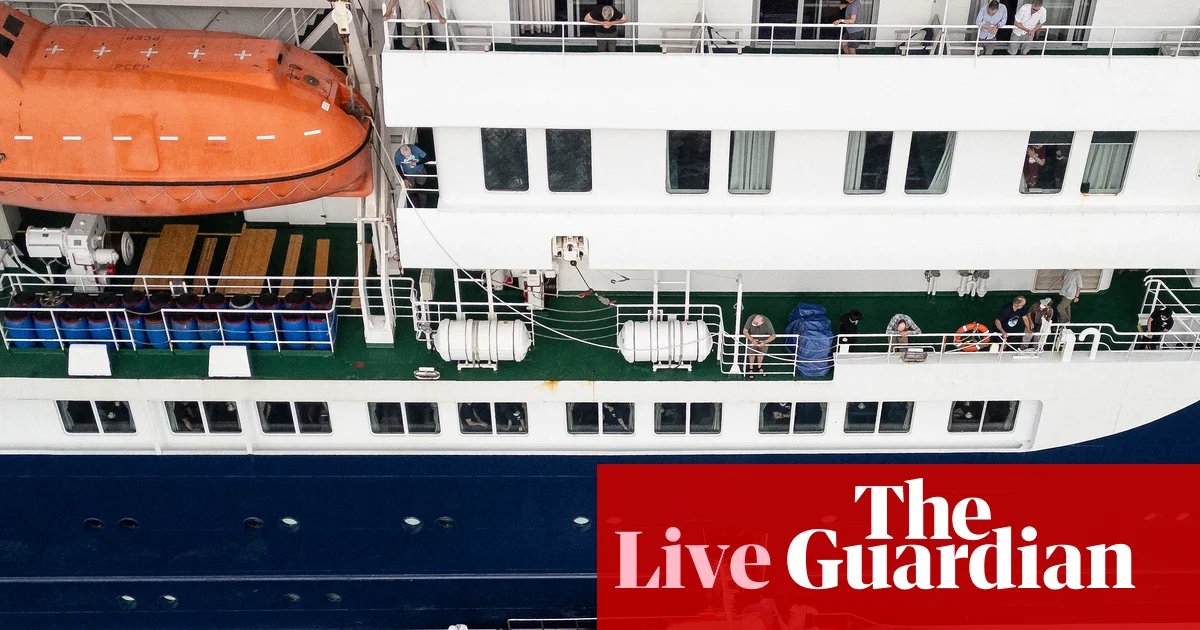
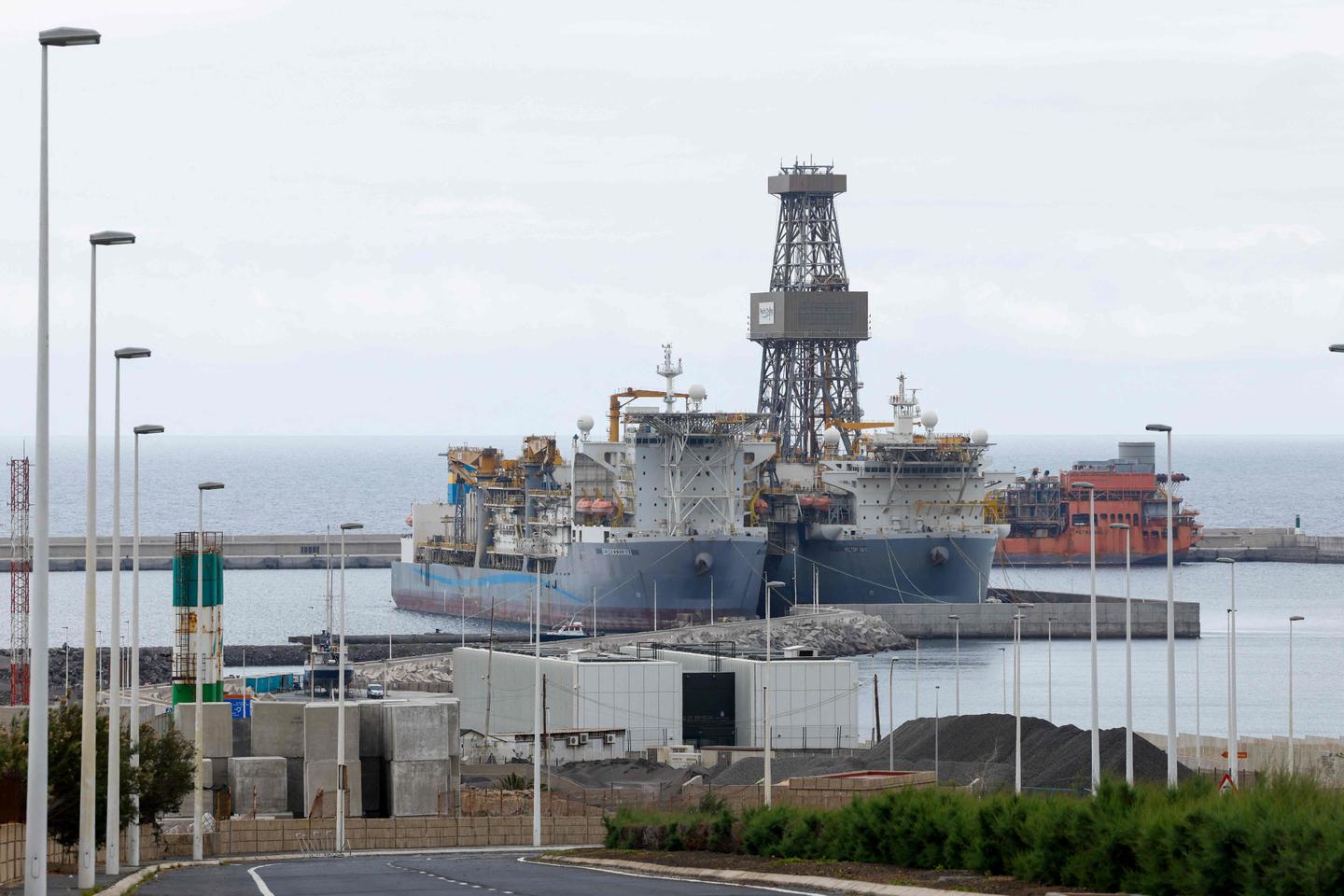
In the pre-dawn darkness, just after 6 am local time (7 am in Paris), on Sunday, May 10, the MV Hondius appeared off the industrial port of Granadilla in southern Tenerife, Canary Islands. After a three-day voyage from Cape Verde, the cruise ship, which had been struck by a hantavirus outbreak that left three dead out of eight confirmed or suspected cases, finally reached its destination. It marked the beginning of the end of a nightmare. Throughout the day, passengers disembarked in stages before being flown to their respective home countries.
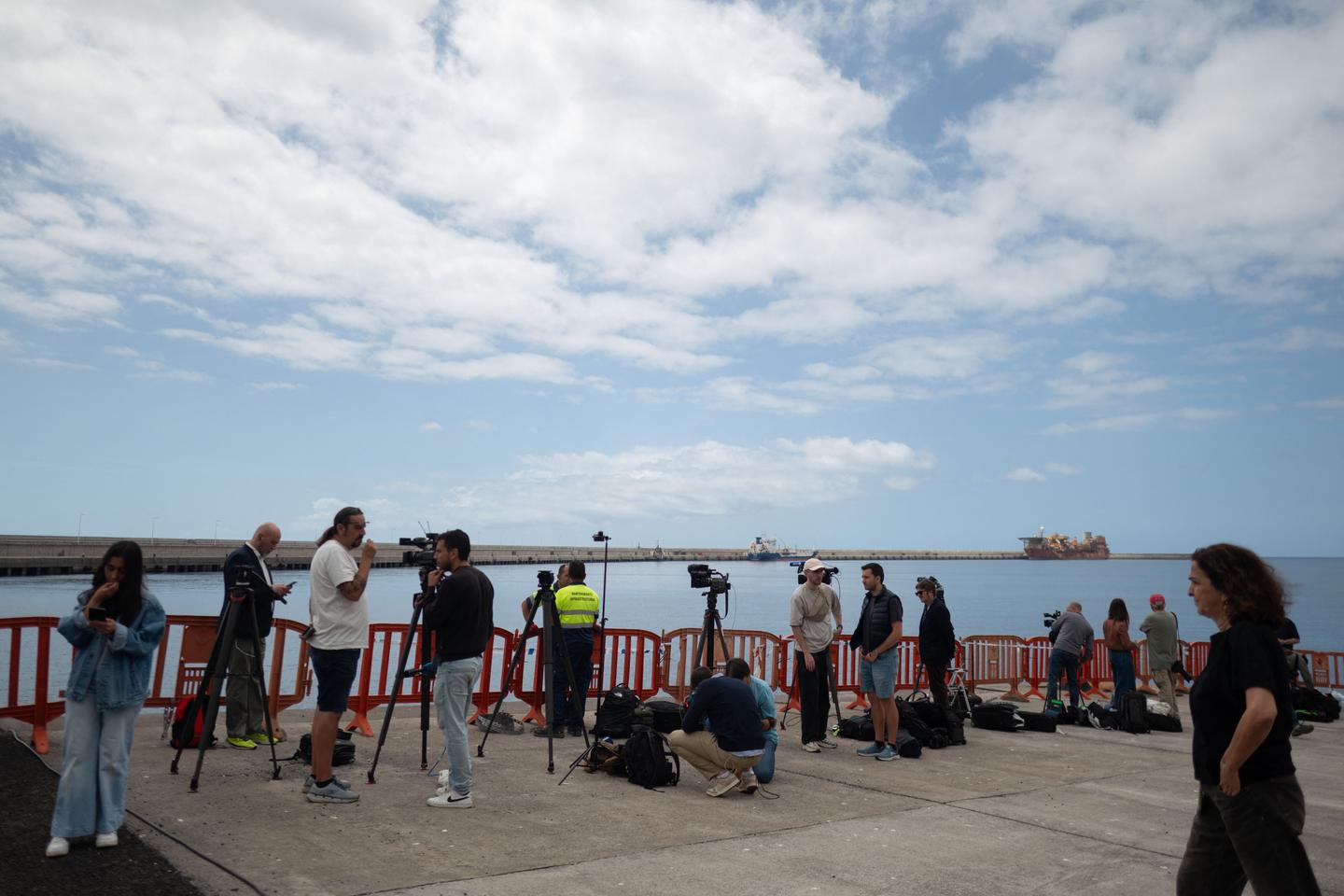
The operation, described as "international in scope" by Spanish authorities, was overseen in Granadilla by three ministers – the health minister, Monica Garcia Gomez; the interior minister, Fernando Grande-Marlaska; and the minister for territorial policy, Angel Victor Torres Pérez – and supervised by the director general of the World Health Organization (WHO), Tedros Adhanom Ghebreyesus, who traveled to the island for the occasion. Some 335 members of the Guardia Civil, responsible for port security, and about 30 police officers were mobilized. Officials coordinated the evacuation of citizens from 23 different countries.