A donkey in front of the renovated Halle de Rouvray, in La Villette Park, in 2025. 11H45/FLORENT MICHEL/LA VILLETTE
After butchers and architecture, now come plants and animals. Trees, so-called "weeds," wildflowers, but also donkeys, sheep, rabbits and chickens. Hundreds of wild birds and dozens of children chirping almost as much as the birds themselves. Times have changed since 1987, when former French president François Mitterrand inaugurated what was called "the largest urban park in Europe."
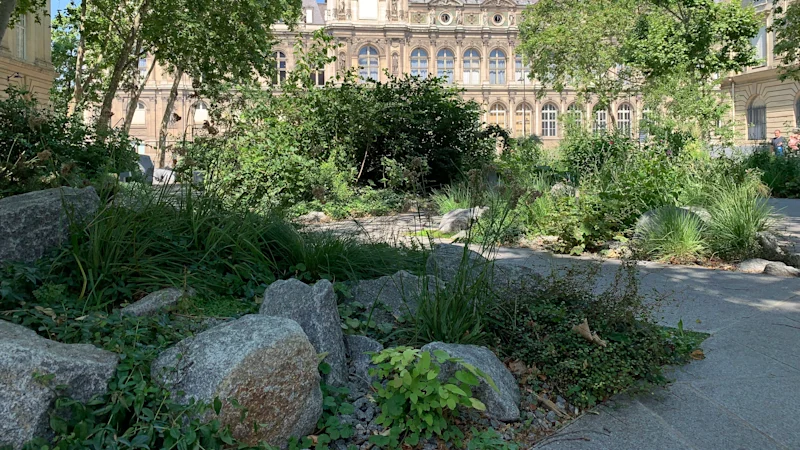
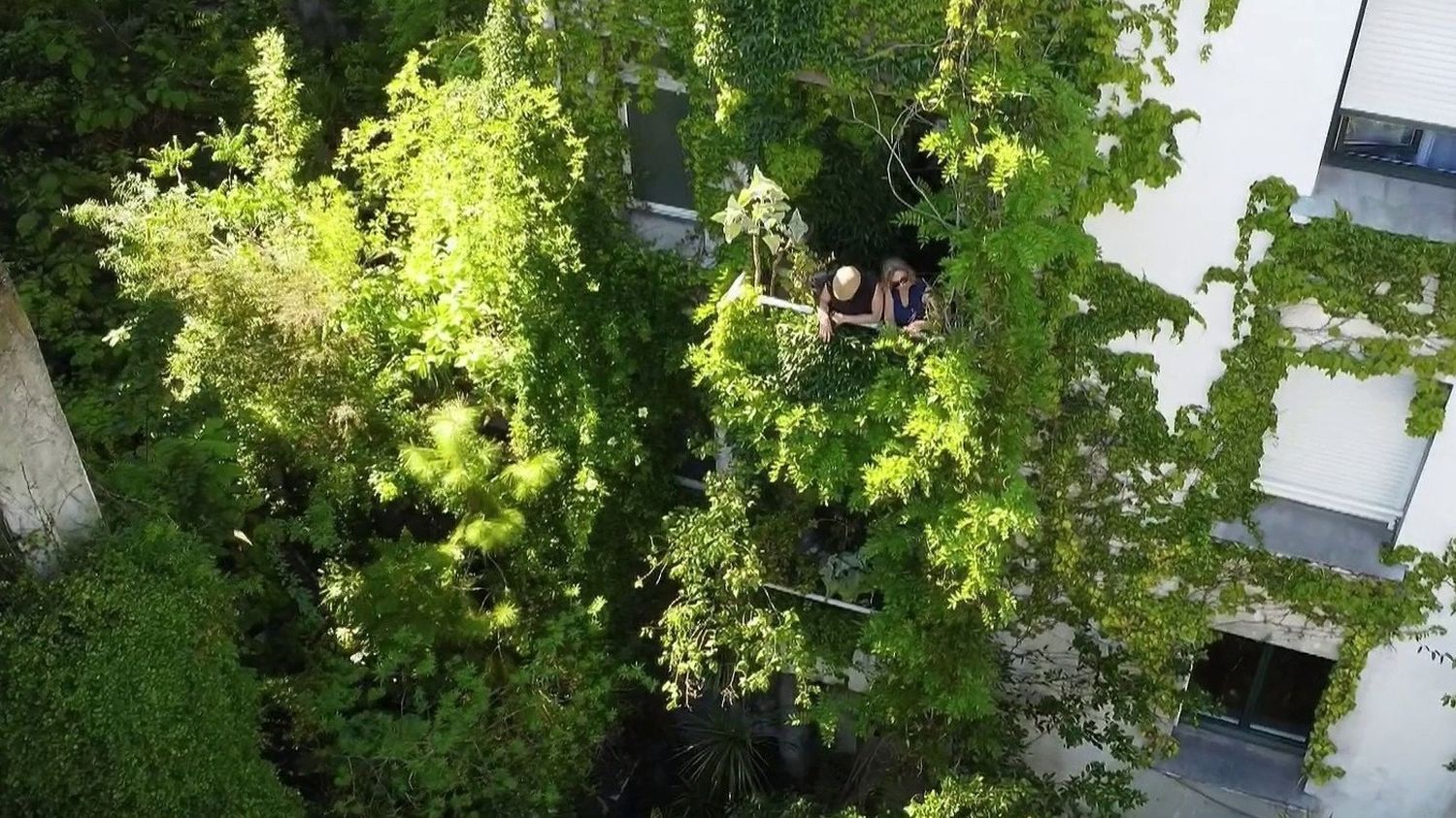
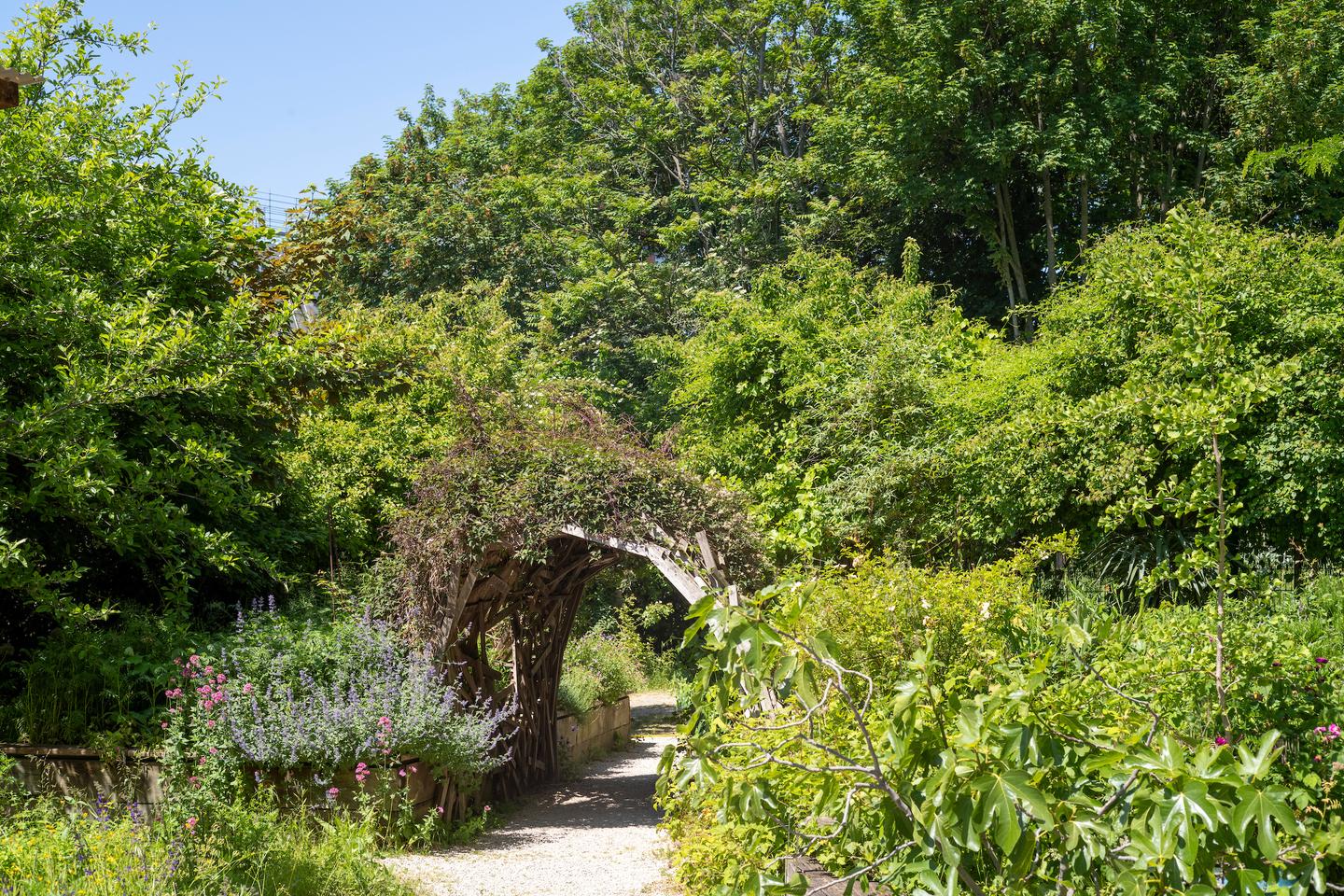
La Villette is undergoing a transformation, with a focus on adapting the park to climate change. Since March 28, a new 15,000-square-meter area dedicated to "raising awareness about the living world and biodiversity" has opened to the public. This area features a new south-north walkway, but will be closed at night to protect its developing ecosystem.
"In a 21st-century urban park, architecture and landscape must be closely intertwined," said Bernard Tschumi, the chief designer of this 55-hectare space, 33 hectares of which is green space. At the time, those green spaces were mainly lawns. Nearly 40 years later, growing awareness of cities' vulnerability to climate disruption has made greening the park an obvious necessity.