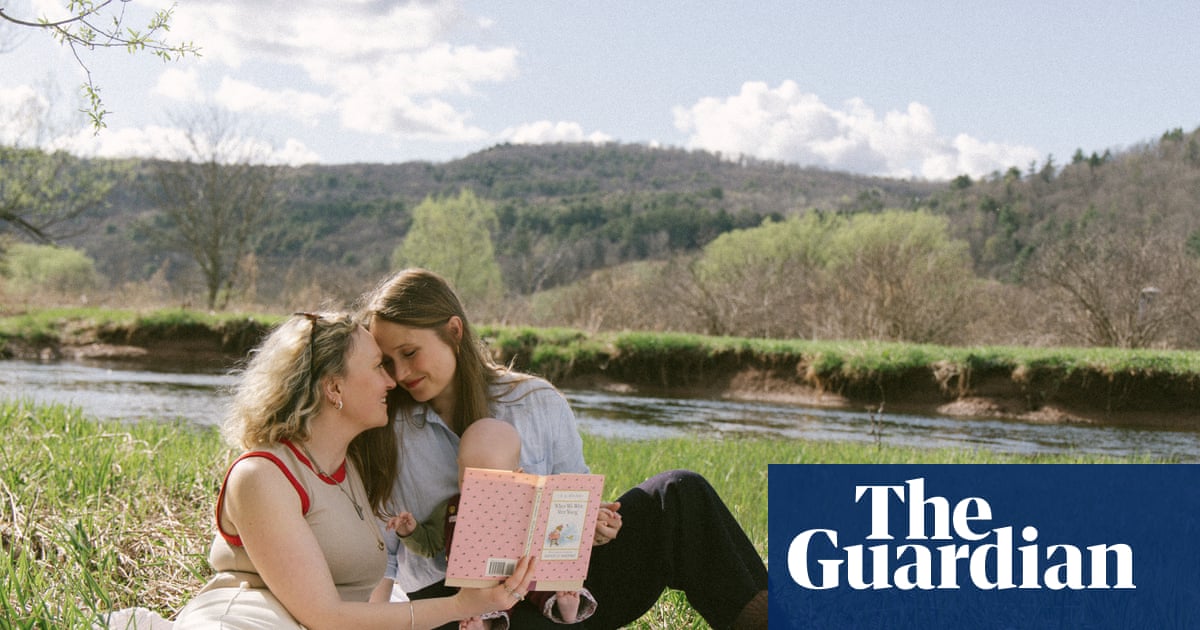
When Leah and I planned a family, we wanted to be as mutual as possible. Could reciprocal IVF – Leah carrying an embryo made from my egg – be the way forward?
L
ate last year, it became my friend’s favourite party trick. “Rosa’s going to have a baby next week,” she’d say to a group of people who didn’t know me. I’d watch their faces as they tried to inconspicuously scan my body, detecting no sign of a bump. “Congratulations!” they’d say, smiles tight, clearly wondering what other delusions I might have up my sleeve.
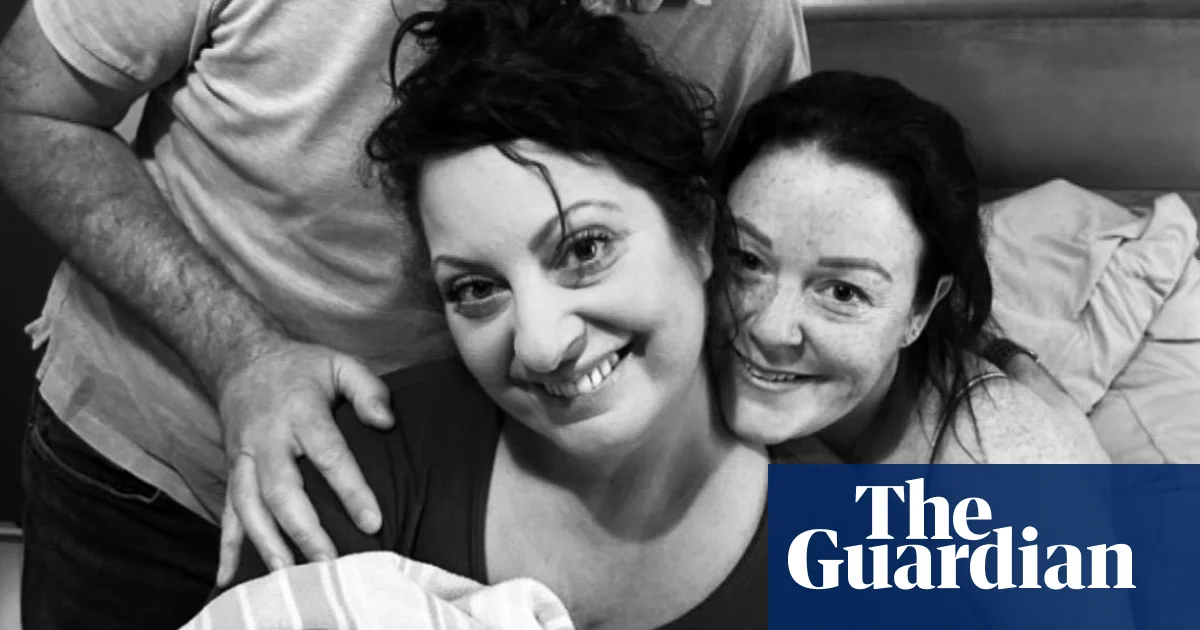
I was, however, about to have a baby. At daybreak on a warm October day, our beautiful, 6lb 10oz, 19.5in‑long baby girl was born; skin pink and taut, scream wet and bright. I held my wife’s hand and head as our daughter emerged from her body – a daughter who had initially come from me.
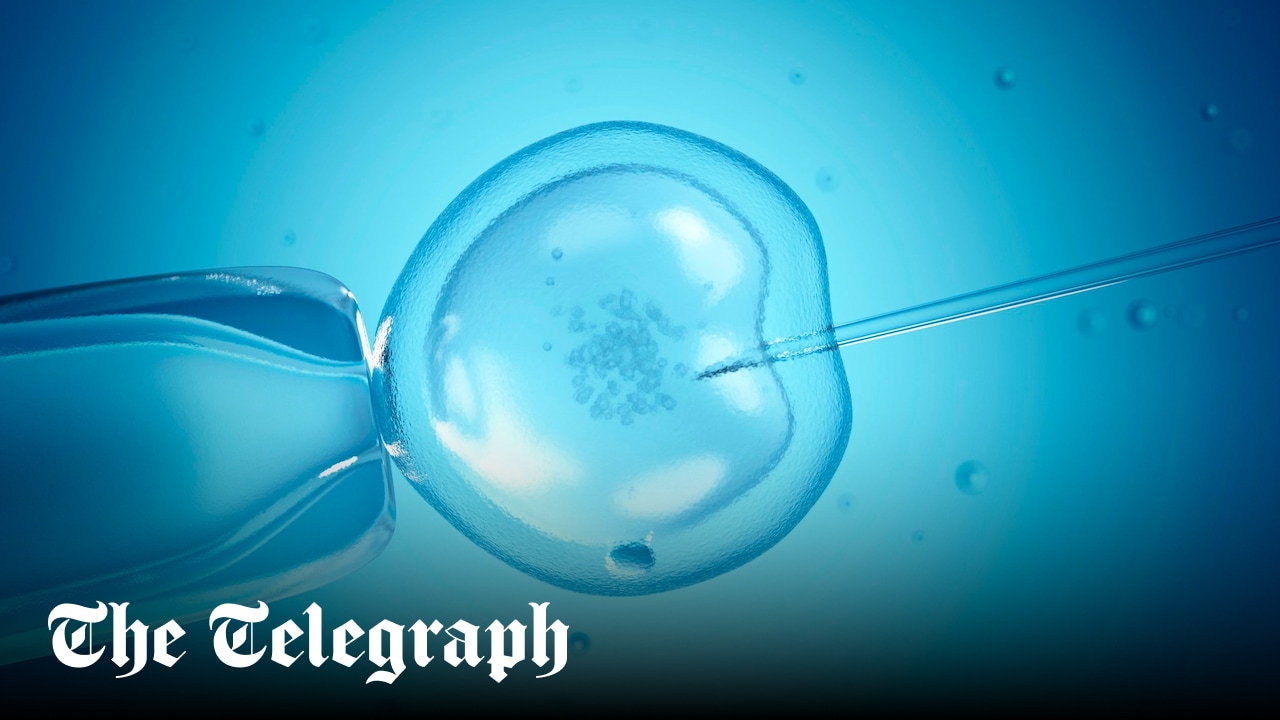
We did what is known as reciprocal IVF: a route to parenthood that is increasingly being used by queer people. First, we each made embryos by retrieving our eggs and having them fertilised with donor sperm. With “normal” IVF, the embryo, if you’re lucky enough to have made one, returns to the body that made the eggs. With reciprocal IVF, there’s a body swap that feels a touch Shakespearean, or sci-fi. You receive your partner’s embryo instead.