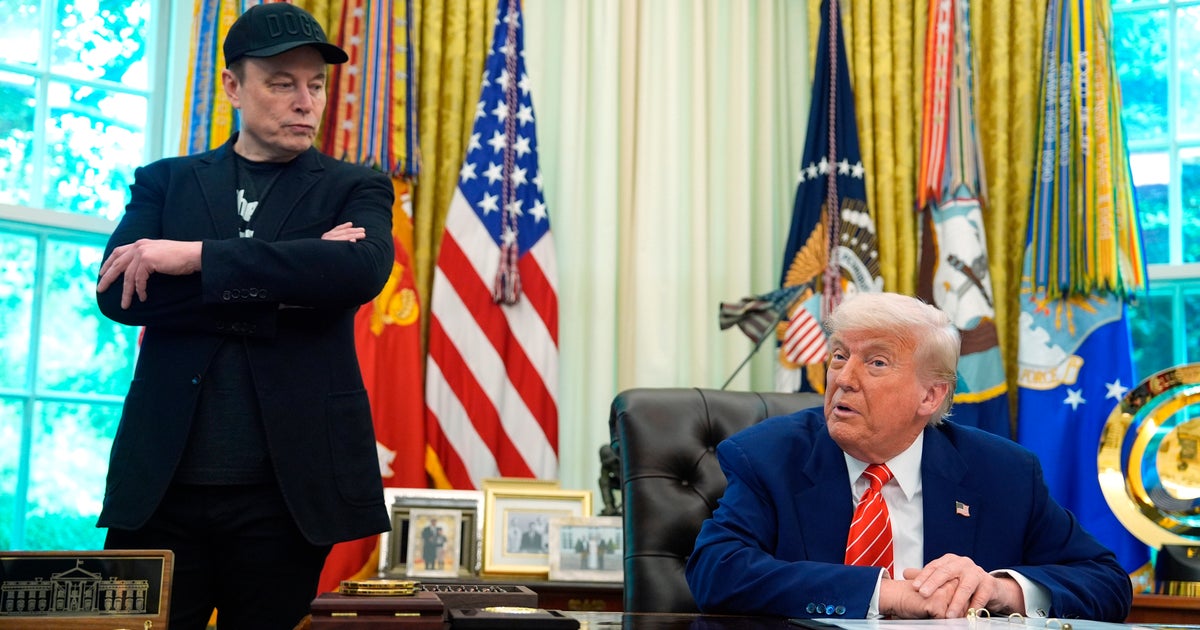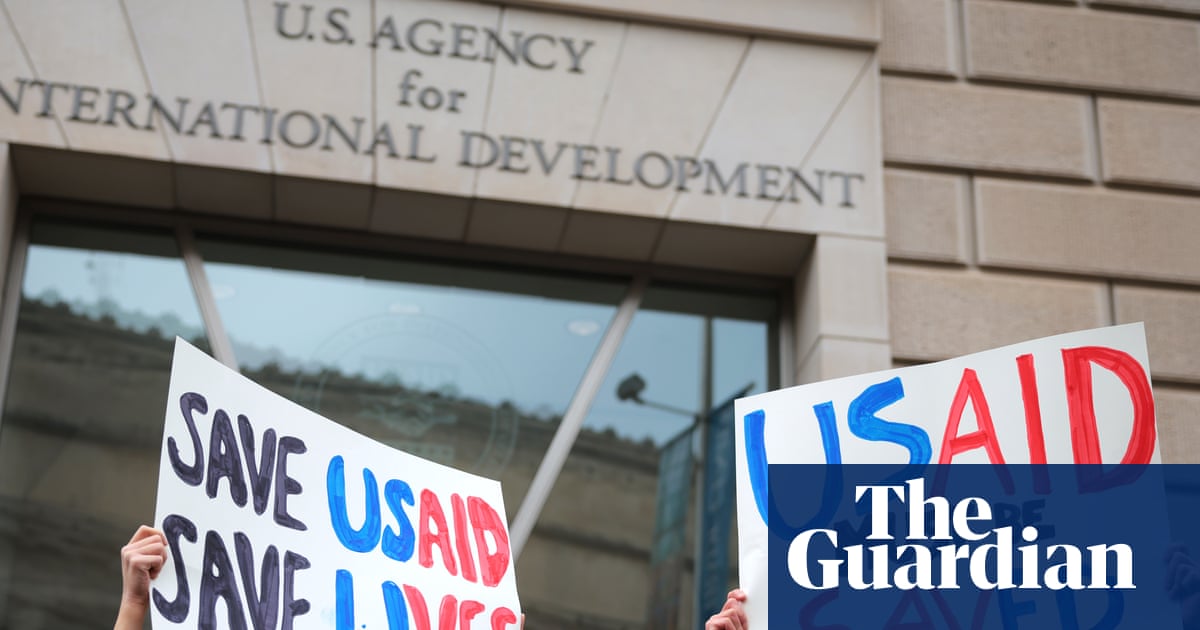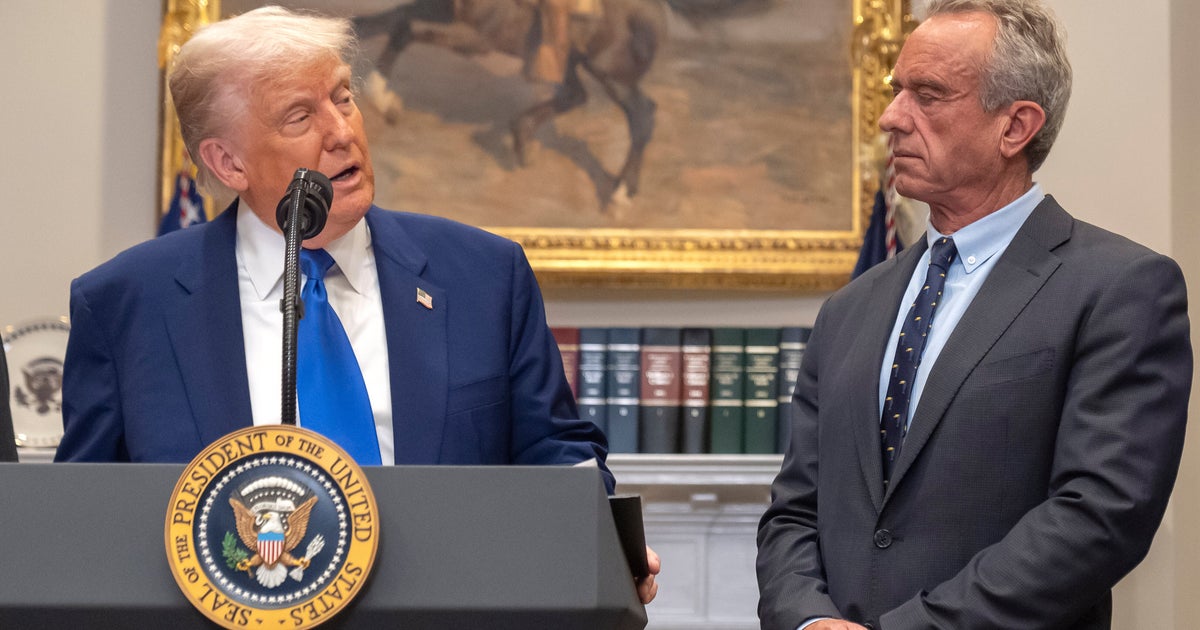
Groups representing humanities scholars have scored a major victory in federal court over the Trump administration.getty A federal judge ruled on Thursday that the Trump administration’s mass cancellation of National Endowment for the Humanities grants last year was “unlawful, unconstitutional, ultra vires, and without legal effect.”In a 143-page decision, U.S. District Judge Colleen McMahon (Southern District of NewYork) ruled in favor of the plaintiffs, which included the American Council of Learned Societies, the American Historical Association, and the Modern Language Association of America. Her decision consolidated another lawsuit that had been brought by The Authors Guild and several individual plaintiffs who had received NEW grant funding.The plaintiffs had filed suit in May 2025 after Elon Musk’s Department of Government and Efficiency, or DOGE, had abruptly terminated more than 1,400 NEH grants, worth over $100 million in congressionally appropriated funds awarded to scholars, writers, research institutions, and other humanities organizations.Plaintiffs argued that DOGE had acted in an arbitrary and capricious manner by terminating grants en masse without giving them any individualized consideration. They also alleged that the agency acted without statutory authorization and had discriminated on the basis of viewpoint and protected characteristics by targeting projects associated with concepts like “diversity, equity, and inclusion,” “gender ideology,” and other subject matter earning the Trump administration’s disapproval .Defendants denied those allegations, arguing that the terminations were lawful efforts to implement presidential directives to eliminate grants associated with topics such as “diversity, equity, inclusion, and accessibility," “environmental justice,” and “gender ideology,” and to reduce discretionary spending in line with the priorities of the new administration.MORE FOR YOUMcMahon found for the plaintiffs, writing that the termination of the grants was "in violation of the First Amendment, in violation of the equal protection component of the Fifth Amendment, and without statutory authority." She noted that DOGE staff admitted that they didn’t examine the grant applications or their supporting materials when deciding which grants to cut, instead relying on ChatGPT to help identify the grants that dealt with such supposedly taboo topics as DEI. McMahon added that the DOGE staff were in their 20s and “did not have much experience in anything at all — certainly not in anything remotely related to the humanities.”“The injury is not limited to the loss of money,” Judge McMahon wrote. “It includes the disruption of protected expression, the interruption of ongoing research and publication, the cancellation or suspension of humanities programming, and the chilling effect caused by the government’s use of viewpoint-based and unauthorized criteria to terminate federal grants.”Plaintiffs React“This victory belongs to the scholars, students, colleges, universities, associations, state humanities councils, libraries, and local organizations in all fifty states whose work was abruptly disrupted last year. ACLS will continue to press for the full restoration of NEH’s staff, programs, and capacity to serve the public it was created to support,” said ACLS President Joy Connolly, in a press release from the three plaintiff groups. “The humanities are not a luxury. They are how a democracy understands itself. Today’s decision is a step toward honoring the will of Congress and our mission as a nation — to seek the truth, know ourselves, and build a better future on that knowledge.”“This ruling in an important achievement in our effort to restore the NEH’s ability to fulfill the vital mission with which Congress charged it: helping to create and sustain ‘a climate encouraging freedom of thought, imagination, and inquiry’ through the humanities,” said Sarah Weicksel, executive director of the American Historical Association. “It is a victory not only for the educators, researchers, humanities organizations, universities, and state councils whose grants were terminated, but for all Americans. From history exhibitions and pathbreaking scholarship to library programs and professional development opportunities, the humanities help us understand our past and ourselves, providing all of us with essential tools for our future.” MLA Executive Director Paula M. Krebs said, “we’re thrilled with this ruling, which confirms the illegality of DOGE’s termination of over 1,400 grants. The National Endowment for the Humanities was established to affirm the nation’s commitment to research that helps us to make sense of the world we live in and the scholars who help us to understand our own culture and those of others. In a time when it is increasingly urgent to provide a human context for decisions in science, tech, health, and more, we now have a confirmation that the work our members do is essential.”
Judge Rules That Feds’ Mass Termination Of Humanities Grants Was Illegal
A federal judge has ruled that the Trump administration’s cancellation of more than $100 million in National Endowment for the Humanities grants last year was unlawful.
734 words~3 min read