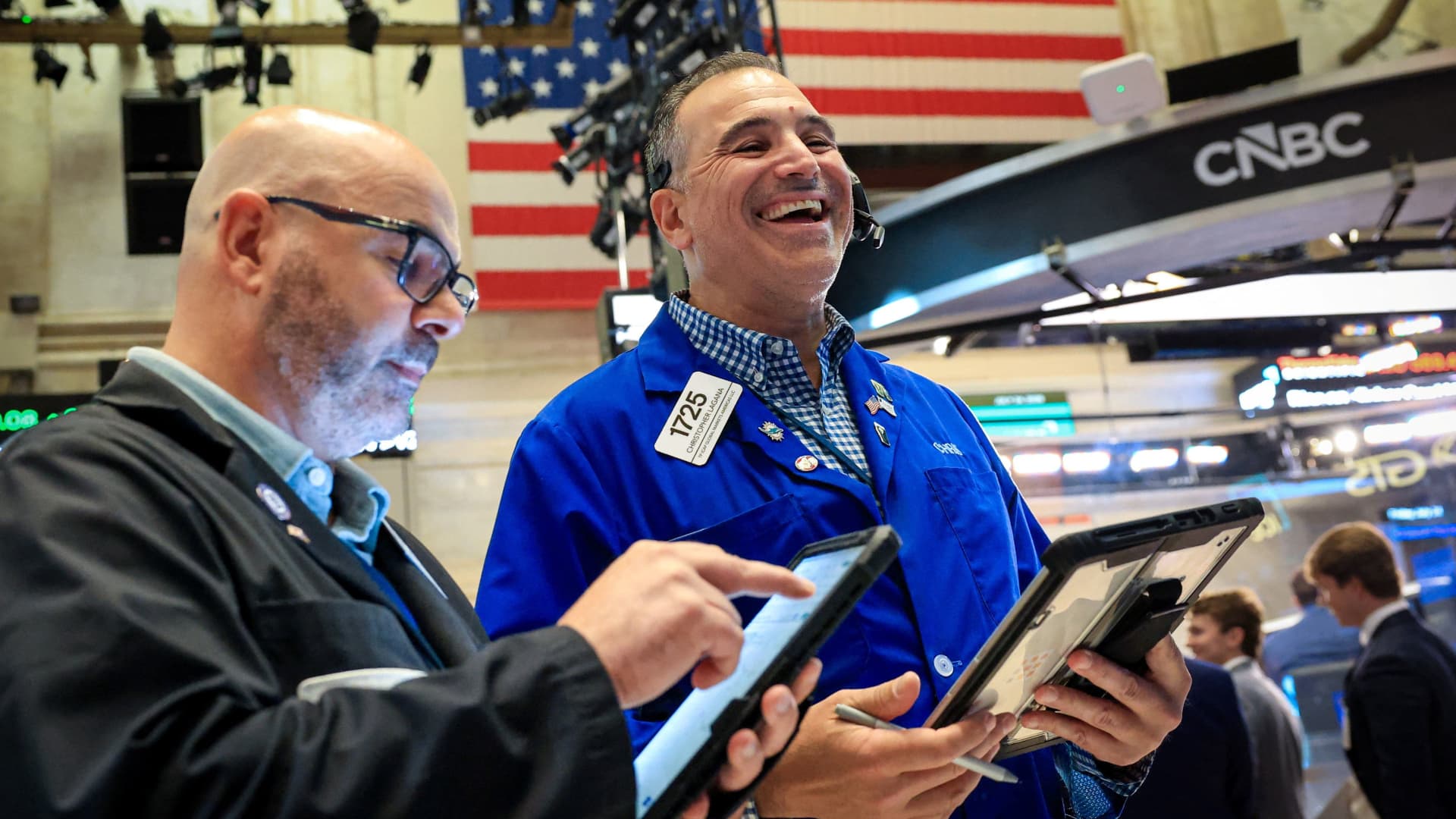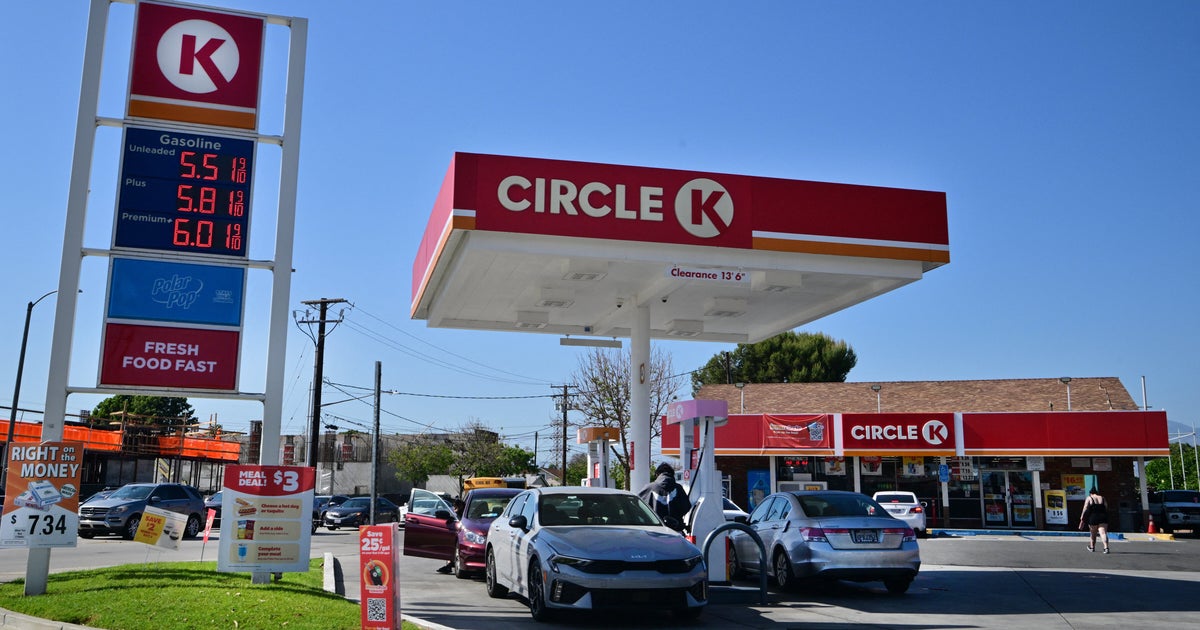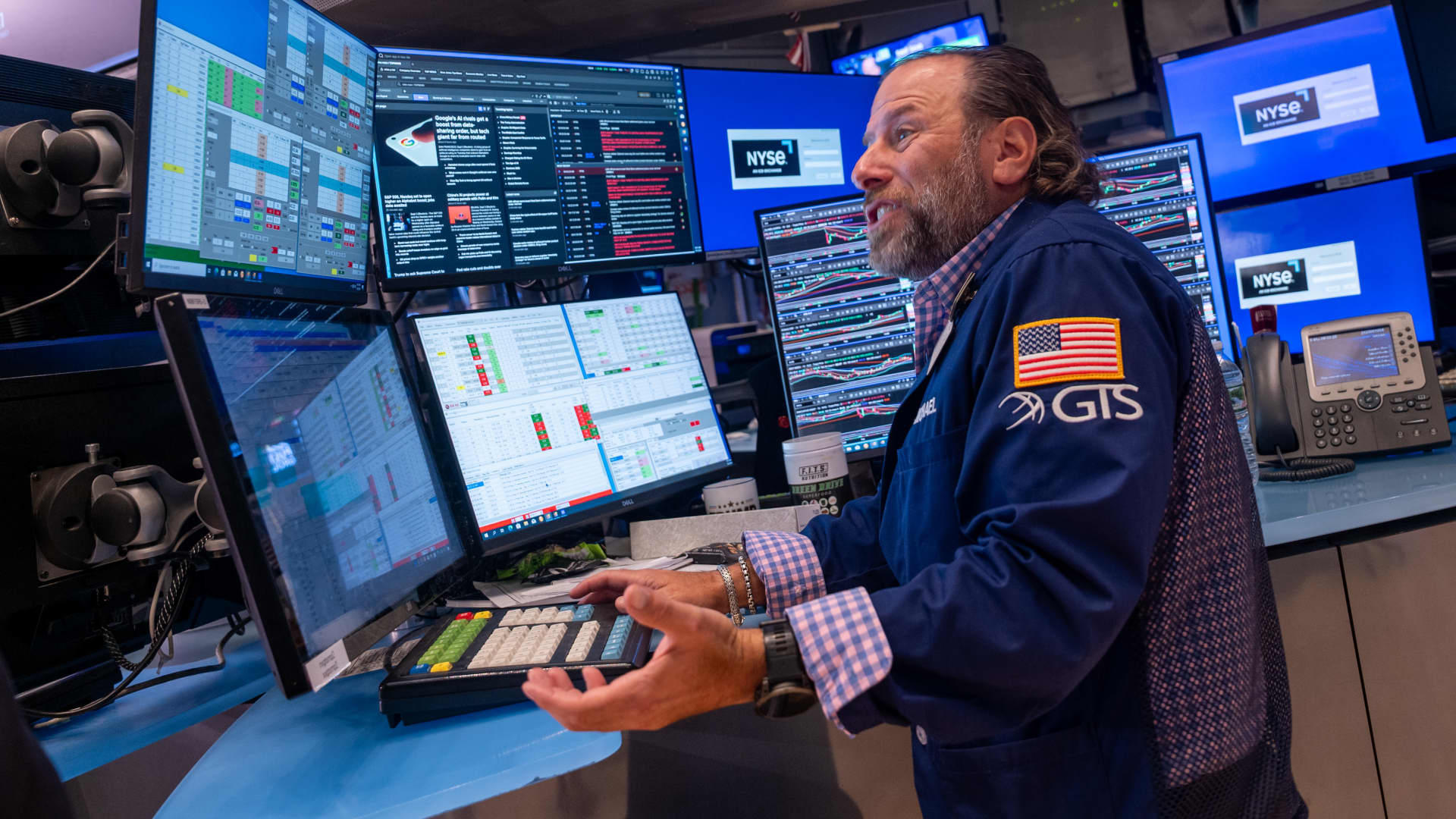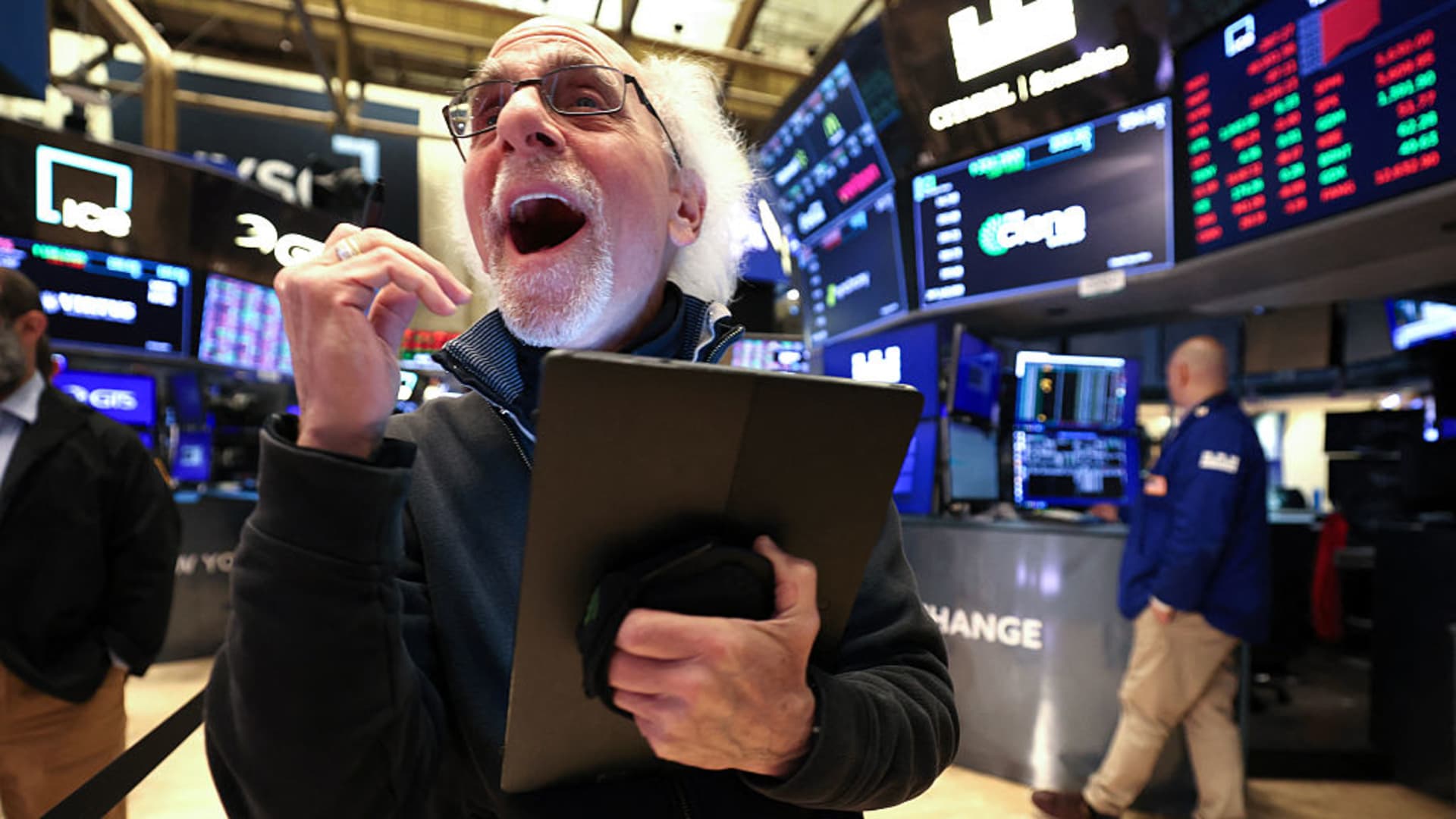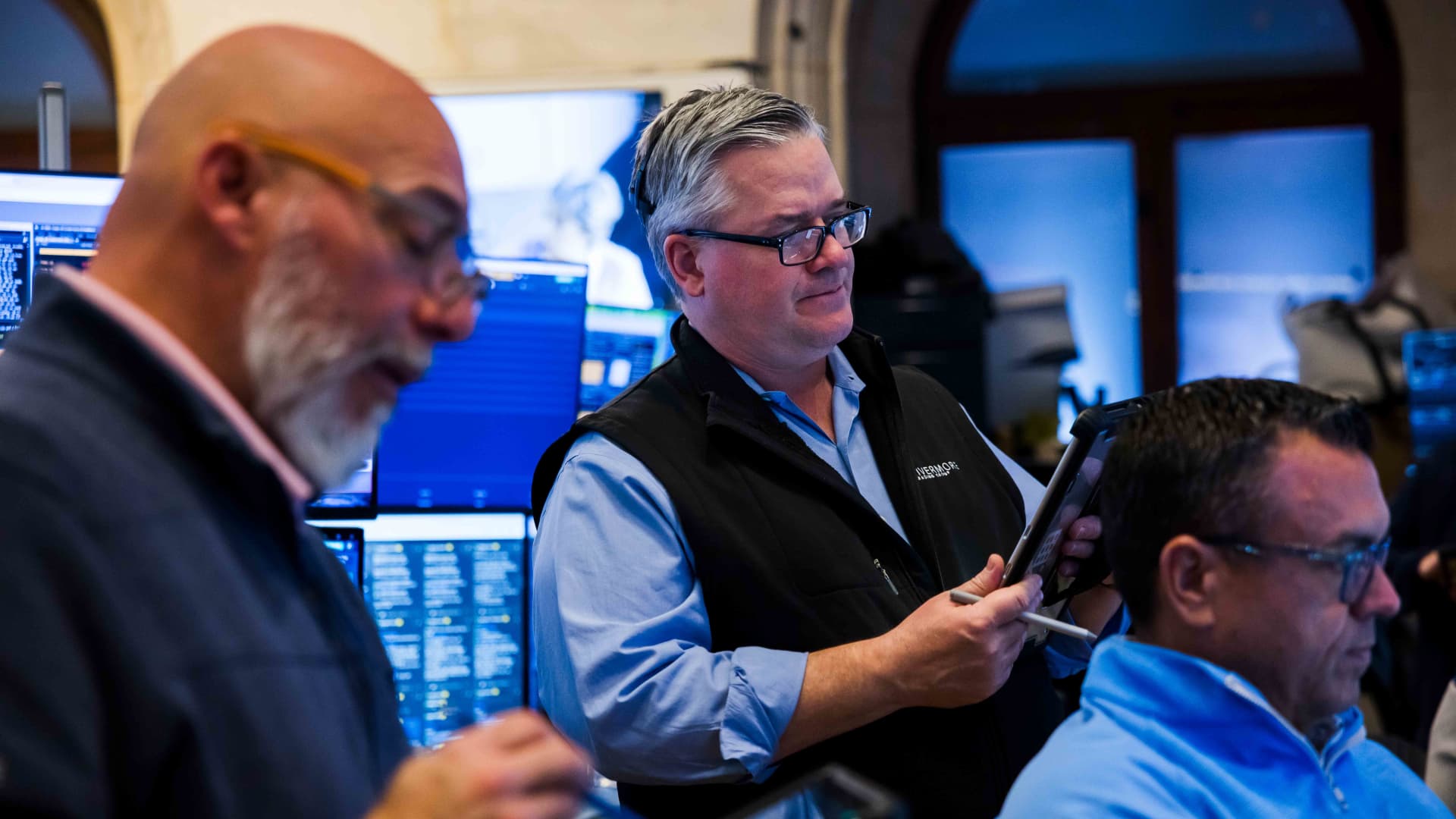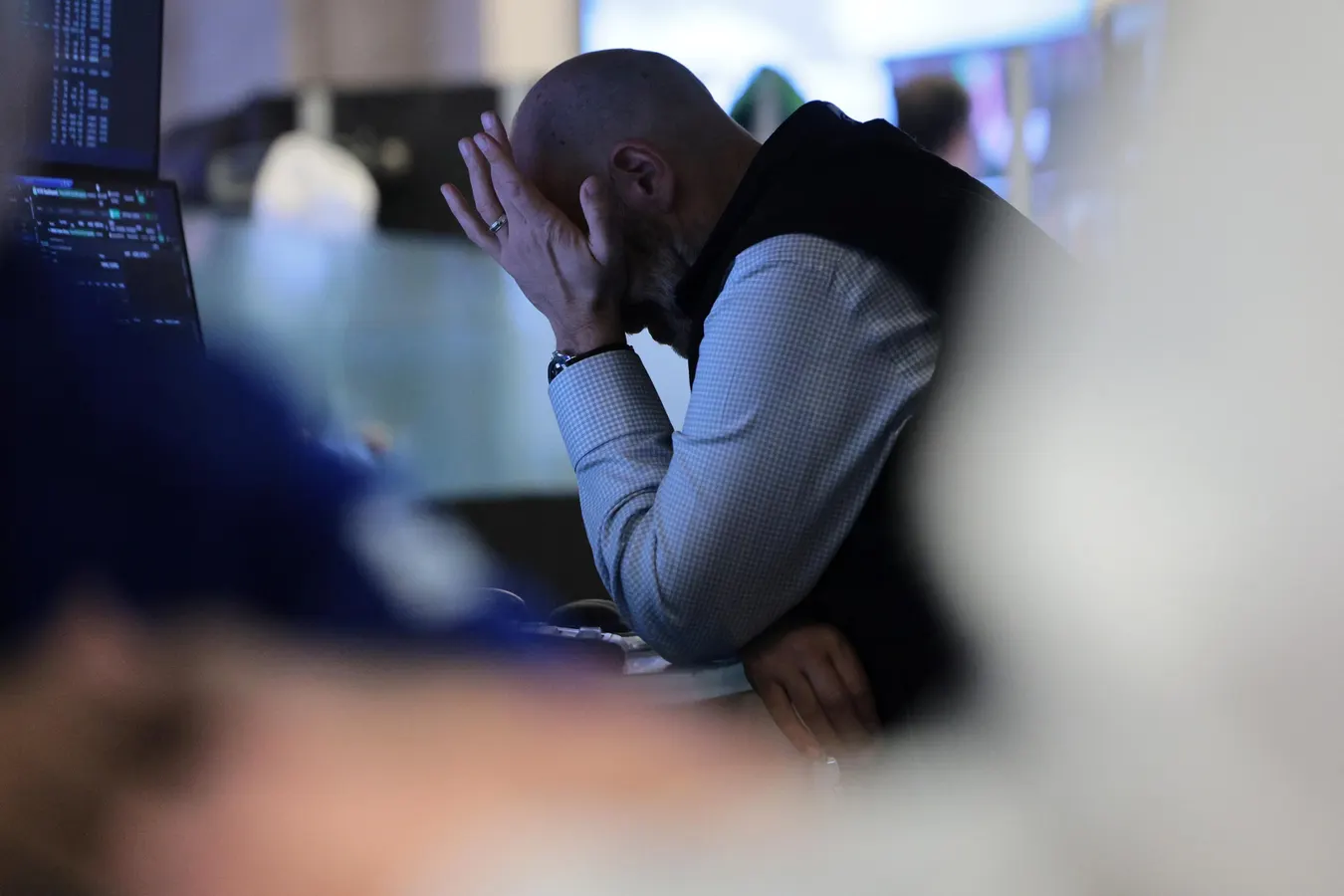
NEW YORK, NEW YORK - MARCH 25: Traders work on the floor of the New York Stock Exchange during morning trading on March 25, 2026 in New York City.Getty ImagesStocks just wrapped up their best month since 2020 during the biggest energy crisis since the 1970s. There may be a lot of reasons, but the overarching driver is the belief that good things will keep getting better and bad things will go away.Let’s begin by saying that this rally isn’t undeserved.Unlike manias where stocks rise simply because investors pay more for each dollar of earnings (aka multiple expansion), today’s rally is backed by one of the best earnings seasons in 20 years. In other words, companies are pulling in far more dollars than expected… by far.At the peak of last year, investors paid an average of $25 for every dollar in S&P 500 earnings. Today it’s around $23, despite the S&P 500 growing over 20% since the beginning of last year. So technically, stocks are less of a bubble than they were a year ago.If we look at individual companies, there are even more striking examples.For example, if you bought Nvidia in 2022, you would’ve paid anywhere from $40 to $60 for each dollar of its earnings. Today it’s roughly 3x cheaper at just over $20, and it’s priced more like a low-growth tech company, such as IBM.But there’s also the flip side of the coin. A lot of this rally also has to do with the fact that investors are looking through “Iranflation” as transitory. But as the Fed learned the hard way during Covid, shocks like these are impossible to model.MORE FOR YOUEven if the war ended today, there’s still a 1.5 billion-barrel deficit feeding into prices, and no diplomacy can reverse that. OPEC is also falling apart before our eyes, which could play out in who knows how many ways.So that’s one inflationary factor. But then there’s the trade war, which is urging major powers to hoard resources and trade more selectively. The inflationary impact of this protectionism was a major concern long before the first missile landed in Tehran. And the fact that it got buried under the Iran headlines doesn’t mean it’s no longer at play.Morgan Stanley’s Lisa Shalett put it best saying, "The [bullish] narrative assumes that what is being priced as secular is truly durable, and what is beingdismissed as transitory will, in fact, fade quickly."
The Good, Bad, And Ugly Of This Stock Market Rally
There may be a lot of reasons behind this stock market rally, but the overarching driver is the belief that good things will get better and bad things will go away.
403 words~2 min read