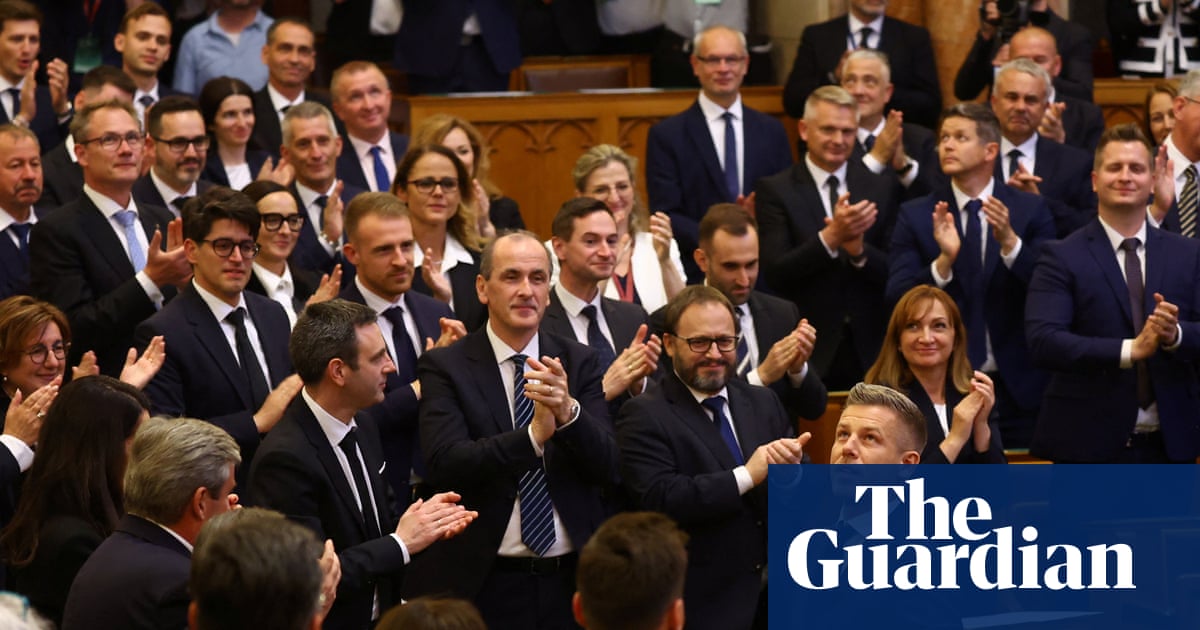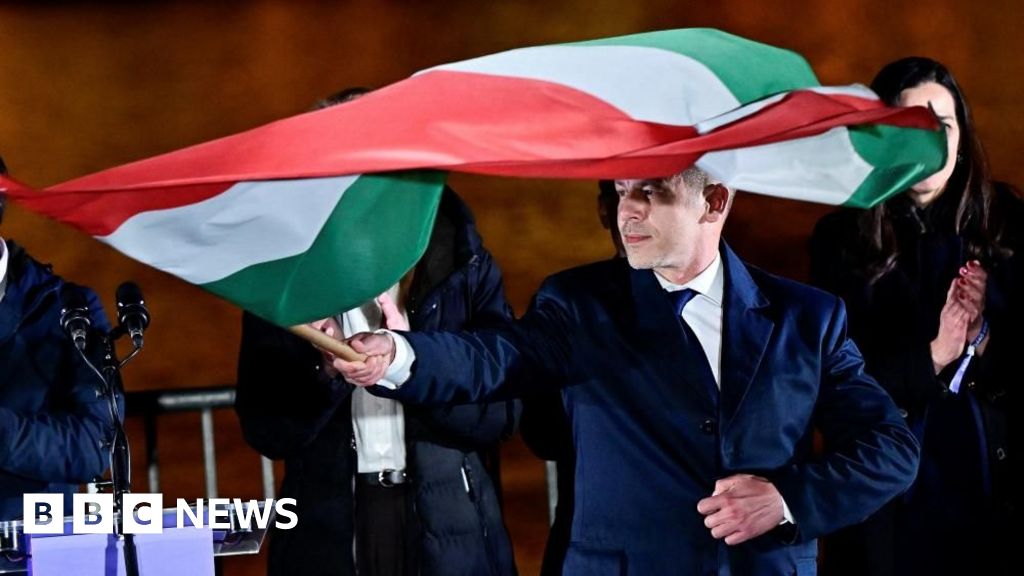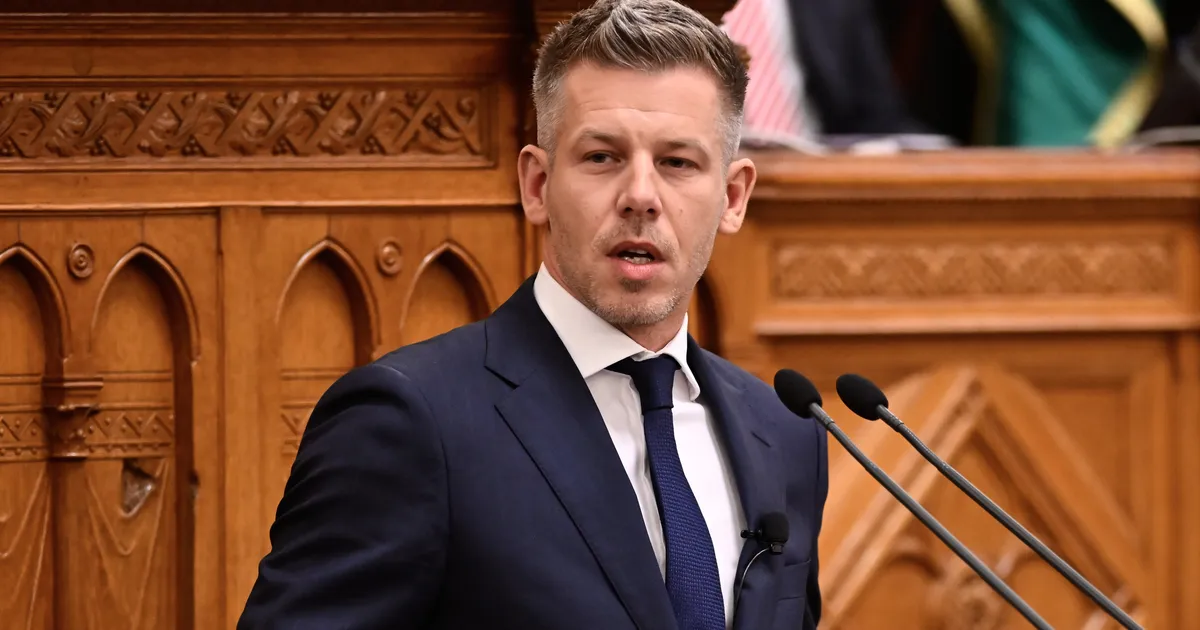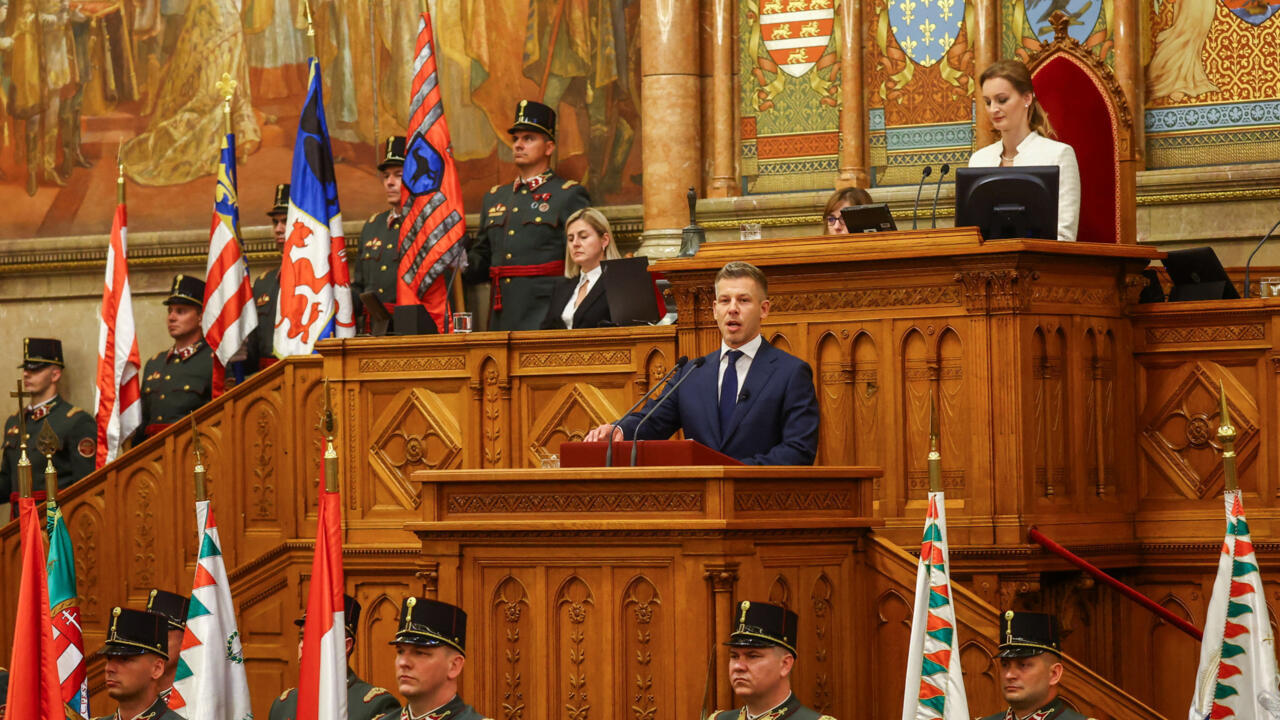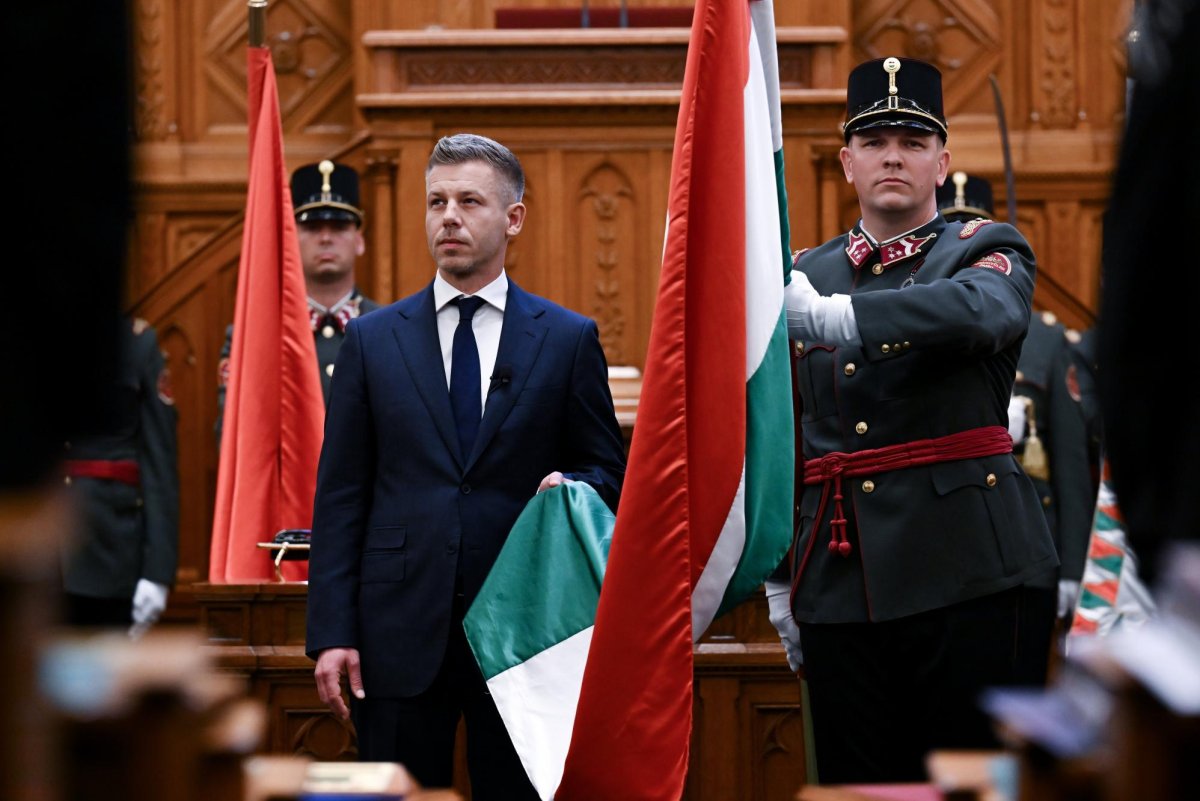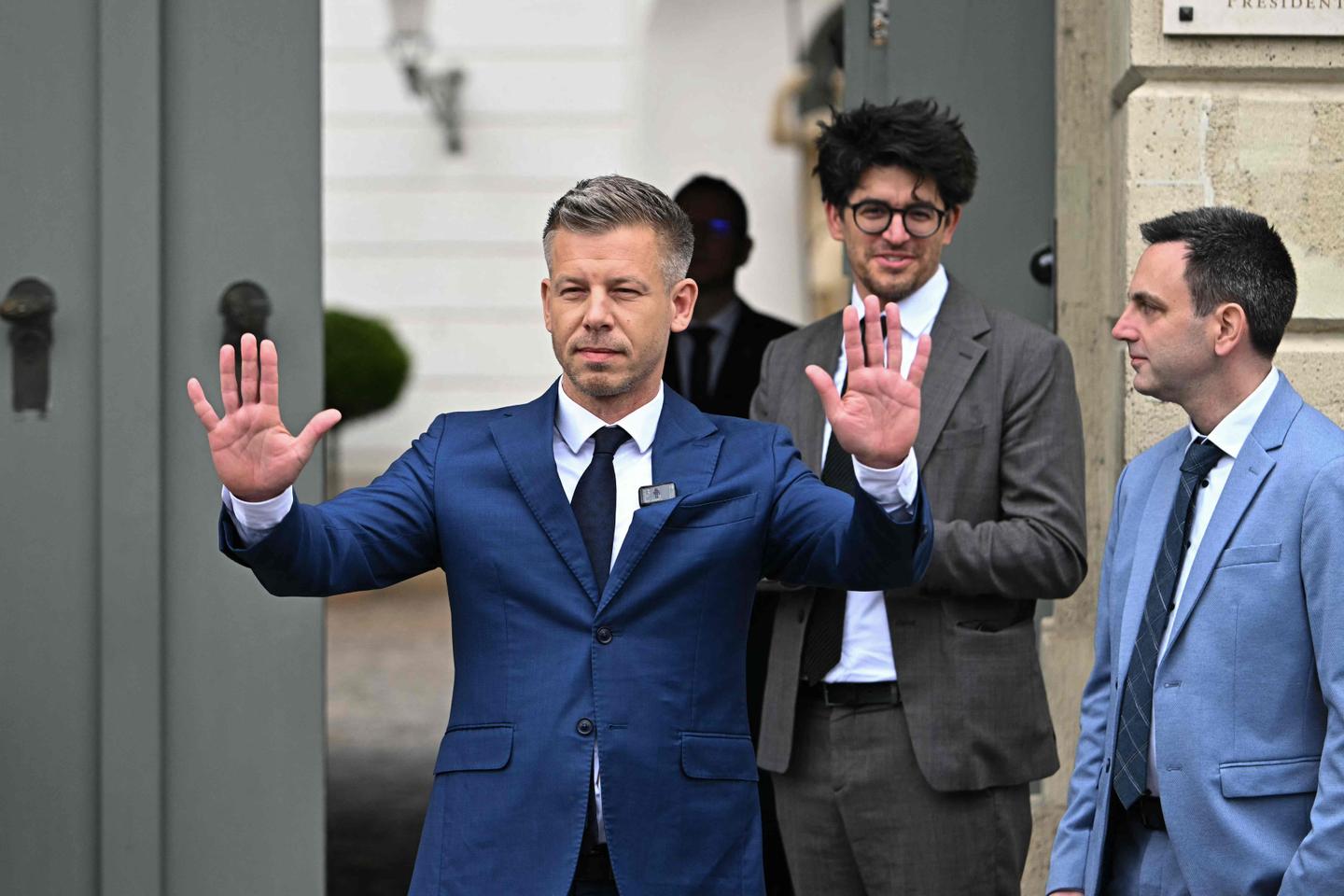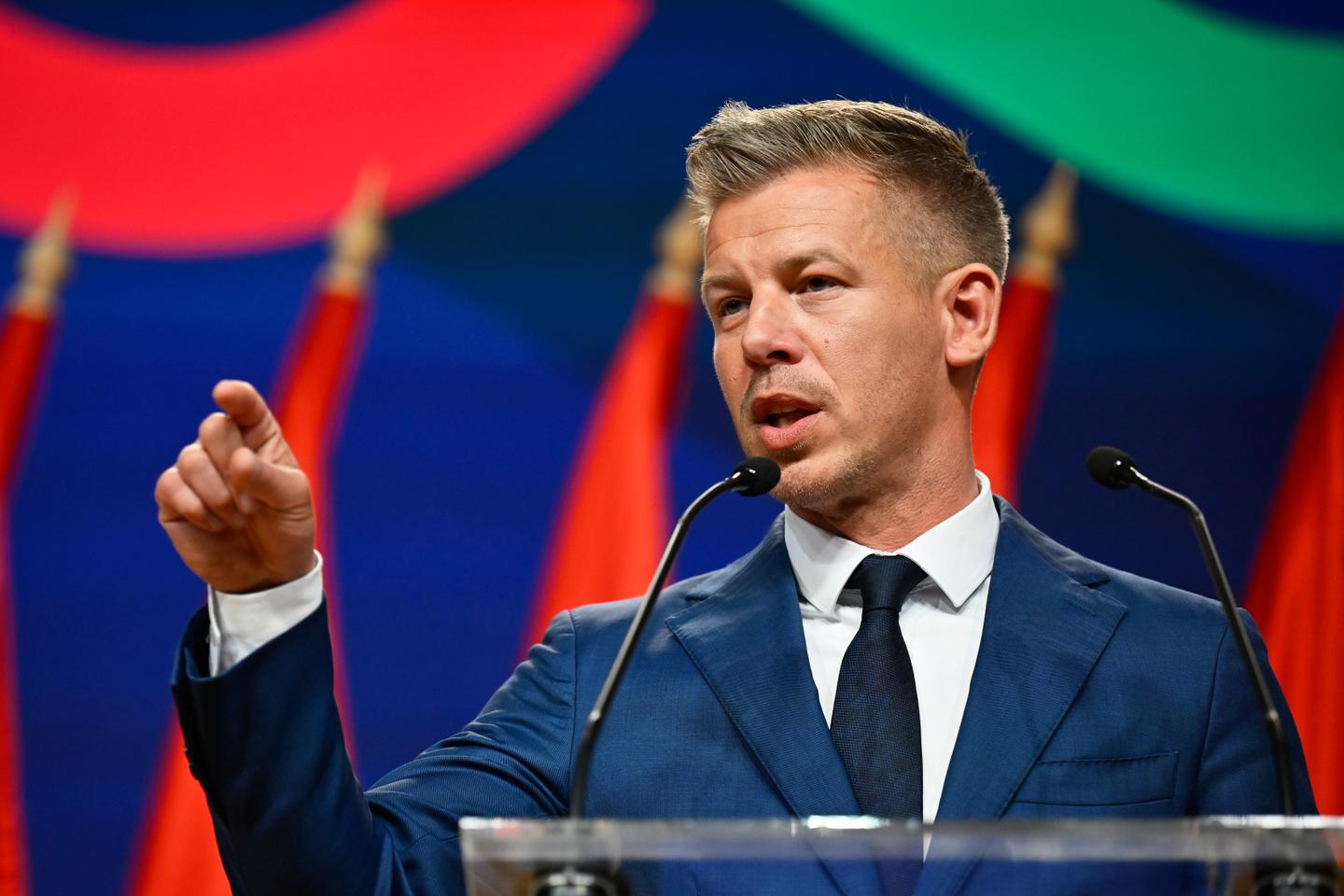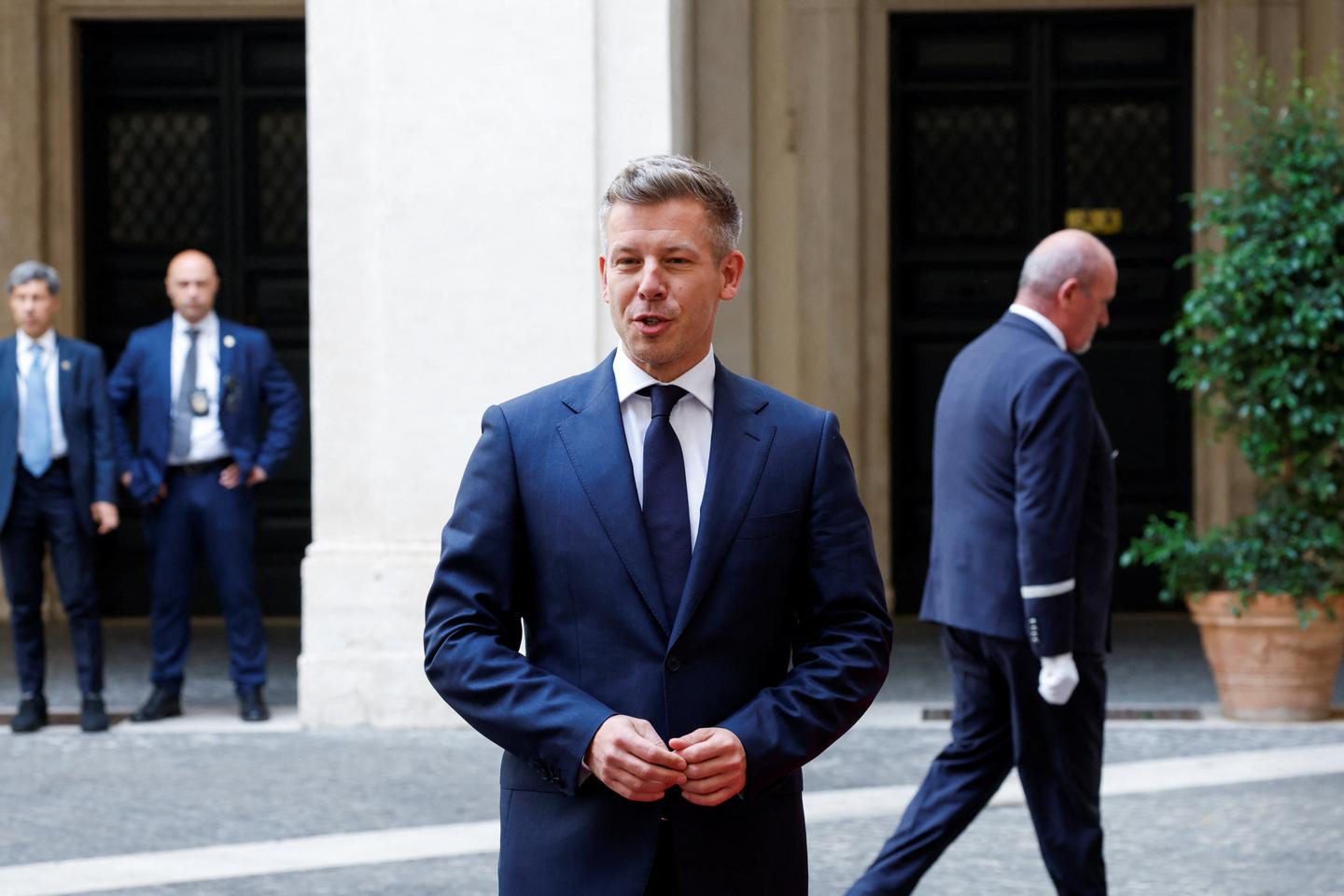
Péter Magyar, Hungary's prime minister-elect, Rome, May 7, 2026. REMO CASILLI/REUTERS
The scene stunned Hungarians. On Monday, May 4, just days ahead of the May 9 inauguration for new prime minister Péter Magyar in Budapest, the head of Hungary's largest communications group appeared teary-eyed on camera for the Kontroll news site, owned by Magyar's brother. Gyula Balasy, 46, who is known for his ties to outgoing prime minister Viktor Orban, announced, with his face drawn, that he was ready to "give" all his companies to the state.
On May 5, Hungarian police confirmed that they had "blocked accounts and seized funds" linked to Balasy's companies as part of a "money laundering" investigation. This was an unprecedented move against a businessman previously considered untouchable – one who had accumulated nearly 100 billion forints (approximately €280 million) in dividends from his various businesses, which held a monopoly over public sector communications in Hungary. These earnings notably allowed him to secretly invest in acquiring the pan-European news channel Euronews, as Le Monde revealed in 2024.
"I have no reason to leave Hungary," added Balasy, as rumors proliferated about oligarchs close to the outgoing nationalist leader fleeing the country following his heavy defeat in the legislative elections. Though he was previously known for his arrogance, his love of luxury cars and for designing garish billboards plastered across the country with public funding that often targeted Ukrainian President Volodymyr Zelensky, Balasy admitted that his spectacular decision stemmed from mounting troubles ever since the vote.