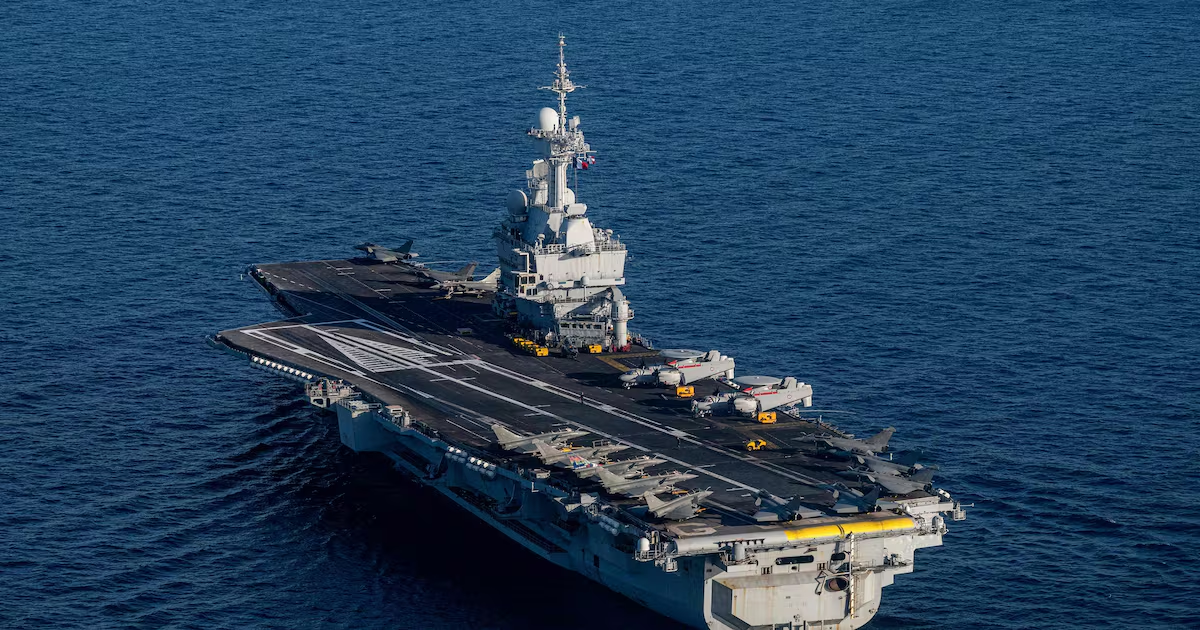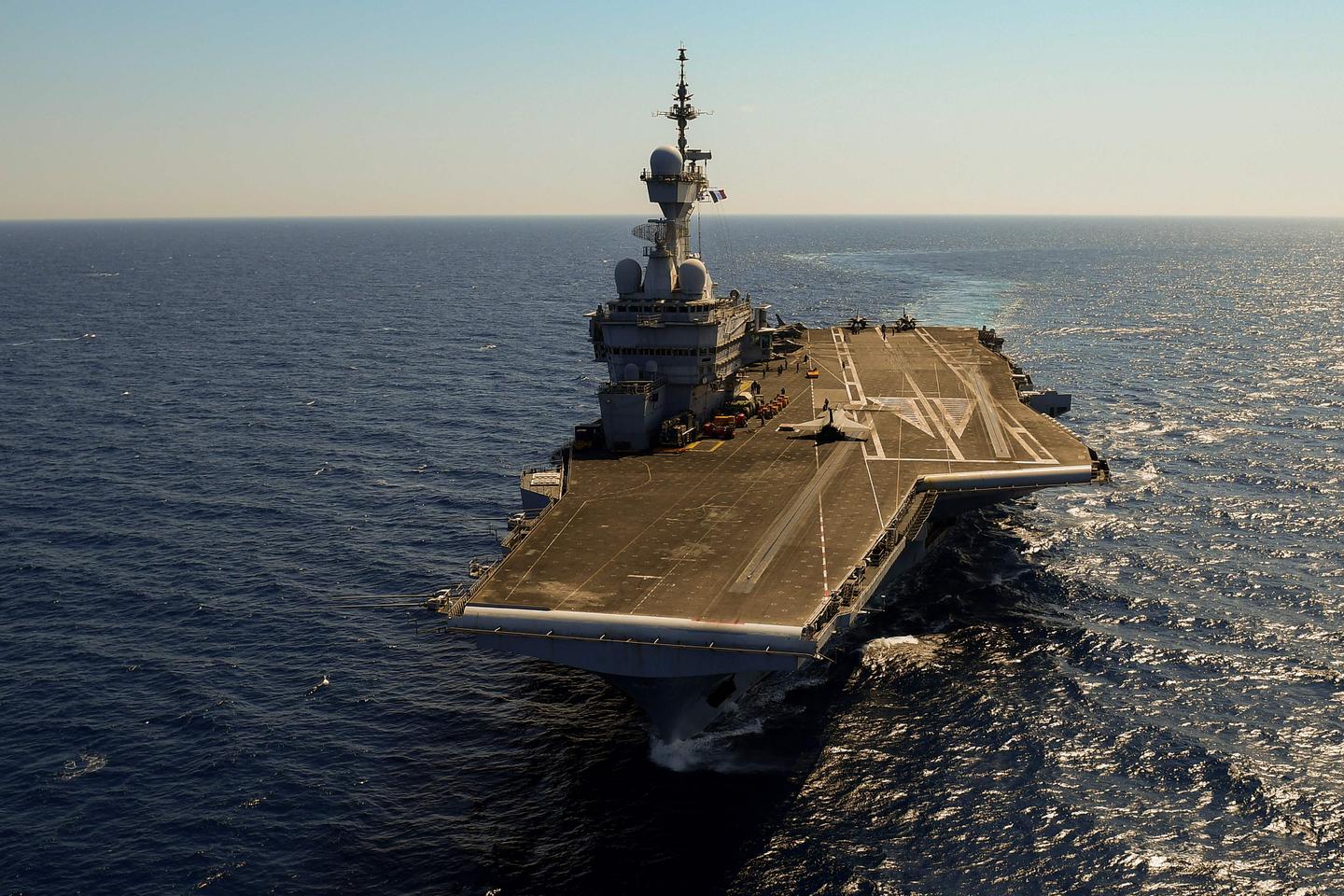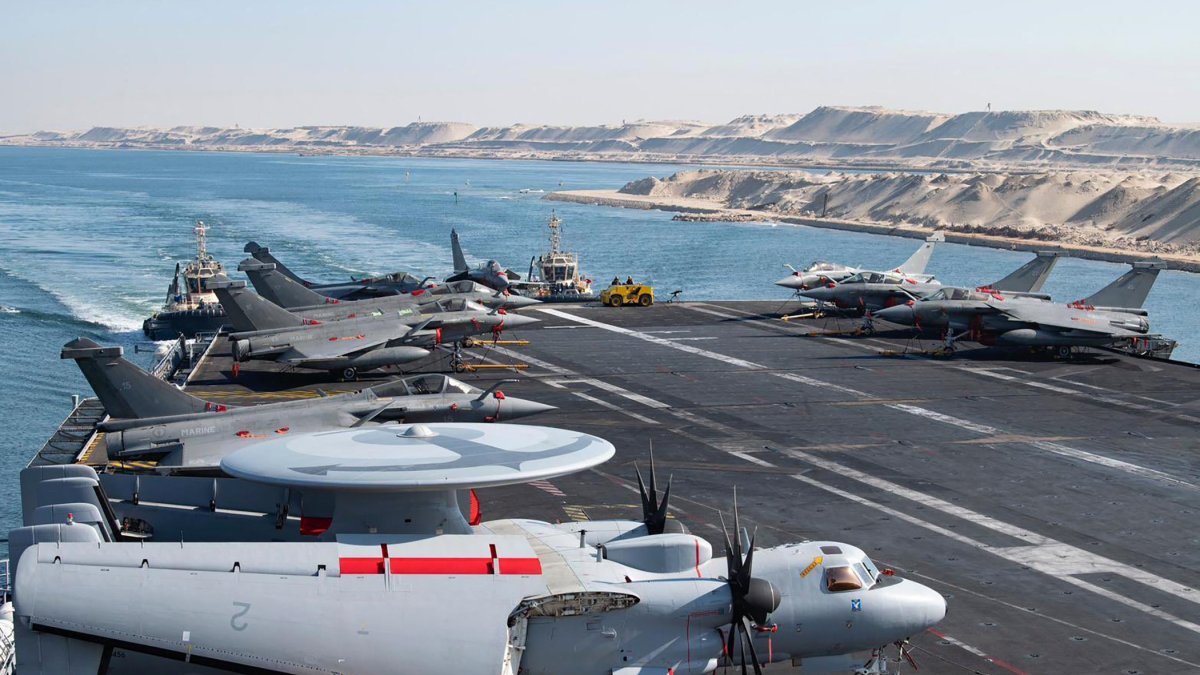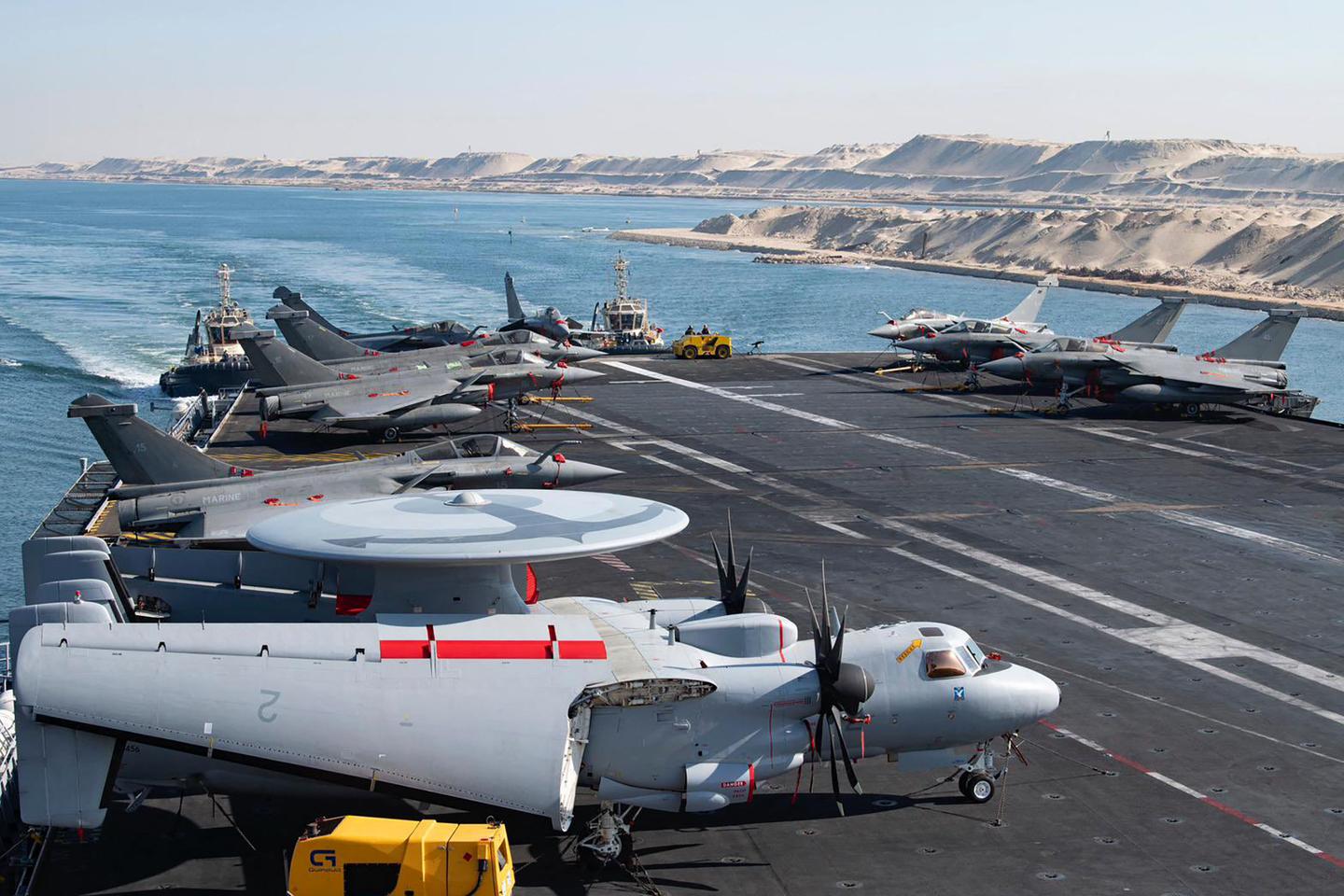
On the flight deck of the Charles-de-Gaulle aircraft carrier in the Suez Canal, Egypt, May 6, 2026. MARINE NATIONALE/AFP
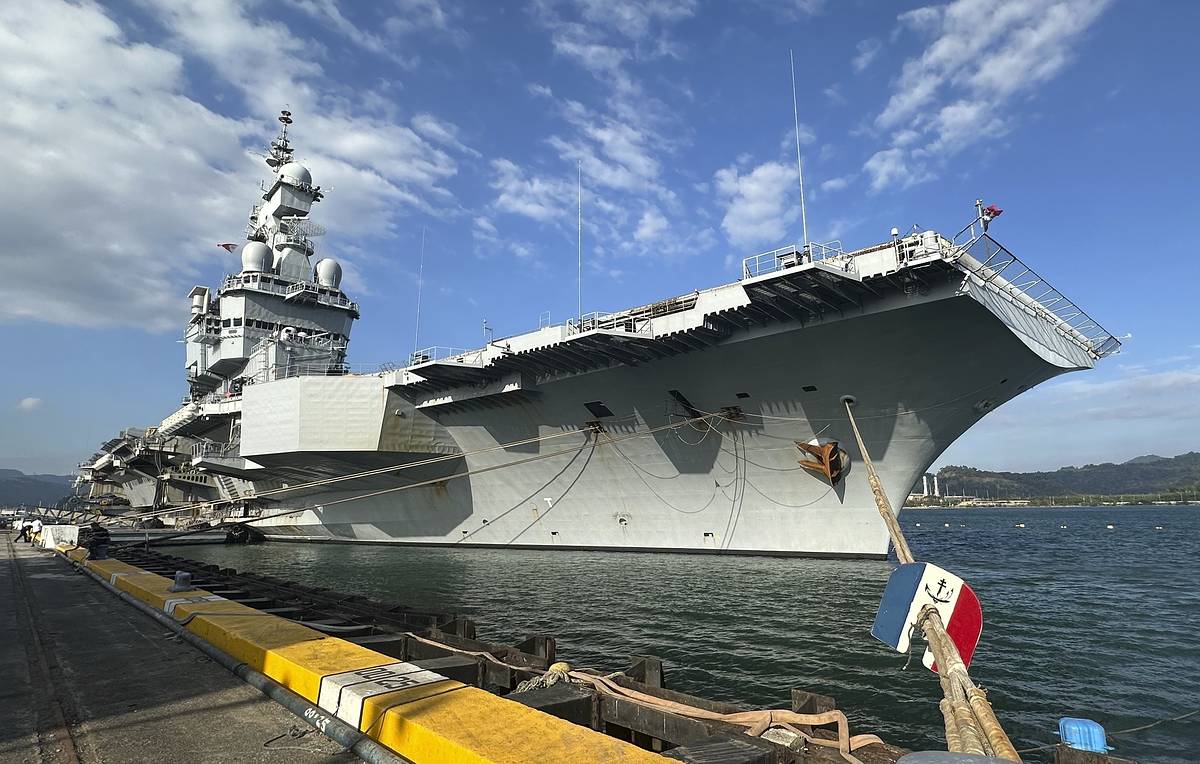
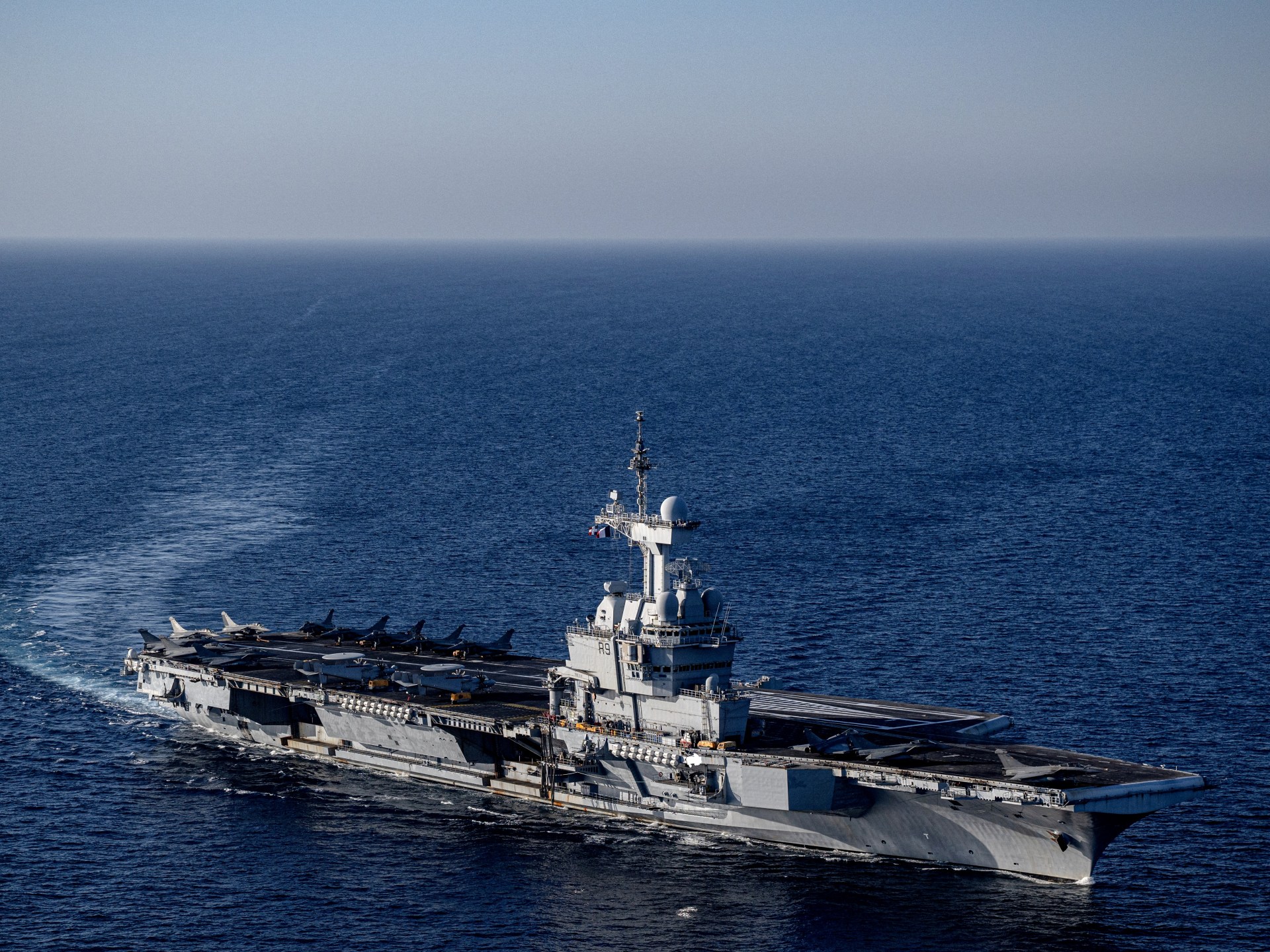
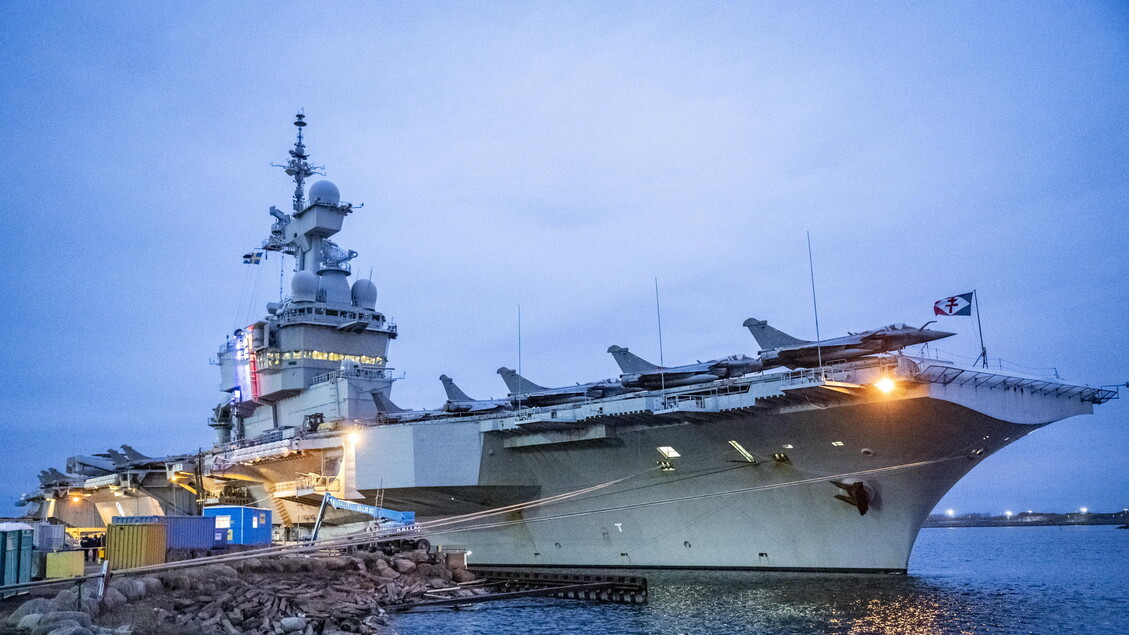
Showcasing military might, without engaging in the war. On Wednesday, May 6, at midday, France let both Iran and the United States know that its aircraft carrier Charles-de-Gaulle, along with its embarked Rafale fighter jets, had passed through the Suez Canal en route to the Gulf of Aden. The flagship of the French Navy is now less than a week's sailing from the Strait of Hormuz.
In a world dominated by predators, the message is clear. If it becomes necessary to restore freedom of navigation through this strategic passage – where, in peacetime, oil, gas and fertilizer transit – France would be "ready" and also "capable," according to the Elysée, clarifying that any action would remain "at a distance from the belligerents."
Tehran's closure of the narrow maritime corridor since the start of Israeli-American strikes targeting the regime in late February has destabilized the global economy. Oil prices are soaring, hovering around $100 per barrel, and according to the most pessimistic forecasts, could reach $150 or even $200 per barrel if the conflict drags on. On Wednesday, however, prices were trending lower amid the prospect of new negotiations between the US and Iran, with US President Donald Trump mentioning a "very good chance" for a deal.