After 10 years without a Women’s Super League title, City are champions once more – here’s how they did it
T
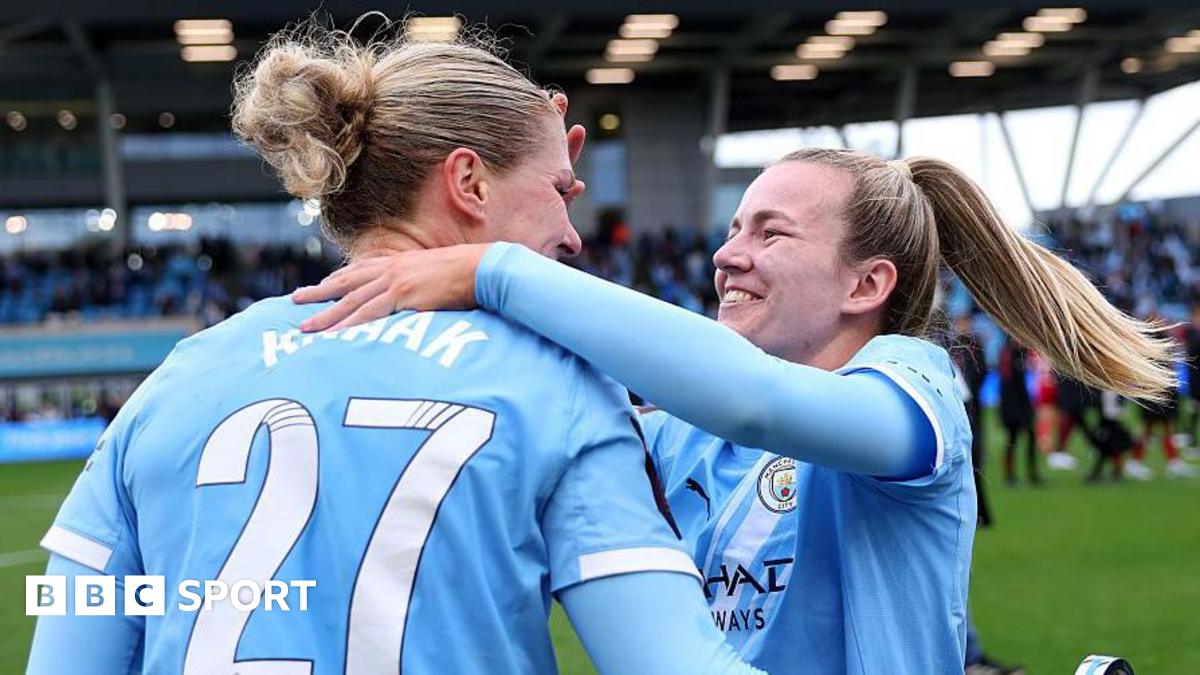
he sight of Rebecca Knaak fighting back tears on hearing the full-time whistle last Sunday summed up what this means. The Manchester City defender had sustained a painful shoulder injury during a victory over Liverpool snatched by her late header so probably had her own reasons for finding the combination of relief, soreness and joy a little overwhelming. But her emotions could have been felt by any of the longer-serving season-ticket holders in the stands after a decade-long wait for a Women’s Super League title.
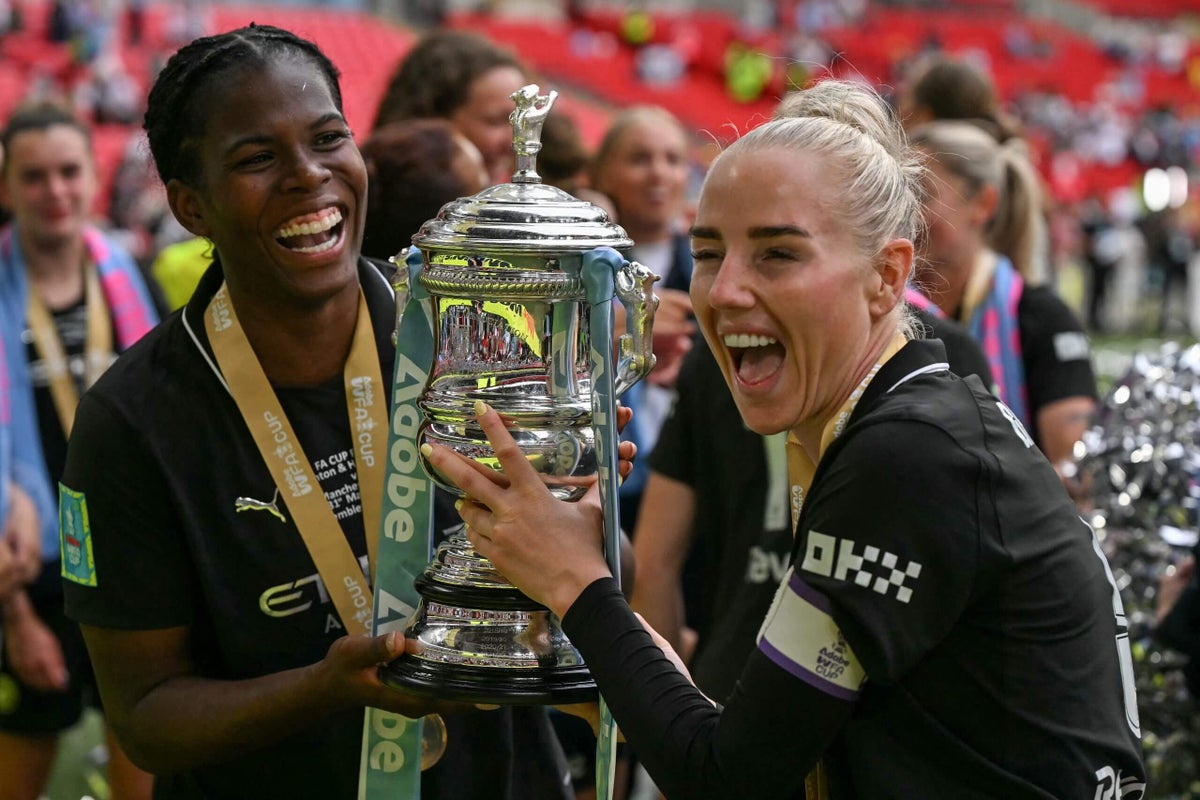
When City lifted this trophy in 2016, the landscape of the English women’s game was wholly different. The club, then managed by Nick Cushing, completed the 16-game campaign unbeaten and clinched the title on a day when they deployed a starting XI featuring nine English and two Scottish players from a squad that included only six non-English players. It was a time before the wider, full-time professionalism of the league and the influx of overseas talent.
Their class of 2026 features players from 15 nations, and eight countries were represented in their starting side against Liverpool, but the way the squad has come together as a true team has defined their season. It is understood one of the key priorities last summer was to emphasise the need for a unified group fighting for each other, and it has worked. One source close to the squad told the Guardian in April: “There are no whiners in this group, and that’s rarely the case in team sports.” Another expressed a view that this was the most “together” City team they had seen in the WSL era.