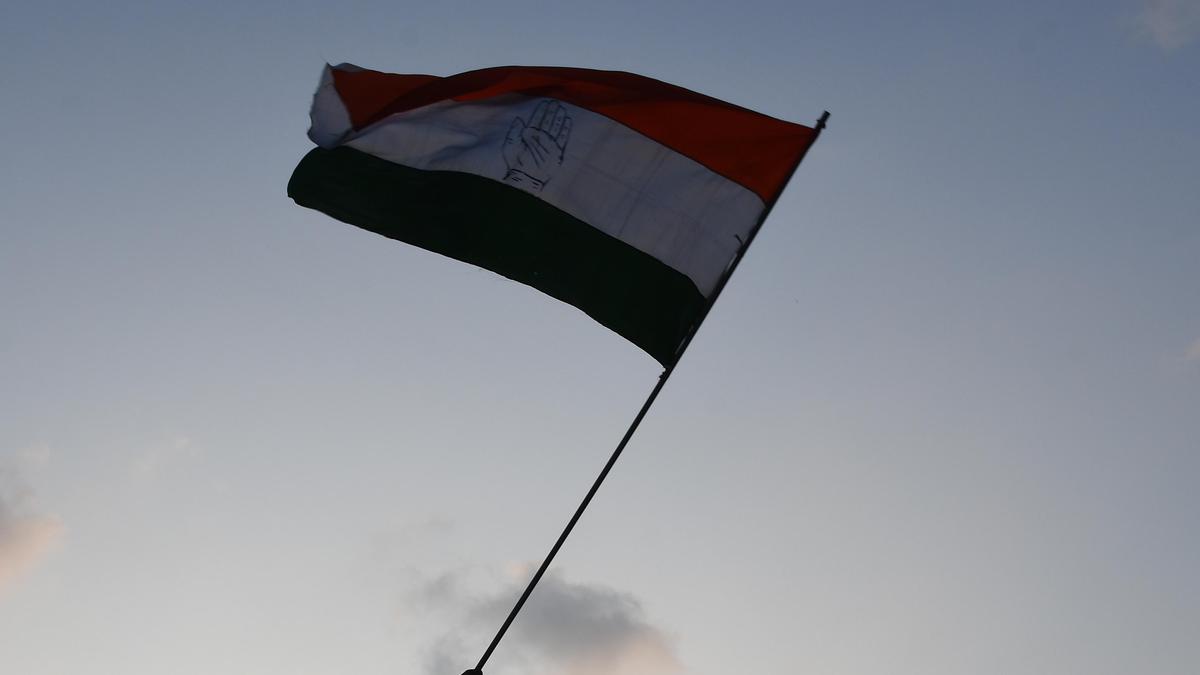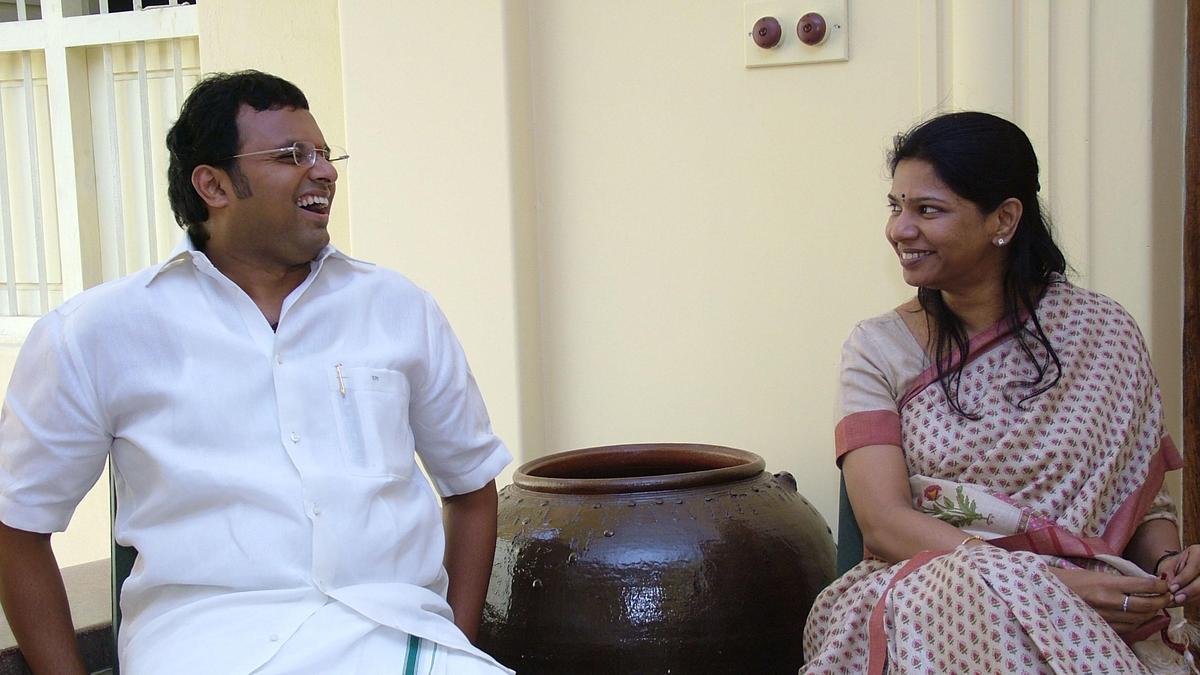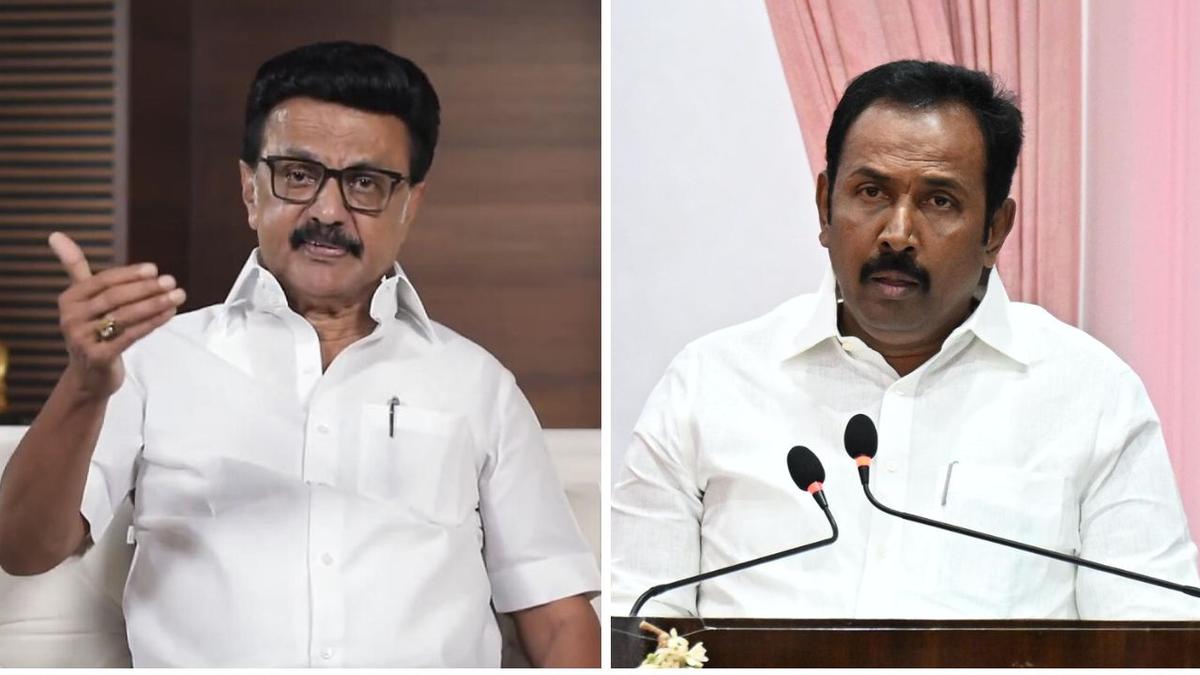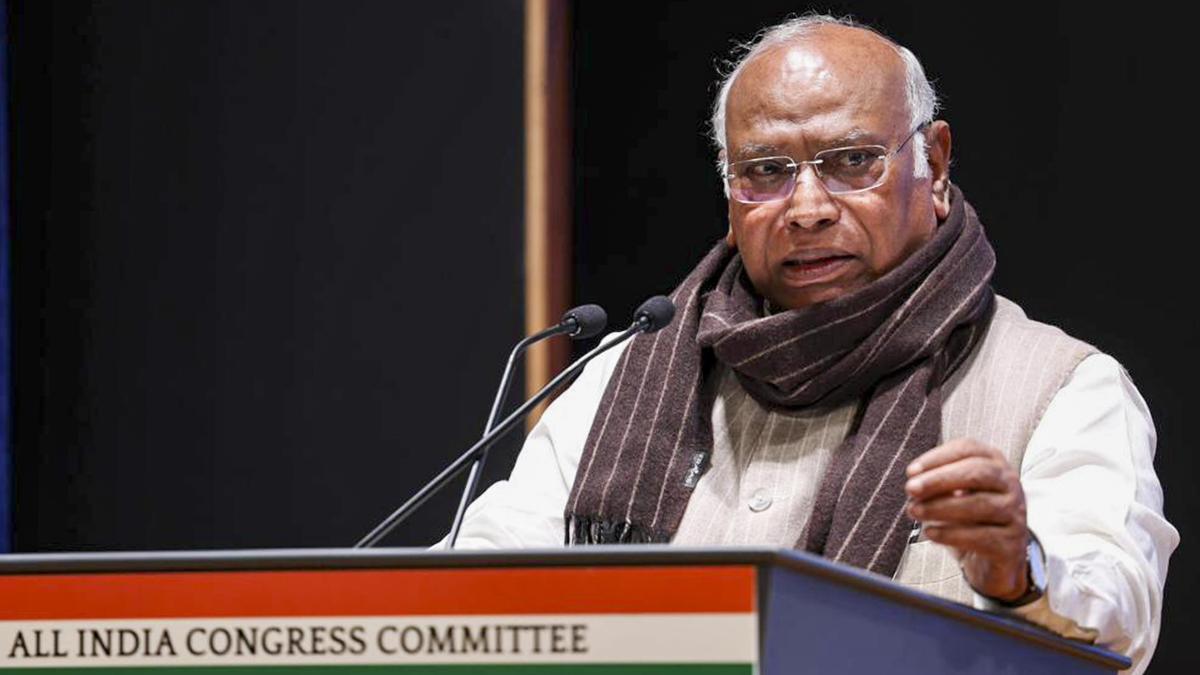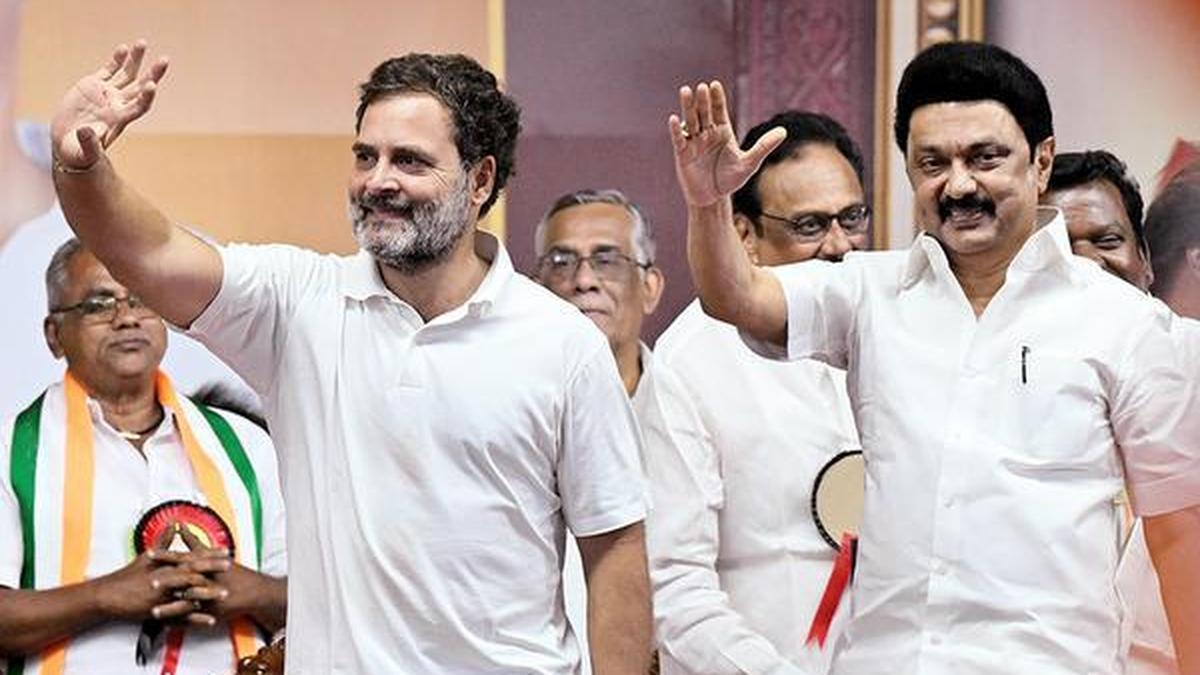
The over two-decade-old relationship between the DMK and Congress, with a brief break during the 2014 Lok Sabha polls, has finally come to an end. Whenever the two parties engaged in tough bargaining over seat-sharing—first in 2011, when the Congress insisted on being allotted 90 seats and eventually got over 60, and again in 2026, when negotiations reached a stage of brinkmanship—the alliance ended up losing elections.
Though together they shaped India’s coalition politics and remained an antidote to the BJP and its ideology, the relationship was not free of tensions. In 2004, DMK leader M. Karunanidhi, demanding important portfolios for his party’s ministers, as agreed in the pre-poll arrangement, announced they would not assume office until his demands were met. The Congress, then at the mercy of its allies, obliged. However, it stood firm in 2009 and retained the key portfolios. The 2G spectrum issue further widened the divide between the two parties, and the DMK quit the Congress-led government before the 2014 Lok Sabha polls, even though the Congress leadership sent senior leaders, including Pranab Mukherjee, Ghulam Nabi Azad, and A. K. Antony, to placate Mr. Karunanidhi. It was M. K. Stalin who stubbornly refused to entertain the Congress’s plea. The parties, however, came together again in the 2016 Assembly polls.