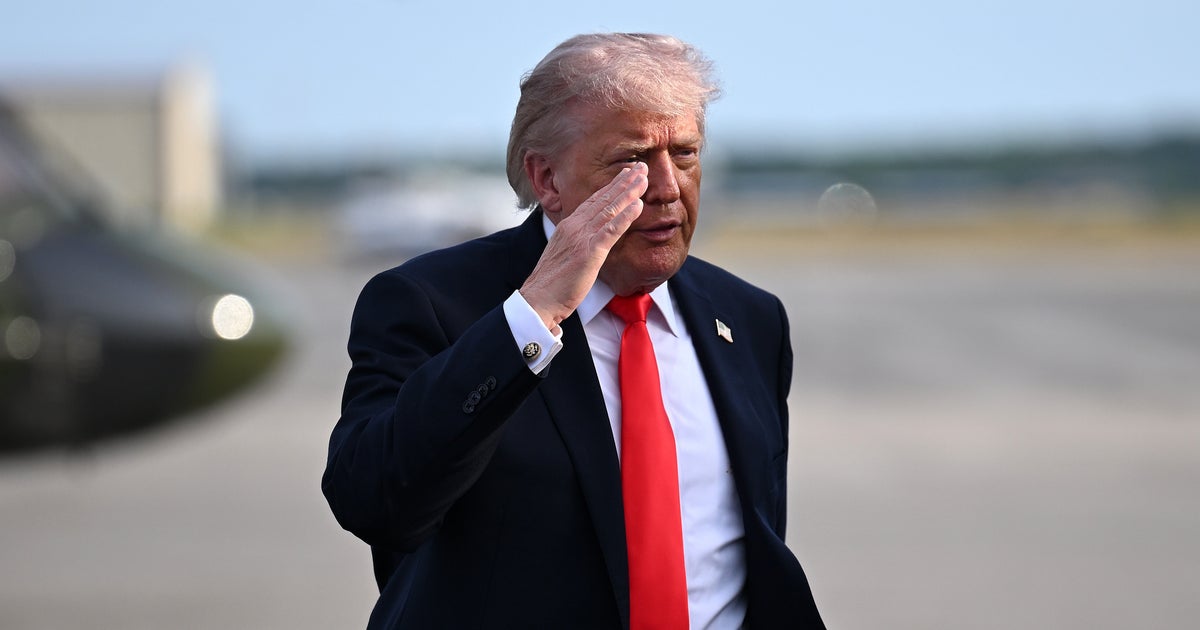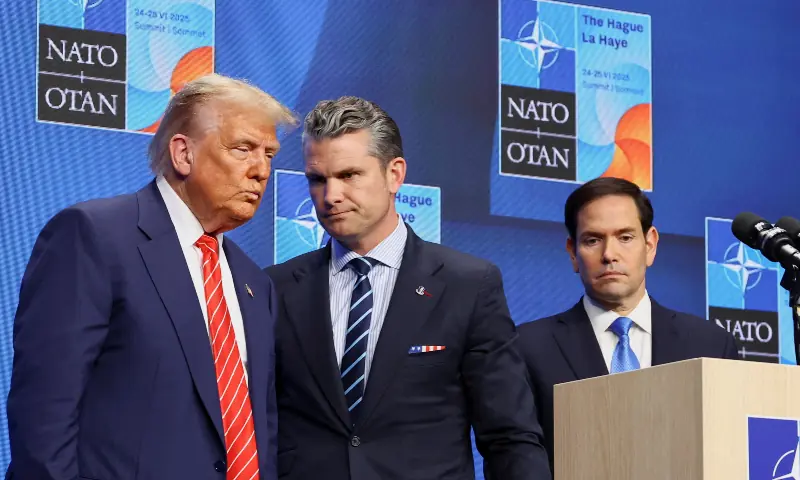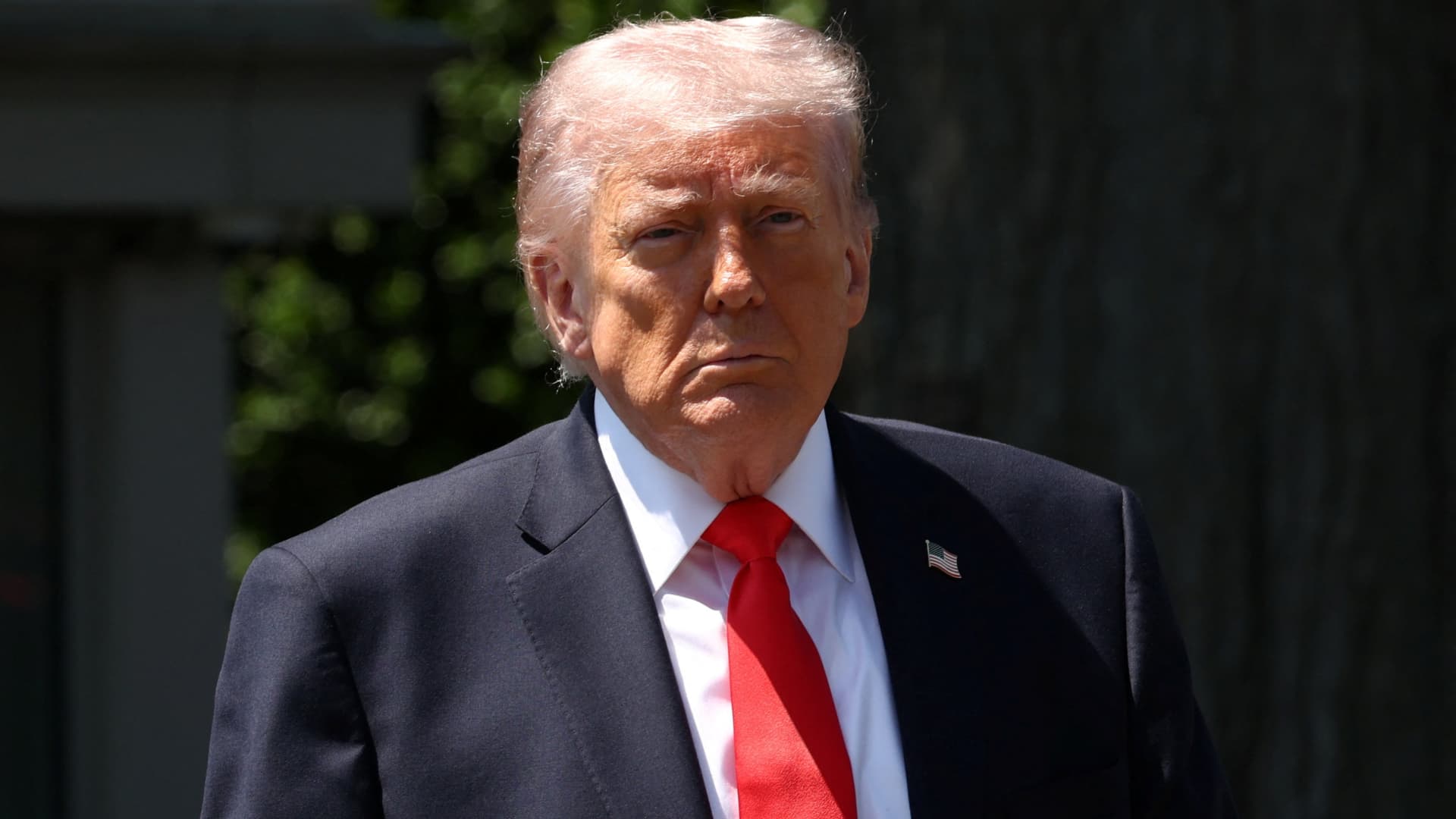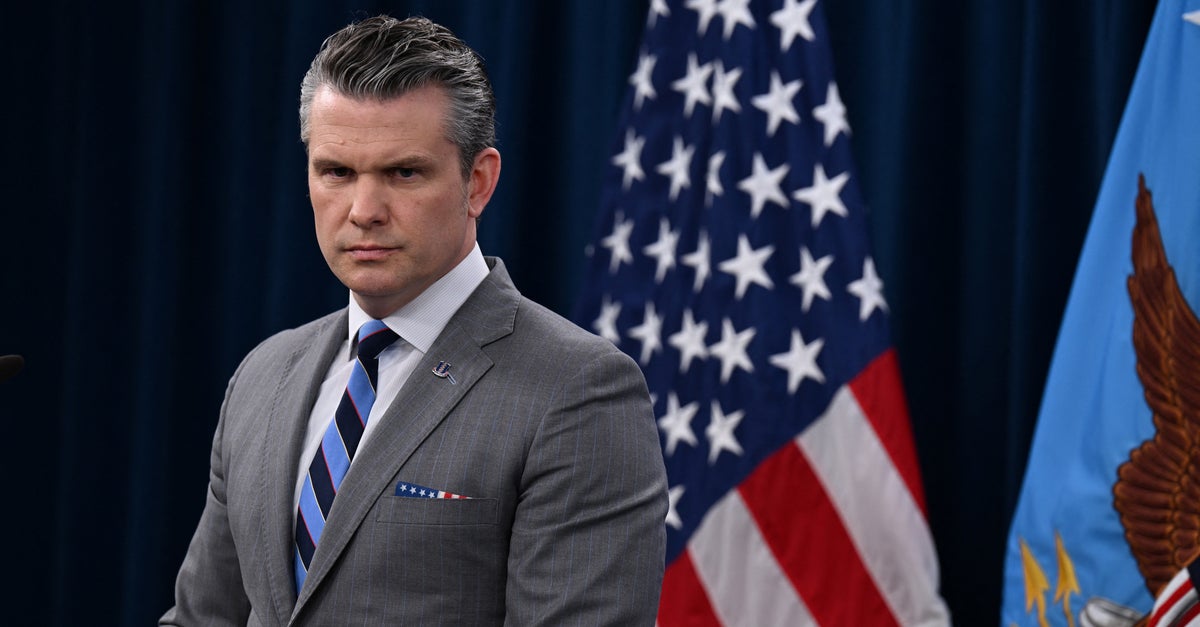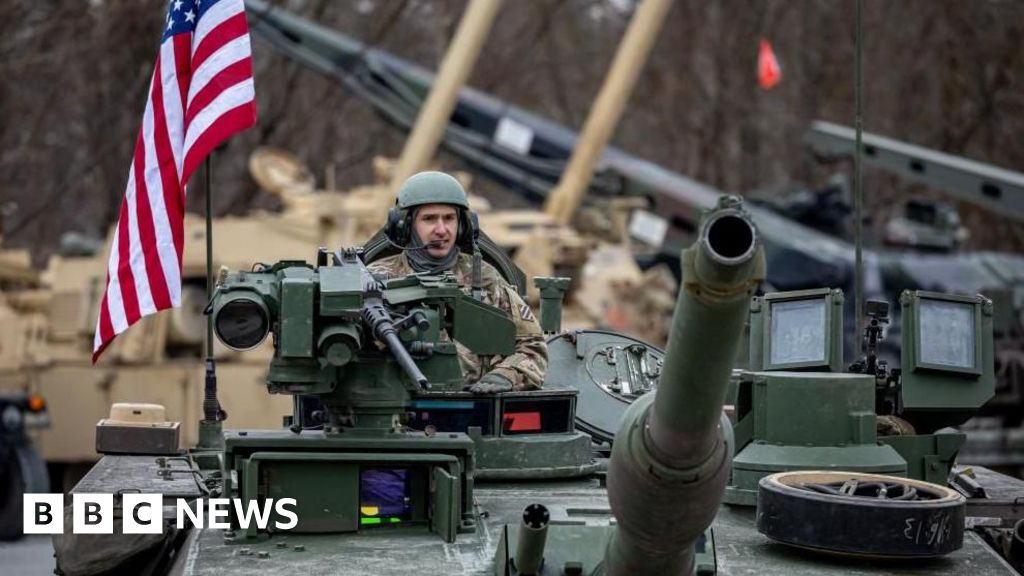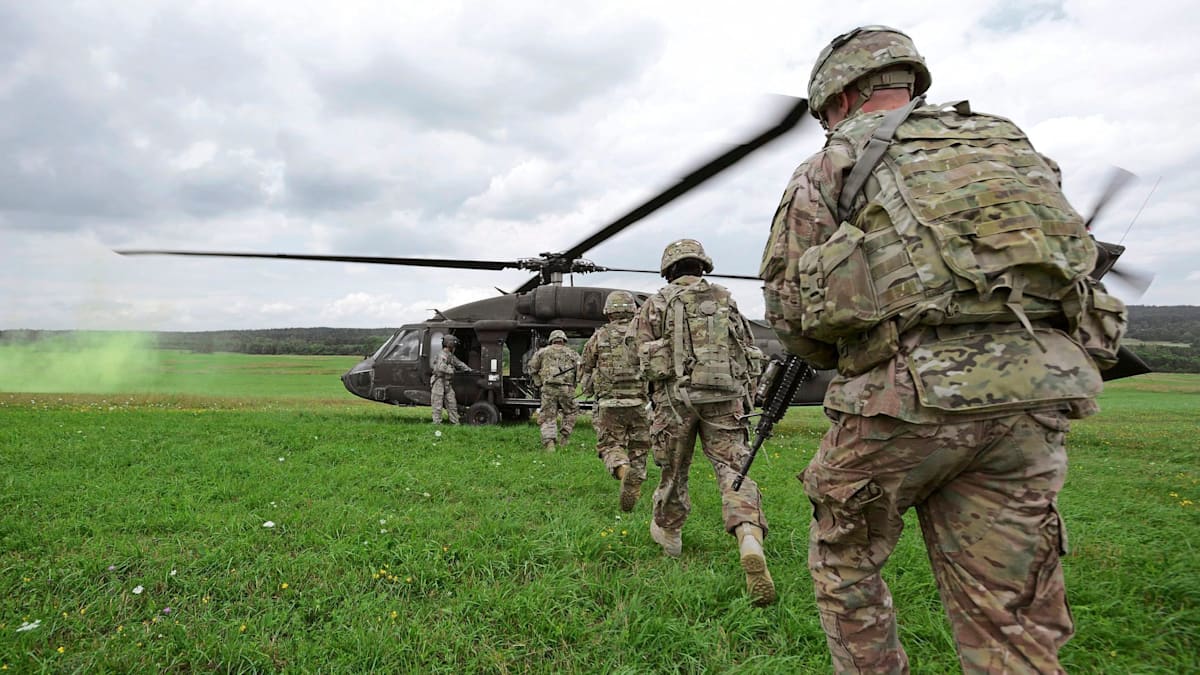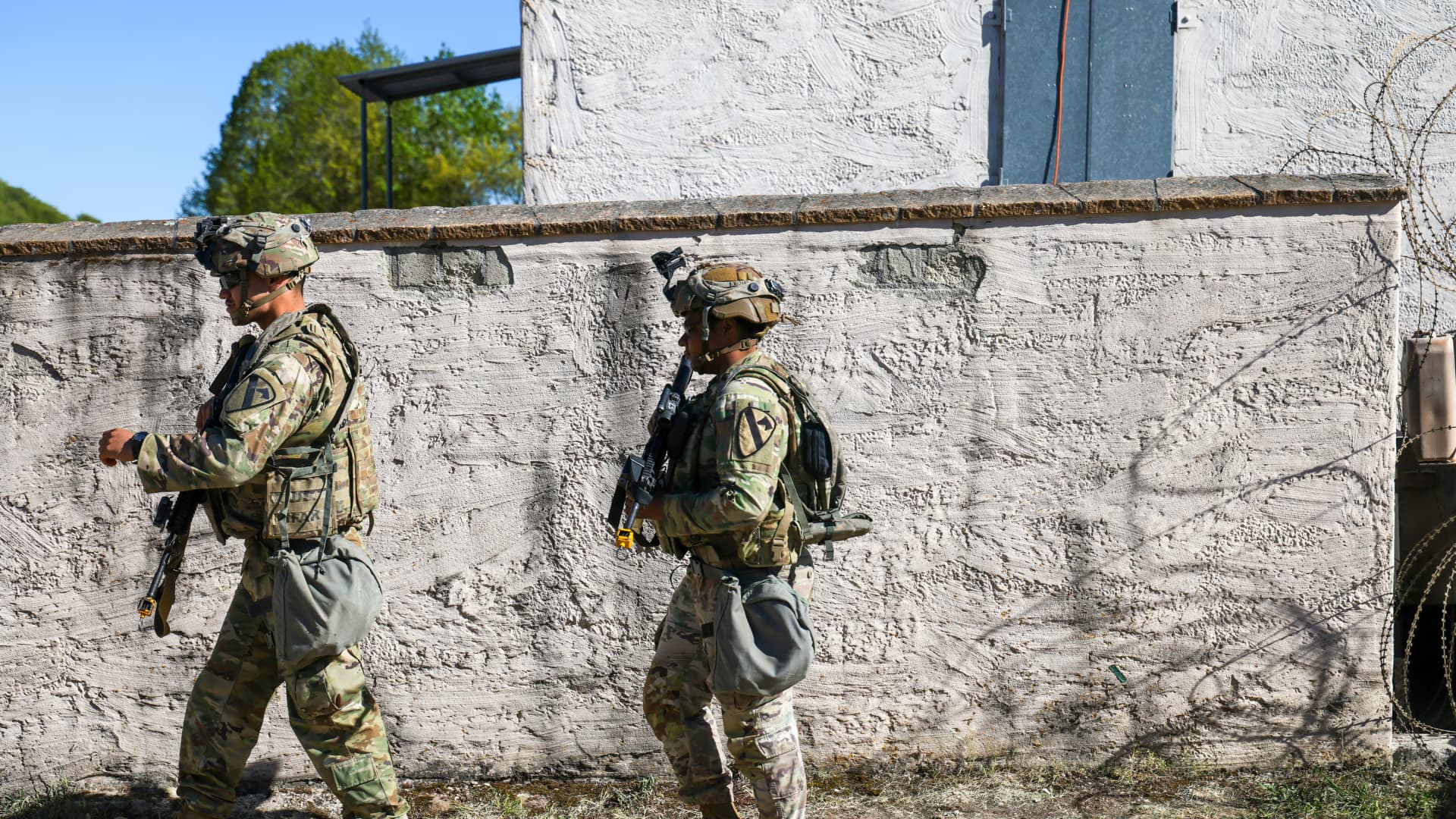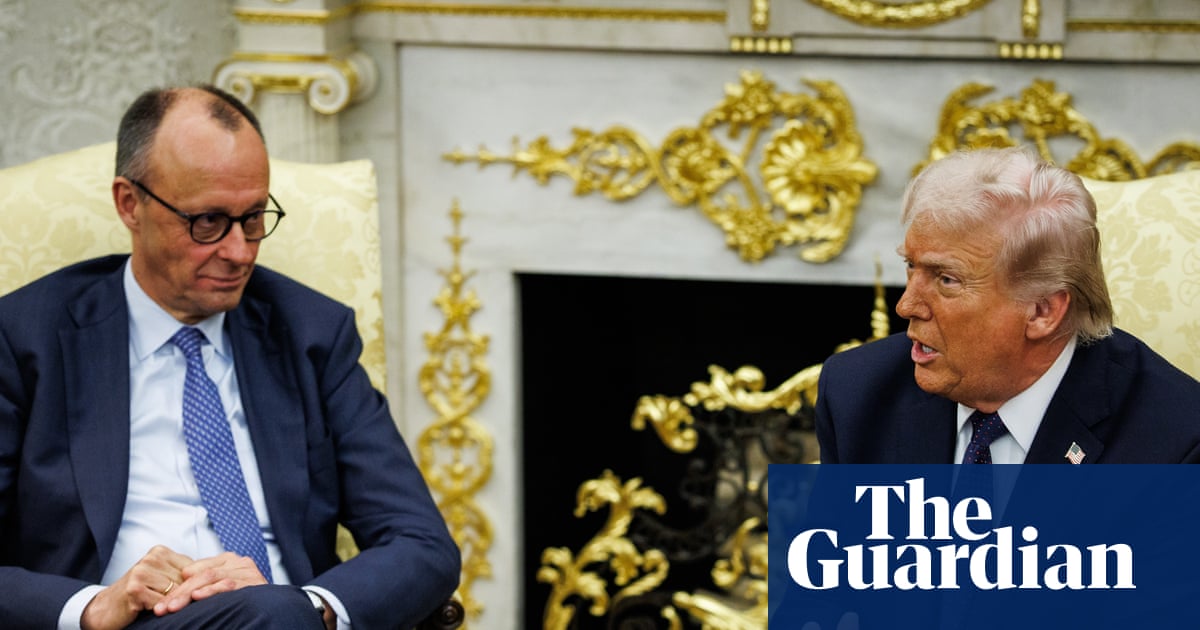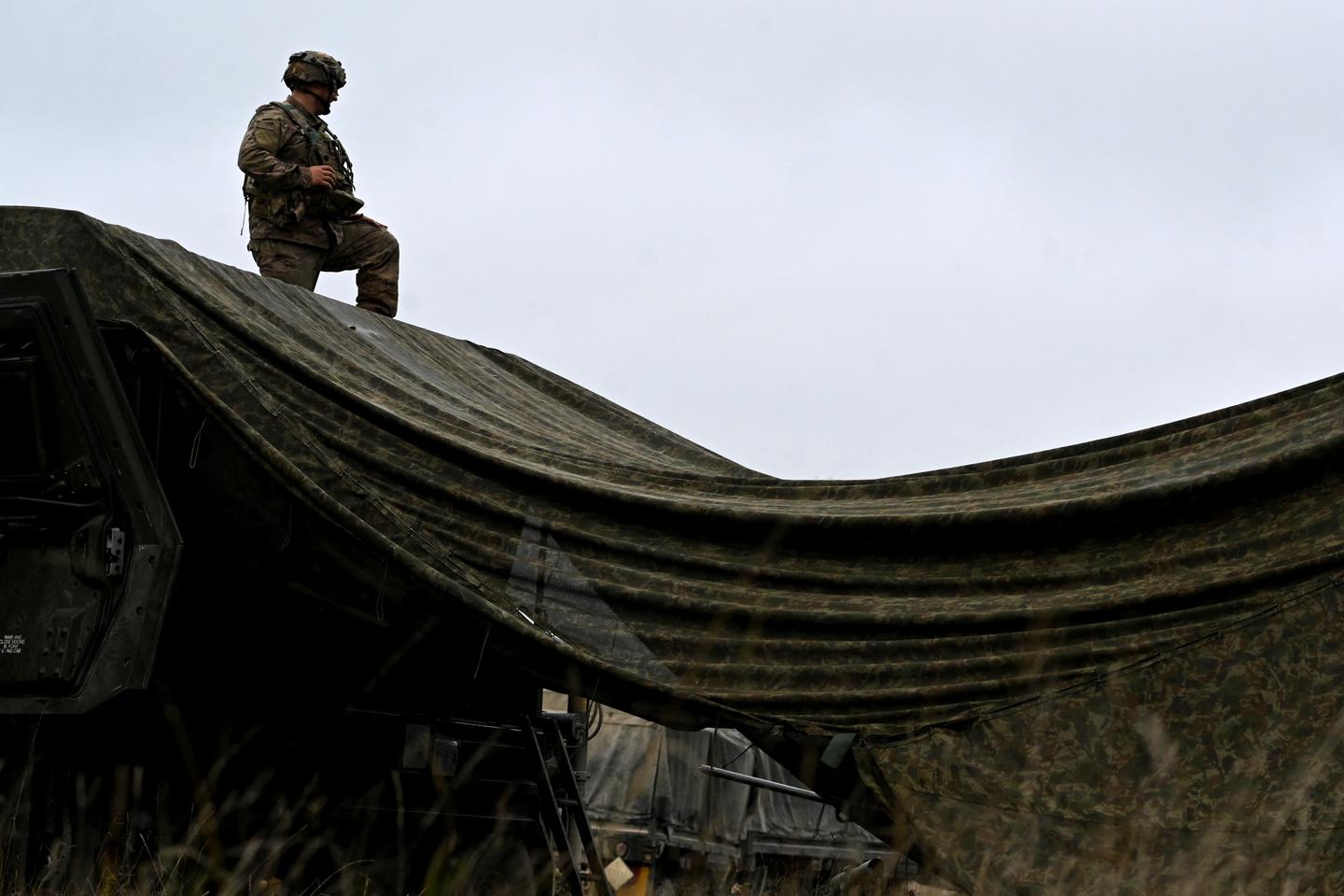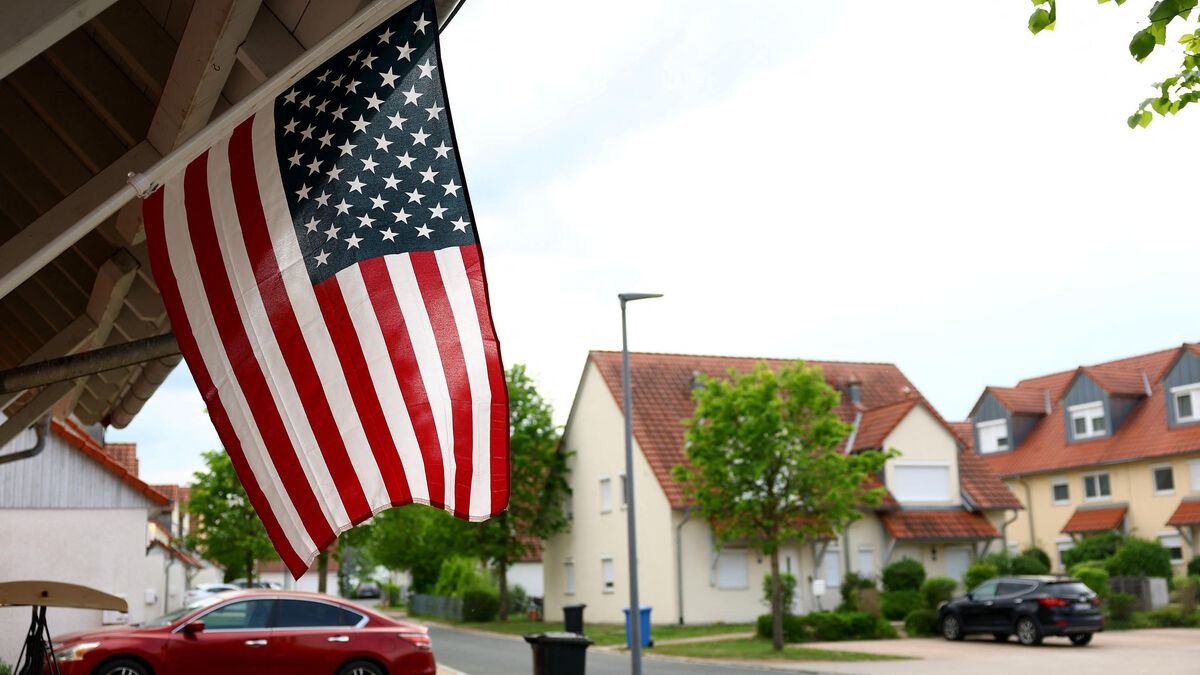
onald Trump's announcement to withdraw 5,000 American soldiers stationed in Germany i not just another episode of transatlantic tensions; it acts as a harsh wake-up call to Germany's vulnerabilities. Since the end of the Cold War, the American military presence in Germany has not only served as a strategic guarantee, but alsoi isivsoe isivsove isivsoe isivse voe a psychological foundation for the country's security. By deciding to scale it back just weeks before decisive regional elections in eastern Germany, the American president has intervened – deliberately or not – in an already tense domestic political sequence.
For a long time, Germany lived under the comfort of the "American umbrella." Yet the invasion of Ukraine in February 2022 had already shattered this illusion. The Zeitenwende ["turning point"] speech delivered by Chancellor Olaf Scholz just days after the Russian invasion of Ukraine promised change: rearmament, increased military spending and a redefinition of Germany's strategic role. But that transformation remains incomplete, despite new announcements from Chancellor Friedrich Merz to make the Bundeswehr "the most powerful conventional army in Europe." The German army continues to suffer from structural shortcomings and public opinion remains divided over the military role the country should assume. But the transatlantic bond was still being perceived as unbreakable, even in spite of its ups and downs and the threat that Trump had already in 2020 to sharply reduce the American military presence in Germany.