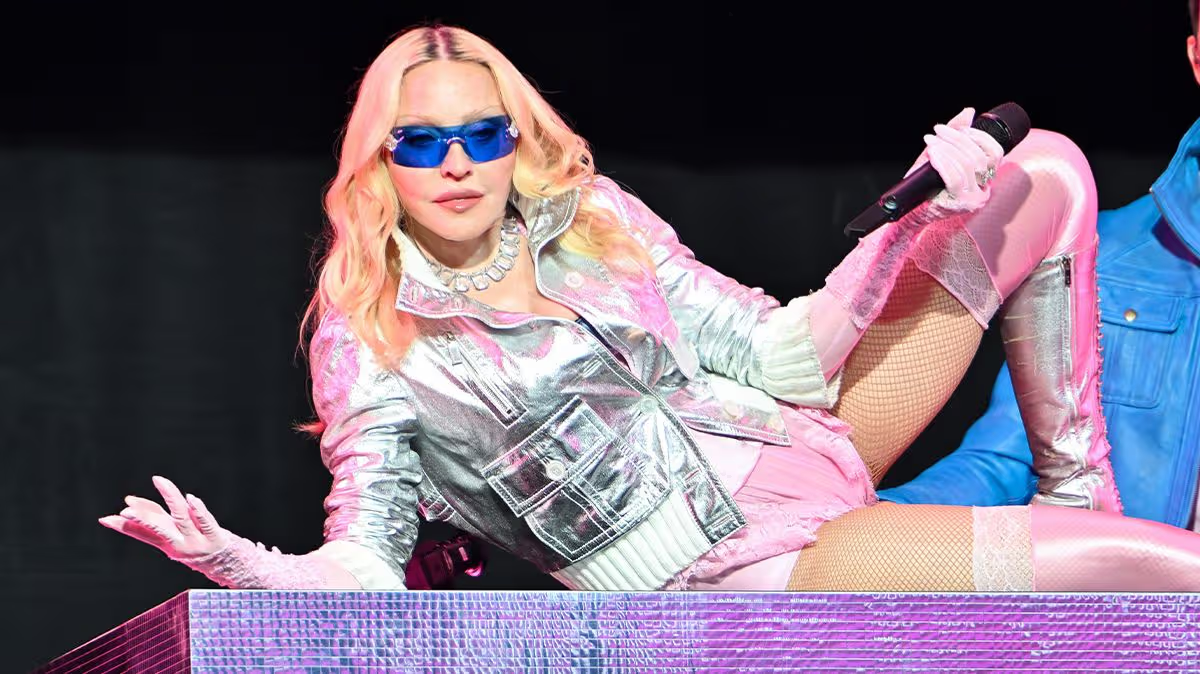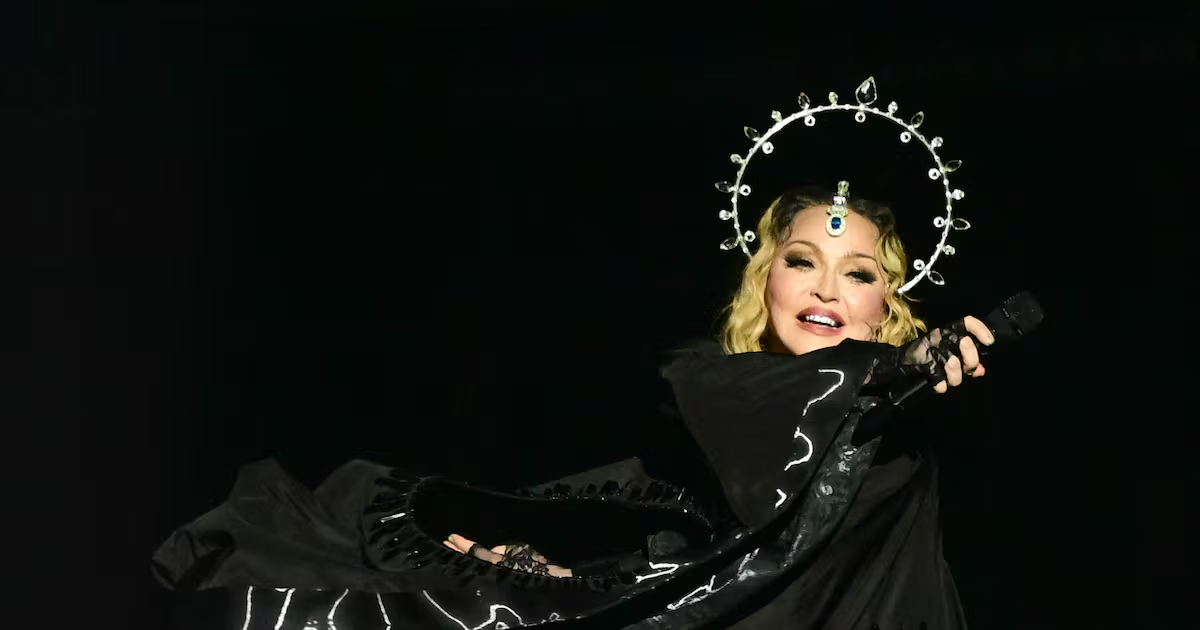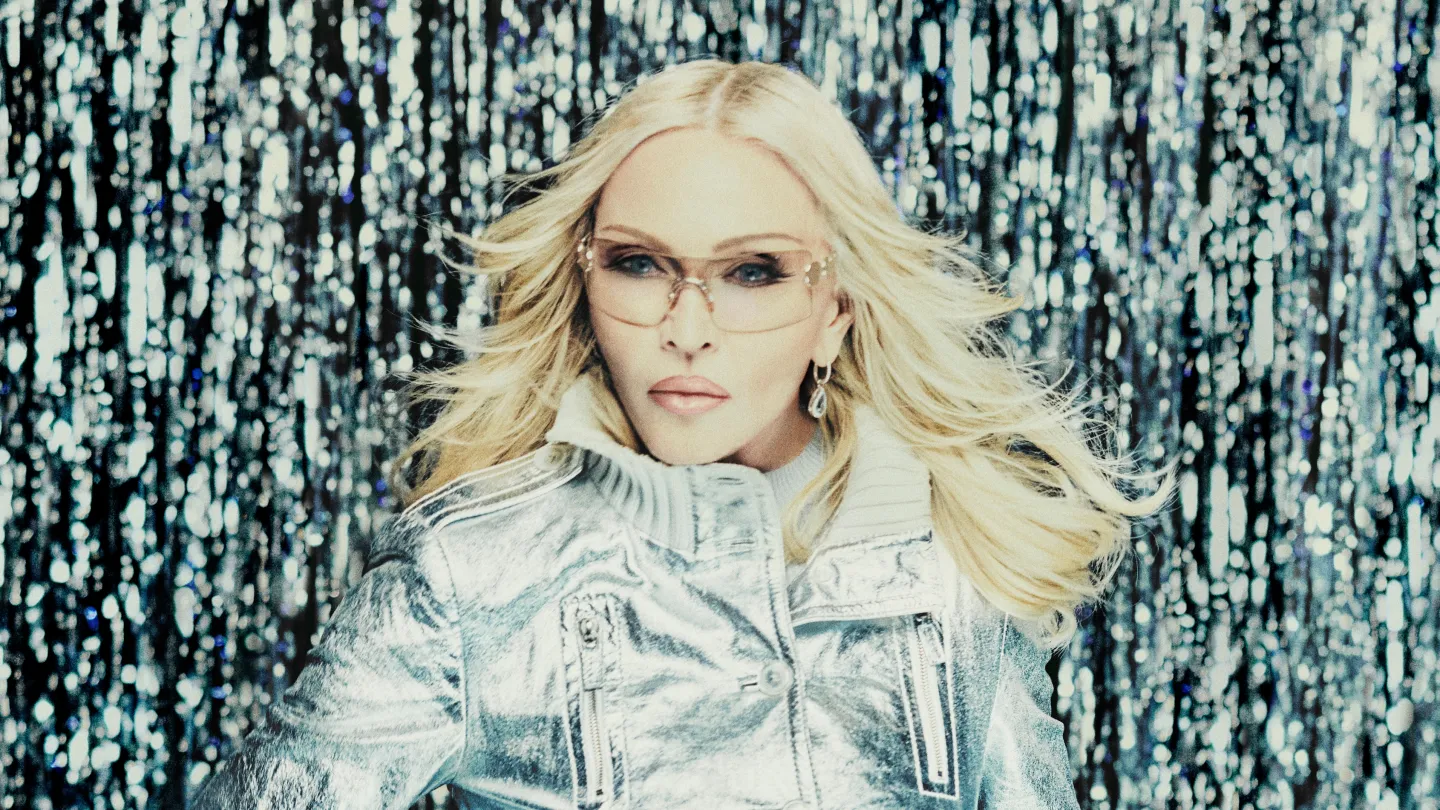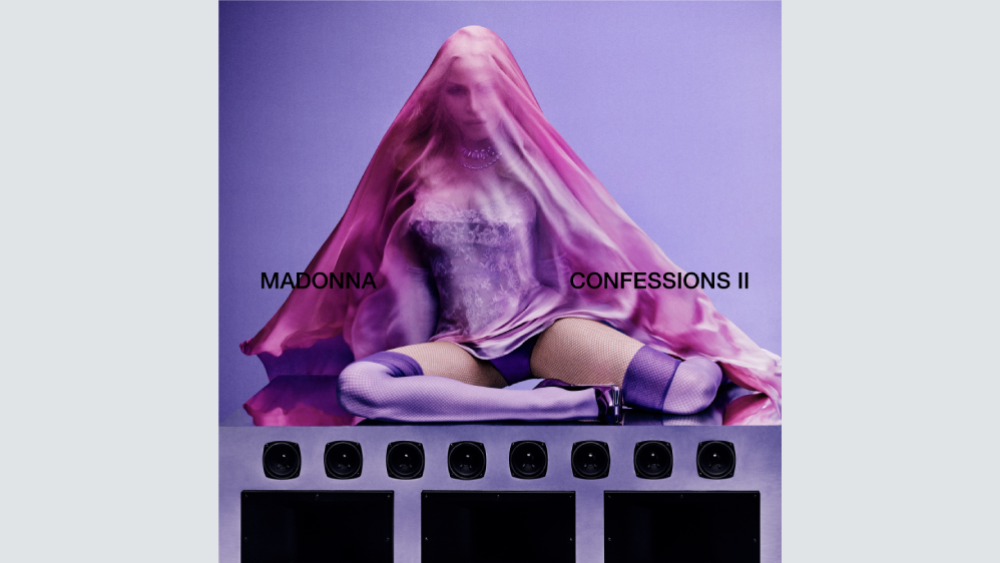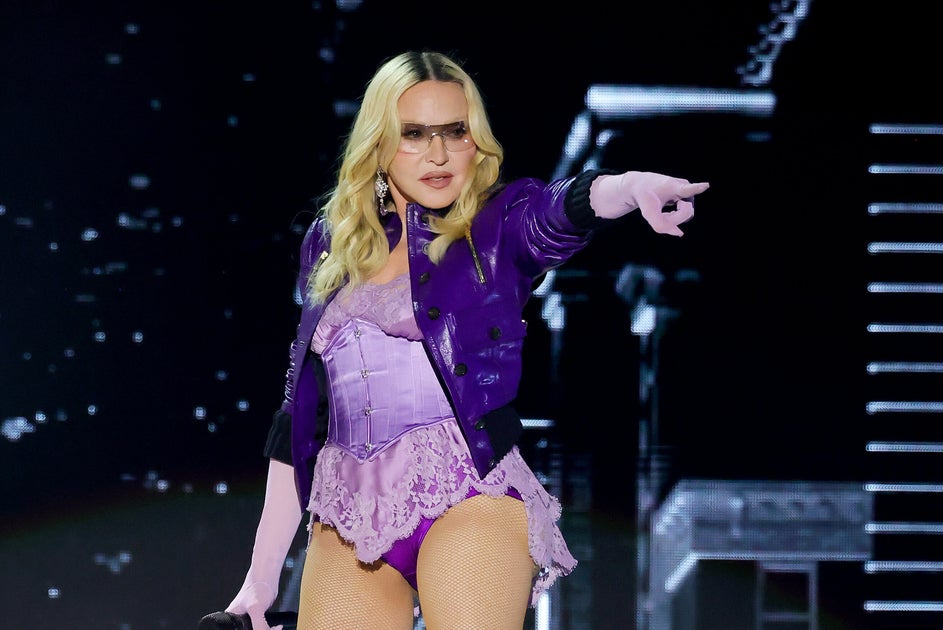
Madonna has done it again. On April 18, she released a house track, “ I Feel So Free,” giving the public its first taste of “Confessions II,” the sequel to “Confessions on the Dance Floor,” her dance-pop album that dominated the charts in 2005.
Last week, she dropped the new album’s lead single, “Bring Your Love,” in collaboration with Sabrina Carpenter. “Confessions II,” planned for a summer release, promises to engage both Madonna’s hardcore fanbase and cement her icon status with a rather unexpected audience: Gen Z.
Madonna has been having a bit of a renaissance with the youth (myself included). Her recent appearance during Carpenter’s Coachella set caused a stir, and on TikTok, it’s hard to scroll without hearing “Vogue” and “La Isla Bonita.” There seems to be no shortage of young content creators commenting on her past discography, bonding over a newfound love of her music with older and newer fans.
Some of this explains why, regardless of the fact that many of us weren’t even born during her heyday, Gen Z is absolutely Madonna-pilled right now.
To dig deeper into this phenomenon, we need to examine one of our biggest cultural crises right now: the disappearance of the quintessential popstar.