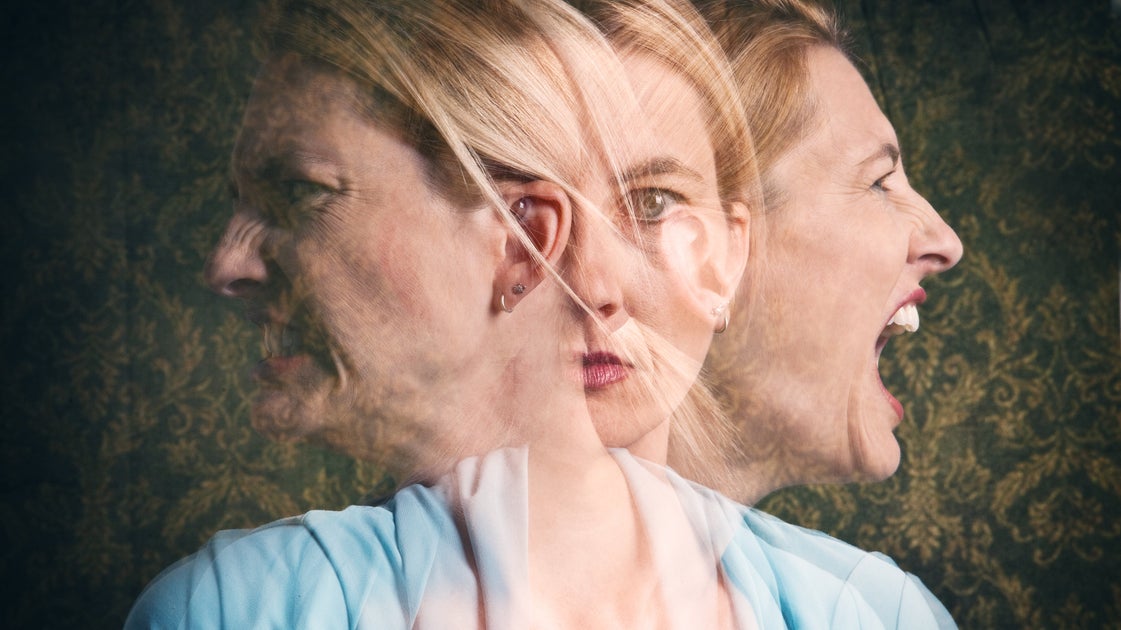
Sometimes, a person’s reaction to criticism or scrutiny can feel wildly disproportionate, escalating quickly from defensiveness to blame shifting and outright rage. The current president often makes headlines for these kinds of reactions, which draw widespread attention as things quickly spiral on a public stage.
In other situations, it might show up in your own life ― in a partner, boss, family member or ex who seems unable to tolerate even mild criticism without lashing out or trying to control the narrative. Mental health experts say this reactiveness can be a common trait in narcissists, and the specific phenomenon may reflect something known as “narcissistic collapse.”
“Narcissistic collapse is what happens to a narcissist when they experience an ego-injury that generates feelings of shame or challenges their false sense of self,” Hannah Alderete, a licensed mental health counselor and the author of “Break Free From Narcissistic Mothers,” told HuffPost. “The biggest threat to the narcissist is that their vulnerability is witnessed by others and they can no longer maintain a facade of power or authority.”
Narcissists feed off external validation to maintain a carefully cultivated image that they are superior, special and extraordinary. But beneath that facade is a deep-seated sense of shame and insecurity ― proof that they are ordinary, flawed human beings.