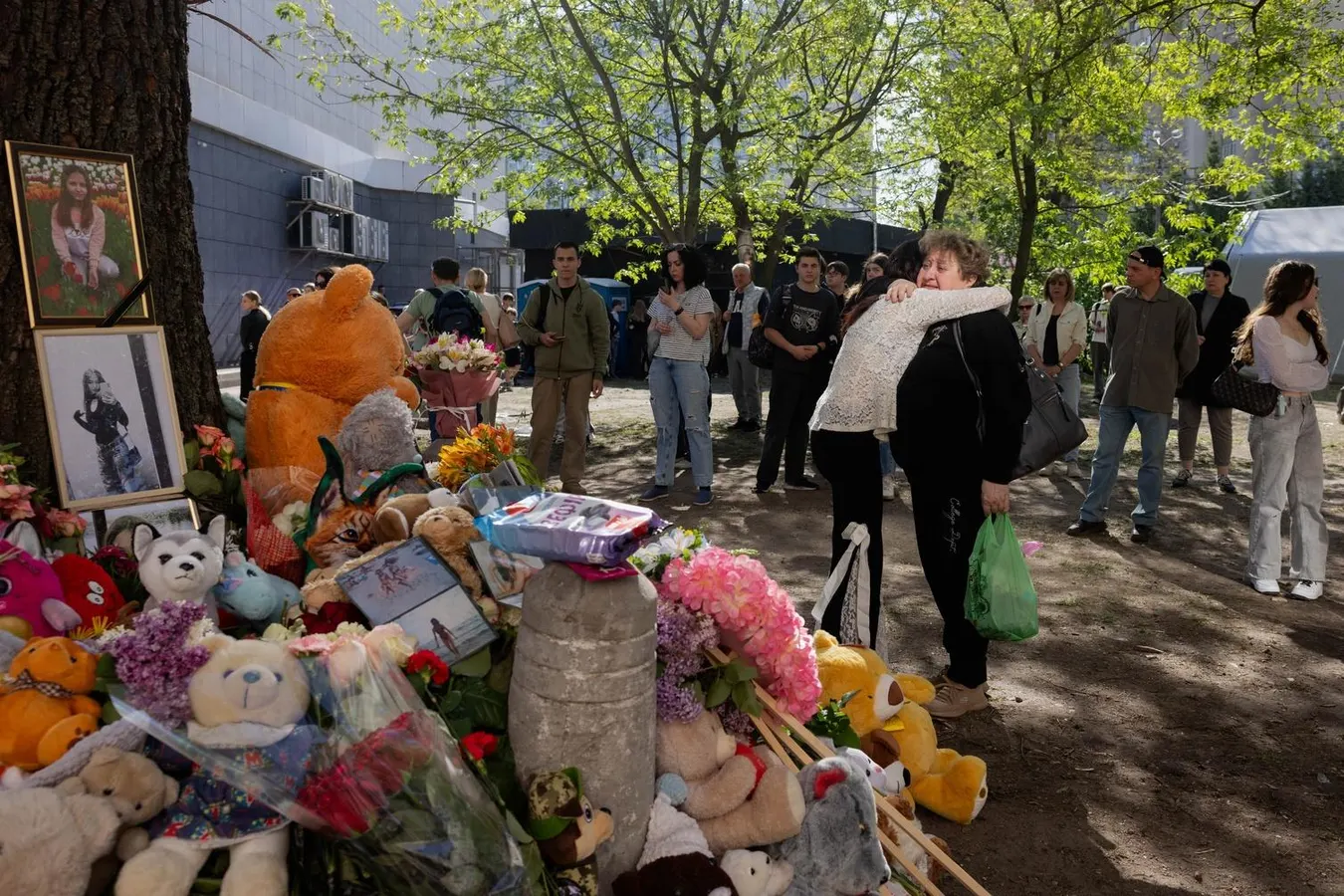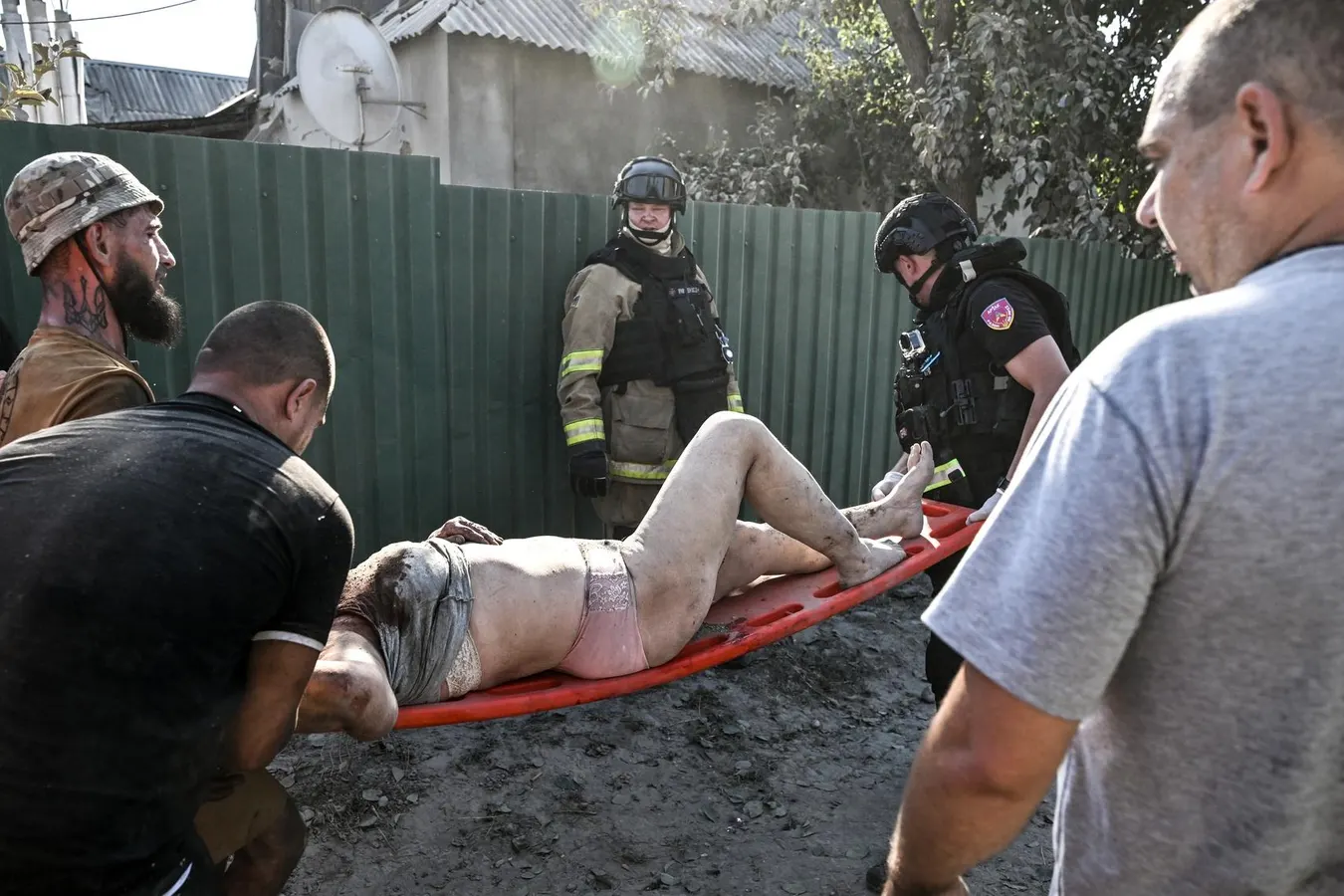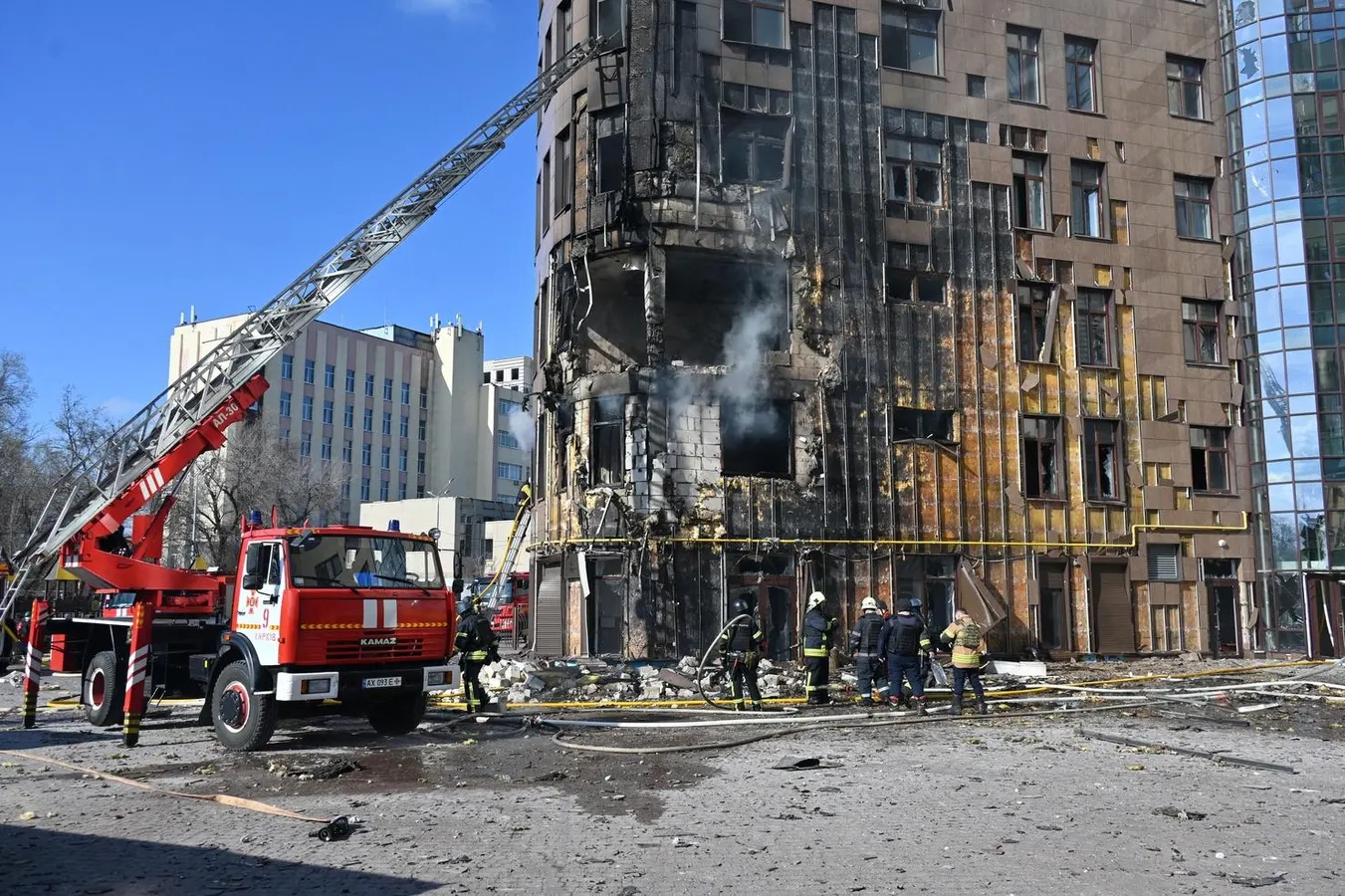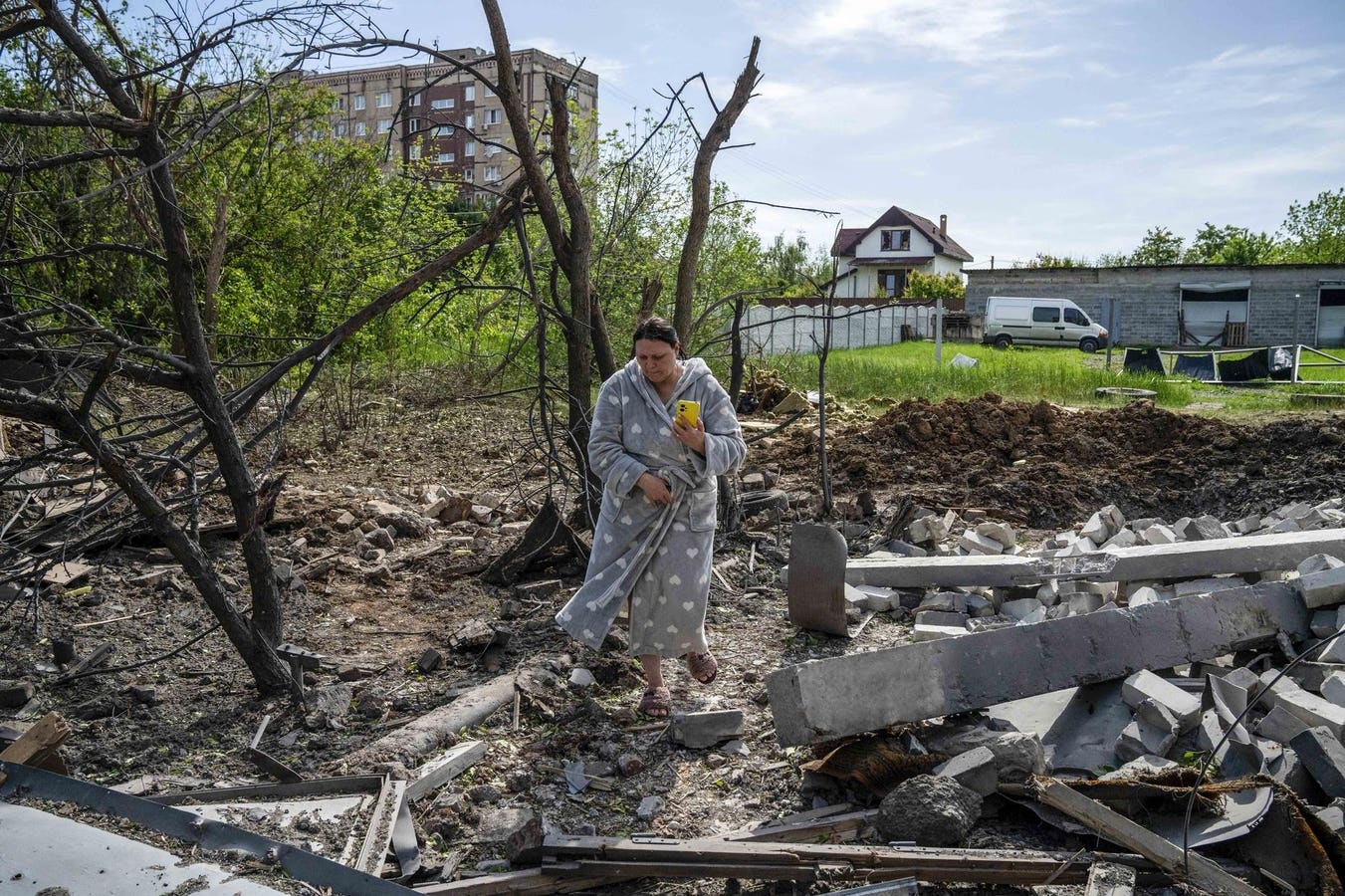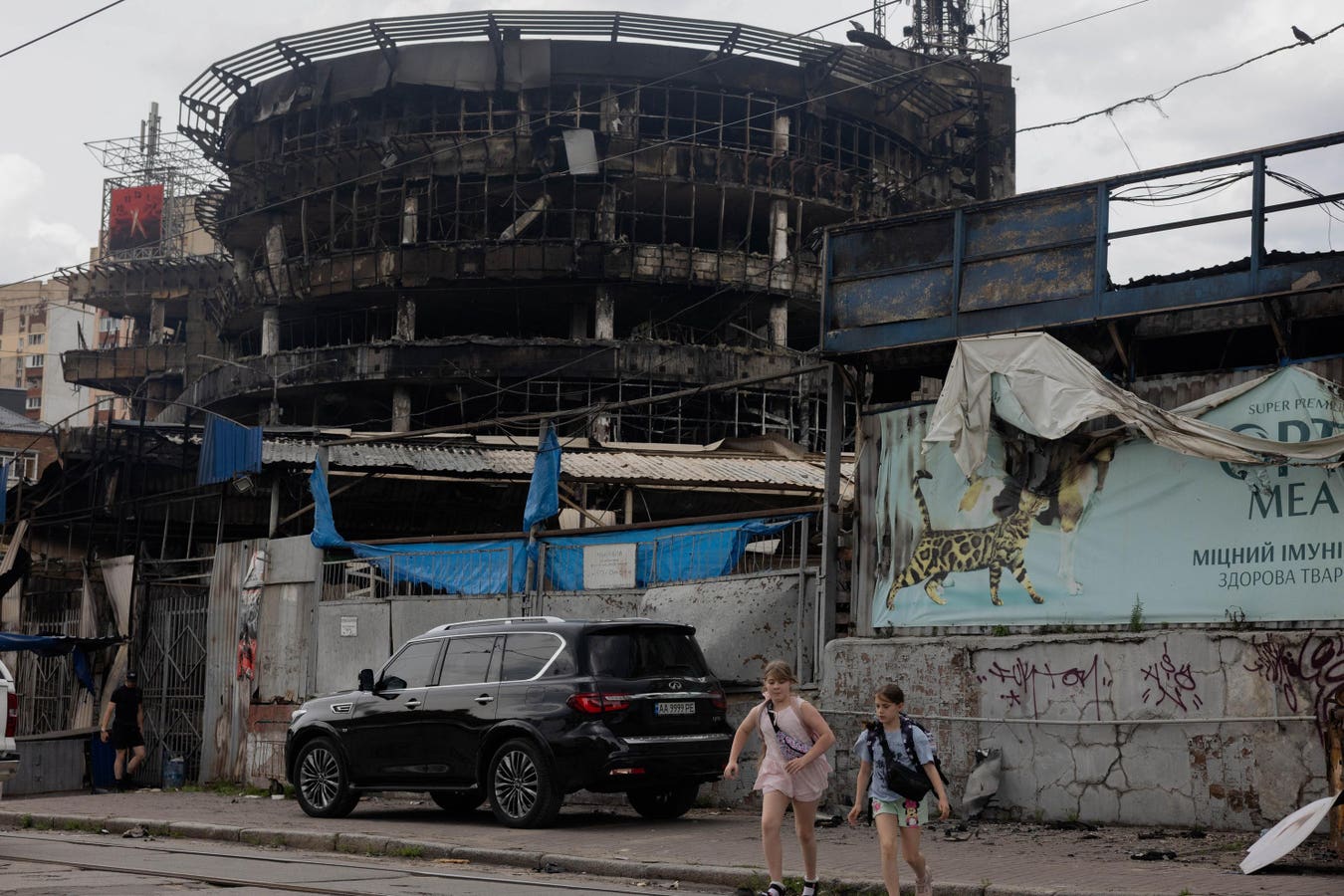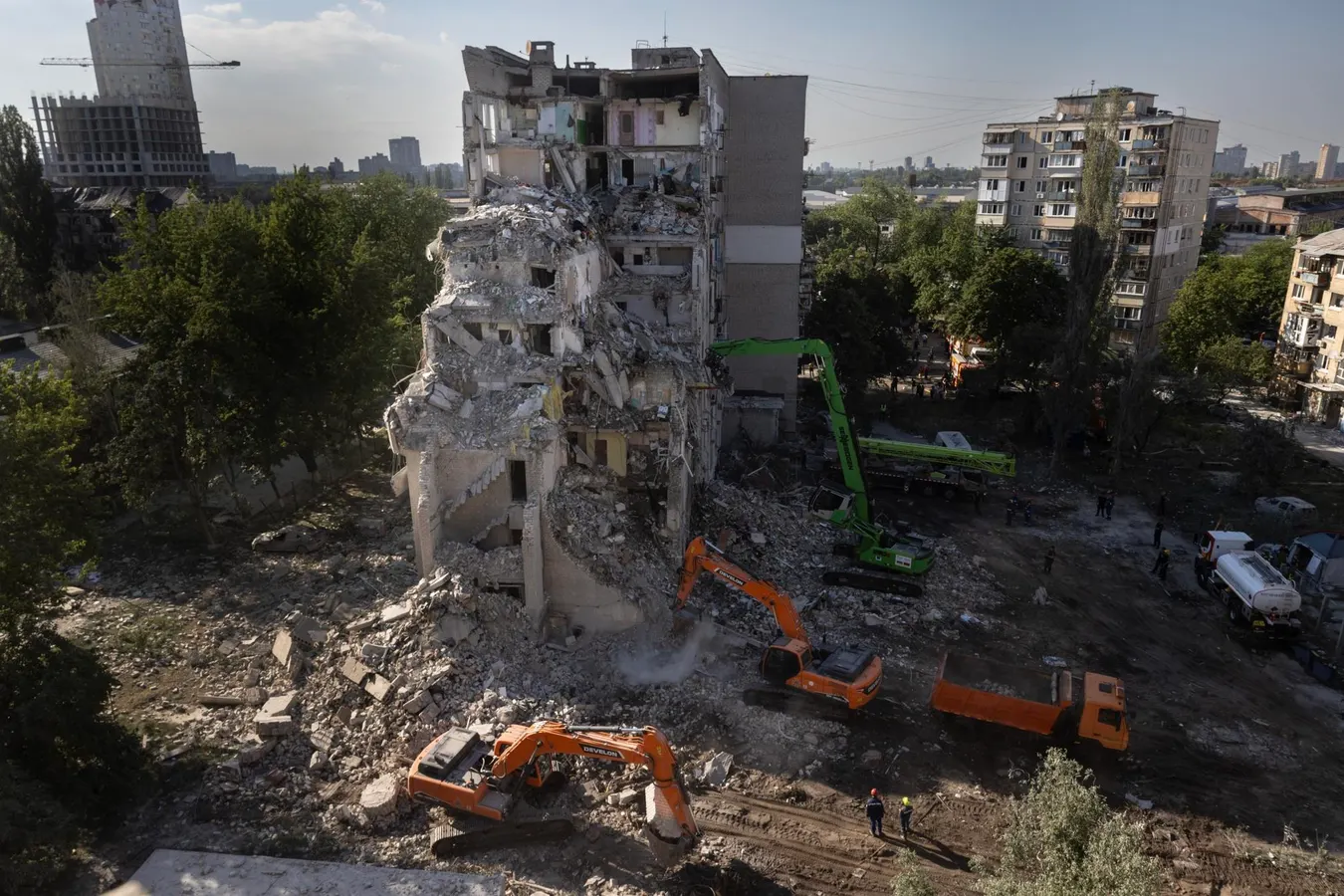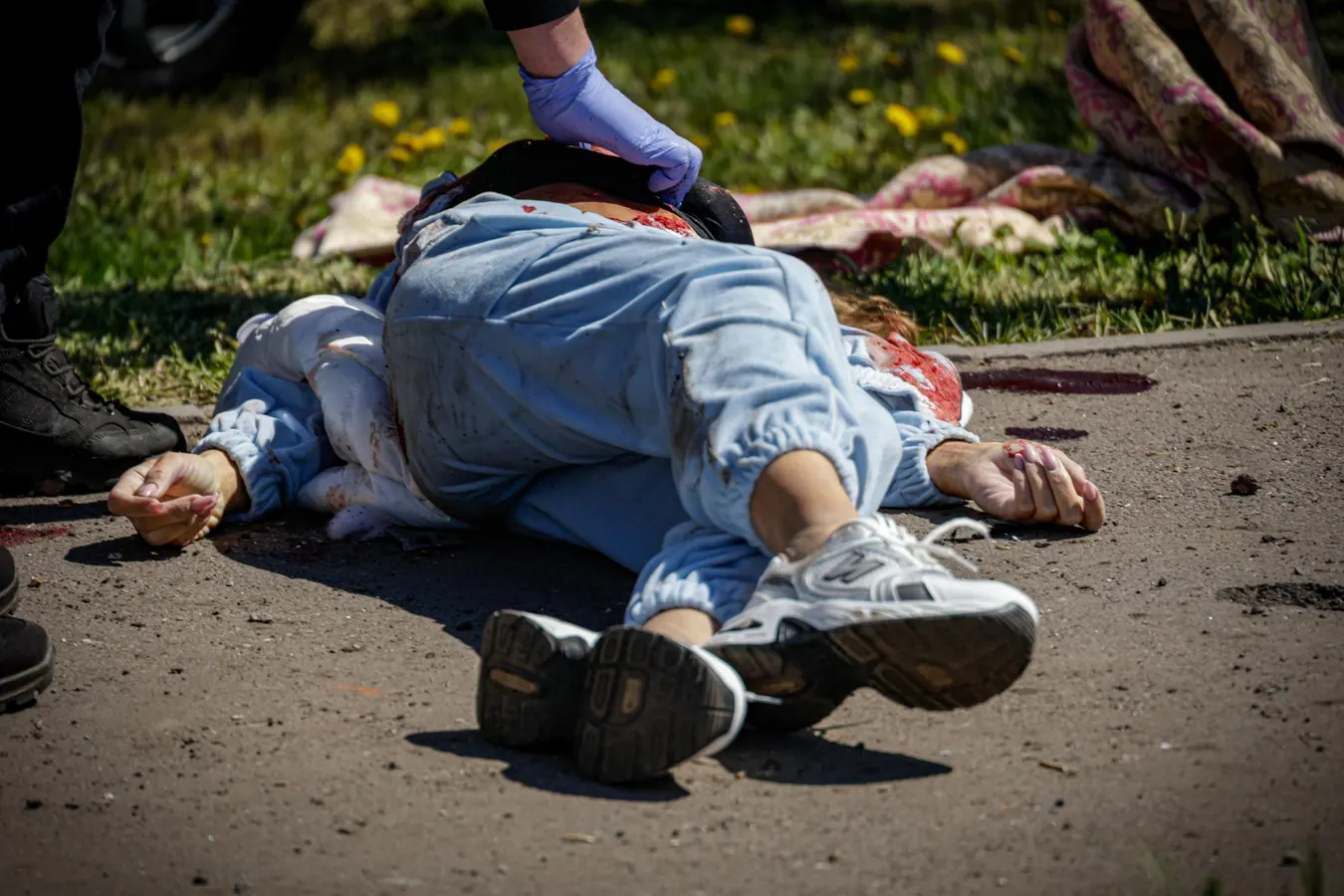
KHARKIV, UKRAINE. The body of a woman, who lost her lives resulting from a missile strike by Russian forces on the town of Merefa, Kharkiv region, Ukraine on May 4, 2026. As a result of the attack, seven people died and 36 were injured (Photo by Stringer/Anadolu via Getty Images)Anadolu via Getty ImagesDispatches from Ukraine. Day 1,532Bilateral AttacksOn May 4, Russia's attacks killed at least 14 people, Ukrainian officials reported; close to 60 others were wounded. The heaviest toll was reported in Merefa, a town near Kharkiv, where a Russian strike killed seven civilians and injured 32, destroying shops and setting cars ablaze.Moscow, too, came under attack. Overnight on May 4, a Ukrainian drone struck an apartment building near the city center.On May 1, Ukrainian drones repeatedly struck the maritime terminal in Tuapse, on the Black Sea, for the fourth time in two weeks. The attack caused a fire, but no casualties, Russian officials said. Tuapse is a strategic node in Russia's energy trade: its oil terminal is closely linked to the nearby refinery.U.S. Envoy to Ukraine to Depart Kyiv. Julie Davis, America's acting ambassador to Ukraine, is expected to leave Kyiv in the coming weeks, leaving one of Washington's most sensitive diplomatic posts without a confirmed envoy. Ms. Davis, a three-decade State Department veteran who has served as temporary chargé d'affaires since last May, had reportedly grown frustrated with the Trump administration's waning support for Ukraine. The State Department, nonetheless, denied that her departure reflected policy differences. Tommy Pigott, a spokesman, called that suggestion "false", saying Ms. Davis had been "a steadfast proponent" of the administration's efforts to secure a durable peace. He said Davis would remain in Kyiv until June 2026 before retiring from the department.Russia Threatens Kyiv Ahead of Moscow ParadeRussia has threatened to blast central Kyiv if Ukraine attacks Moscow on May 9, when Russians celebrate the 81st anniversary of victory in World War II. On the evening of May 4, Russia's Defense Ministry announced a two-day ceasefire starting on May 8, in line with a decree by Vladimir Putin. Last year, the pause lasted three days.MORE FOR YOUThis year, the parade has been scaled down, and the number of military vehicles, including tanks, rolling through Red Square alongside marching infantry has dwindled since the full-scale invasion of Ukraine. On May 4, after Russia's ceasefire announcement, Zelenskyy proposed a "regime of silence" starting overnight into May 6, though he did not specify its duration. "We believe that human life is incomparably more valuable than the 'celebration' of any anniversary," he posted on Telegram.Zelenskyy Introduces Pay-for-Recruits Army ReformPresident Volodymyr Zelenskyy has unveiled the outlines of an army reform aimed at raising military pay and beginning demobilization. The plan was prepared for several months by Ukraine's Defense Ministry. Ukraine plans to raise the minimum monthly pay for service members and offer new infantry contracts worth up to $9,000, which is close to 15 times the average monthly salary in Ukraine.Culture Front. A musical tribute commemorating the 40th anniversary of the Chornobyl disaster took place on May 1 at Carnegie Hall in New York. Presented by the Young Performers Foundation under the patronage of Ukraine’s Permanent Representative to the United Nations, Andrii Melnyk, and Svitlana Melnyk, the concert featured violinist Solomiya Ivakhiv and pianists Steven Beck and Pavlo Gintov. The program commemorated the 1986 disaster while highlighting Ukrainian classical music, with proceeds supporting Ukrainian culture.Introducing the event, Melnyk said that recognition of Ukrainian composers has often been limited: “For more than 70 years of Russian-Soviet occupation, Ukrainian culture, and in particular its musical tradition, was systematically repressed,” with composers persecuted, silenced, or banned from performance. He said: “What was lost over decades cannot be restored overnight, but it can be revived, reconnected, and reintroduced to the world,” describing the concert as part of a broader effort to “introduce a broader audience to Ukrainian heritage of classical music.” Calling the initiative a step toward addressing historical gaps, Melnyk said the evening aimed to bring forward composers whose names “have often remained less familiar or gradually faded from wider awareness,” such as Myroslav Skoryk, Yevhen Stankovych, and Viktor Kosenko, among others, and to support the presence of Ukrainian music on the global stage.“And Then I Got Here”, a verbatim theatre piece exploring the lives of Ukrainian refugees in New York City, ran in early May at Theatre 154 in Manhattan, New York. Directed by Dima Koan and Anya Zicer, the production is based on real stories and centers on the experiences of Ukrainians living in exile, away from home. Performed in English with some elements in Ukrainian, the pieces — succinctly and insightfully written by young Ukrainians themselves — explored complex issues spanning centuries of Russia’s oppression of Ukraine, including the Holodomor - the genocide of Ukrainians engineered by Moscow under Joseph Stalin in the 1930s. The play also reflected on the contemporary life of young Ukrainians in the United States, whose parents are serving with the Ukrainian army; refugees dealing with the Western world ignoring Russian war crimes in Ukraine, and people whose knowledge of Ukraine is largely formed by the years of Russian propaganda and false historical narratives. The work marks the third production by a theater group consisting of teenagers who fled Ukraine following the full-scale invasion in 2022. The ensemble now comprises young Ukrainians, including some professional actors, who present first-person accounts of war and migration through monologues, dance, and vocal pieces.
Tuesday, May 5. Russia’s War On Ukraine: News And Information From Ukraine
Dispatches from Ukraine. Day 1,532
905 words~4 min read