Tropic Death – 10 blistering, astonishing stories about racist, exploitative outrages in Caribbean ‘paradises’ – won him a Guggenheim award. Why did this star of the Harlem Renaissance die such a sad and lonely death?
H
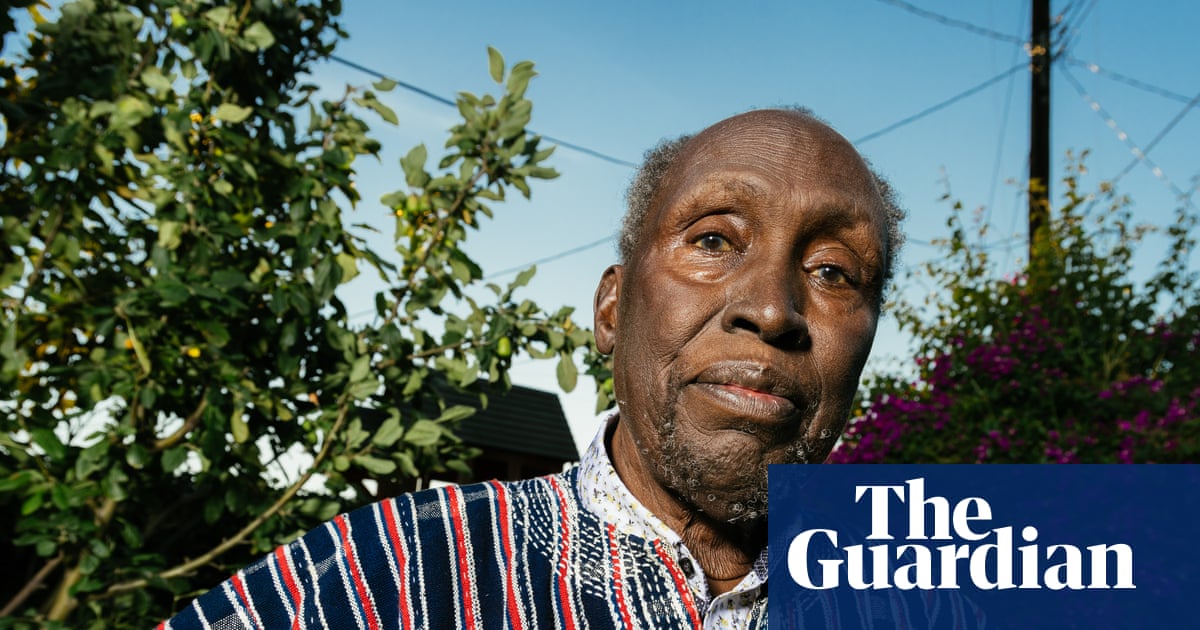
ow does a writer disappear? This year marks six decades since the death of Eric Walrond, a Guyana-born writer who cut his literary teeth amid the Harlem Renaissance, kept company with the likes of Countee Cullen and WEB Du Bois, wrote a book once hailed as “the greatest short story work in the entire body of West Indian literature”, then dropped off the cultural map completely.
That work is Tropic Death, a truly trailblazing counter-pastoral portrait of the Caribbean locales of his youth. Four of the book’s 10 stories are set in the US-controlled Panama Canal Zone, where his father had worked: an economy of subjection structured by a rigid caste system that promoted white supremacy over its global mix of migrant and indentured labourers. This year is the centenary of Tropic Death’s publication.
Walrond was an “outsider twice removed”. The upheavals of his childhood – moving from Guyana to Barbados to Colón – established a lifelong migratory pattern of living. At 20, having acquired journalistic experience on the Panama Star and Herald, he migrated again to New York, where he found employment on Negro World, Marcus Garvey’s flagship title for his Universal Negro Improvement Association. However, Walrond came to dislike what he considered its emphasis on propaganda over art. He was reluctant to conform to any of the other ideological groups he encountered in Harlem, finding himself, as a West Indian, estranged from what he considered uniquely African-American arguments toward “ethnological oneness”.