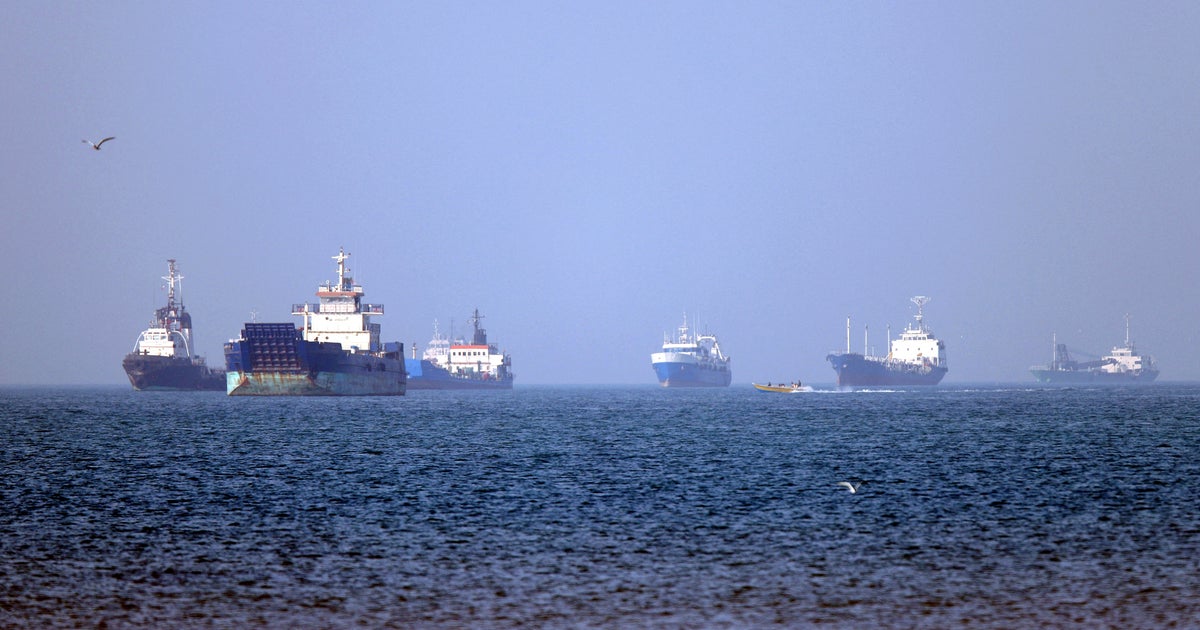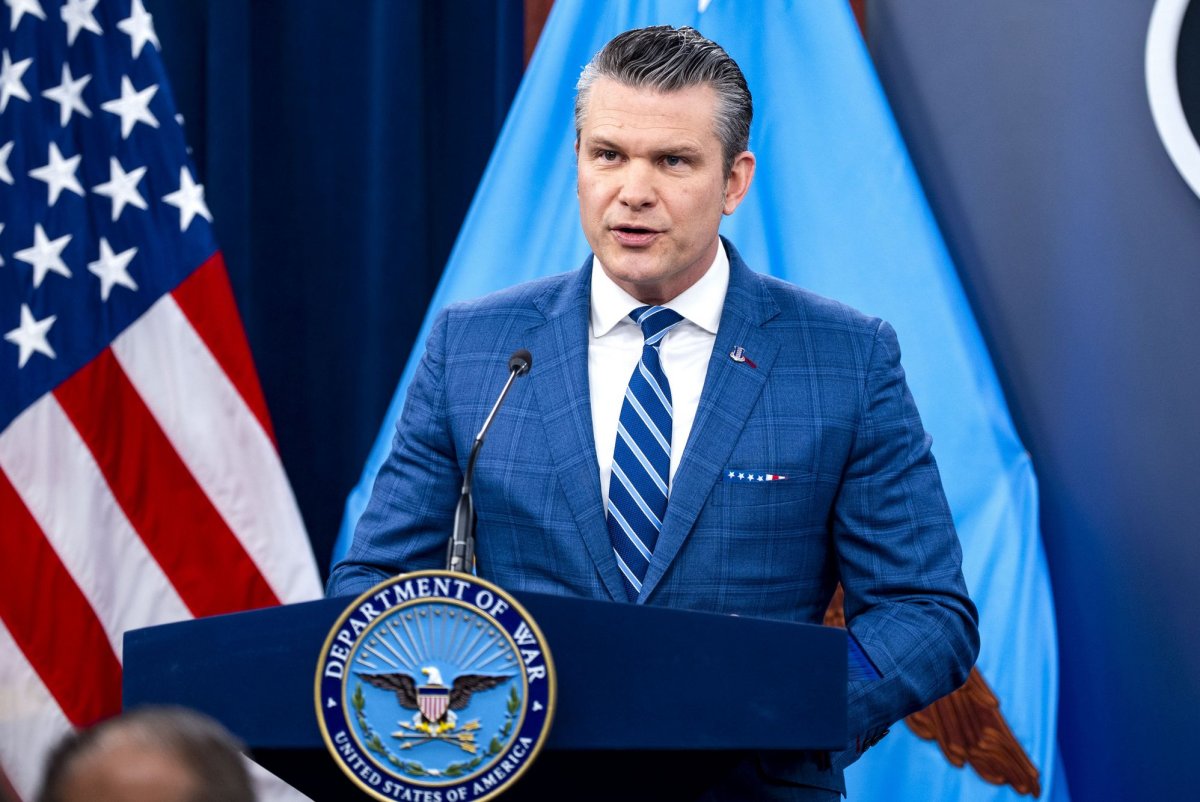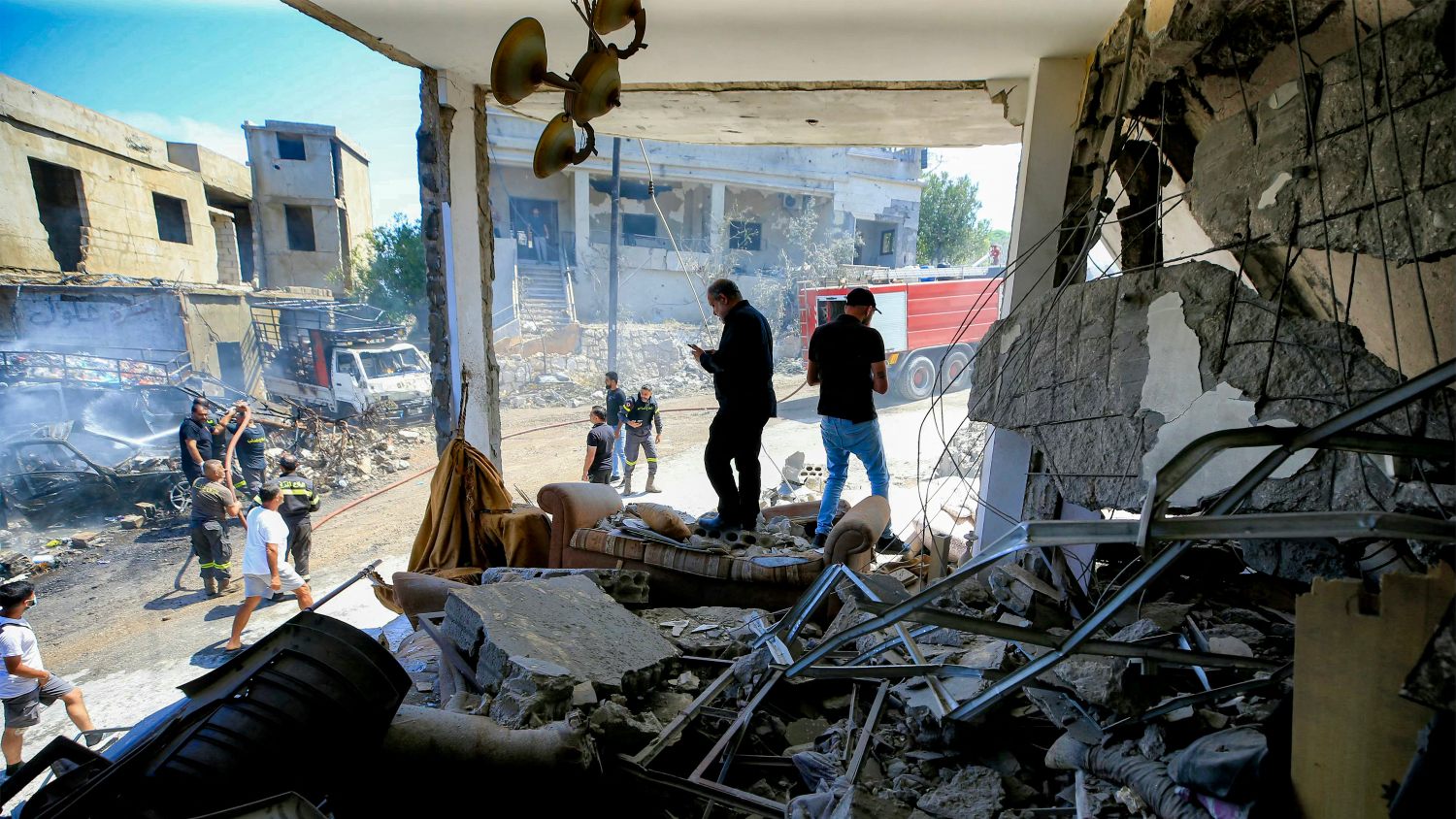
ToplineDefense Secretary Pete Hegseth said the Iran ceasefire is “not over” and the U.S. is “not looking for a fight,” downplaying Monday’s crossfire, the first since a ceasefire was called in early April, as Iran accused the U.S. of violating the truce. Defense Secretary Pete Hegseth looks on during a press briefing at the Pentagon on May 05, 2026 in Arlington, Virginia. (Photo by Chip Somodevilla/Getty Images)Getty ImagesKey FactsHegseth told reporters in a press conference Tuesday, “we’re not looking for a fight” and Gen. Dan Caine said “today is quieter.” The U.S. military sank six Iranian military speedboats and shot down cruise missiles and drones targeting ships the U.S. Navy was escorting through the Strait of Hormuz on Monday, Hegseth said.Caine and Hegseth said the U.S. would continue its “Project Freedom” operation of helping guide commercial ships tied to countries that aren’t involved in the Iran war out of the strait, where many have been trapped since Iran shut down traffic at the start of the conflict.Hegseth said the mission is “separate and distinct” from broader U.S. military operations in Iran, adding, “we expected there would be some, some churn at the beginning, which happened.”Iran has reacted negatively to the U.S.’s attempts to assert control over the strait, however, with the speaker of Iran’s parliament, Mohammad-Bagher Ghalibaf, writing on X Tuesday, “the security of shipping and energy transit [in the Strait of Hormuz] has been jeopardized by the United States and its allies through the violation of the ceasefire and the imposition of a blockade . . . we know full well that the continuation of the status quo is intolerable for America; while we have not even begun yet.”ContraIran accused the U.S. of attacking two passenger vessels in the strait on Monday, killing five civilians, Iran’s state broadcaster reported, citing an unnamed military official. The official said the U.S. “must be held accountable for their crime.”TangentCaine said Iran has attacked U.S. forces 10 times since the start of the ceasefire, but the aggressions did not reach the “threshold of restarting major combat operations.”Key BackgroundTrump on Sunday announced the U.S. would help guide boats through the strait that are “victims of circumstance” of the Iran war, warning any "interference will, unfortunately, have to be dealt with forcefully.” Control over the strait has jeopardized negotiations between Iran and the U.S. amid the ceasefire that started on April 7. The U.S. has demanded Iran fully reopen the strait, while Iran has said any long-term peace agreement is contingent on the U.S. recognizing its sovereignty over the strait. Trump on Monday insisted in an interview with conservative talk radio host Hugh Hewitt that the U.S. would win the war “one way or the other,” predicting the conflict would continue for “probably another two weeks, maybe three weeks.” Trump officials initially predicted the conflict would last four to six weeks and Trump has repeatedly said it would end it two to three weeks.Further ReadingU.S. Downs 7 Small Boats In Strait Of Hormuz, Trump Says—Ceasefire In Doubt (Forbes)Iran Says US Is Jeopardizing Hormuz Transit—As Trump Won’t Say If Ceasefire Is Over (Forbes)US Denies Reports Of Navy Ship Being Struck As Iran Threatens Trump’s ‘Project Freedom’ (Forbes)
Iran Ceasefire Is ‘Not Over,’ Hegseth Says—After Monday’s Crossfire
The U.S. shot down Iranian boats in Hormuz on Monday and Iran fired missiles and drones fired at vessels in the strait.
531 words~2 min read