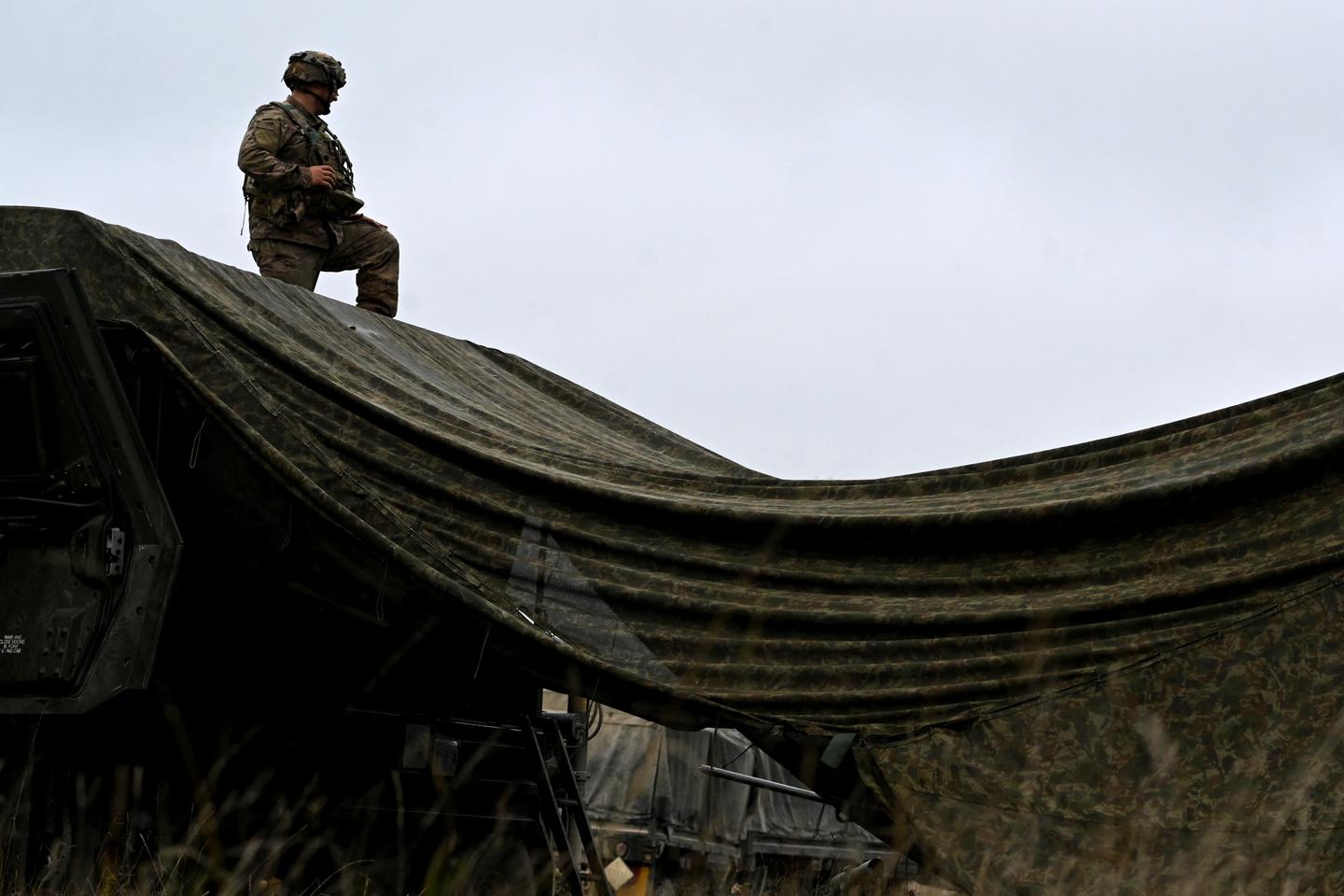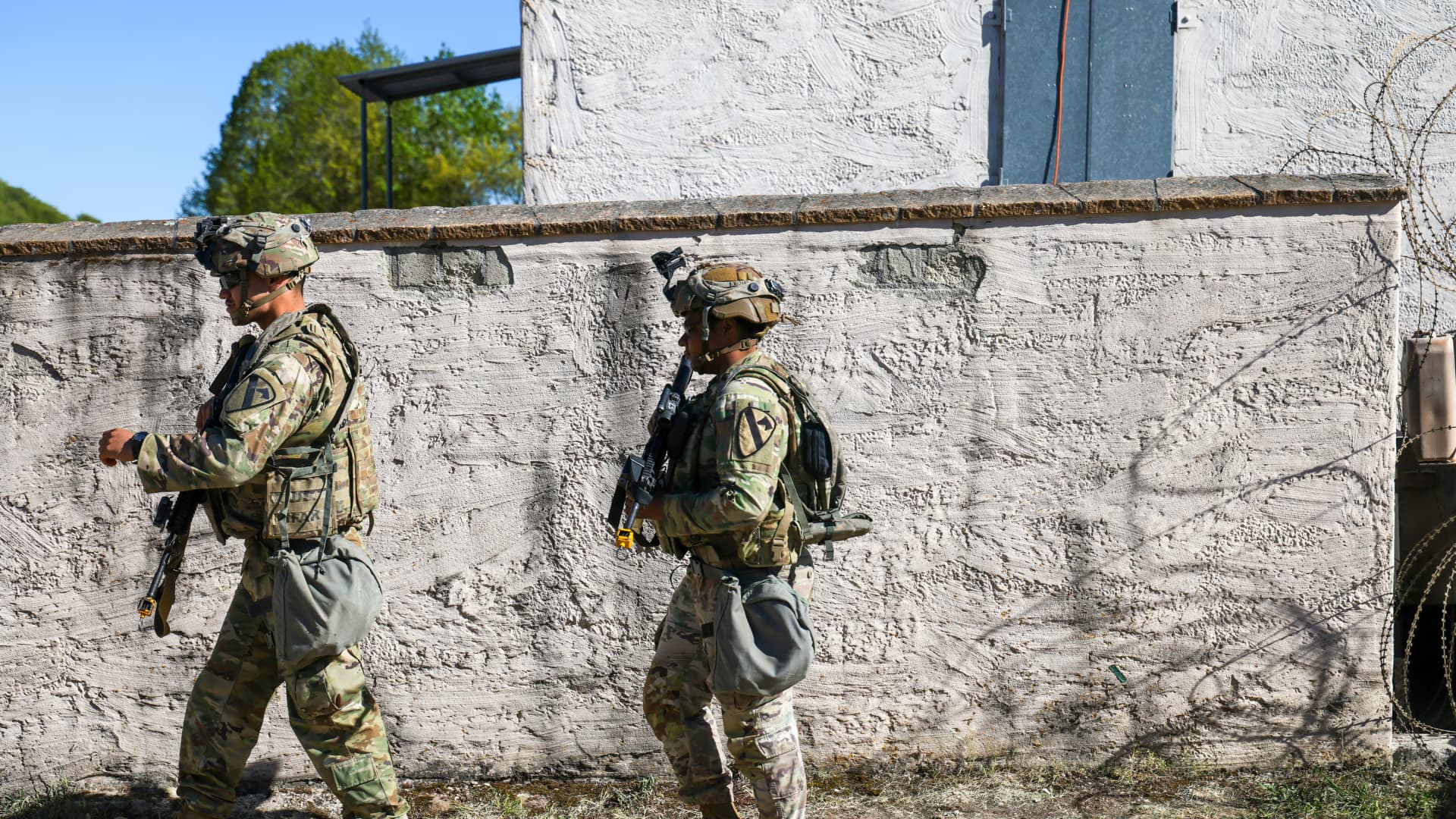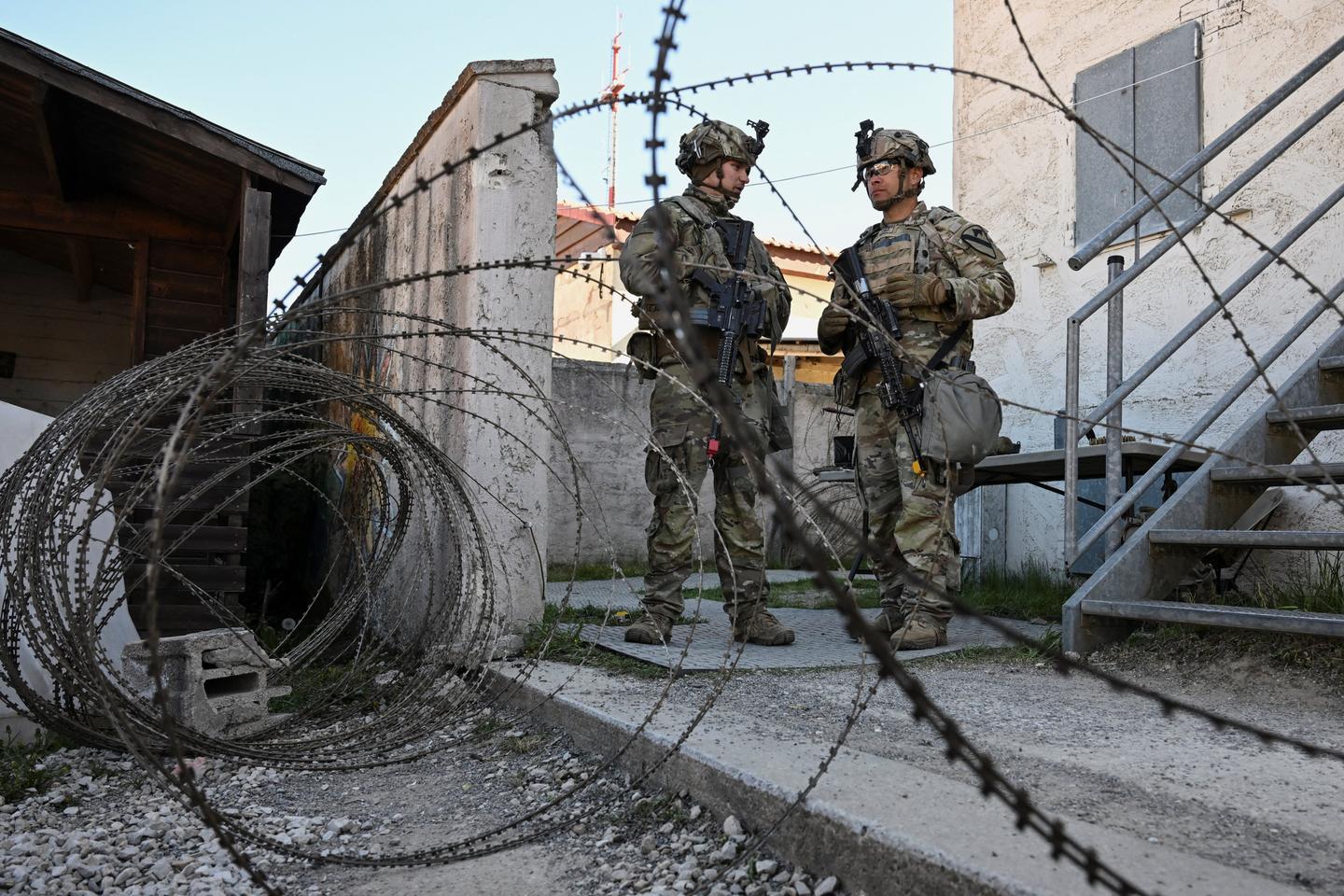
Soldiers during a US military exercise in Hohenfels, Germany, on April 30, 2026. ANGELIKA WARMUTH / REUTERS
While the Pentagon announced on May 1 that it plans to withdraw 5,000 troops from Germany over the next six to 12 months, questions have also emerged about another major political and military signal: The United States' possible decision to scrap plans for deploying long-range missiles in Europe. Originally slated for 2026, the project now appears uncertain, although the Pentagon declined to comment when asked by Le Monde.
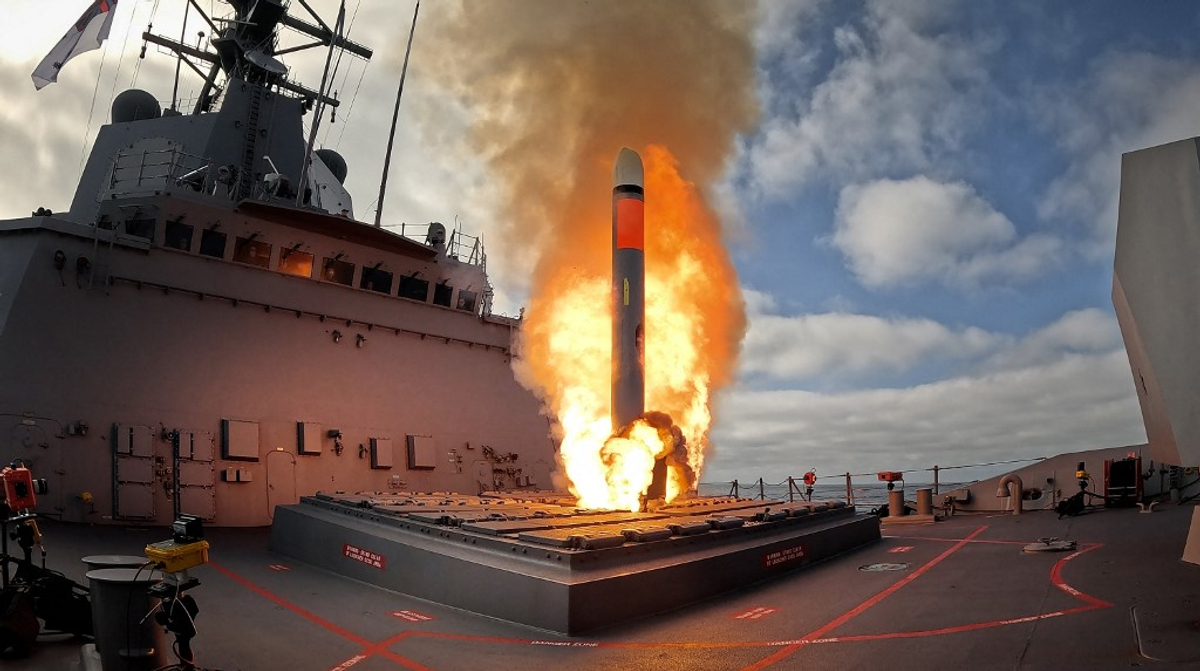
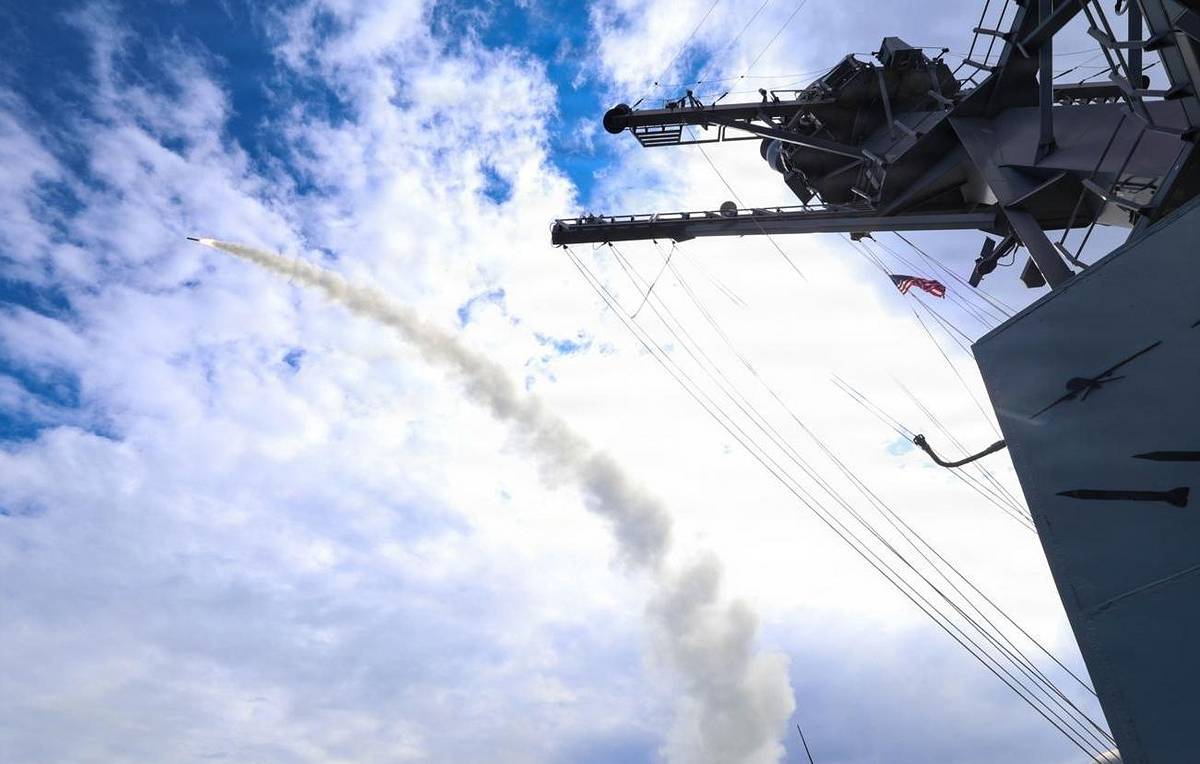
According to The Wall Street Journal and CBS, which on May 1 and 2 reported remarks from senior US officials, this first withdrawal of troops from Europe since Donald Trump returned to the White House is expected to be accompanied by the cancellation of the plan to deploy missiles in Germany with ranges from 460 to more than 2,700 kilometers. That decision had been finalized at NATO's 2024 summit by then US president Joe Biden and then German chancellor Olaf Scholz, marking an unprecedented step since the so-called Euromissile crisis (1977-1987).
In 1983, the US decided to install Pershing-2 missiles in Europe (with a range of 1,800 kilometers) in response to the deployment of Soviet SS-20s (5,000 kilometer range) at NATO's borders. This time, however, the planned deployment – intended to deter Moscow from further destabilizing the alliance – instead became one of the justifications cited by Russia for firing an Orechnik missile in Ukraine at the end of 2024, and again in January 2026, 70 kilometers from the Polish border. This dual-capable missile can carry a nuclear warhead and is believed to have a range between 3,000 and 5,000 kilometers.