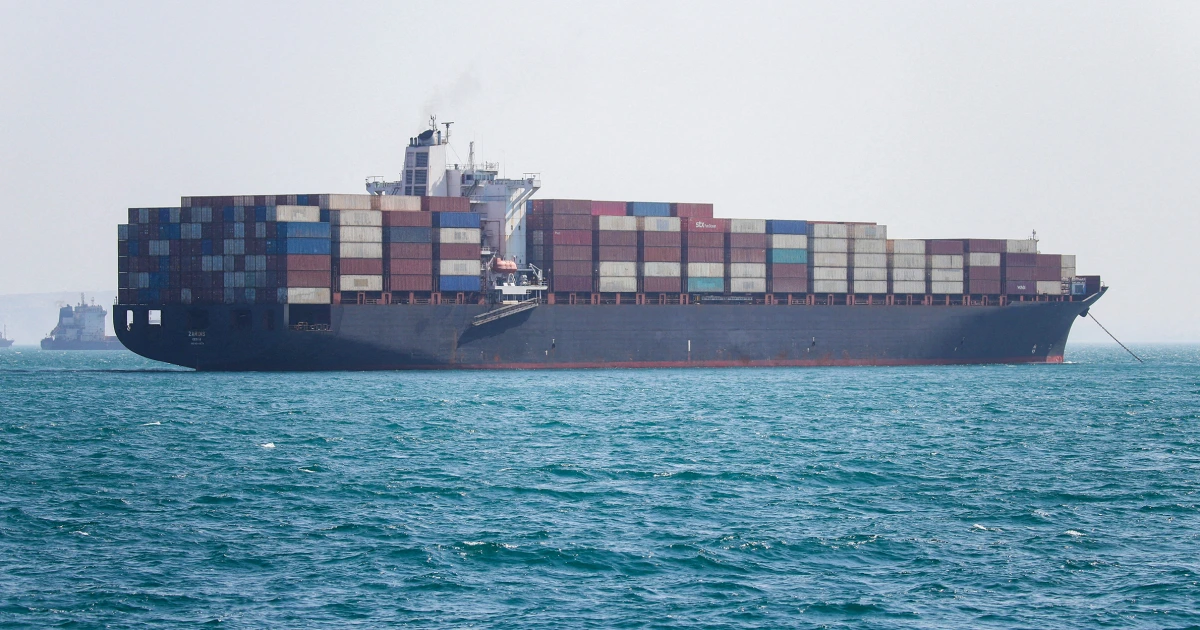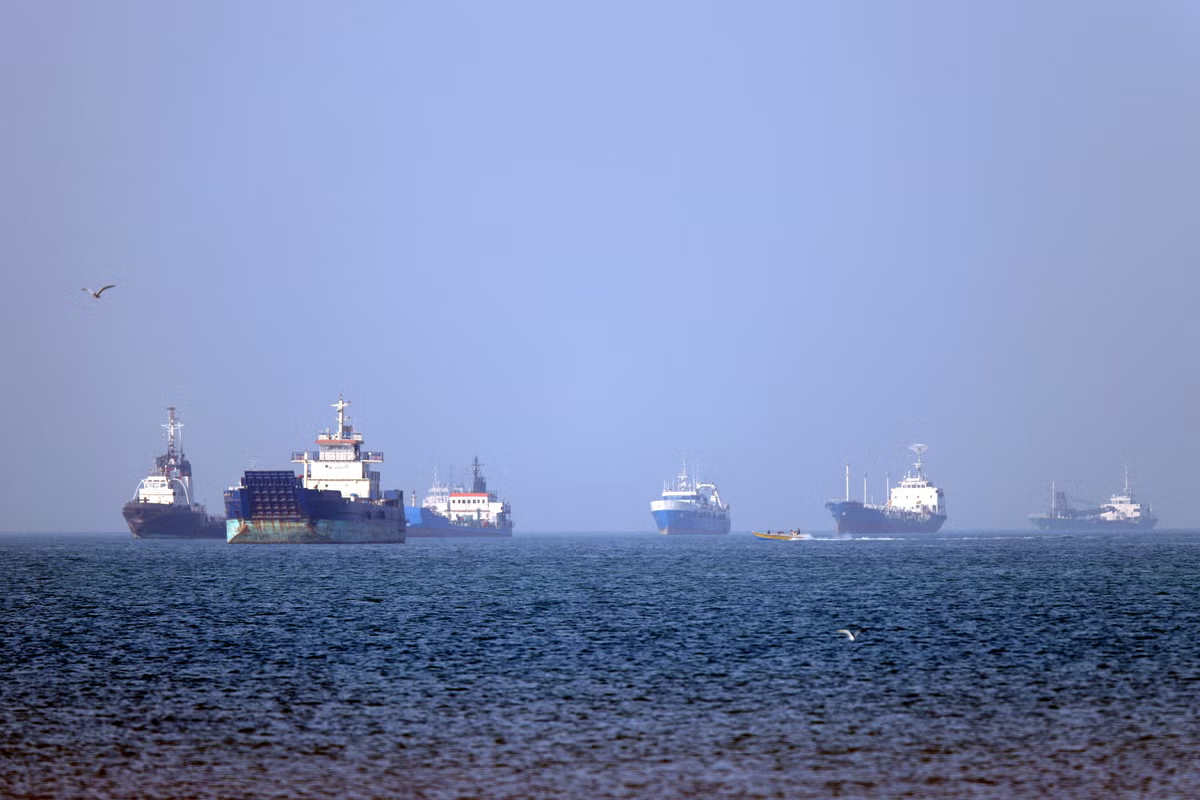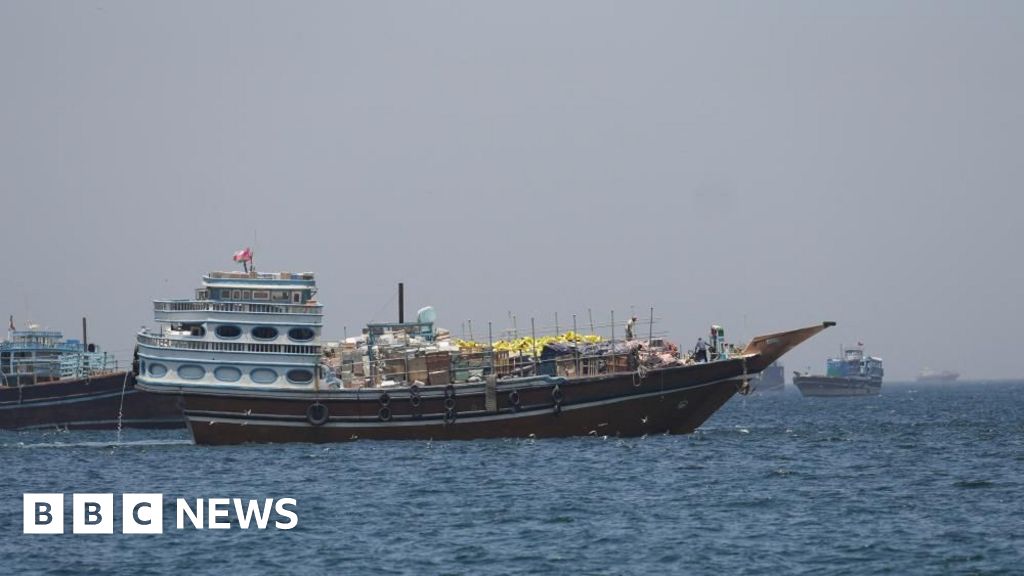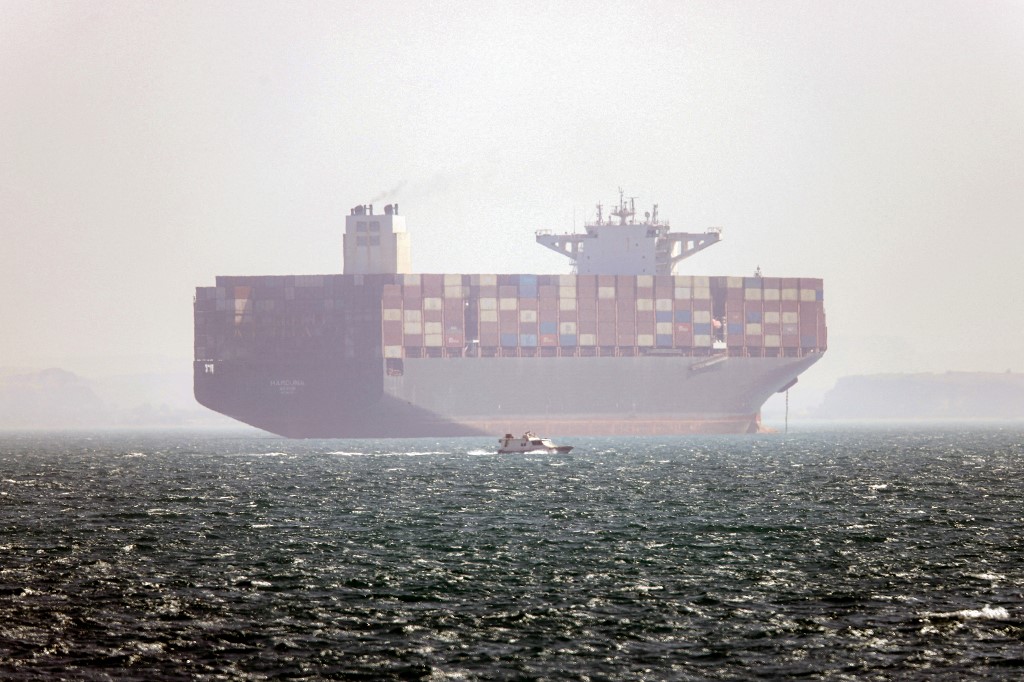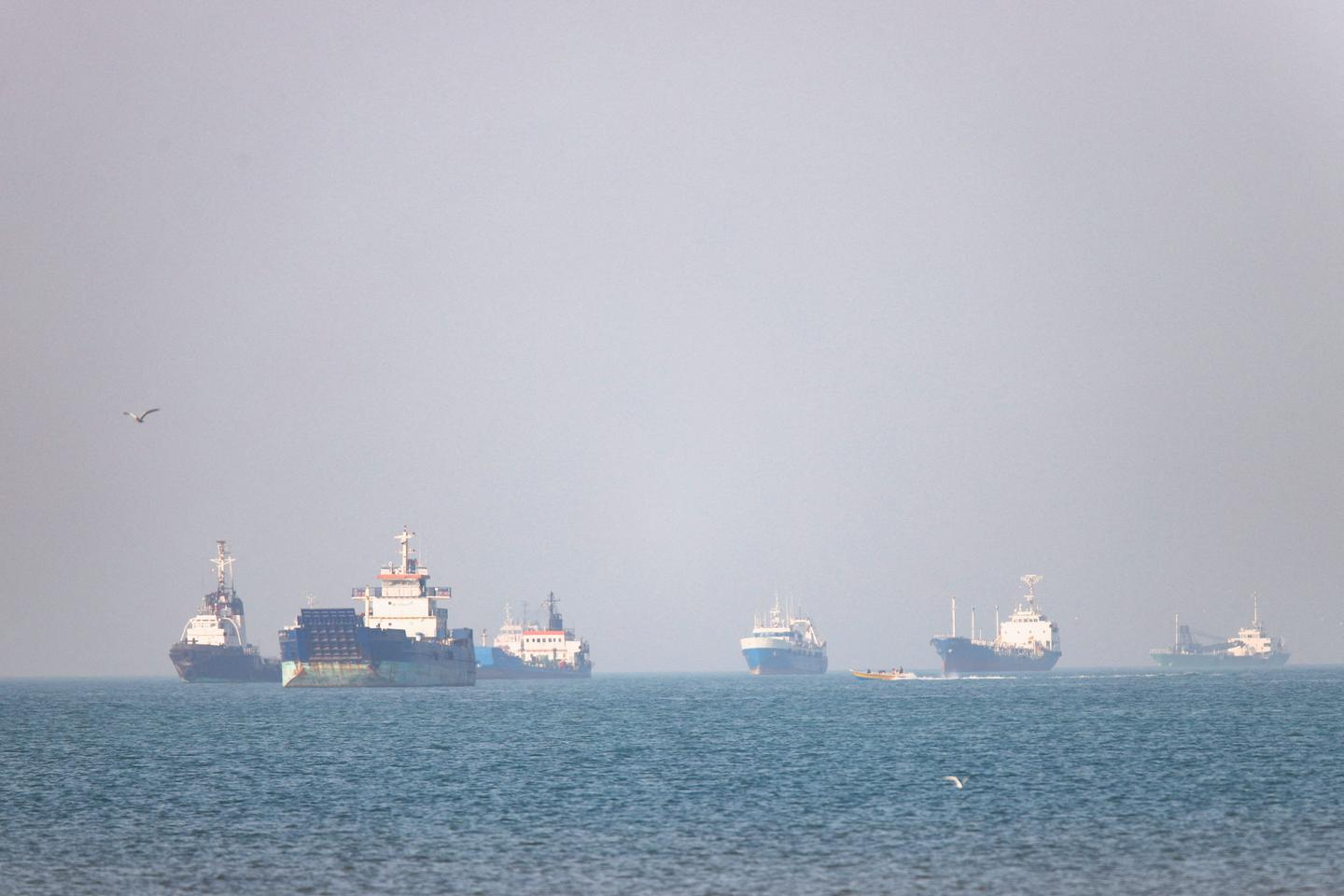
Ships in the Strait of Hormuz, off Bandar Abbas, Iran, May 4, 2026. AMIRHOSEIN KHORGOOI/ISNA/WANA VIA REUTERS
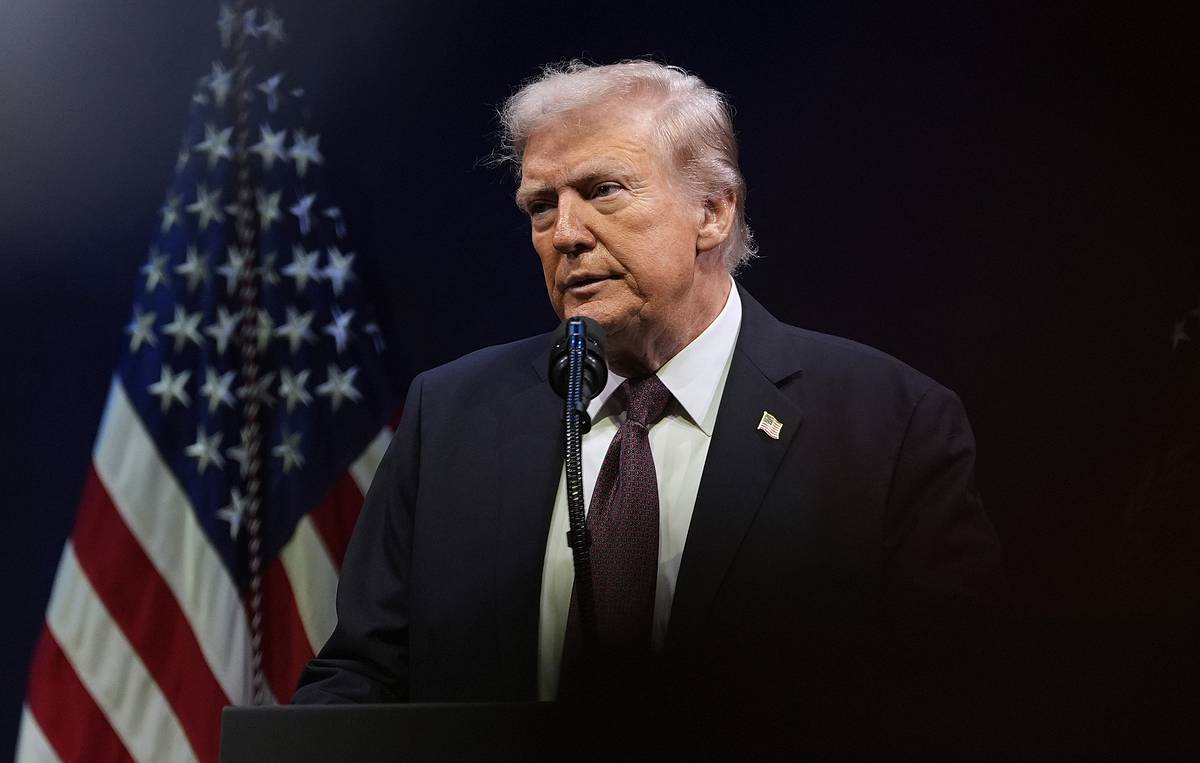
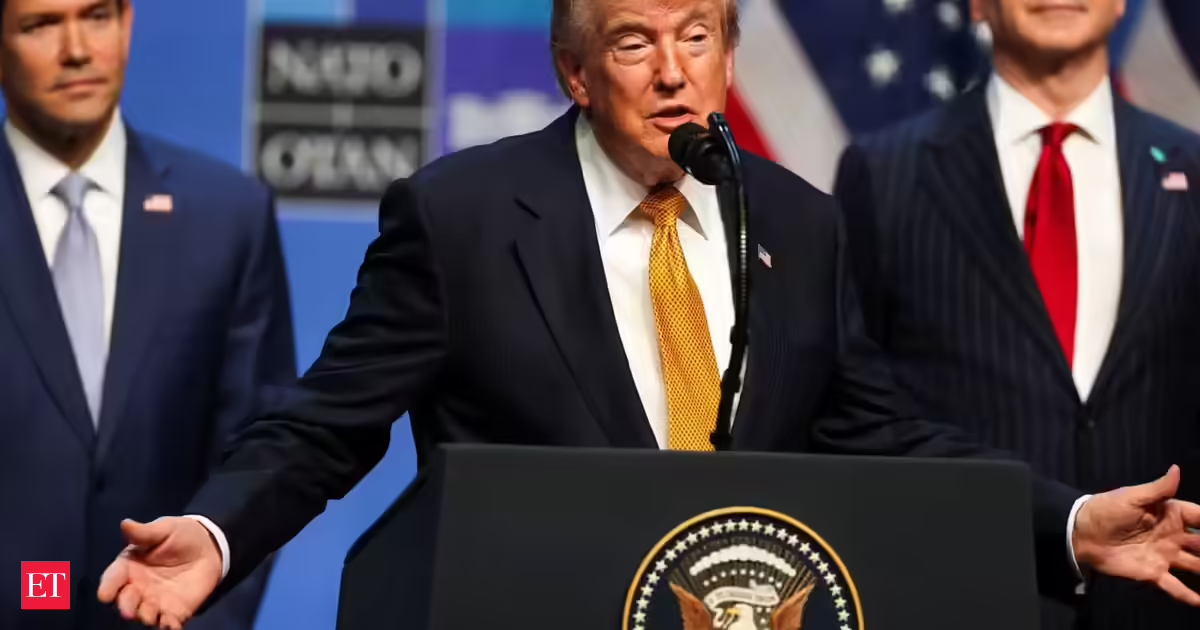
Renewed tensions arose between Iranian and American forces hours on Monday, May 5, hours after the official start of "Project Freedom," the operation announced by US President Donald Trump on Sunday to reopen the Strait of Hormuz. The escalation reflects the increasingly dual power dynamic governing the strategic maritime corridor, on which the global economy has depended for the past two months.
According to US Central Command (CENTCOM), two Navy guided-missile destroyers managed to enter the Gulf on Tuesday after passing through the strait. They enabled two American-flagged merchant vessels to cross. Iran described this high-level escort as "military adventurism."
The American breakthrough put the fragile ceasefire, in place since early April, at risk. The United States claimed on Monday to have destroyed six Iranian boats, vessels that Tehran typically uses for its naval attacks. It also said it intercepted cruise missiles and drones. The United Arab Emirates, a US ally, said it intercepted 12 ballistic missiles, three cruise missiles and four drones. One drone caused a major fire at the Fujairah oil facility, according to the UAE.