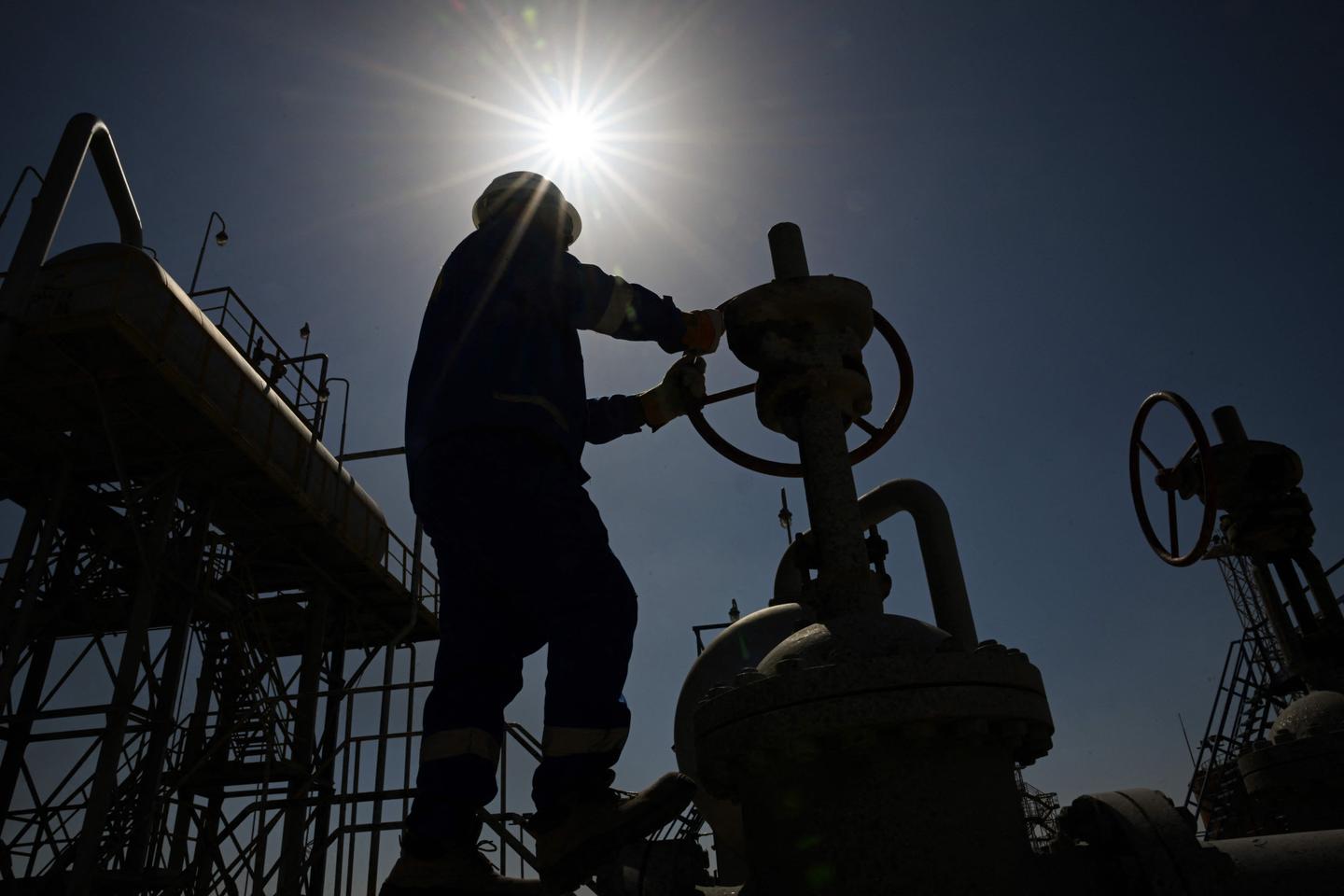
An oil and gas field operated by Basra Oil Company, near Basra, Iraq, April 29, 2026. HUSSEIN FALEH/AFP
Two months after the start of the war in the Middle East on February 28, the costs have started to seriously add up for Marcegaglia, a major Italian steel company, tallying up an additional €4 million per month. That includes the doubling of gas prices, used as an energy source in two of its plants; a 25% jump in maritime transport costs for importing goods from Asia; and higher diesel prices for its truck fleet. "This is negative, but it only accounts for 2% of our costs, so the impact is nothing like the 2022 crisis so far," said Emma Marcegaglia, who leads the 7,800-employee family-run multinational. "However, if the conflict drags on, the situation could become painful."
The European economy is mirroring this Italian company: Inflation has started to spread, following the near doubling of gas and oil prices. Yet for now, the shock has remained manageable. Prices in the eurozone rose from 1.9% in February (year-on-year) to 2.6% in March and to 3% in April. This has dealt a severe blow to households' disposable income and companies' profits, but it remains far from the 10% peak at the end of 2022. In France, inflation climbed from 1.1% in February to 2.5% in April, according to the harmonized index calculated by Eurostat.