White House Deputy Chief of Staff Stephen Miller (center) leaves the Trump Turnberry Golf Courses in Turnberry, southwest Scotland, July 27, 2025. BRENDAN SMIALOWSKI/AFP
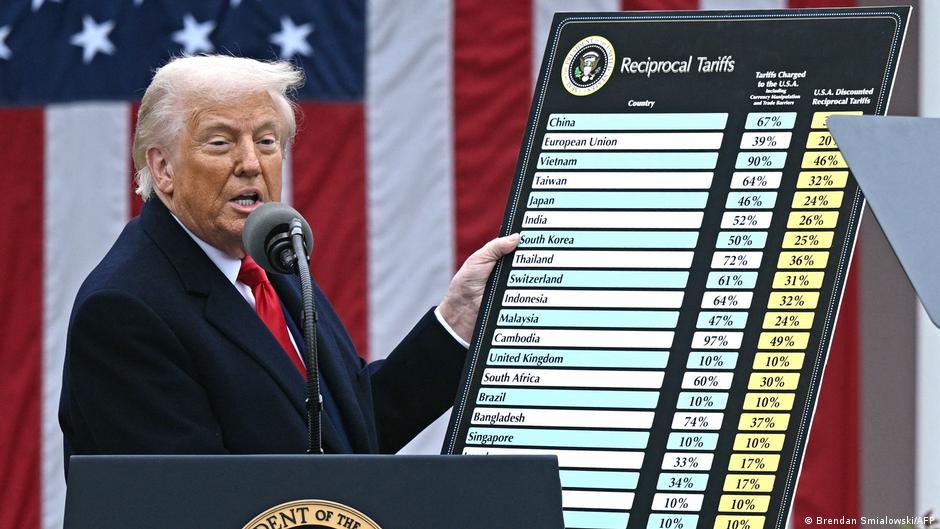
It has now been nine months since the United States and the European Union renegotiated the terms of their trade relationship to avoid an escalation in tariffs – and the economic damage that would come with it. Yet Washington continues to threaten its European partners with new surcharges, as they have not fulfilled their part of the deal. By announcing on Friday, May 1, his intention to raise tariffs to 25% on European cars and trucks, Donald Trump has once again revealed the shortcomings of the Turnberry agreement, raising questions about whether it will ever be properly implemented.
Subscribers only
Trump reignites trade war with Europe amid tensions over Iran
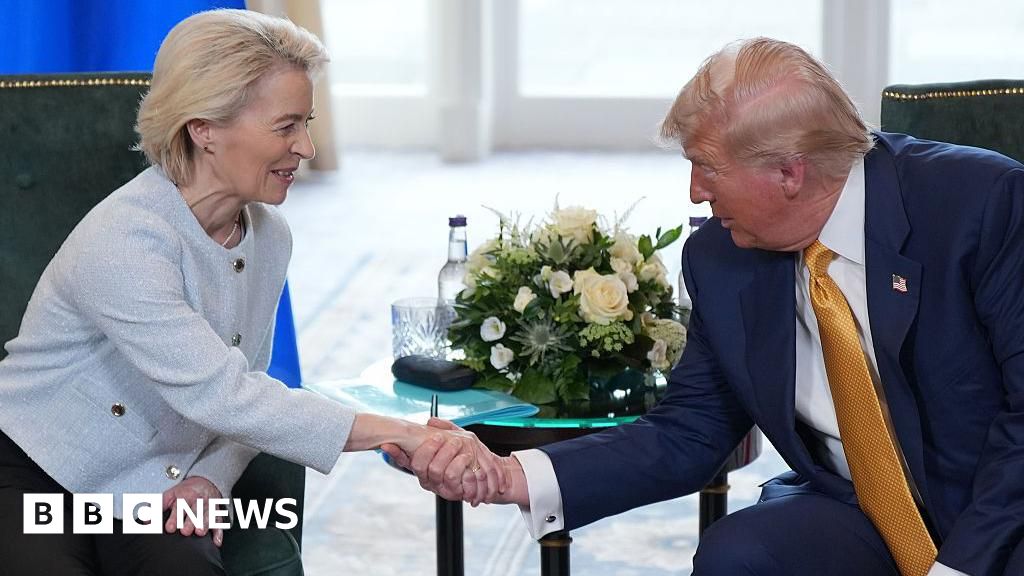
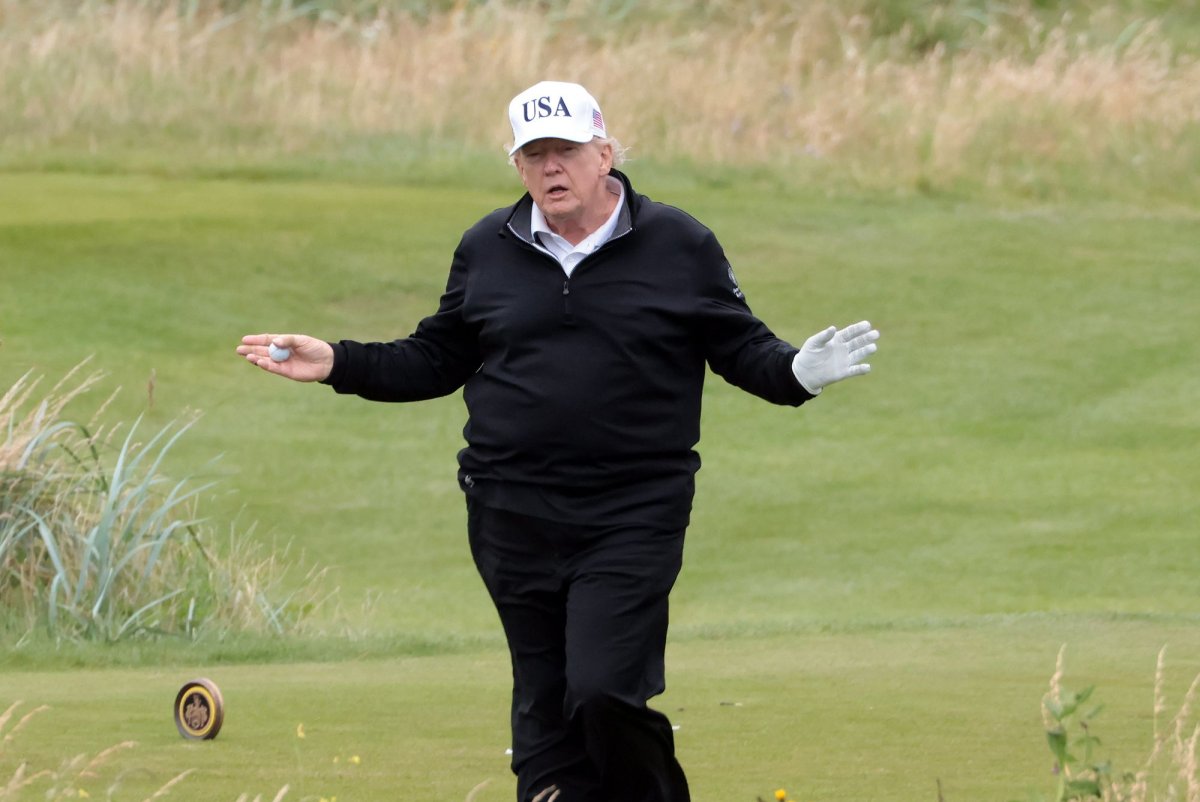
The agreement was concluded in summer 2025 on the US president's Scottish golf course, and stipulated that the EU would no longer tax American imports and that the US would cap tariffs on European goods at 15%. The European Commission argued at the time that this imbalance was the price to pay to ensure "stability and predictability" for businesses, as well as to guarantee continued US security commitments and support for Ukraine.