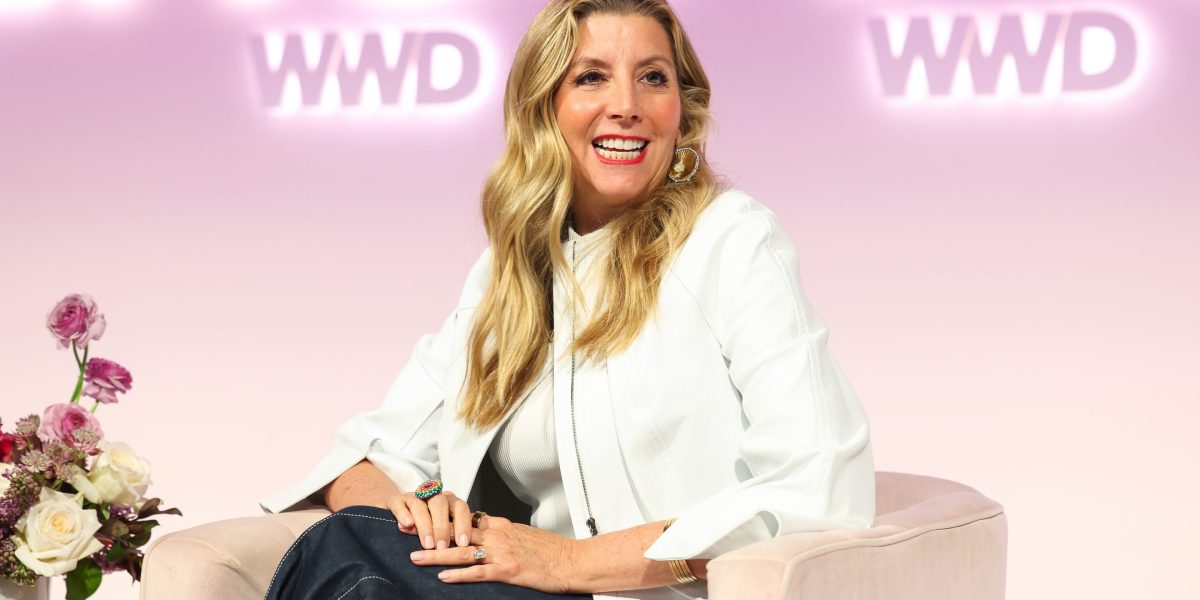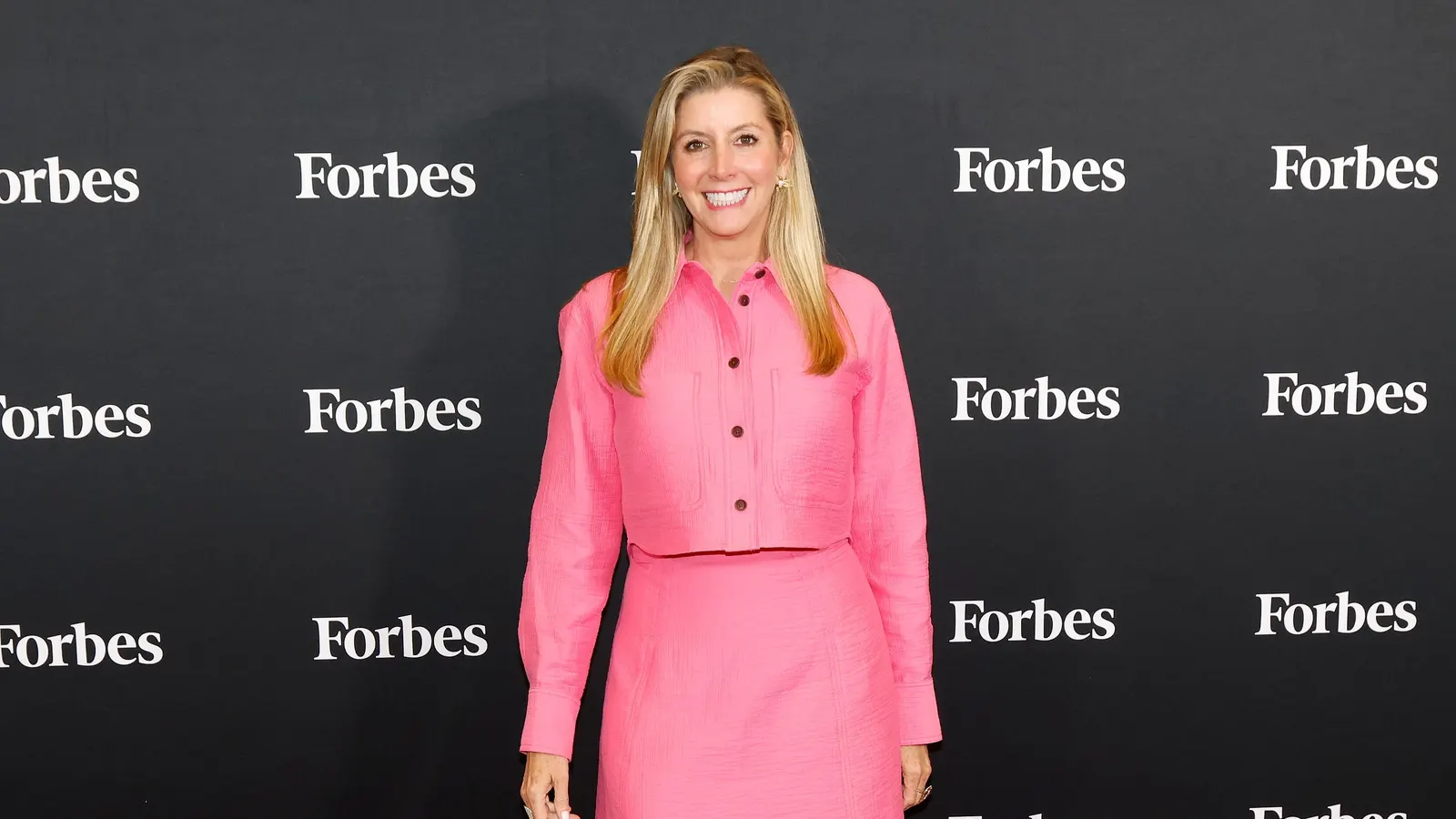
Spanx founder Sara Blakely at the Forbes 2025 Power Women's Summit in New York City last September.Photo by Taylor Hill/Getty ImagesAs new graduates enter an uncertain job market defined by hiring slowdowns, ongoing layoffs, and AI fears, Spanx billionaire founder Sara Blakely is offering a different kind of career playbook for young professionals today. In a recent commencement speech at her alma mater Florida State University, Blakely, who graduated in 1993, didn’t focus on resumes, networking, or climbing the ladder. Instead, she argued that career success is more about your internal mindset. After being rejected by 20 companies at a campus job fair in college, Blakely says she ran into the classic problem many new graduates have, which is that even for entry-level roles, employers wanted experience she didn’t yet have. That frustration delayed her career and forced her to take odd jobs, including working at a Disney World park for a few months and later spending seven years selling fax machines. Looking back over her journey, Blakely says the biggest shift that took her from a rocky career path to a Forbes cover celebrating her as the youngest self-made woman to join the 2012 billionaires list, is understanding the power of her own thoughts. Spanx founder Sara Blakely on Forbes cover for the 2012 billionaires list.ForbesShe reflected on the cassette tapes her father had given her when she was 16–tapes of Wayne Dyer’s book, How to Be a No-Limit Person.“I heard a man's voice talking about the power of your own thoughts and visualizing the future you want,” said Blakely, who listened to the audio so much she memorized all 10 cassette tapes front and back. “Fast forward 20 years later when I ended up on the cover of Forbes magazine and my friends from Clearwater High texted me and all they wrote was, ‘Damn, I should have listened to that.’” Those tapes, Blakely said, took her from being the passenger of her thoughts to the driver of her thoughts where she journaled, scheduled time to think, asked herself tough questions, and tried things she was scared to do. She told the young graduates that when you become the leader of your thoughts, you realize that “what you don’t know can become your greatest asset because it will ensure that you’re going to do it differently.”“Real innovation and real change only happens when you do it differently,” she said. “And that takes belief in yourself, self-worth. It takes an investment in you. Everyone you have ever admired, your favorite musicians, authors, and artists, they all did it differently.”From embracing embarrassment, to working with the resources you have, and ignoring all distractions, here are three other takeaways from Blakely’s speech that will help graduates today navigate career uncertainty. Mistakes can Work in Your FavorBlakely challenged the idea that young professionals should aim to avoid mistakes, stating that failure and embarrassment is often where you learn your biggest lessons. “You will be embarrassed,” she said. “The worst thing that can happen is you become memorable.”She shared a story about a major on-air mistake she made during a BBC interview about Spanx. While the mistake could have easily derailed her confidence, Blakely instead used it to become part of her story and viewed it as a lesson to keep in mind going forward.In a crowded job market where competition is stiff, new graduates should understand that embracing mistakes early and quickly learning from them could be the key to getting ahead.You Don’t Need the Perfect Resources to StartWhen Blakely launched Spanx in 2000, she had no investors and minimal resources. In fact, she told graduates she wrote her own patent because she couldn’t afford a patent attorney and she trademarked the name herself. “I had no experience, but I had belief,” she said. For graduates entering a market with limited opportunities and resources, Blakely’s message is to work with what you have because waiting for the ideal scenario could delay your progress. Protect Your FocusBlakely warned that today’s graduates are entering a uniquely distracted world shaped by the news, social media comparisons, and constant noise that can impact long-term success. “You have to protect your time,” she said. “Your time to think, your time to daydream, to challenge your self-doubt, and to reframe your limiting self-beliefs. We all have self-doubt. The most successful people in the world have just learned how to manage it.”She ended her speech by letting the graduates know that they will all be faced with one decision. “You can distract yourself or you can discover yourself,” she said. “I hope you choose the latter because the world doesn't need another version of how it's supposed to be done. The world needs you.”ForbesForbes America's Top Colleges List 2026 - Best US Universities RankedForbesRecord $125 Million Gift To Case Western Boosts Humanities In Age Of AIBy Alicia Park
Spanx Billionaire Sara Blakely To Grads: ‘What You Don’t Know Can Be Your Greatest Asset’
Recounting her rocky career start, Blakely urged new college grads facing a tough job market to focus on themselves and their own novel ideas, while embracing failure.
808 words~4 min read