MOSCOW, May 4. /TASS/. US President Donald Trump threatens to resume strikes on Iran in the wake of the latest proposal from the Islamic Republic, while his plan to trim US military presence in Germany can be offset with an increase in troop numbers elsewhere, experts argue. Meanwhile, Russia explains what could hinder the creation of a nuclear-weapon-free zone in the Middle East. These stories topped Monday’s newspaper headlines across Russia.
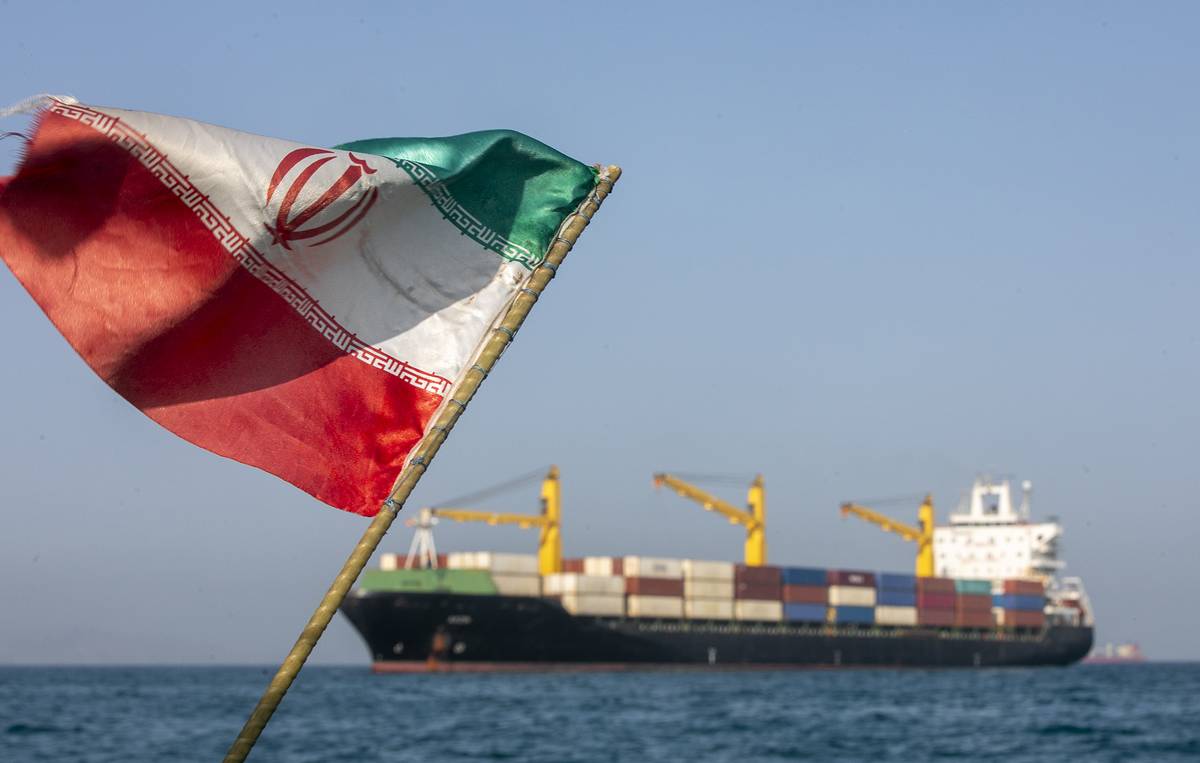
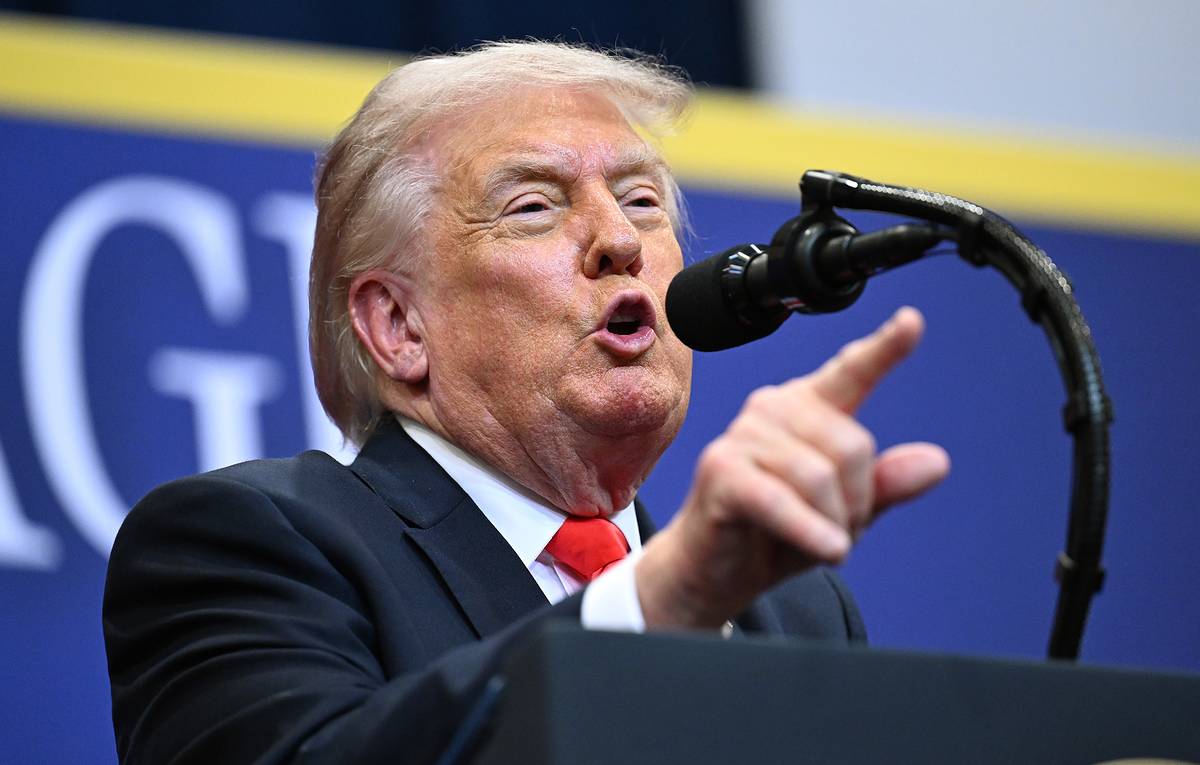
Iran has submitted to the United States a broader 14-point plan to resolve the conflict that includes a phased cessation of hostilities, lifting the sanctions pressure, and reopening the Strait of Hormuz, an initiative that was met with an obvious amount of skepticism in Washington. US President Donald Trump even said he could resume strikes on the Islamic Republic. At the same time, the parties maintain a hard line on most key issues, from the nuclear program to security guarantees, which leaves an uncertain future for agreements and heightens risks of a new bout of escalation in the region.
Dr. Hadi Issa Dalloul, an Iranian expert in international relations, believes that the latest proposals to resolve the Iran and Hormuz conflict do not contain enough guarantees to support actual agreements. The expert recalled in an interview with Izvestia that previous international agreements showed that any agreements quickly lose their viability without reliable guarantees. In this situation, Hadi Issa Dalloul argued, even mediation by third countries will not work unless the mandatory fulfilment of key points is secured in advance. Otherwise, he continued, the likelihood of escalation will remain high.