Xi Jinping hopes that the president may water down US support for a vibrant democracy. Defending the status quo would be better for America too
C
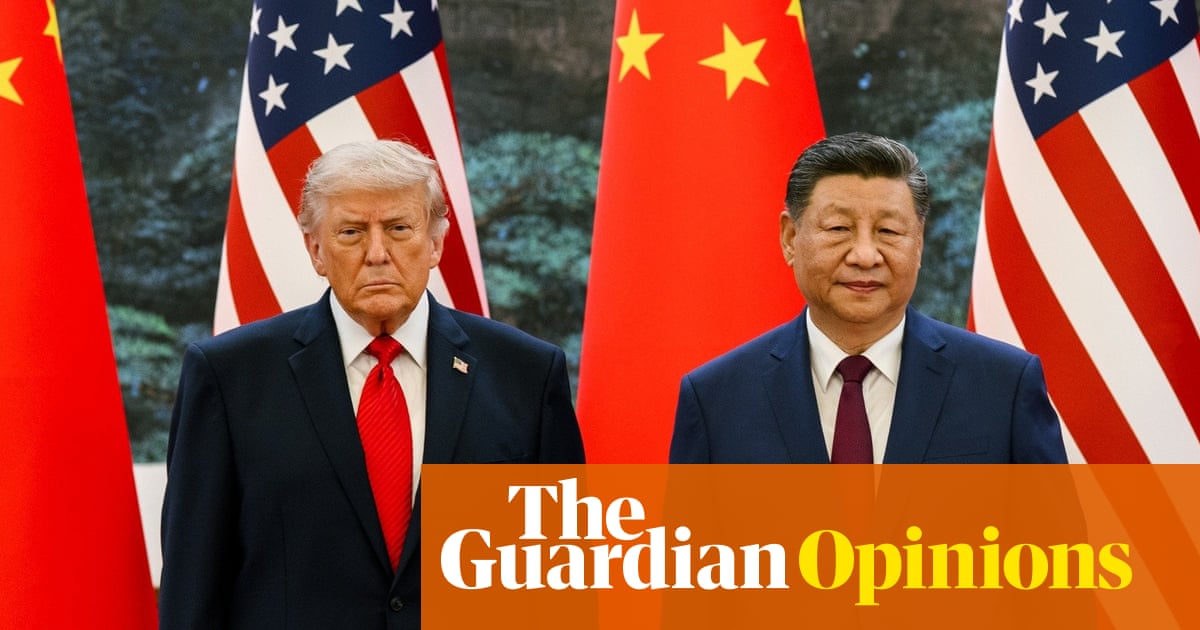
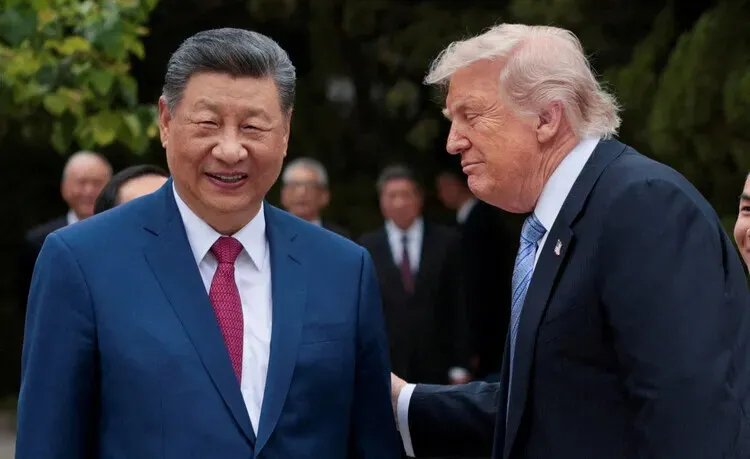
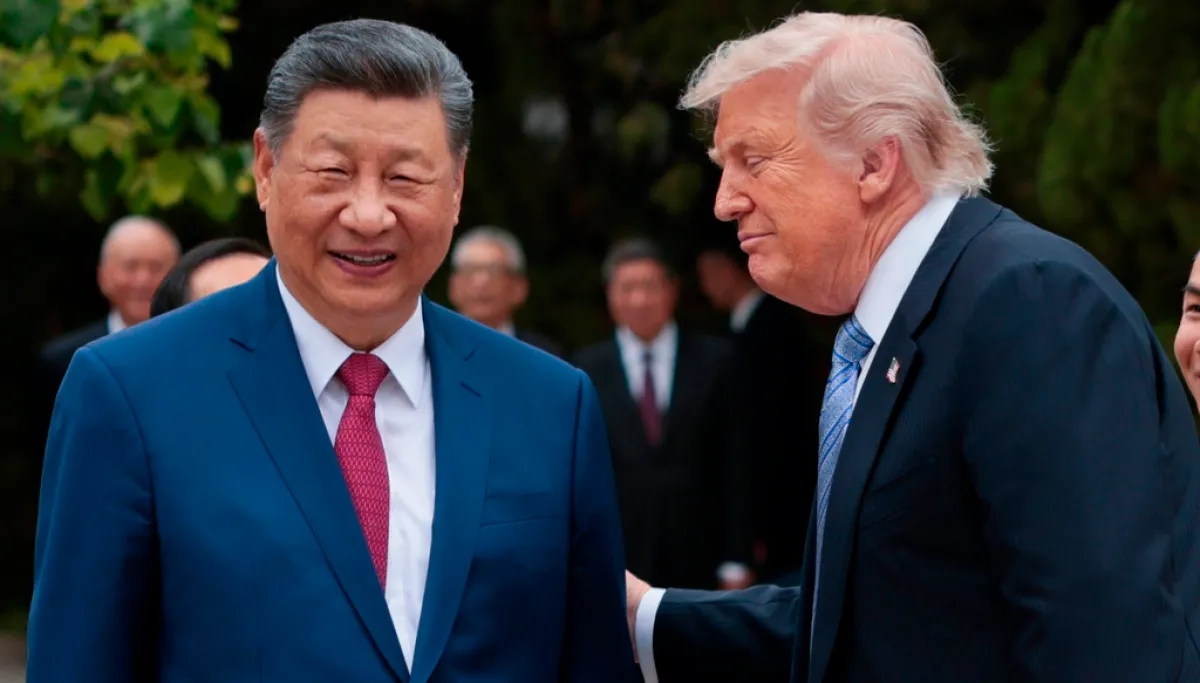
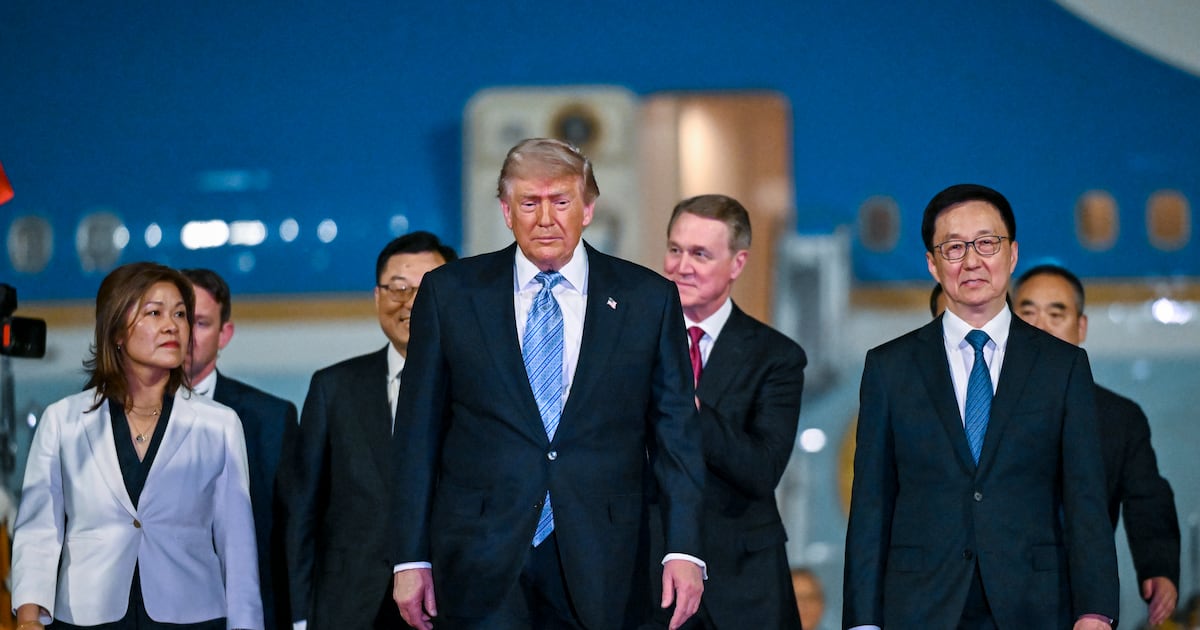
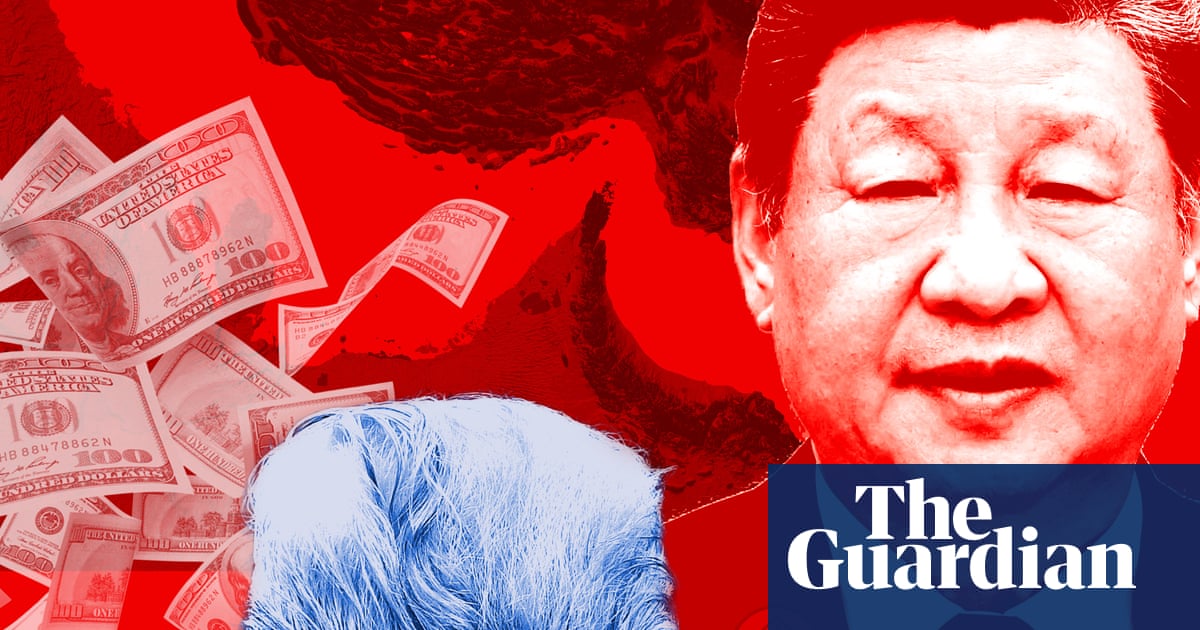
hina senses opportunity when Donald Trump visits later this month. A nakedly transactional US president in need of a trade deal, and hoping that Beijing could lean on Iran, might shift on Taiwan in return. China’s foreign minister, Wang Yi, linked the issue explicitly to broader bilateral cooperation in his call with Marco Rubio, the US secretary of state, on Thursday. Beijing would be delighted to see Mr Trump soften the US position, and perhaps pull back on arms sales after a mammoth $11bn package was announced late last year.
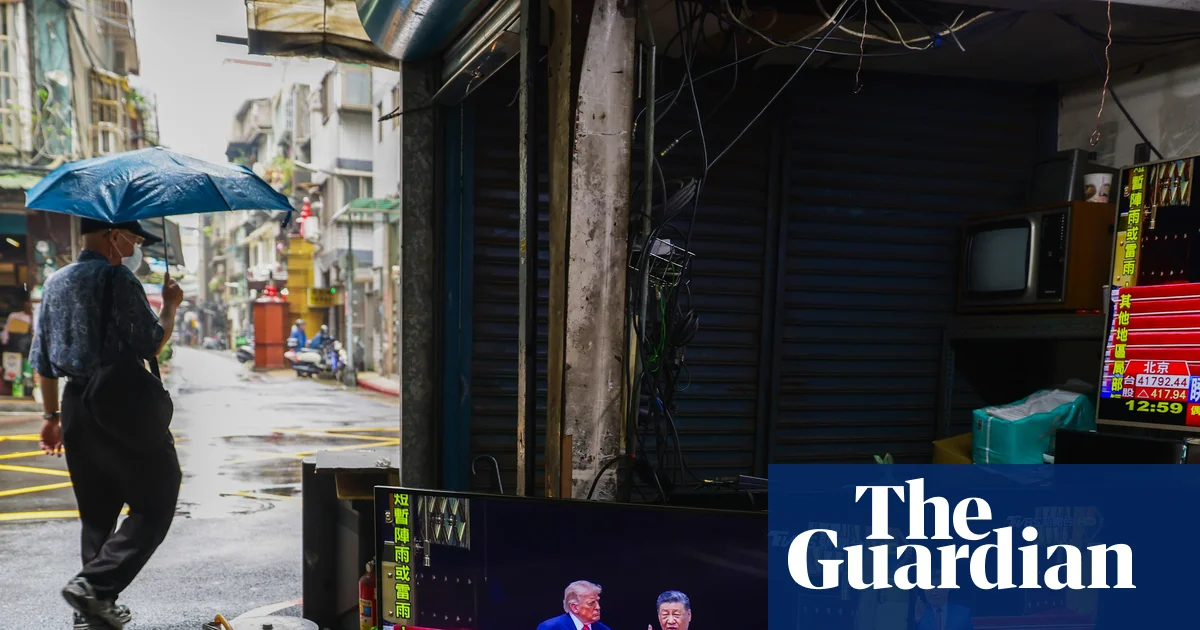
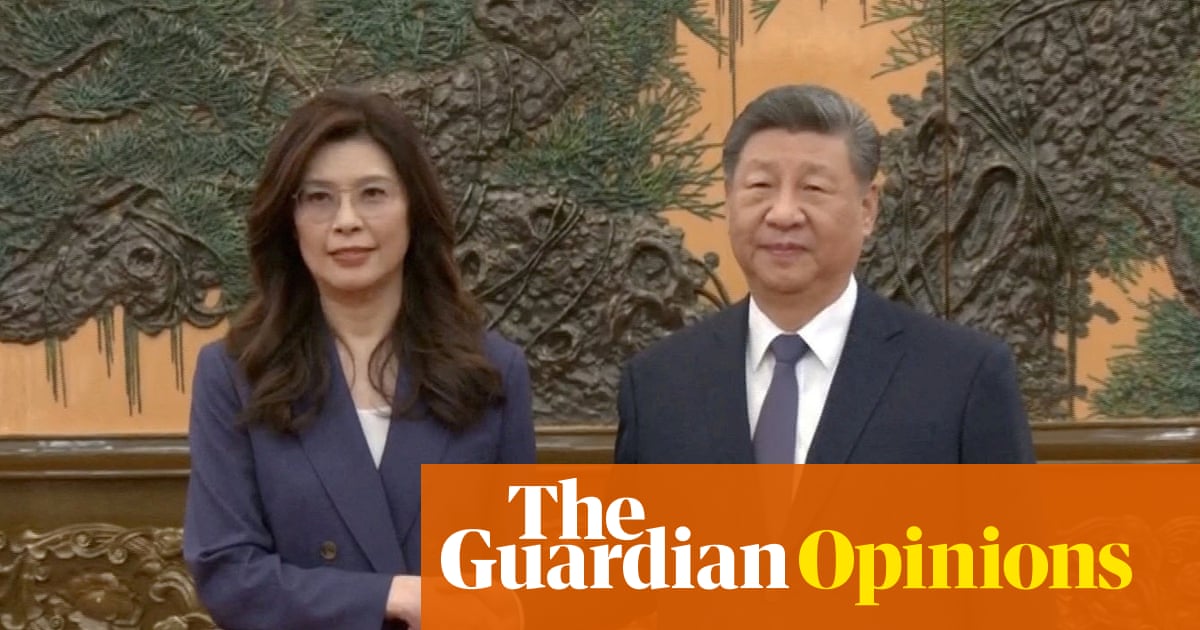
Taiwan has been self-governed since the end of China’s civil war in 1949, so never ruled by China’s Communist party. Xi Jinping has made unification central to his legacy. Three years ago, US intelligence assessed that he had told the People’s Liberation Army to be ready for an invasion by 2027. But Beijing would surely prefer to achieve its goal without force.
Even a blockade – simulated in intensive military drills in December – would come at a hefty economic price, and could quickly escalate. China could instead seek to keep building military and economic might, and upping intimidation, until it was clear the US would not risk intervention or Taiwan felt it had no choice. Beijing hopes even a small shift in US rhetoric this month might help to make unification seem “inevitable” – in Mr Xi’s words – to Taiwan.