I
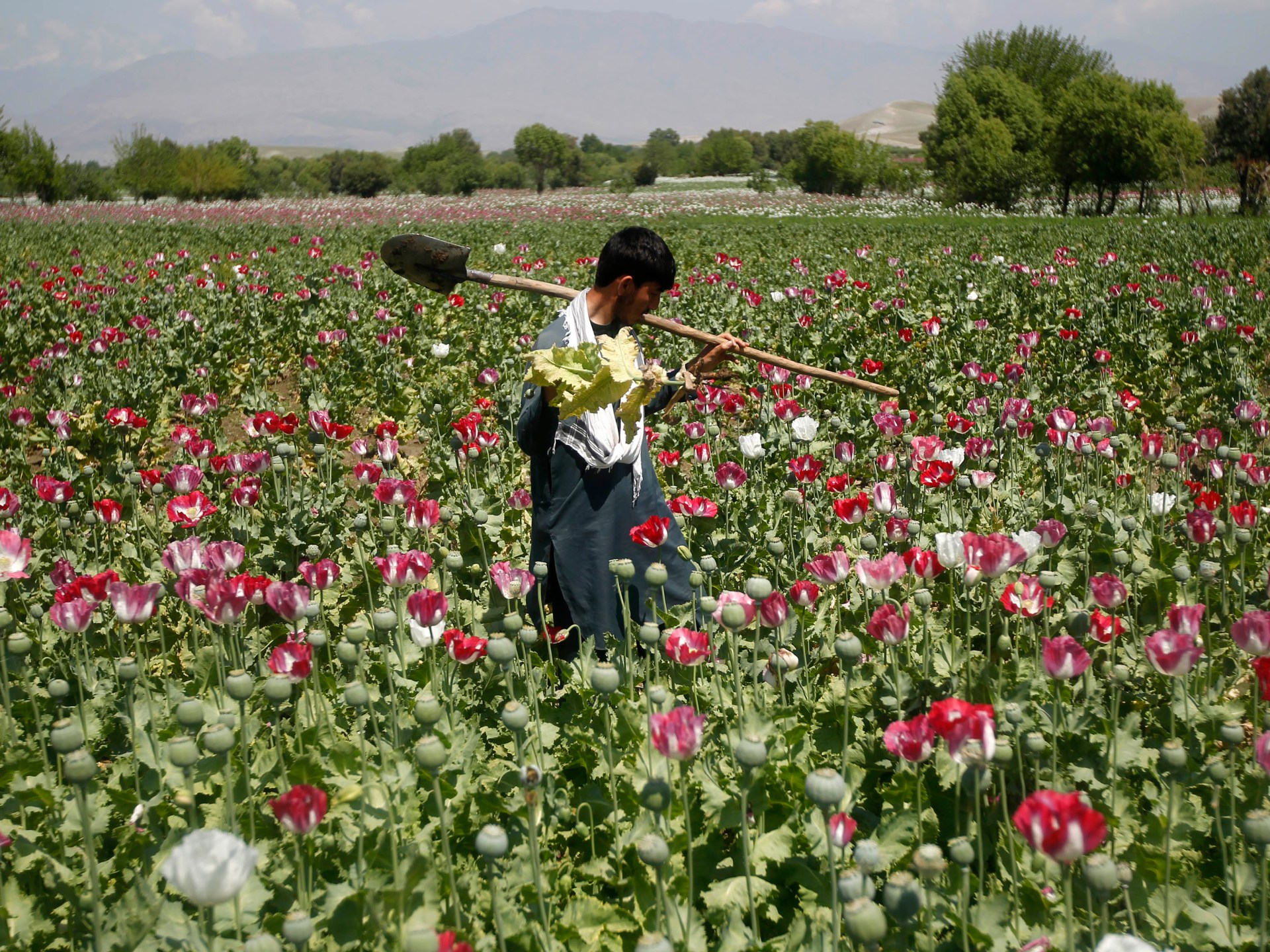
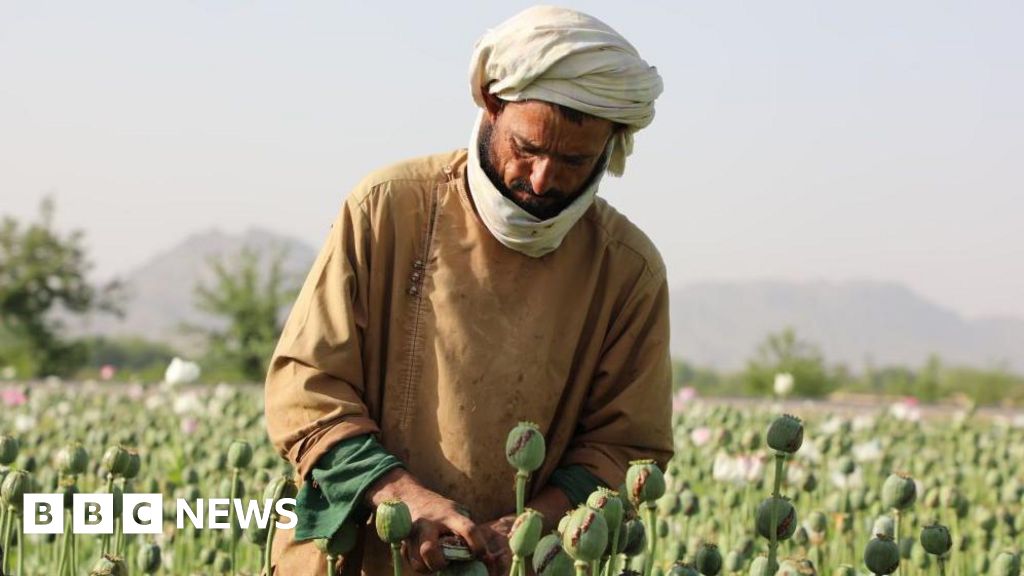
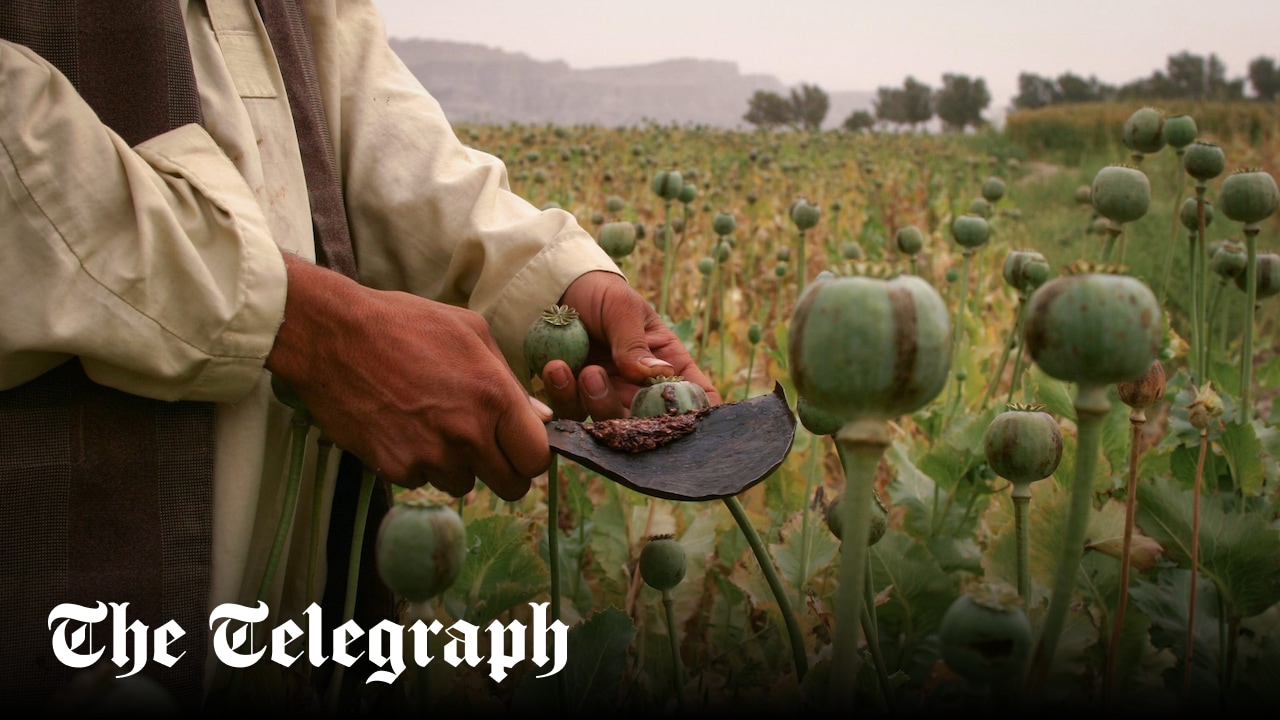
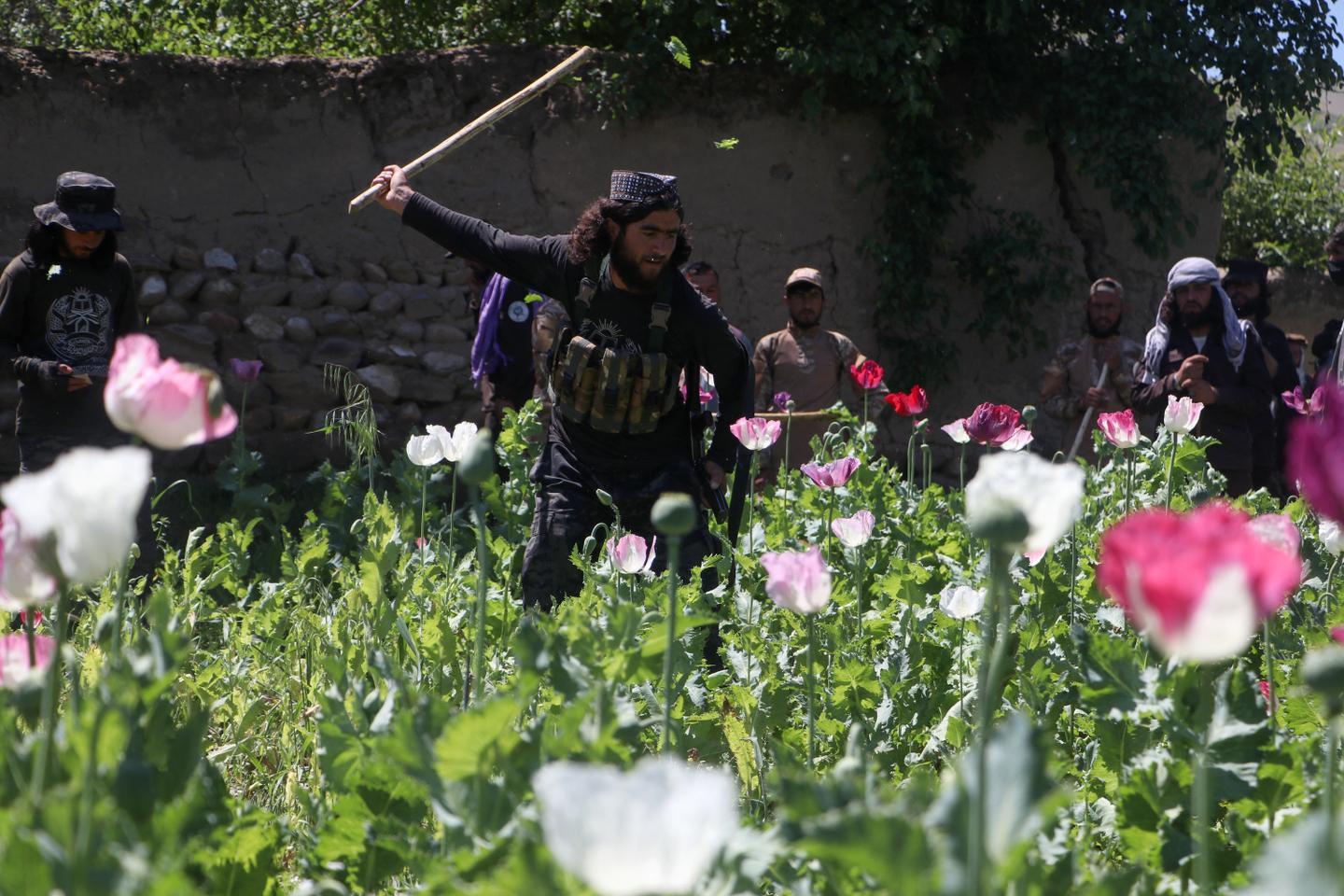
n April 2022, eight months after the Taliban seized Kabul, their supreme leader, Mullah Haibatullah Akhundzada, announced a ban on poppy cultivation across the territory of the "Islamic Emirate of Afghanistan." At the time, experts in drug enforcement remained skeptical; they saw this statement by Afghanistan's new rulers as a mere maneuver to facilitate the lifting of international sanctions. They recalled that the Taliban had already outlawed opium production in July 2000, through a fatwa issued by their leader and founder, Mullah Omar.
Subscribers only
'We must never forget why the peace agreement signed between Israel and Lebanon in 1983 collapsed less than a year later'
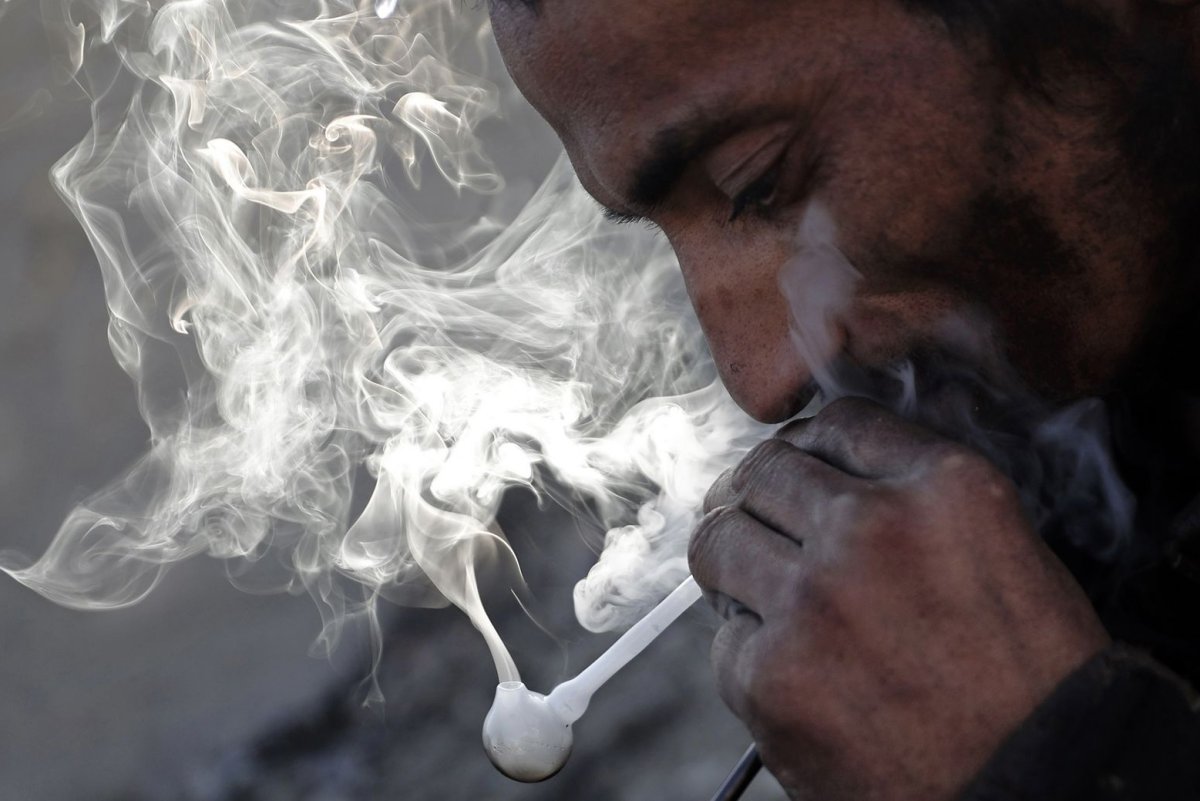
This prohibition, enforced with brutality, did dry up the world's main source of heroin, but at the cost of angering much of Afghanistan's peasantry, which was deprived of earnings from foreign currency with no compensation of any kind. The resentment of the rural population toward the Taliban played a significant role in their swift overthrow in the fall of 2001. Reduced to insurgents, the Taliban spent the next two decades betting their slow and patient return to power on a proven complicity with narcotics trafficking networks.