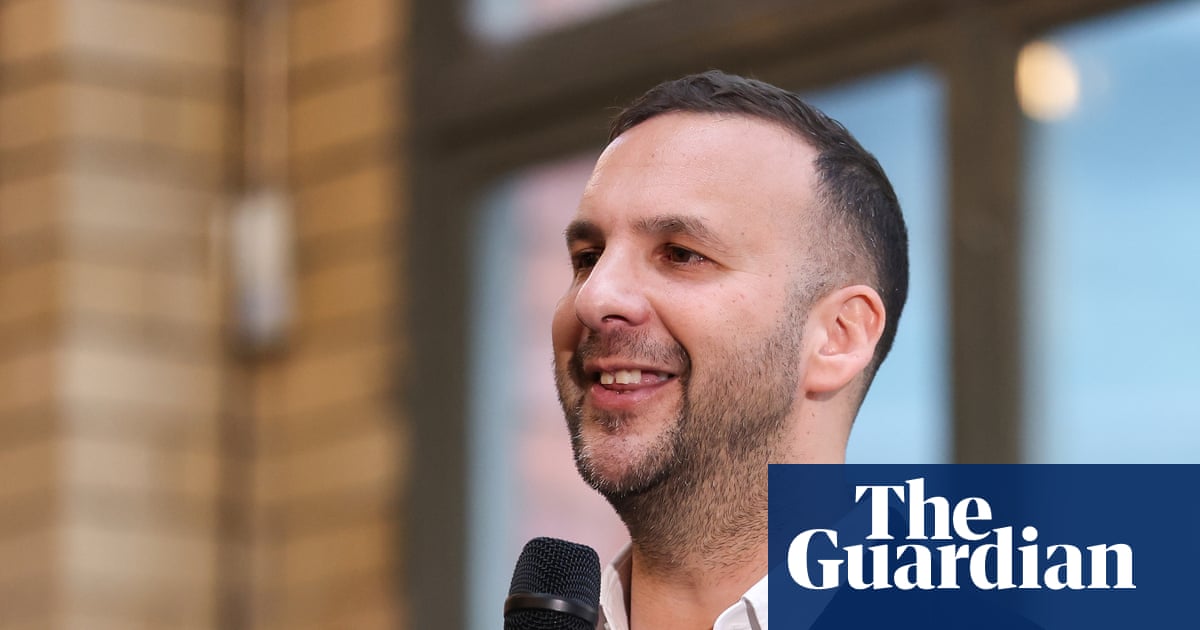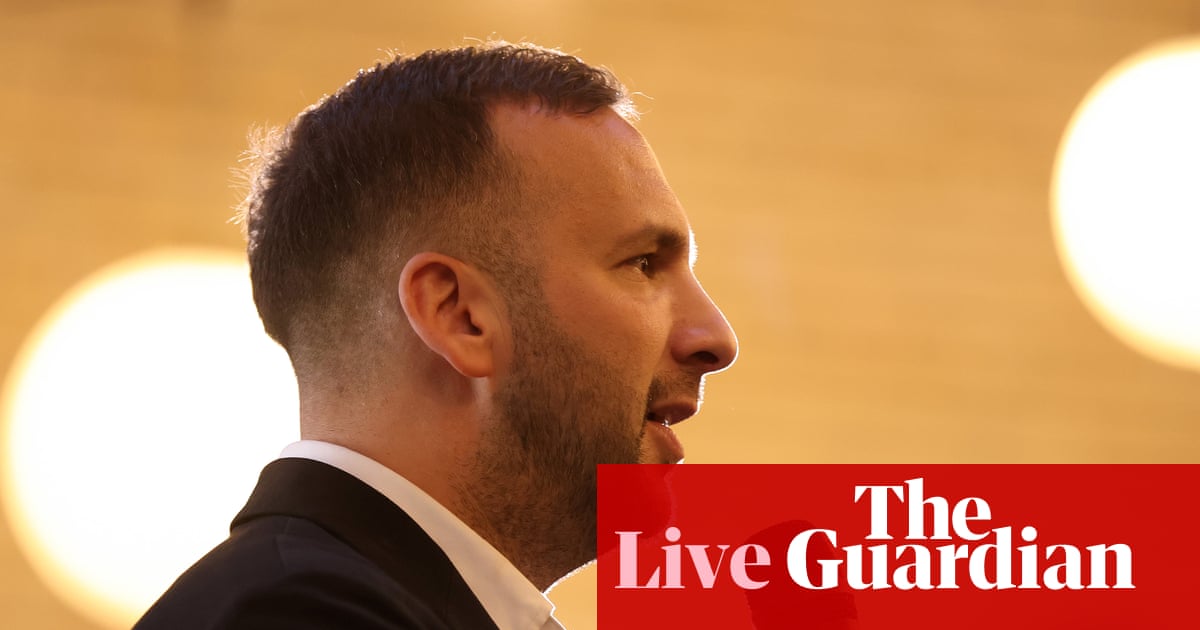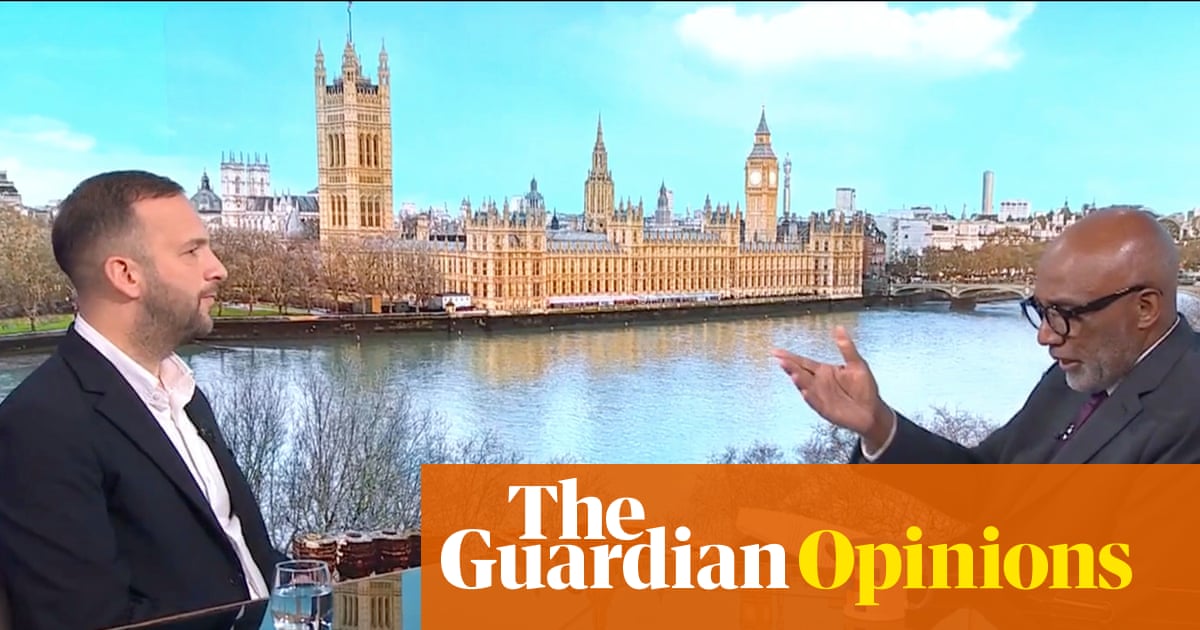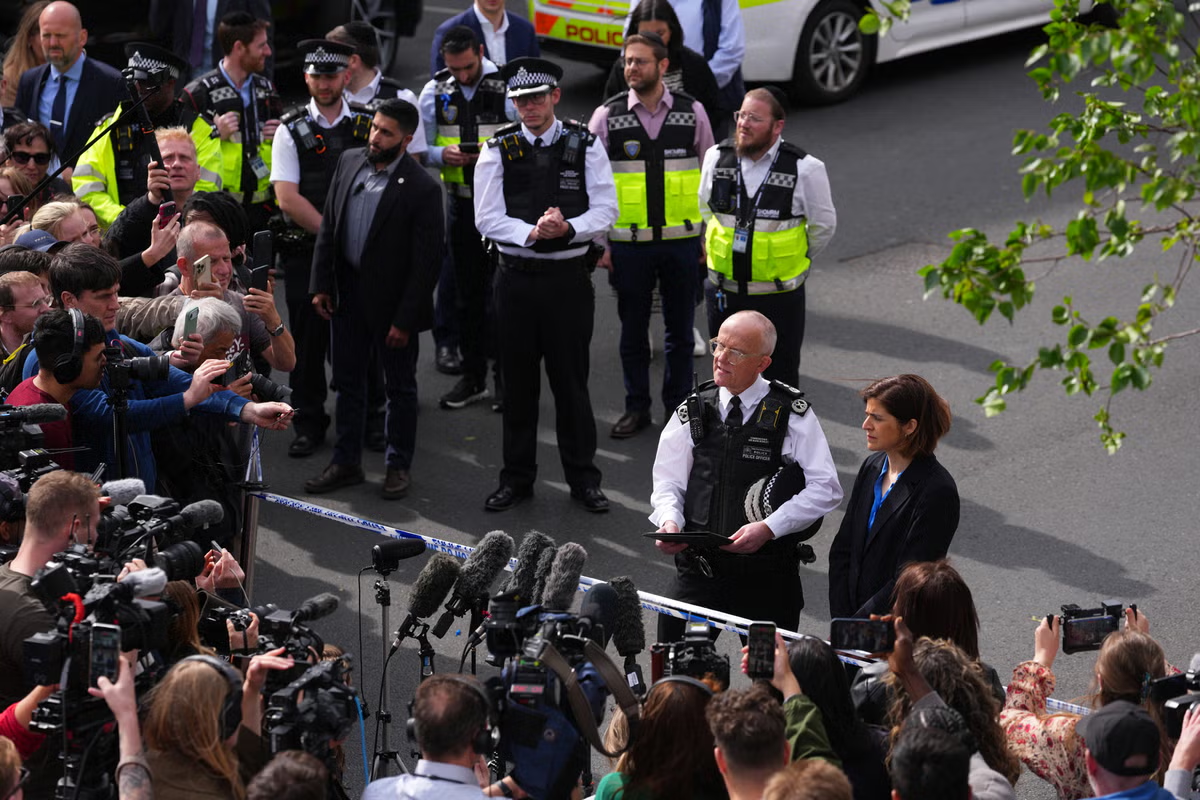
Zack Polanski has propelled the Greens firmly into contention with the other parties, with talk of his radical party replacing Labour – but with great success comes great scrutiny.As a result of a possibly unwise repost on social media about the Golders Green terror attack, he has received a public reprimand from the commissioner of the Metropolitan Police, Mark Rowley (“Britain’s top cop”, as the tabloids say). It is a rare, possibly unprecedented intervention in party politics by such a senior officer, and controversial with it.What did Polanski do wrong?He certainly didn’t break any law. He retweeted a post on X about how the attacker was apprehended. It read: “So essentially his officers were repeatedly and violently kicking a mentally ill man in the head when he was already incapacitated by a Taser.” To his critics, it seems as though he was too sympathetic to a suspect apparently out to kill as many Jewish people as possible. To the police chief, it was an attack on the integrity of his officers. What did Rowley do wrong?Again, no laws or rules were broken, but his critics argue he has compromised the convention that chief constables don’t get into public arguments with party leaders because that compromises the essential principle of operational independence for the police force, and the consent of the public they need to do the job. Rowley, perhaps a more emotional man than he looks, sees himself as robustly defending his brave officers: “Apprehending violent and dangerous criminals is a full-contact and messy task which may appear shocking to observers with little experience of policing in the real world. Officers need to know that when they act to protect Londoners decisively, they will be supported.”Did Polanski go too far?He cannot have intended to trigger such a negative response that even some of his own colleagues distanced themselves. His own party even put out a statement: “Zack saw the video like everyone else, and doesn’t know the full picture and knows it was a very difficult situation for the authorities, but we do need to understand more about the response.” Polanski, of course, also condemned the assault on the Jewish community: “Jewish communities woke up this morning feeling incredibly scared after yet another odious antisemitic attack. This is a time for politicians to work together to protect Jewish people – but some party leaders are instead using this moment to make political attacks.”Did Rowley go too far?Arguably. His statement was personally and probably unnecessarily dismissive of Polanski, and he could easily have ignored it because of the risk that the Met might be seen as taking sides in an argument about the right to protest and about the conflicts in the Middle East. Polanski is not a fringe figure any longer, which is possibly why Rowley took the trouble to publicly rebuke him. However, imagine if Polanski was elected to office and Rowley had to answer to him on policy matters; could we be confident they could work together?In the past, Rowley has had to contend with Suella Braverman as home secretary attempting to interfere with the regulation of pro-Palestinian protests, or “hate marches” as she called them. Rowley defended his operational independence, but he also held back from telling her off in front of everyone. (She is still calling for him to quit.)Rowley did slap down the truculent Reform UK MP Lee Anderson during testimony to the Commons Home Affairs Committee for showing excessive ignorance of the law. You can’t blame Rowley for his frustrations, but it might be better if he just bit his lip. Such clashes are inevitable but surely best avoided. Like his officers – who will soon be trying to keep pro-Palestine protesters and Tommy Robinson supporters from harming one another or terrifying Londoners – it’s not easy to keep cool, but sometimes you just have to put up with the abuse.
Polanski vs the police chief: Why spat over Golders Green is risky for both sides
Met police commissioner Mark Rowley and Green leader Zack Polanski have done nothing wrong but, as Sean O’Grady explains, public arguments can have unintended consequences
647 words~3 min read