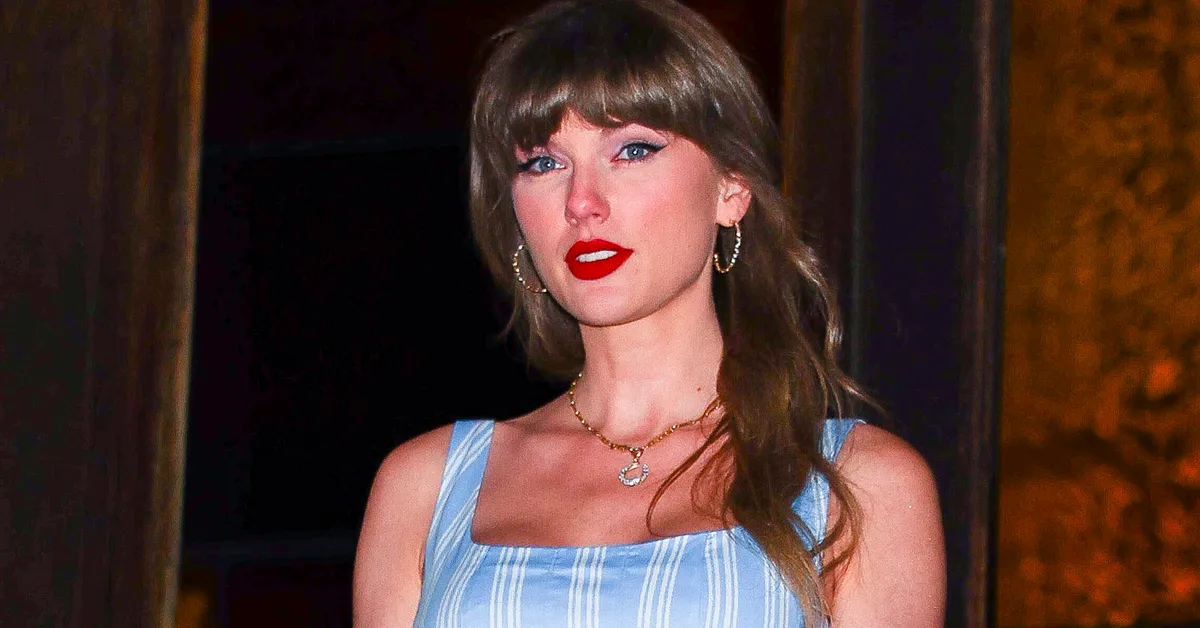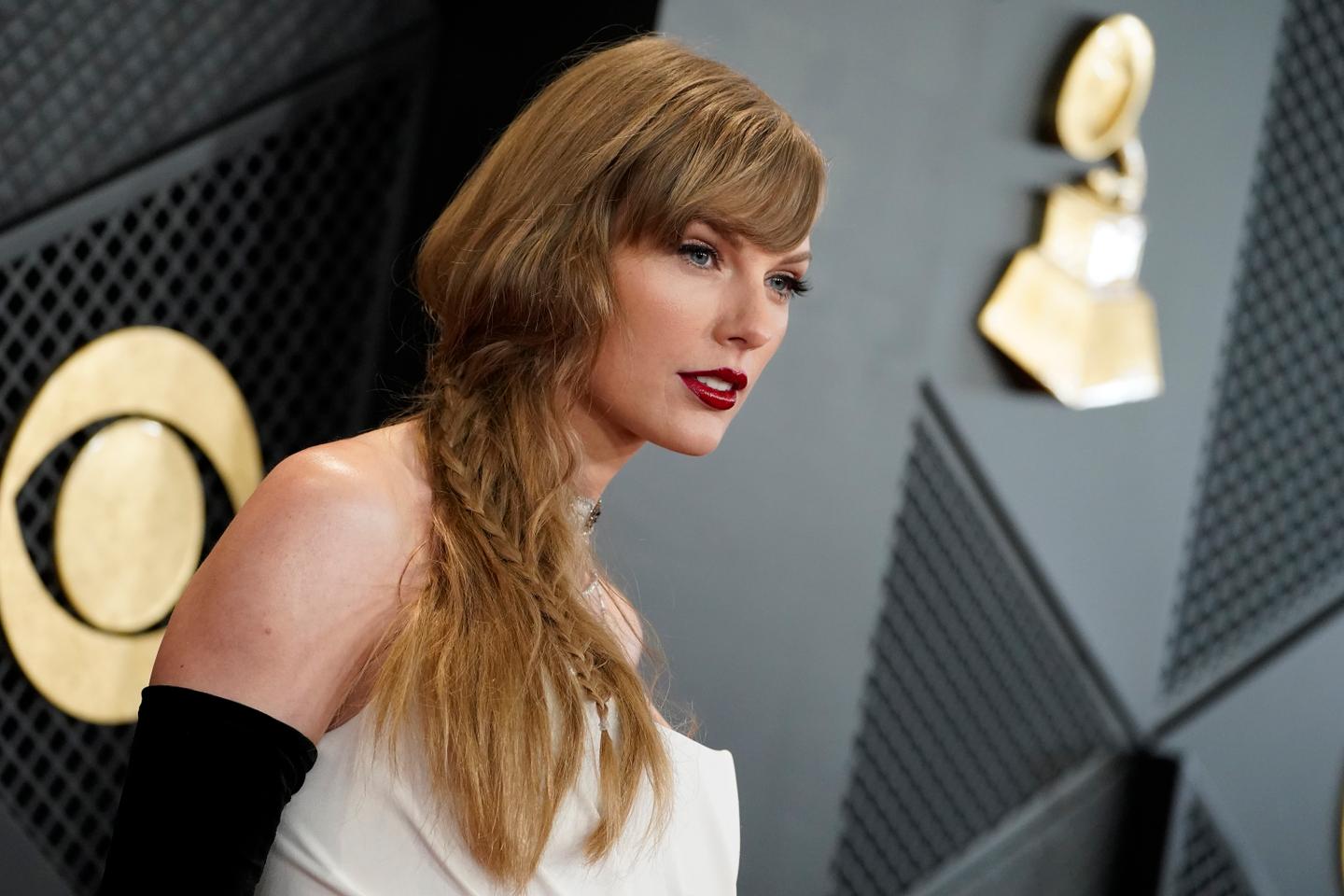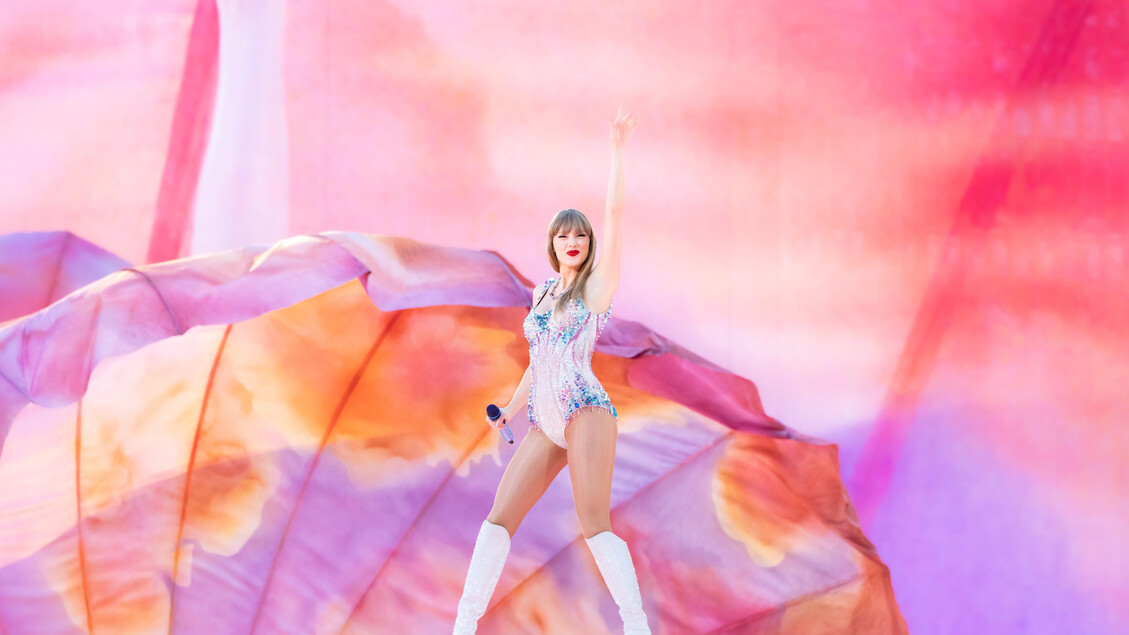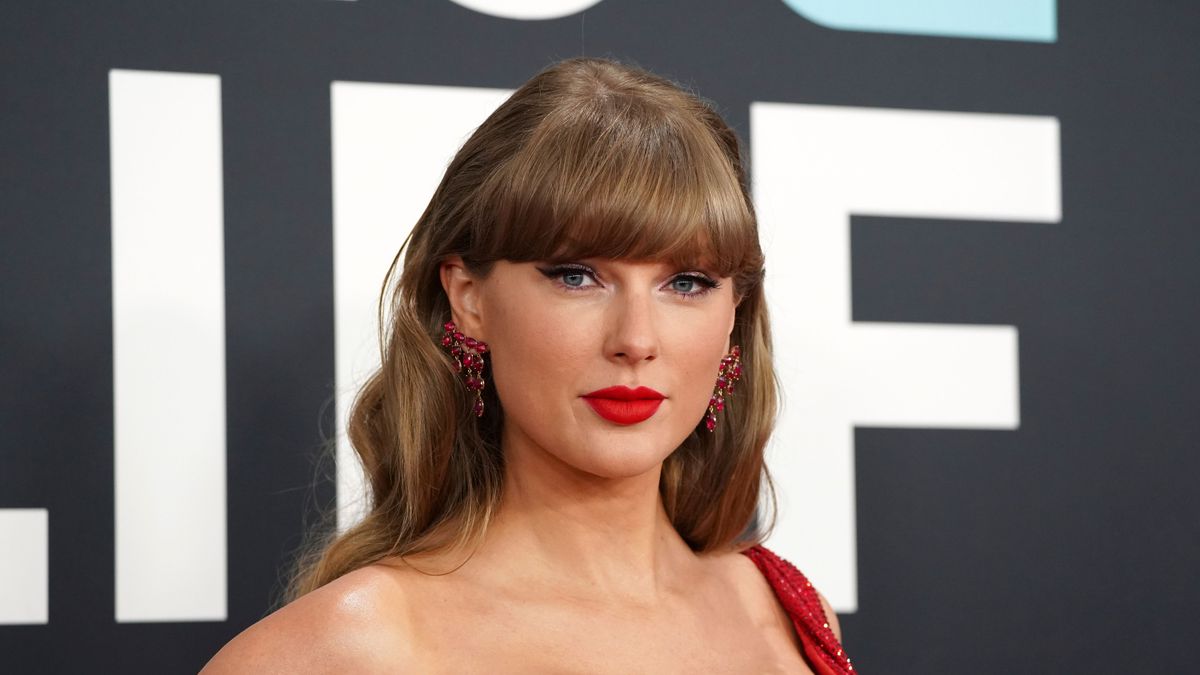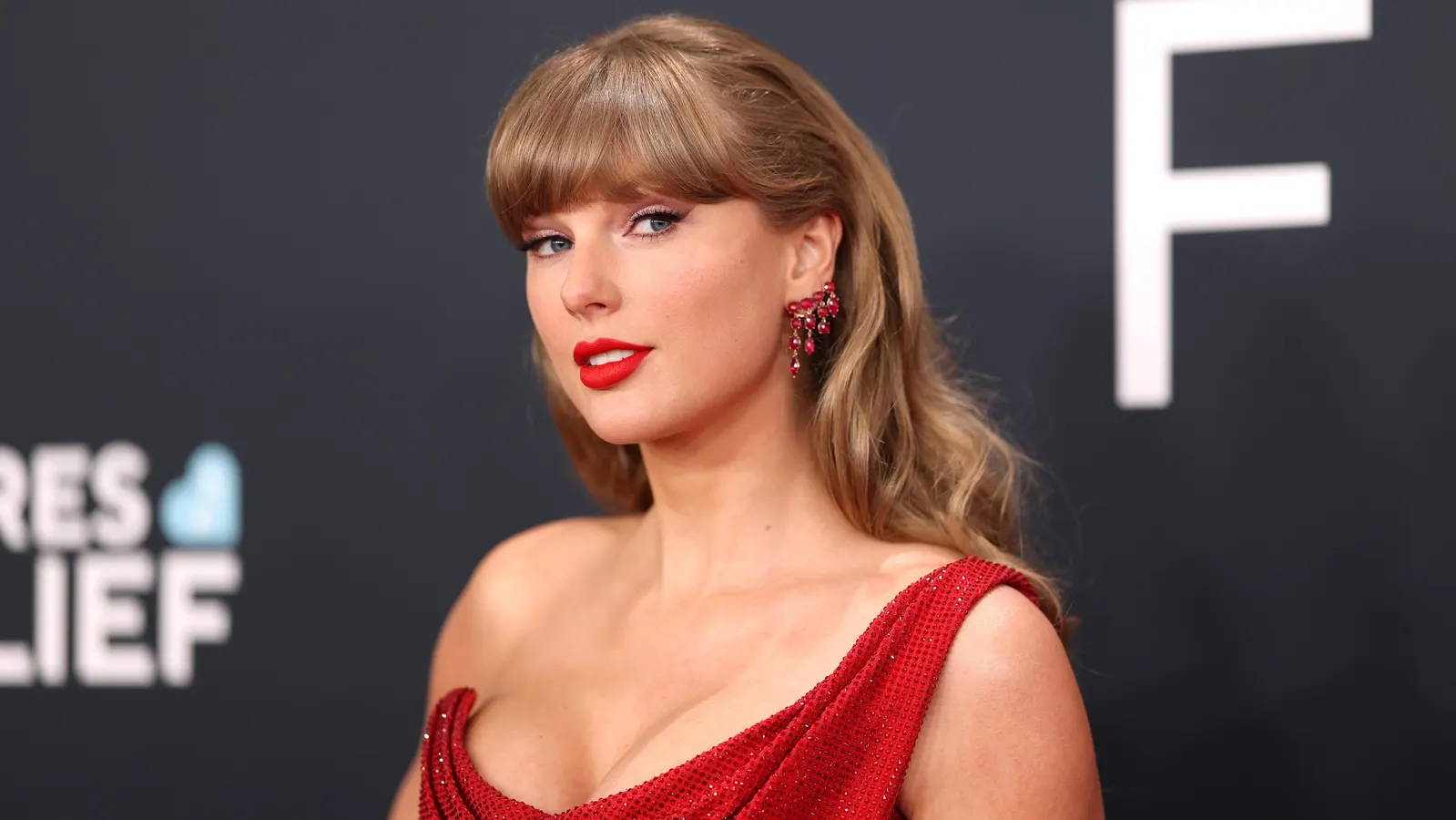
This is this week’s ForbesWomen newsletter, which every Thursday brings news about the world’s top female entrepreneurs, leaders and investors straight to your inbox. Click here to get on the newsletter list!(Photo by Gareth Cattermole/TAS24/Getty Images for TAS Rights Management )Gareth Cattermole/Getty Images for TAS Rights ManagementEarlier this week, Taylor Swift filed three new trademark applications to protect her voice and image, a move that was largely seen as a way to protect the Grammy winner against continued threats of AI misuse. Swift has been the subject of a bevy of unauthorized and AI-produced content over the years, and as Cynthia Katz, a music partner at law firm Fox Rothschild, explained to me in this Forbes Talks segment, Swift’s new trademark applications offer a playbook for other artists and public figures concerned about how artificial intelligence could be used to misrepresent their own names, images, likenesses and works.Concerns about AI’s effect on art—and specifically, music—are not new to 2026. Two years ago, the three largest music labels filed lawsuits against two AI-music startups for allegedly copying songs to train their AI models. What’s made AI’s threat against the traditional music industry feel sharper today is the way consumers and former critics have begun to embrace the technology. To wit: Suno, one of the startups previously sued by those music labels, was in April the Apple App Store’s most downloaded music app (yep, it even beat Spotify) and is worth a cool $2.5 billion. What does all of this mean for how music is produced? What will this do to the songs that score our workouts, commutes and dinner parties? As my colleague Rashi Shrivastava writes in her new profile of the Suno founders, this is an existential question that has no easy answer. But it’s a question I nonetheless posed during a recent C-Suite Unscripted interview with Golnar Khosrowshahi, the founder and CEO of Reservoir Media. Reservoir owns and represents iconic music from artists like Joni Mitchell, John Denver, and Hans Zimmer, and Khosrowshahi founded the company during another existential crisis for the music industry: 2007, when music piracy was at a high and CD sales were in freefall.“What people don’t talk about is that the impact of AI on the music business is much more of a B2B impact,” Khosrowshahi told me. “Its impact on the studio, its impact on our systems, its impact on how we license and how we collect… That’s going to be the most significant impact, and less so the cannibalization of super high quality, chart-performing music.” I sincerely hope Khosrowshahi is right about that. Because as much fun as it is to laugh over an AI-generated punk song drawn from a pregnant wife’s texts to her husband, it’s far more fulfilling to dance to the carefully-constructed songs from real-life artists like Swift, Noah Kahan, and the bevy of other songwriters who pour their hearts—and not AI agents—into their work.Cheers,Maggie McGrathExclusive Forbes Analysis: Why Higher Salaries Aren’t Delivering Stability For WomengettyEven when women reach higher income brackets, financial stability does not automatically translate into ease. That is because income is only one side of the equation: Women continue to shoulder a disproportionate share of unpaid emotional and domestic labor, from managing households to coordinating childcare to maintaining social and relational networks. For many women, the question has transformed from, “Am I earning enough?”to, “Is what I’m earning worth what it’s costing me?”ICYMI: News Of The WeekSpeaking of financial stability: "Ambition guilt" is a non-financial factor that interferes with long-term financial outcomes by quietly shaping how women relate to higher levels of income, ambition, self-worth, and the pursuit of more. It can be hard to quantify, but it often starts with a woman’s first paycheck and compounds over time. Here’s how to know if ambition guilt has affected your own ability to build wealth.Nicole Wertheim, a philanthropist who supported education, advocated for women and served as a key early partner in her former husband’s optical lens firm, died suddenly on Monday, April 20 at age 82, according to her daughter Erica Wertheim Zohar. Her death took place the same night that she was being honored in Miami for a $10 million gift she and her then-husband made more than a decade ago to Florida International University to create the Nicole Wertheim College of Nursing & Health Sciences.Are you implementing AI to solve a problem, or just adding technology to a broken workflow? For this week’s episode of C-Suite Unscripted, ForbesWomen editor Maggie McGrath sat down with Teresa Barreira, Global Chief Marketing and Communications Officer at Publicis Sapient, to discuss the dangers of committing "random acts of AI." Barreira also talked about how her team successfully automated 80% of their daily tasks by building over 100 custom AI assistants—and why she decided to start giving out an award to her direct reports for failure.There’s a particular subset of feminism called commodity feminism—the process by which feminist ideals are repackaged into consumable branding rather than structural change—and recent publicity tours from two prominent female executives are reminders that commodity feminism doesn’t always translate into structural change, writes ForbesWomen contributor Christine Michel Carter.A new study published this month in the JAMA Network Open journal identified multiple objective measures of the benefits of perinatal doula care, including reduced maternal anxiety, improved postpartum follow up and higher incidence of breastfeeding in the early newborn period.The Checklist1. Slow down decisions when others use false urgency. Before you make your next decision, reflect first: Do I have to make a quick decision, or do I have more time? What biases might I need to check? What context am I missing? What are the necessary decision criteria, and what alternatives could I explore?2. Protect your career while ignoring AI. We’ve written a lot in this newsletter about how to engage with AI in order to preserve your career path. But what if you understand the ways AI is changing the workplace but just don’t want to engage with it? We get it—and if that’s you, here’s what to do.3. Build a retirement readiness checklist that goes beyond savings. Retirement is sometimes reduced to the question: “Do I have enough?” And while this is indeed important, it’s only a part of the story. Retirement is a shift from accumulation to distribution and management, with new risks that may have as much to do with how much you’ve saved as with how your system is structured. Here’s what you should be considering.The QuizA major airline will enact new restrictions for portable power banks on planes starting tomorrow. Lithium-ion battery fires or other overuse incidents have led to restrictions on which of the following airlines? American AirlinesSouthwest AirlinesUnited AirlinesAll of the aboveCheck your answer.Liked what you read? Click here to get on the newsletter list!
What Taylor Swift’s Voice Trademark Applications Say About AI Threats. Plus: Is ‘Ambition Guilt’ Costing You Money?
Welcome to this week’s ForbesWomen newsletter, which every Thursday brings news about the world’s top female entrepreneurs, leaders and investors straight to your inbox.
1,128 words~5 min read