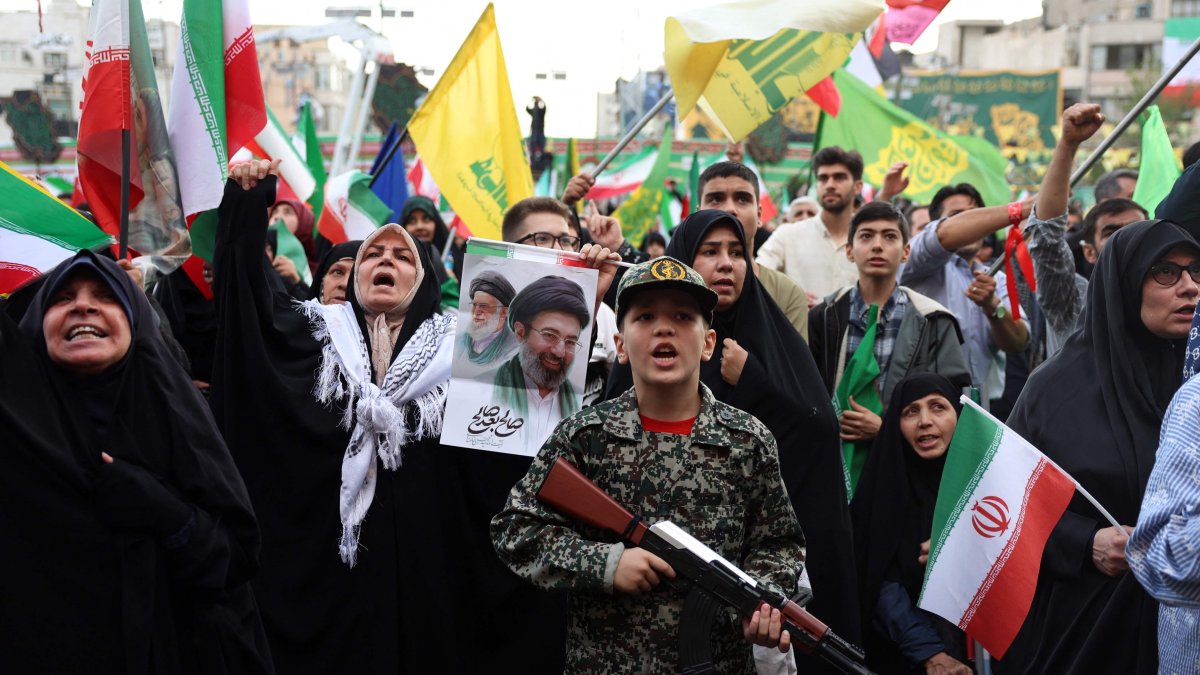
The confrontation between Iran and the United States intensified sharply on Thursday, with Tehran issuing a direct warning that any renewed American military action would trigger “long and painful strikes” against U.S. positions across the region, even as the strategic Strait of Hormuz remains shut and global energy markets continue to absorb the shock.
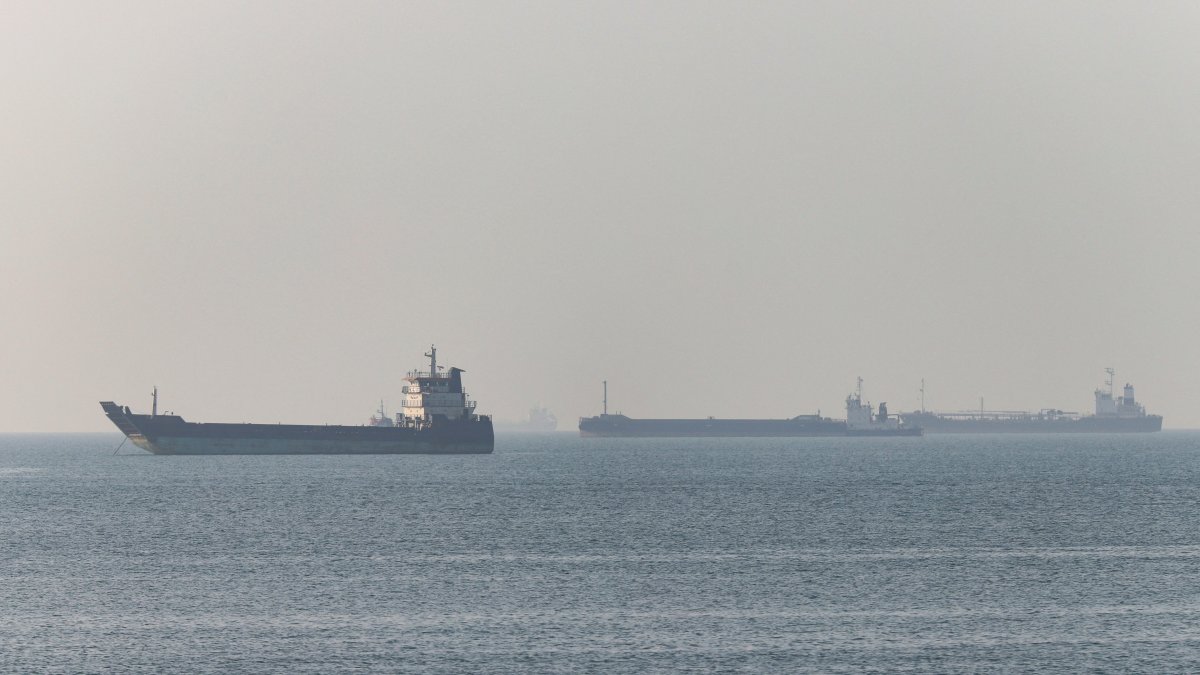
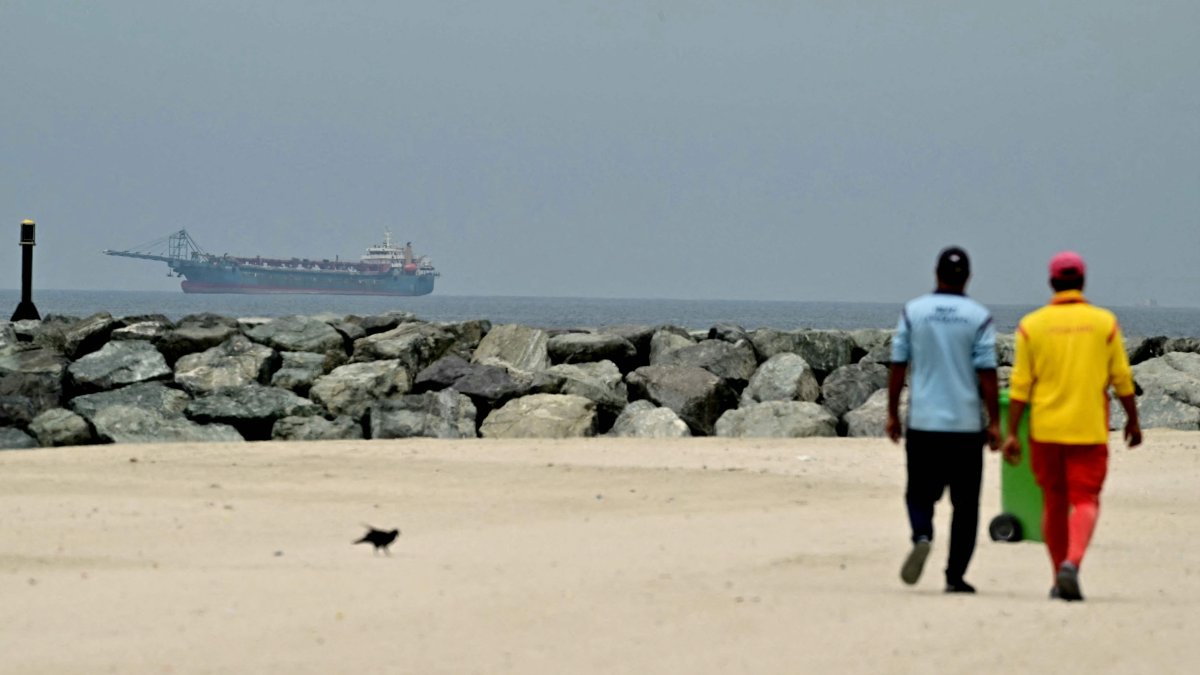
At the center of the crisis is the world’s most critical oil transit route, where shipping has been effectively halted for two months amid the U.S.-Israeli conflict with Iran.
The closure of the Strait of Hormuz, which carries roughly one-fifth of global oil and gas flows, has turned an already volatile war into a full-scale economic pressure point, pushing Brent crude above $126 a barrel at one stage before settling closer to $114.
The sustained disruption has tightened supply chains, lifted fuel costs worldwide, and intensified warnings from economists about inflationary spillover and recession risk if the blockage continues.
Iran has framed the closure as a response to what it calls a U.S. naval blockade targeting its oil exports, which remain the backbone of its economy.