I
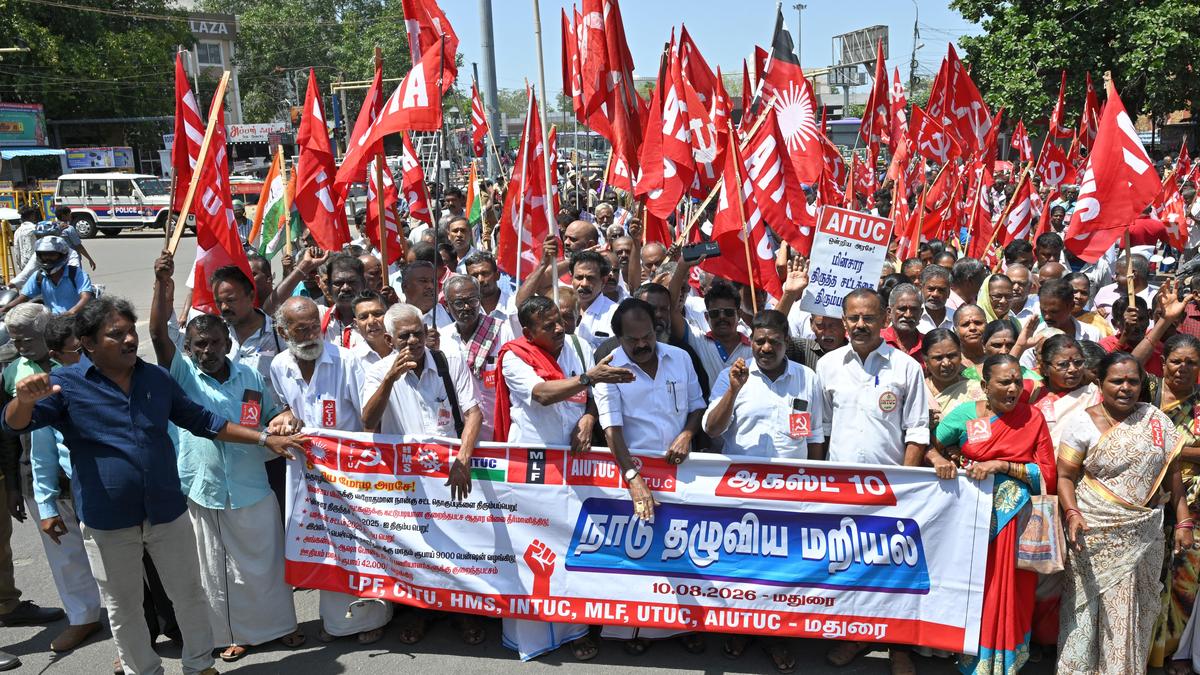
n 1918, Bahman Pestonji Wadia founded the Madras Labour Union, India’s first trade union with regular membership and a relief fund, established to address what he called the “mal-treatment of workers” by European officers. The union he helped build was, in the eyes of British common law, a conspiracy to restrain trade.
In 1921, a Madras court put a price on the act of organising workers against unfair working conditions. £2,000 was awarded against Wadia and fellow unionists for leading a strike against the Buckingham and Carnatic Mills. The management agreed to waive the payment on the condition that Wadia sever all associations with the union he had built. There was no law to protect him. The unionists complied.