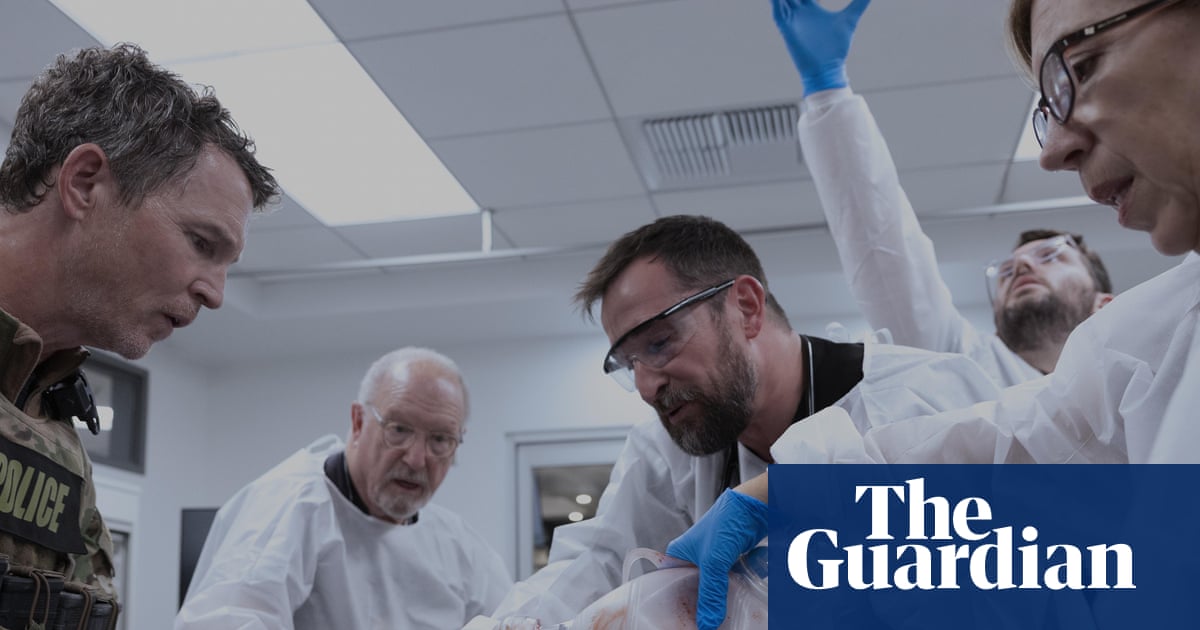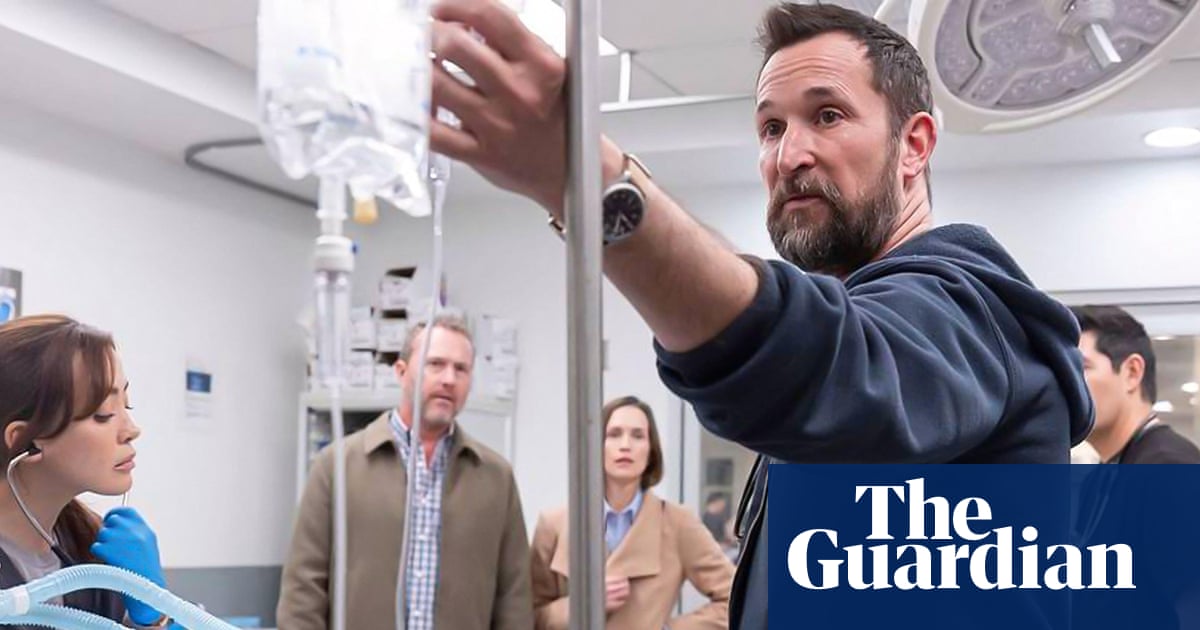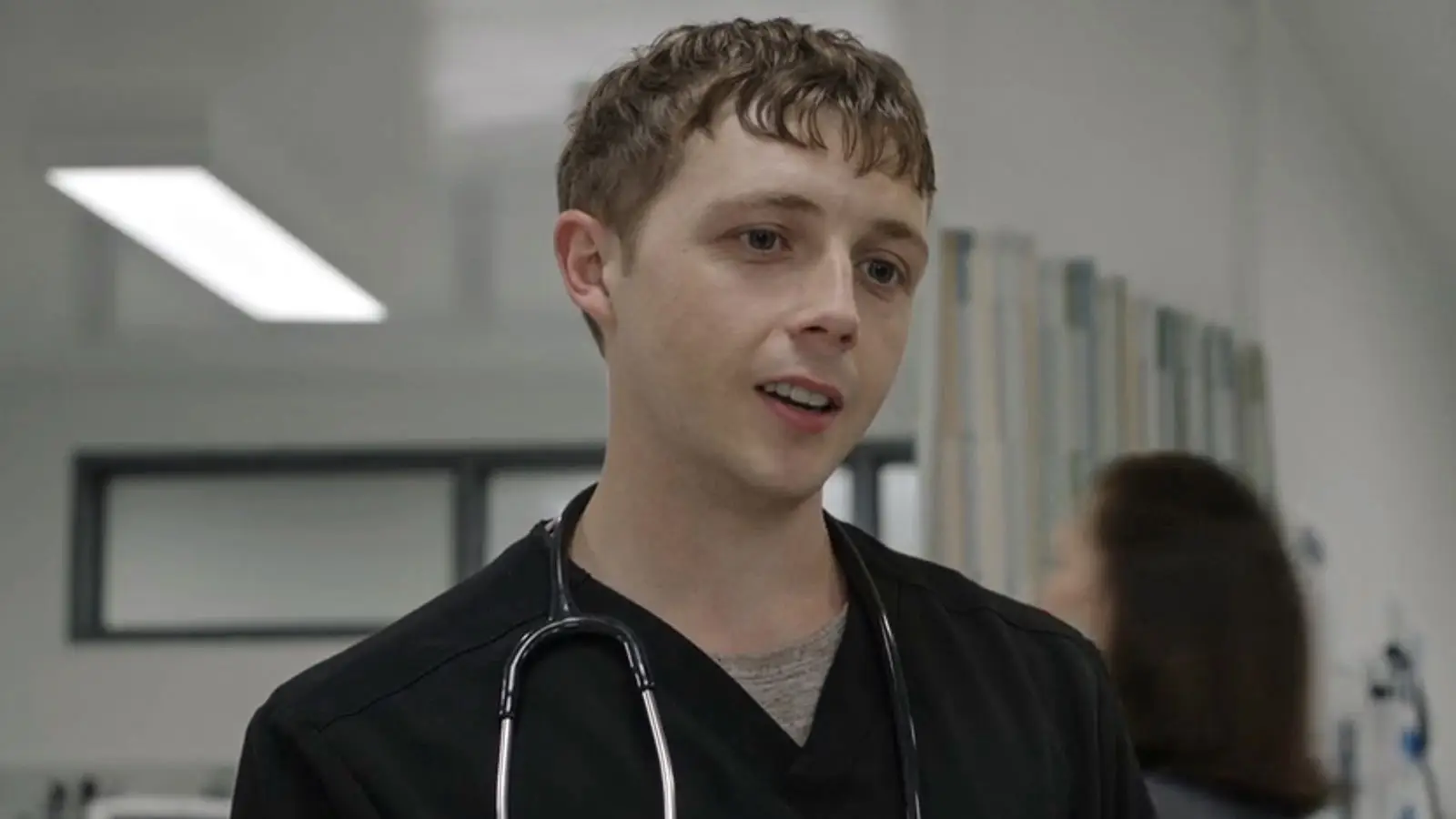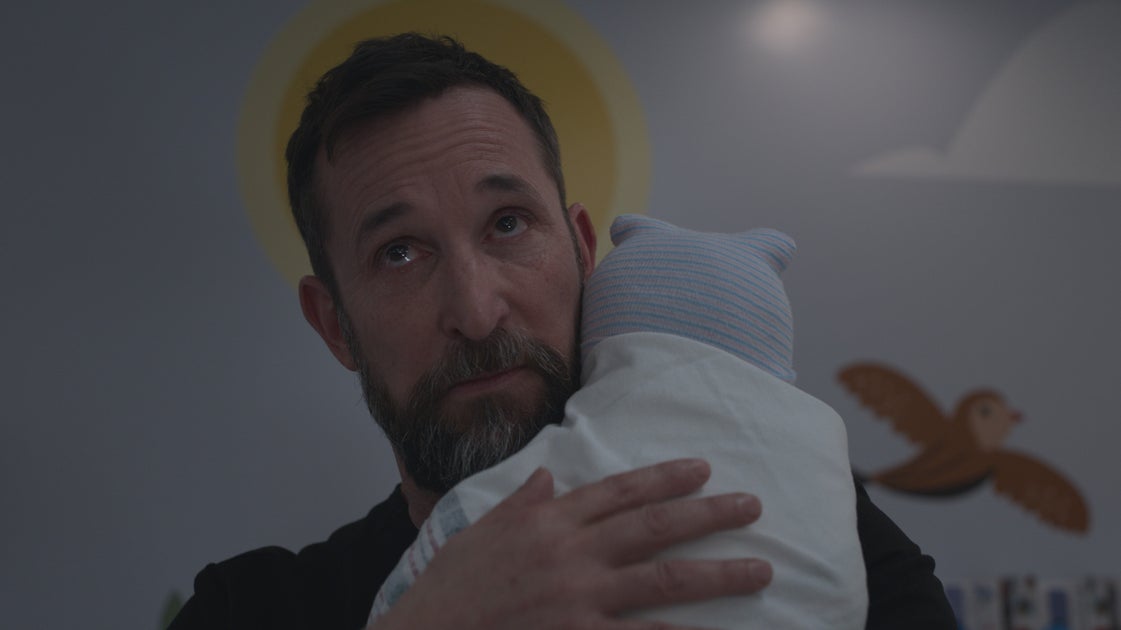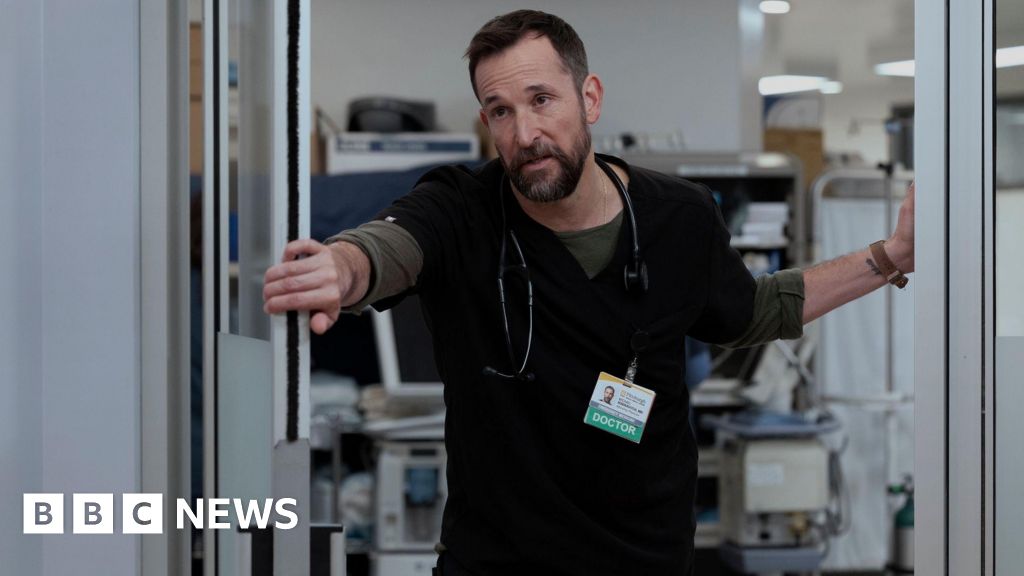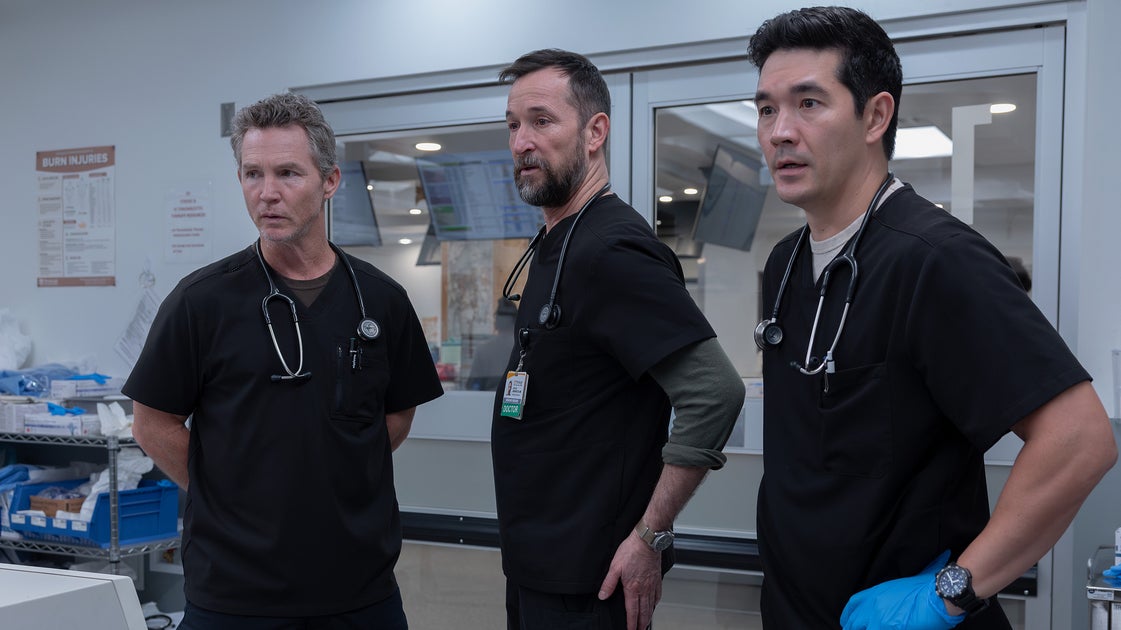
In Season 1 of “The Pitt,” Dr. Heather Collins has a miscarriage in an employee restroom... and goes back to work. Charge nurse Dana Evans vows to leave her position after getting sucker punched by a patient... but doesn’t. What keeps TV medical personnel staying on the job through illness, injury and trauma is a script to follow and a show to produce. For us, real-life healthcare professionals, it’s more complicated.
When I was a 21-year-old nursing student, I waited until my day off to visit my doctor about my abdominal pain and vaginal bleeding. I was diagnosed with a pelvic infection, given a shot of antibiotics and told to return if things didn’t improve. When Monday rolled around, I wasn’t improved, but rather than go to my doctor, I went to work.
I cared for my patients through pain and bleeding, but when I started struggling for breath, I finally checked myself into the emergency department. There, an ultrasound showed a ruptured ectopic pregnancy with blood accumulating in my abdominal cavity. I needed emergency surgery. I was wheeled through the hospital halls — past the classmates I had been working with less than an hour before. No one seemed shocked.
Shouldn’t it have been more surprising that a healthcare worker would drag herself to her post while actively hemorrhaging? Although some of it might be explained by my own blind trust — told it was a simple infection, I chose to soldier on — the larger piece that cannot be ignored is the culture that pervades healthcare. The hidden curriculum, the unspoken expectation, is that we show up for our patients no matter what.