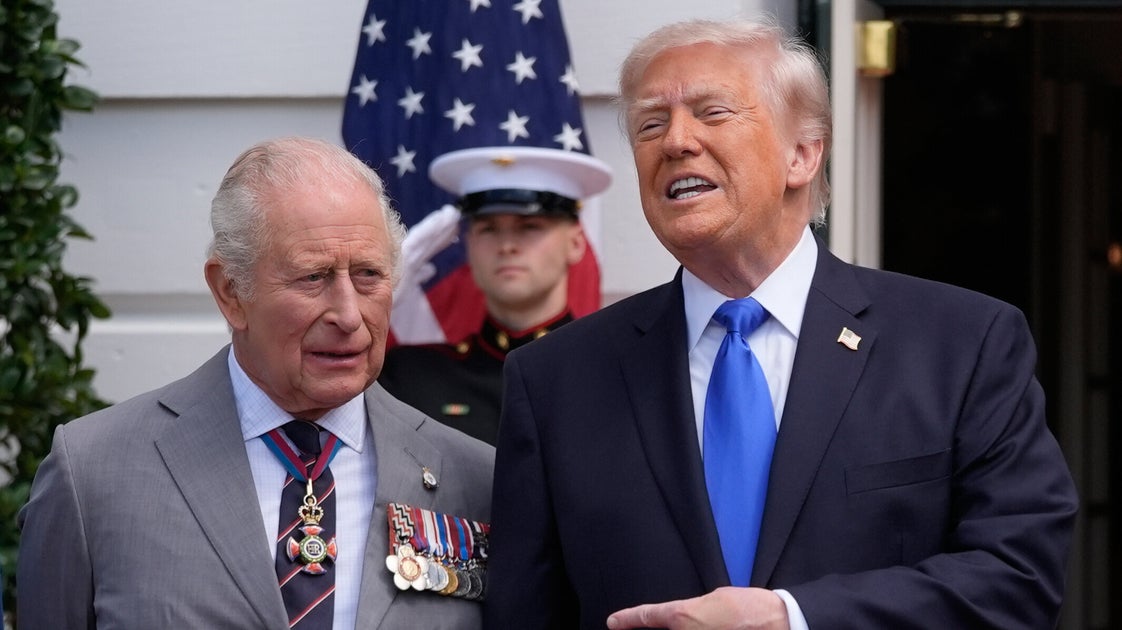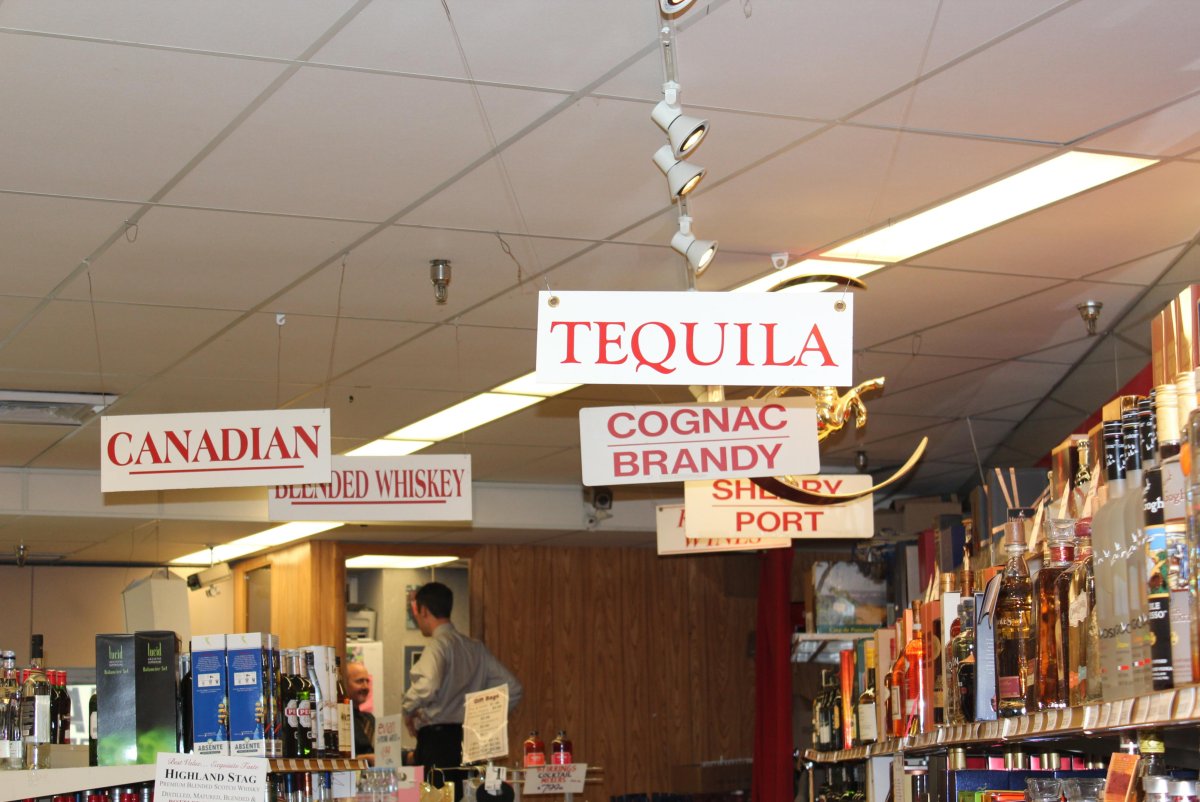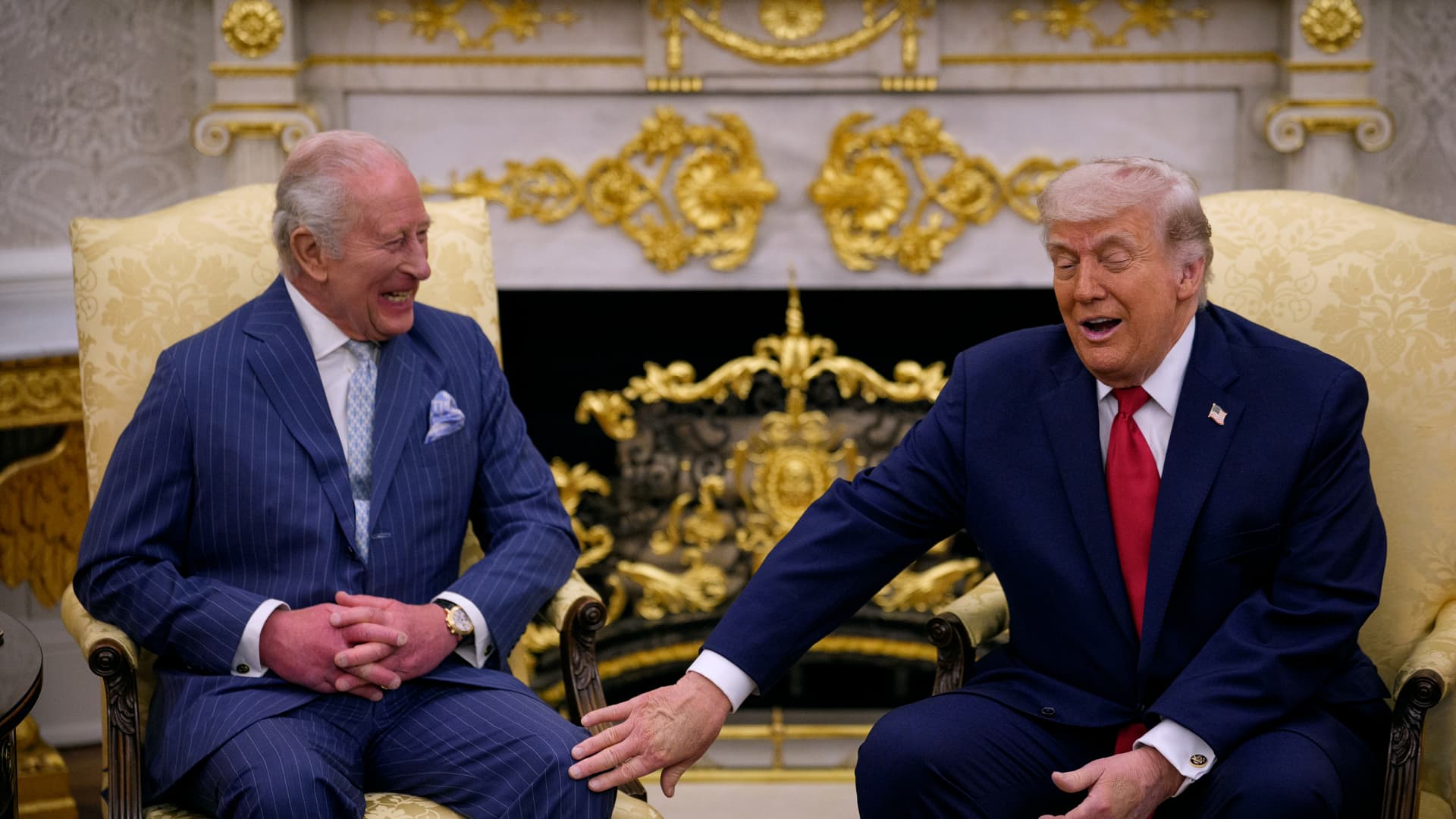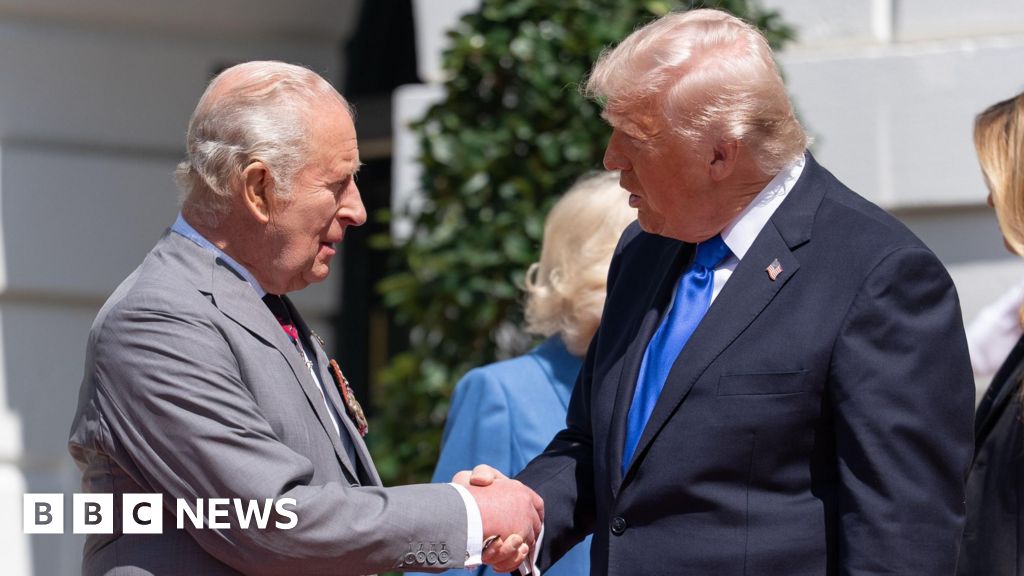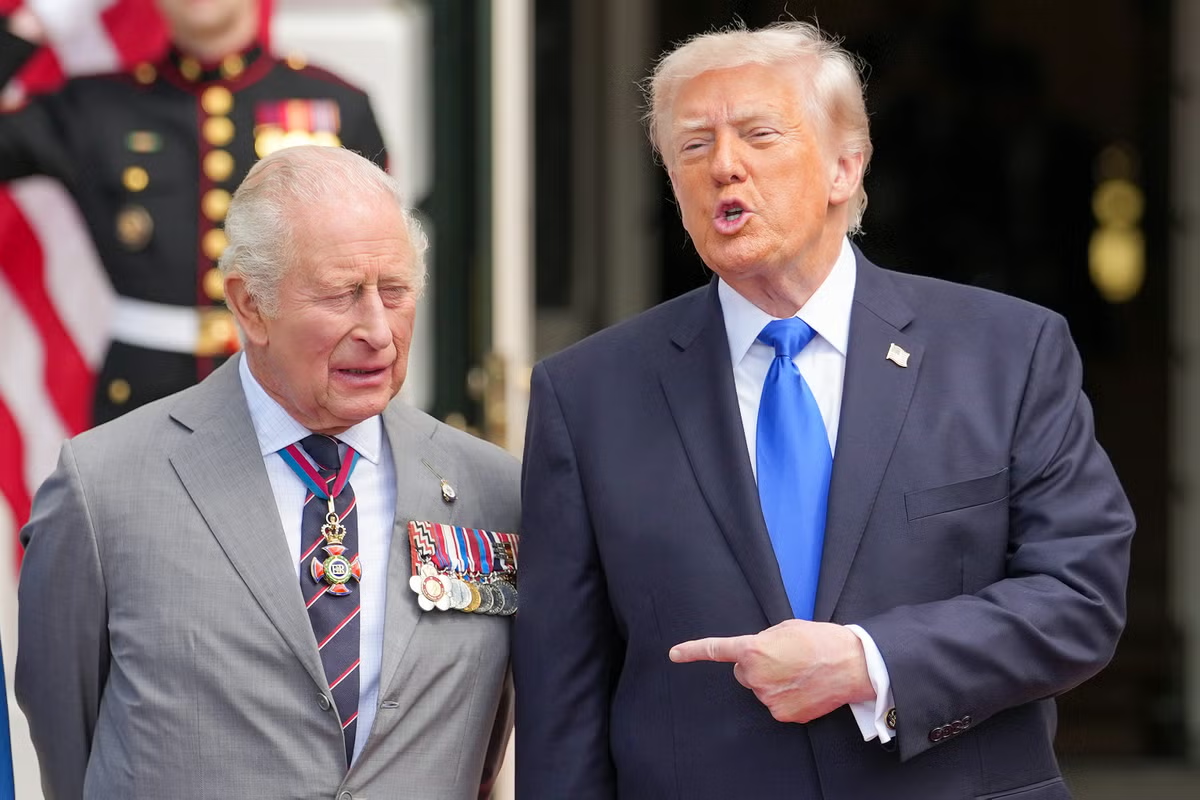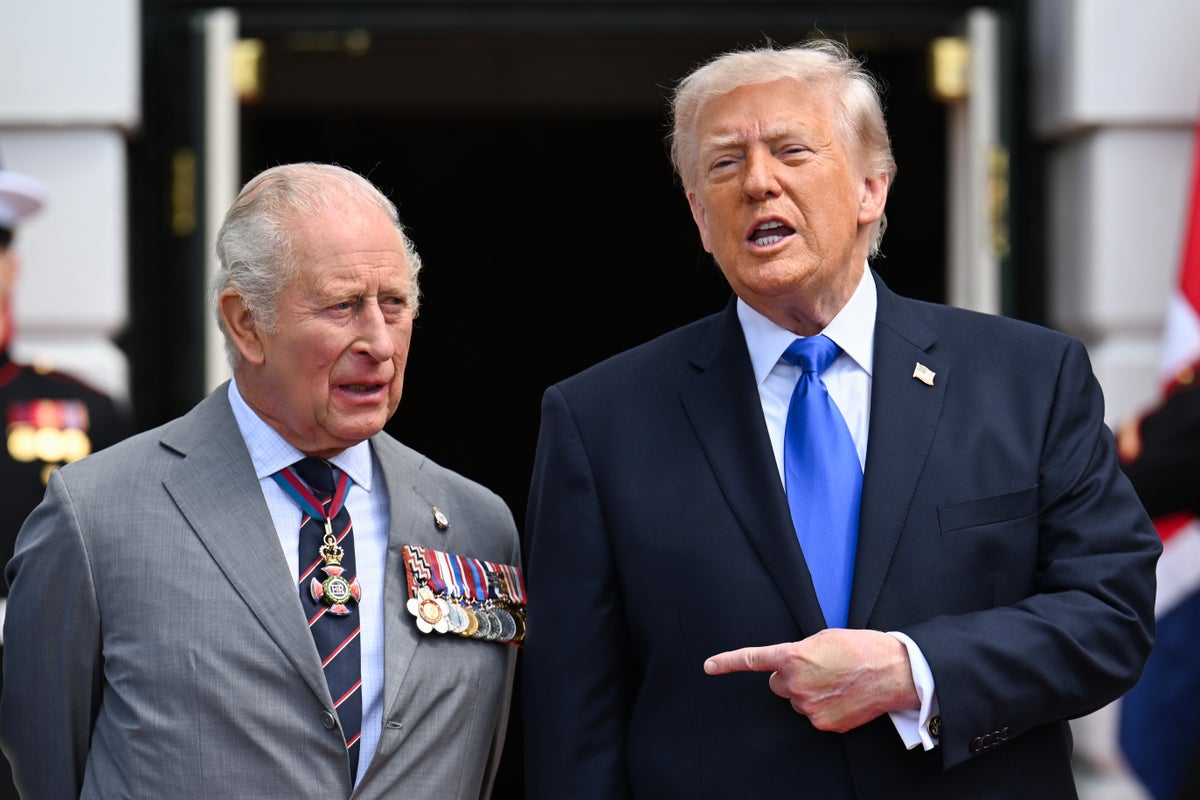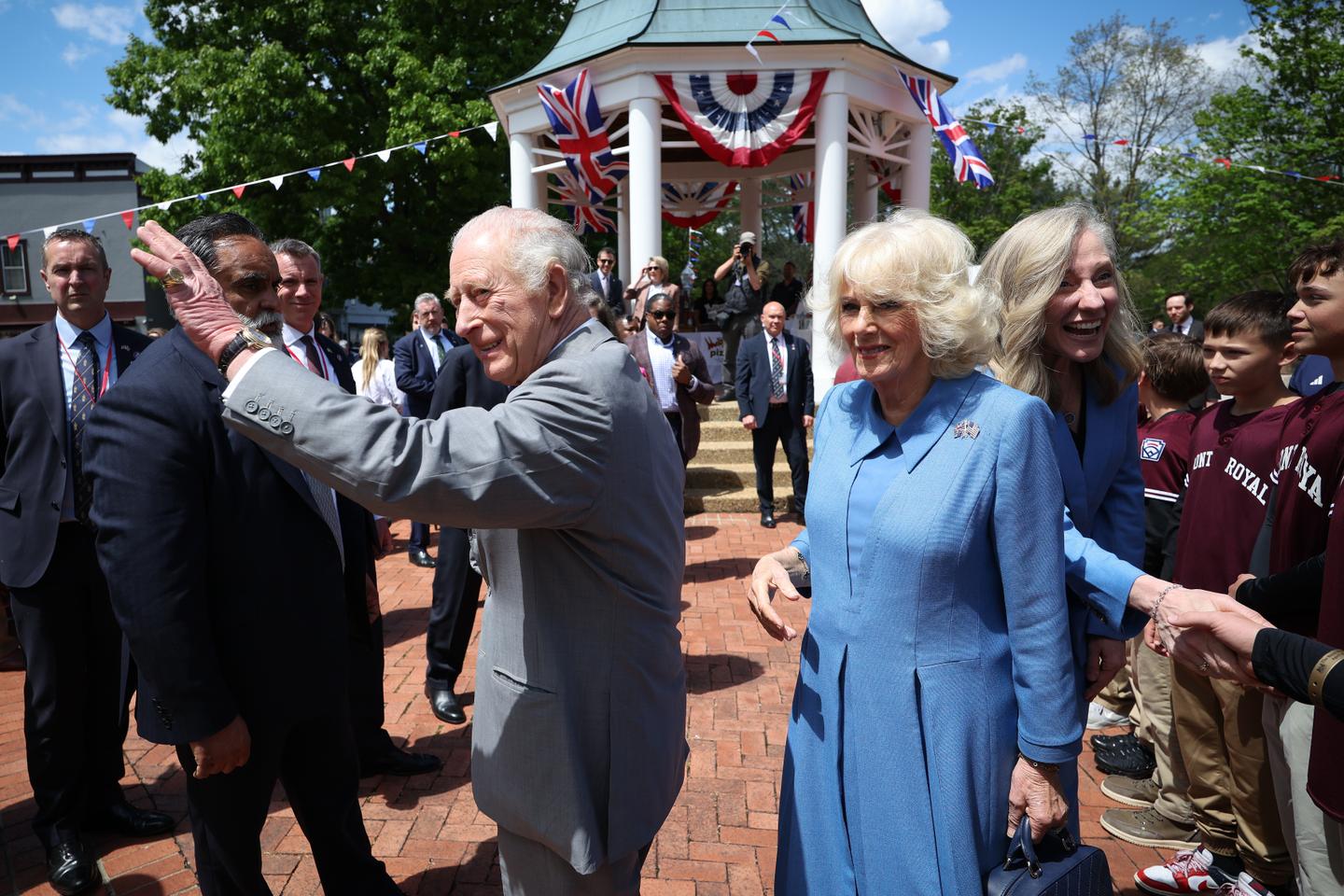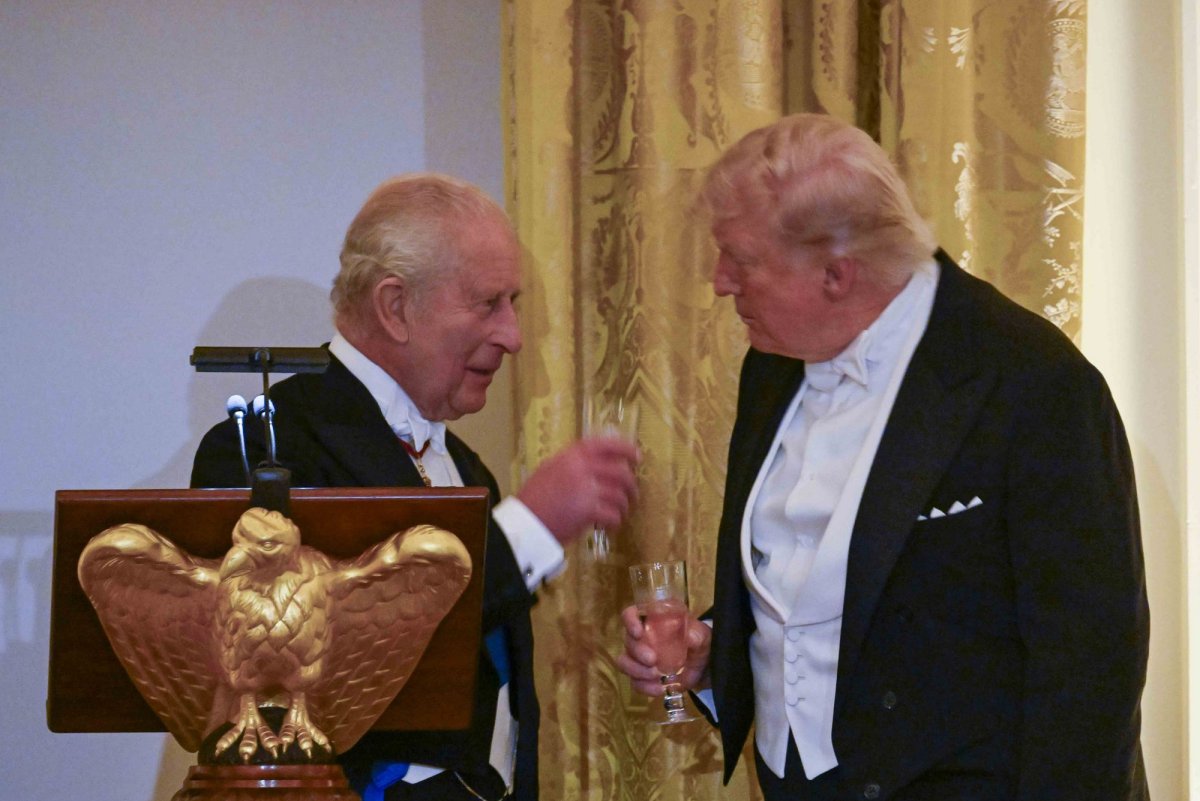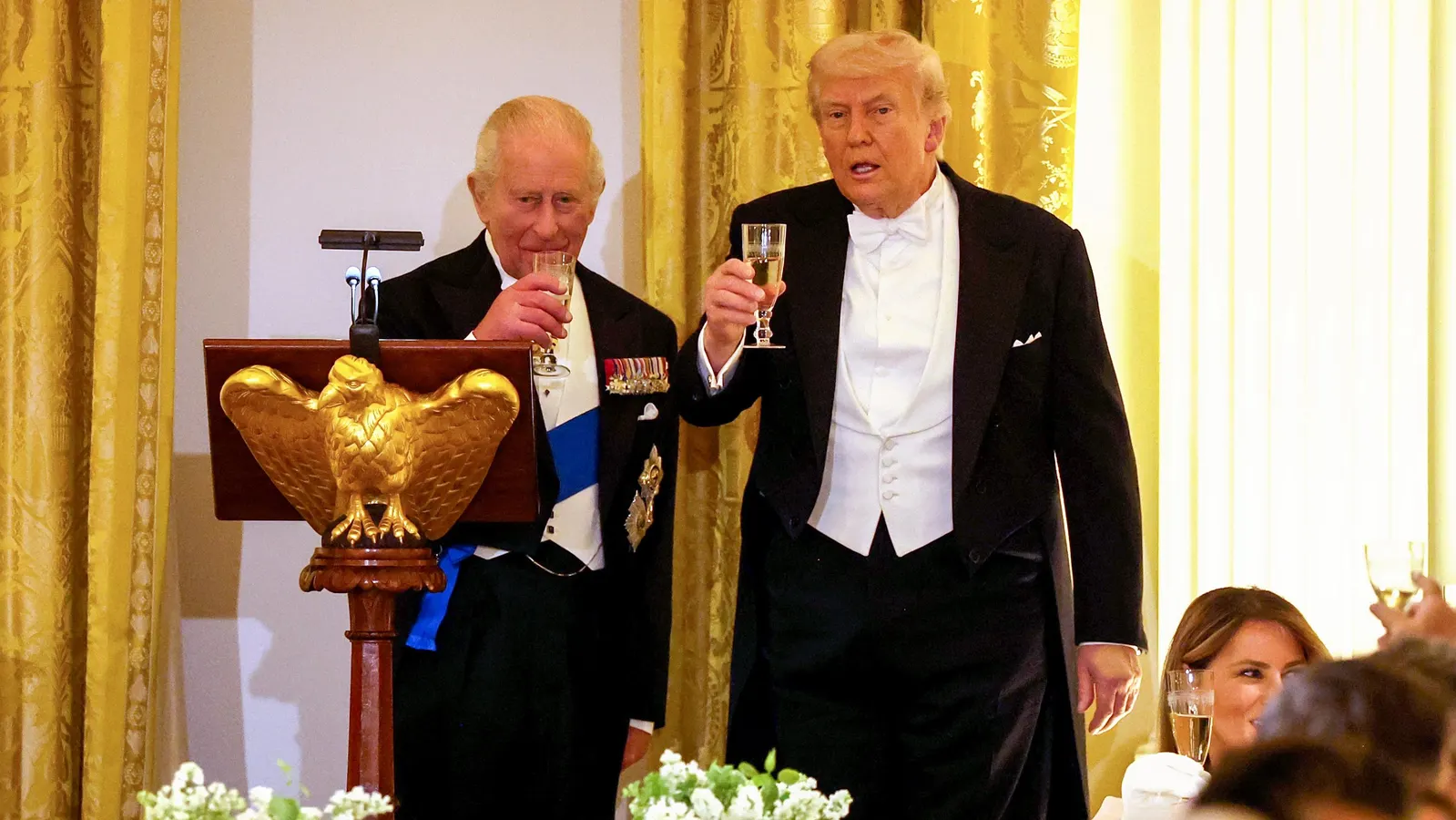
WASHINGTON, DC - APRIL 28: (L-R) King Charles III and U.S. President Donald Trump give a toast in the East Room during an official state dinner at The White House on day two of the State Visit of King Charles III and Queen Camilla to the United States of America, on April 28, 2026 in Washington, DC. The dinner, part of a trip arranged to celebrate the United States of America's 250th anniversary of its independence, is the first formal white tie event at The White House since President George W. Bush hosted Queen Elizabeth II in 2007. (Photo by Chris Jackson/Getty Images)Getty ImagesIn the end, it wasn’t concerted individual and joint lobbying efforts from the Scotch whisky and American whiskey industries that brought an end to Scotch whisky tariffs in the U.S. Following a state visit to the White House from King Charles III and Queen Camilla, President Donald Trump announced Thursday he is removing the 10% tariffs on Scotch whisky imports into the United States.The announcement came in a Truth Social post during the final day of the royal couple's visit. Trump’s post stated: "In Honor of the King and Queen of the United Kingdom, who have just left the White House, soon headed back to their wonderful Country, I will be removing the Tariffs and Restrictions on Whiskey having to do with Scotland's ability to work with the Commonwealth of Kentucky on Whiskey and Bourbon, two very important Industries within Scotland and Kentucky." The president characteristically framed the decision as a personal favor, adding: "The King and Queen got me to do something that nobody else was able to do, without hardly even asking!" Though tariffs on whisky first began during Trump’s first term, a 2025 trade agreement had placed most British goods at a 10% rate, including whisky. Whiskymakers on both sides of the Atlantic are cheering the deal as the costs of tariffs had been significant. Industry data claims that it had contributed to a 15 percent drop in Kentucky whiskey exports in 2025 and cost the Scotch sector an estimated four million pounds per week. Scottish First Minister John Swinney, who expressed gratitude to both Trump and King Charles, put it plainly: "People's jobs were at stake. Millions of pounds were being lost every month from the Scottish economy." The industry response was immediate and broadly positive. Chris Swonger, president and CEO of the Distilled Spirits Council of the United States, interpreted Trump's post as a removal of the existing 10% tariff on whisky imported from the United Kingdom. Swonger said: "This action strengthens transatlantic ties, brings much-needed certainty to our industry and allows spirits producers on both sides of the Atlantic to grow, invest and support jobs at a critical time." The Scotch Whisky Association, representing the wider Scotch whisky industry, also enthusiastically welcomed the move.The announcement fits a broader pattern in Trump's approach to trade, in which spirits and agriculture have repeatedly served as political pressure points. Last year, Trump threatened a 200% tariff on European wine, a move that would have been a major blow to producers in France and Italy who are already going through a tough crisis, though the proposal was never implemented. In a separate case, the administration also had exempted cork from tariffs, providing significant relief to Portugal, the world's leading supplier of wine corks.The Scotch whisky outcome, however achieved, potentially represents something more concrete: a rollback of existing trade barriers that had measurable costs to producers on both sides of the Atlantic. Whether the formal mechanisms match the scope of Trump's Truth Social announcement remains to be seen, but for an industry that has weathered years of tariff uncertainty, the direction of travel is, for now, a positive one. A whisky lover himself, it’s hard to imagine that King Charles won’t be having a dram to celebrate this particular accomplishment.
Trump Drops Scotch Whisky Tariffs After King Charles III’s State Visit
The decision was framed as a personal favor following the departure of King Charles III and Queen Camilla’s state visit to the White House.
644 words~3 min read