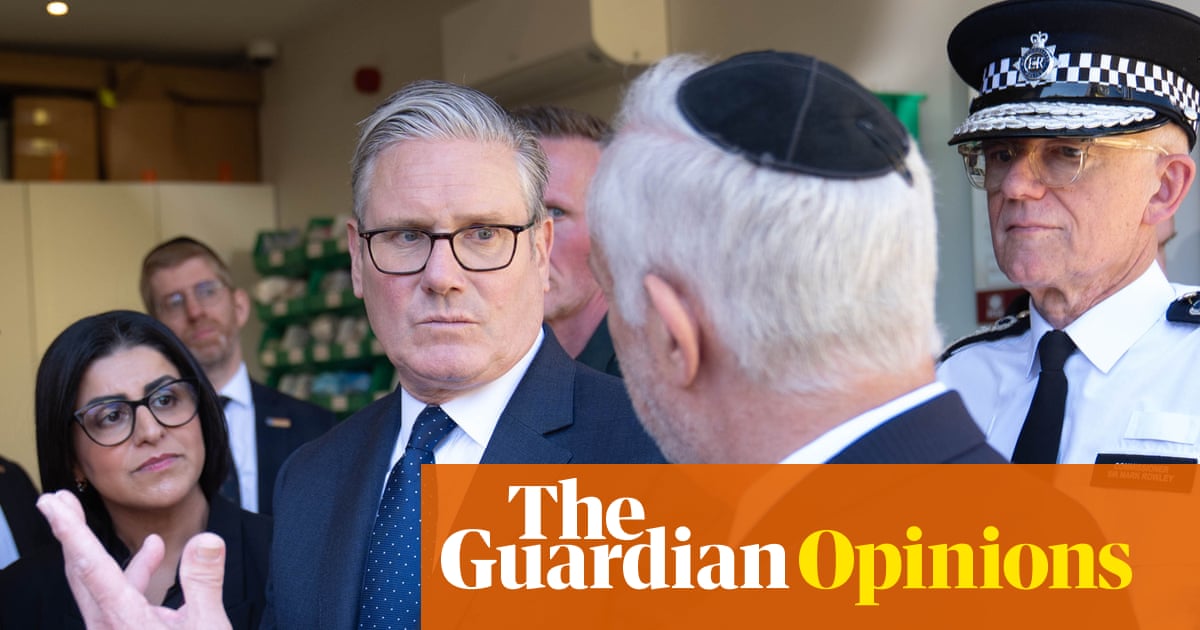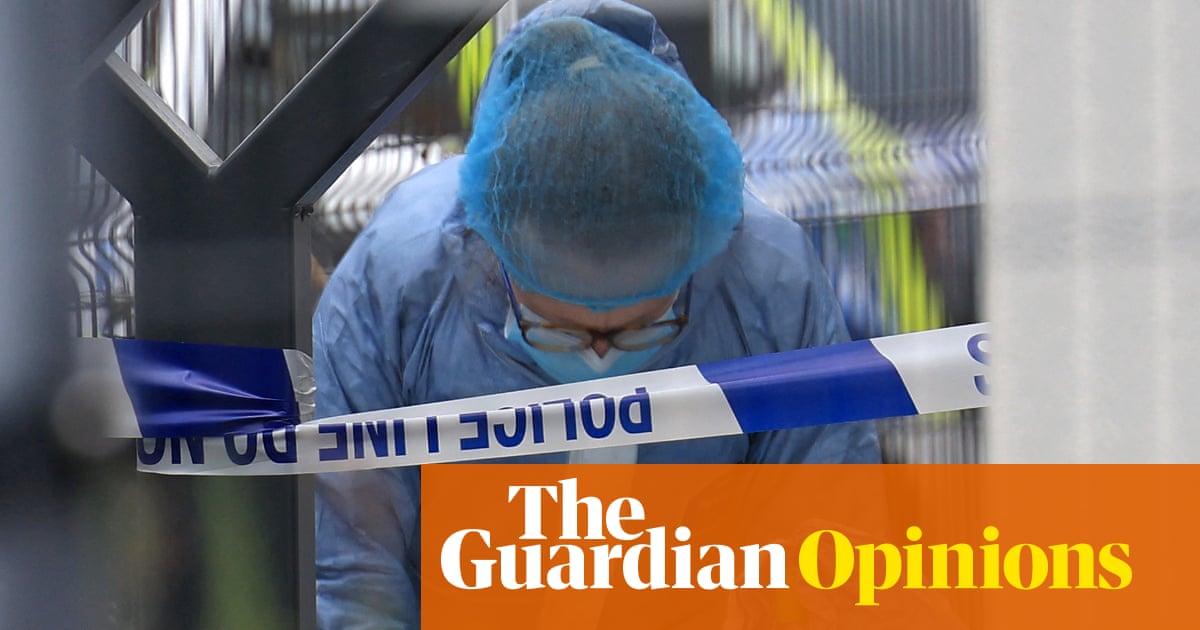
My job involves making business leaders look good by collaborating on articles, speeches and assorted “comms strategies”. They have thoughts, sketchy or deeply considered, and I help craft material that PR companies and AI devices don’t seem to be very good at.Often, this material is designed to latch onto societal issues that are part of the national or global conversation. Equal rights, racism, poverty, health inequities, access to education, disability, freedom of speech, gender issues, that sort of thing. Subjects that lie beyond the remit of these leaders, yet which they feel – rightly, in my opinion – so strongly about, they want to take a stand; even if it’s just to say “We’re with you”.They do this for three reasons. They care deeply about something, and it’s important for their personal profiles to show that. It’s good for the purpose-fuelled businesses they run. And it’s a positive way to show empathy with customers, partners and those who engage with their companies and brands, even at the most basic level.I have written hundreds of these narratives on every subject you can imagine. Except for one: antisemitism.As a Jew, I’m undoubtedly biased, but I agree with Jonathan Hall KC, the government’s independent adviser on terrorism, when he stated that attacks on Jewish people in the UK are “the biggest national security emergency” in the last decade. People are being murdered, attacked, bullied, hounded from the streets, and barricaded in their homes because of hatred. A hatred that has been snowballing at a frightening pace since October 2023. In response to the latest attacks in Golders Green, the place where I was born and grew up, Sir Ephraim Mirvis, the UK’s chief rabbi, said the stabbings “prove that if you are visibly Jewish, you’re not safe and far more needs to be done”.It doesn’t surprise me that politicians are racing to use what happened in Golders Green for their own ends. It’s what politicians do, sometimes shamelessly so. But what I find bewildering is that not a single business leader says anything, unless they happen to be Jewish. If I’m being honest, it’s not just my corporate colleagues and contacts either. At this moment of utter despair, the total silence of friends who I know care – because we often talk about what it feels like to be a Jew in the UK – also mystifies me. Maybe they don’t know what to say, but honestly, all it really takes is a “mate, you OK?”This isn’t about taking sides; it’s about being human, showing humanity, doing the right thing for human beings. People are right to show solidarity with oppressed Palestinians. But this shouldn’t mean that it’s not right to show solidarity with the 300,000 or so Jewish Britons you work with, are friends with, whose children are at school with yours, and who you unknowingly sit next to. It’s lonely right now, and we’re frightened.Family affair: Grant Feller, sitting first on the left, with his relatives (Supplied)Today, I scoured the media to read articles by and watch debates with Jewish commentators. I listened to rabbis on the radio. I’ve searched the unofficial home of corporate thought leadership, LinkedIn, and found sympathetic material from Jewish charities and obscure Jewish entrepreneurs. I daren’t even go on the vile cesspit that is X.Very often, something happens in the news, and I’m contacted by one of my business clients, who will ask for an 800-word article delivered in a few hours about one of the important societal issues I mentioned above: original, opinionated, in their voice, and in some way reflecting the values that they and their companies cherish.This would seem to me to be the perfect time for business leaders to step up, especially non-Jewish business leaders, to stand up and say something. Anything. ‘My heart goes out to Jewish colleagues everywhere… our Jewish customers and all those from an ethnic minority must know how we abhor these kinds of hatreds… our company has always stood for… we’re donating to…’Keir Starmer has faced a barrage of criticism from the Jewish community in Golders Green (Getty)Honestly, anything. But instead, there is silence. And it is heartbreaking, because the threat that ‘visibly’ Jewish people feel on Britain’s streets today isn’t just felt by them. The invisible ones like me, like most Jews, feel it too. Right now, people have an opportunity to make those invisible ones feel seen and heard. And yet, nothing. What are people frightened of?This isn’t a political issue; just because you say you support Jews doesn’t mean you support Benjamin Netanyahu and the atrocities in Gaza, where thousands have lost their lives. This is about the country we live in, the society we’re all part of, and the values we should all hold dear. Nobody should feel scared for their lives in the UK because of their faith.Our political elites often seem hopelessly out of their depth. The media is, sadly, less trusted than ever. Which means others in leadership positions need to lift their heads and step up to the plate. Many in the business community wield enormous power and influence in society, and when a CEO or chairperson says something, we stop and listen. We may, for a moment, reflect on our own positions and biases.So, say something. Anything. And if you don’t want to, call a Jewish friend and ask them how they are. I have hundreds of friends, and only one has done so far. Thanks, Martin. It means a lot.Grant Feller is the Founder of Every Rung, a communications consultancy, and writes about business on Substack at The Storytelling Newsletter. https://grantfeller.substack.com/
The Golders Green attacks were horrific, so why are friends and colleagues so silent?
Whether it’s a social media post, private message or a public show of support when tragedy strikes, people usually rally. Except, it seems, when the victims are Jewish. After the stabbings in Golders Green, Grant Feller is heartbroken at the wall of silence
934 words~4 min read