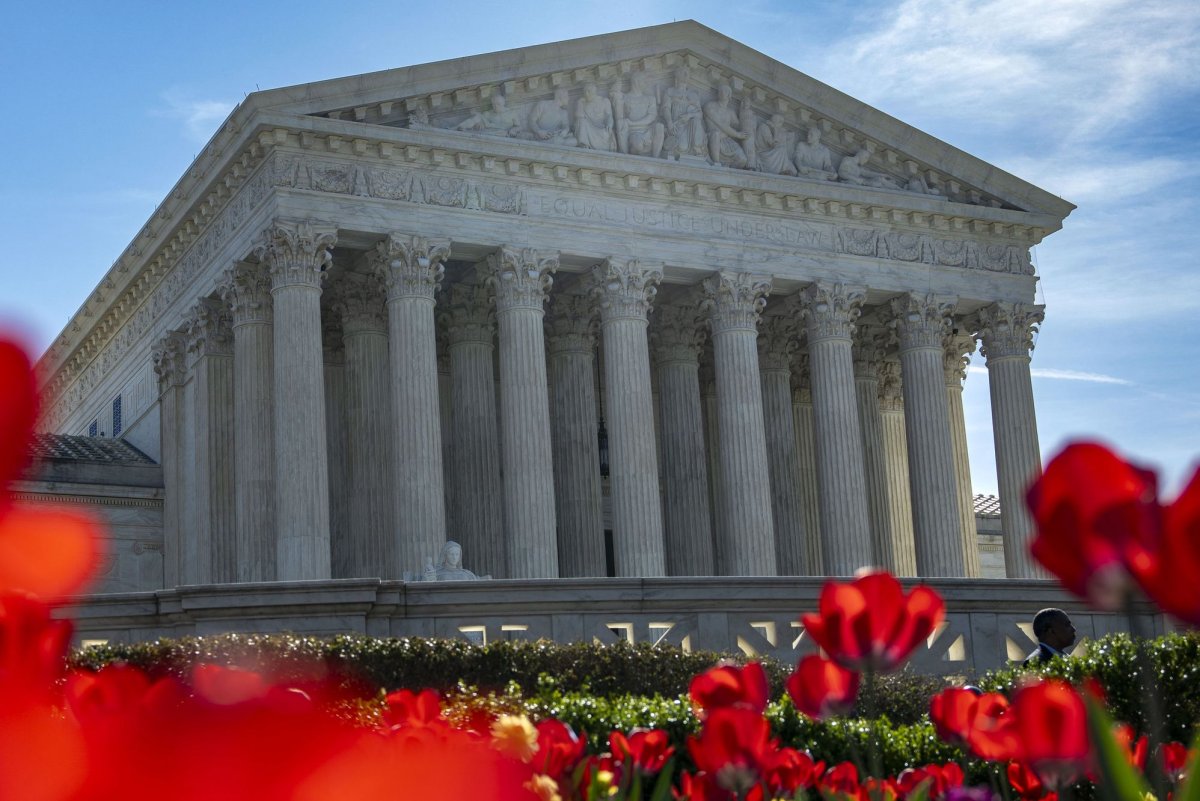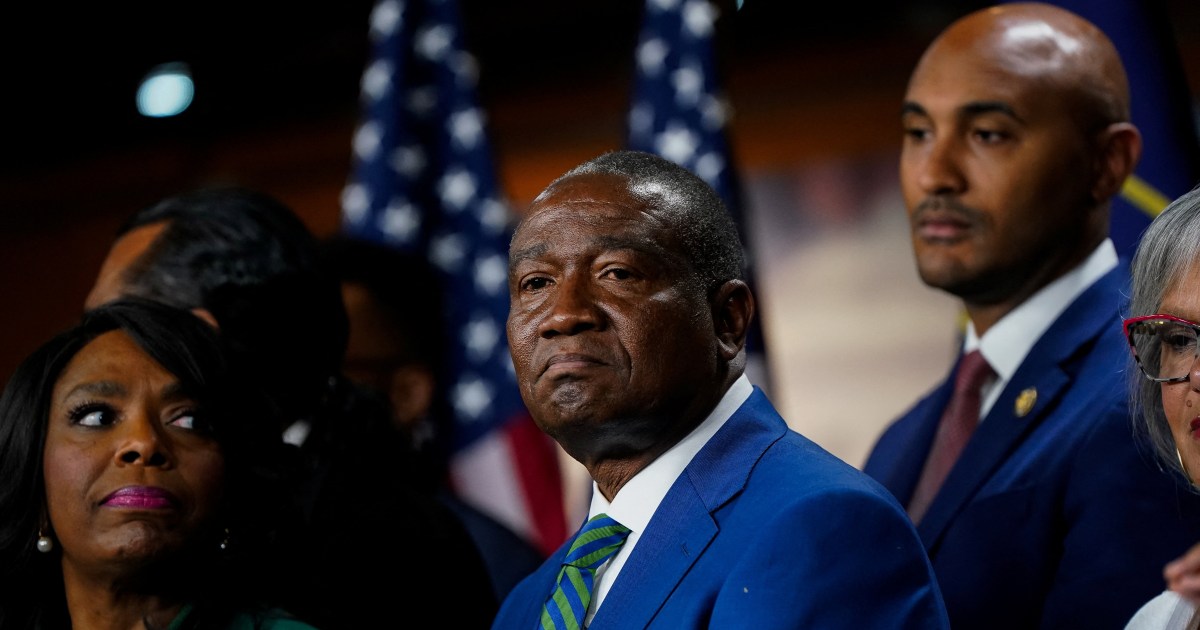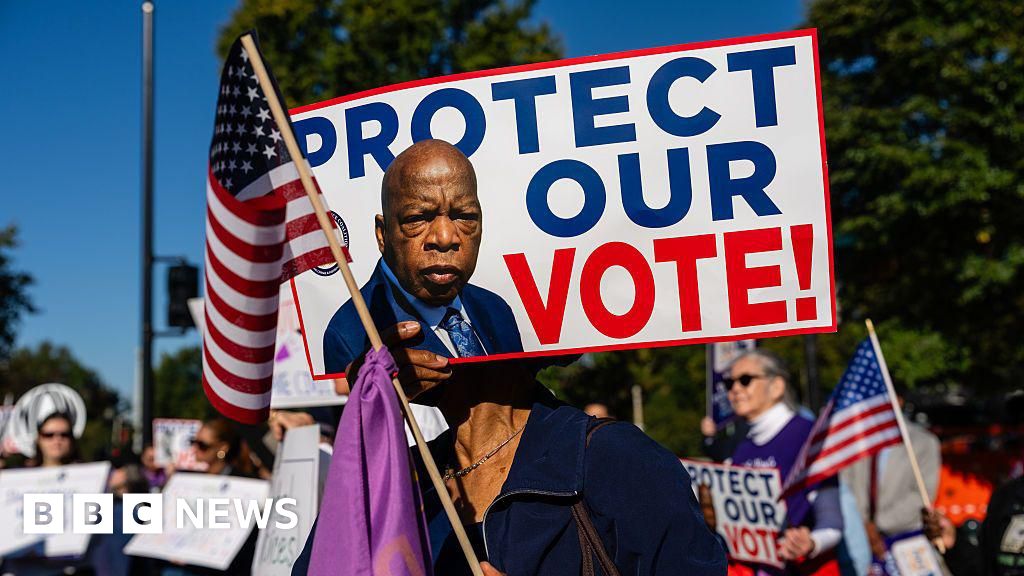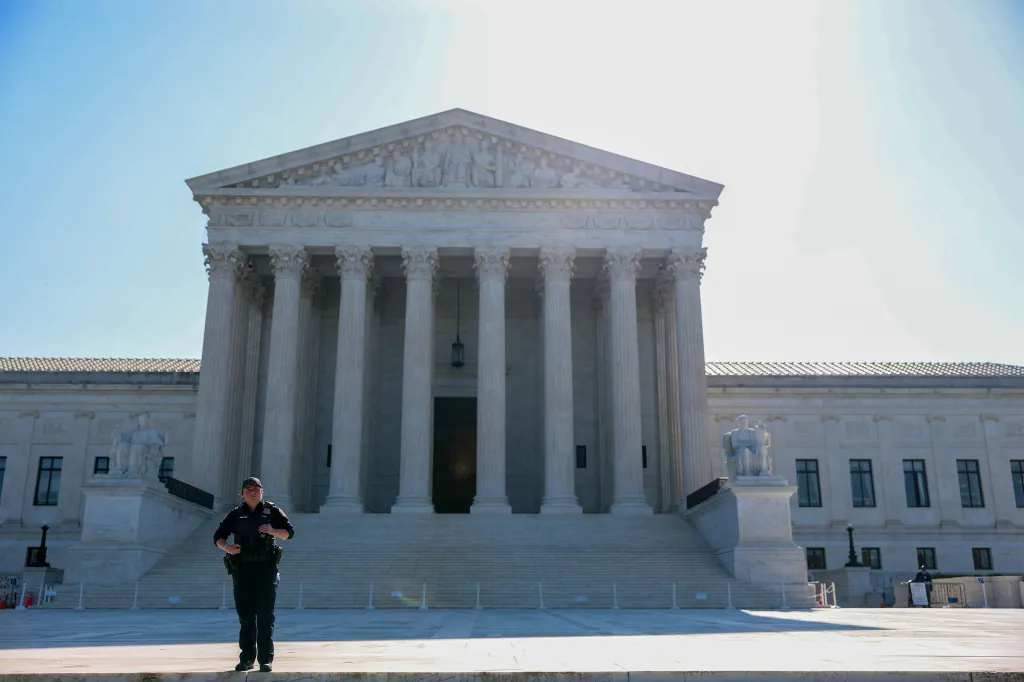
WASHINGTON – The Supreme Court’s decision to overturn Louisiana’s latest congressional map, which critics said would “eviscerate” the Voting Rights Act, is unlikely to play much of a role in the 2026 midterm elections but could remove the justices from future redistricting fights, experts say.
The court ruled that Louisiana relied too heavily on race in drawing its maps for seats in the House in 2022. Justice Samuel Alito, who wrote for the 6-3 majority, called the map an “unconstitutional gerrymander” that violated the rights of non-Black voters who challenged it.
The decision had been hotly anticipated because it comes amid the biggest flurry of redistricting since the 1880s between the customary 10-year Census population counts. The remapping fights pitted Republicans against Democrats for control of the House that is narrowly led by the GOP. But most states have already held primaries for 2026 so the high court's decision is likely to be felt more in the 2028 presidential contest or in 2031, after the next Census.
“I think this is them green-lighting anything that the states are going to do,” said Wilfred Codrington, a professor at Cardozo School of Law. “The Supreme Court is trying to get out of redistricting gambits entirely.”