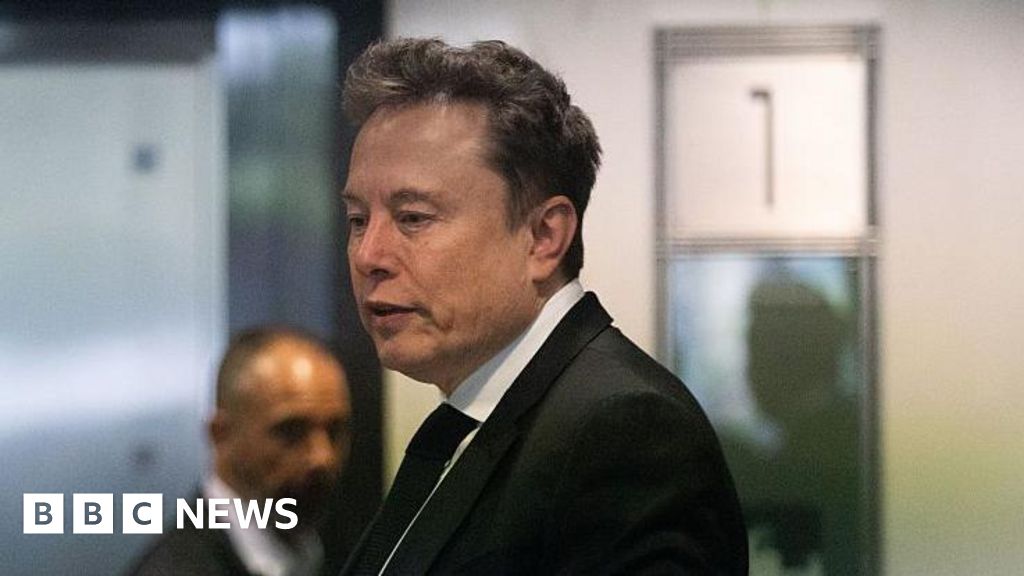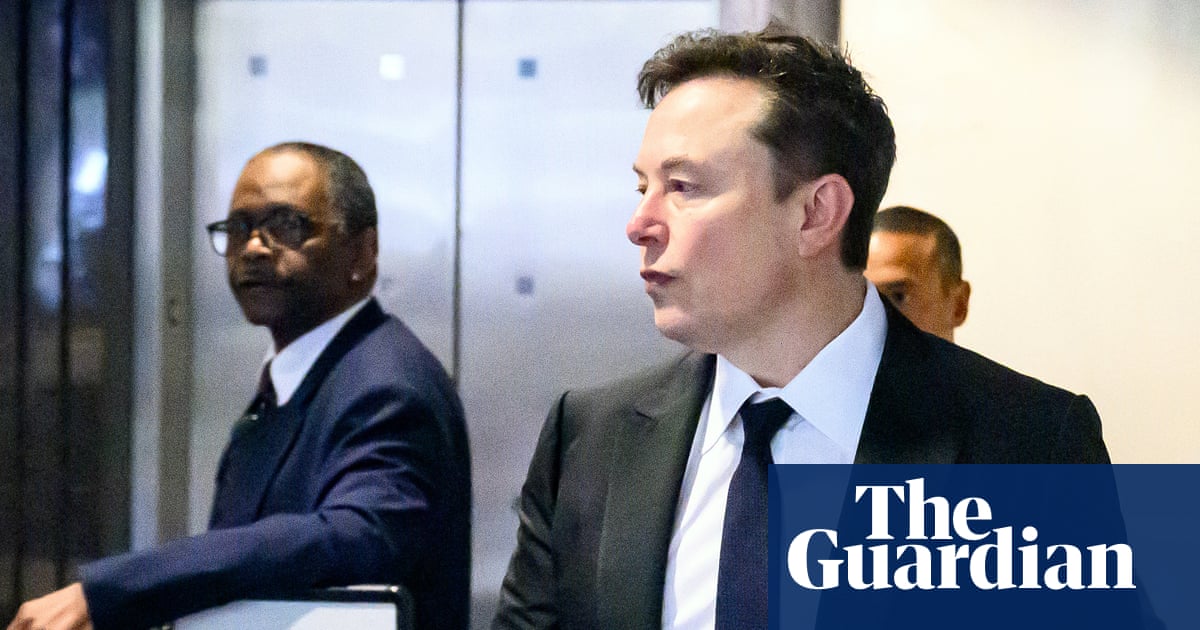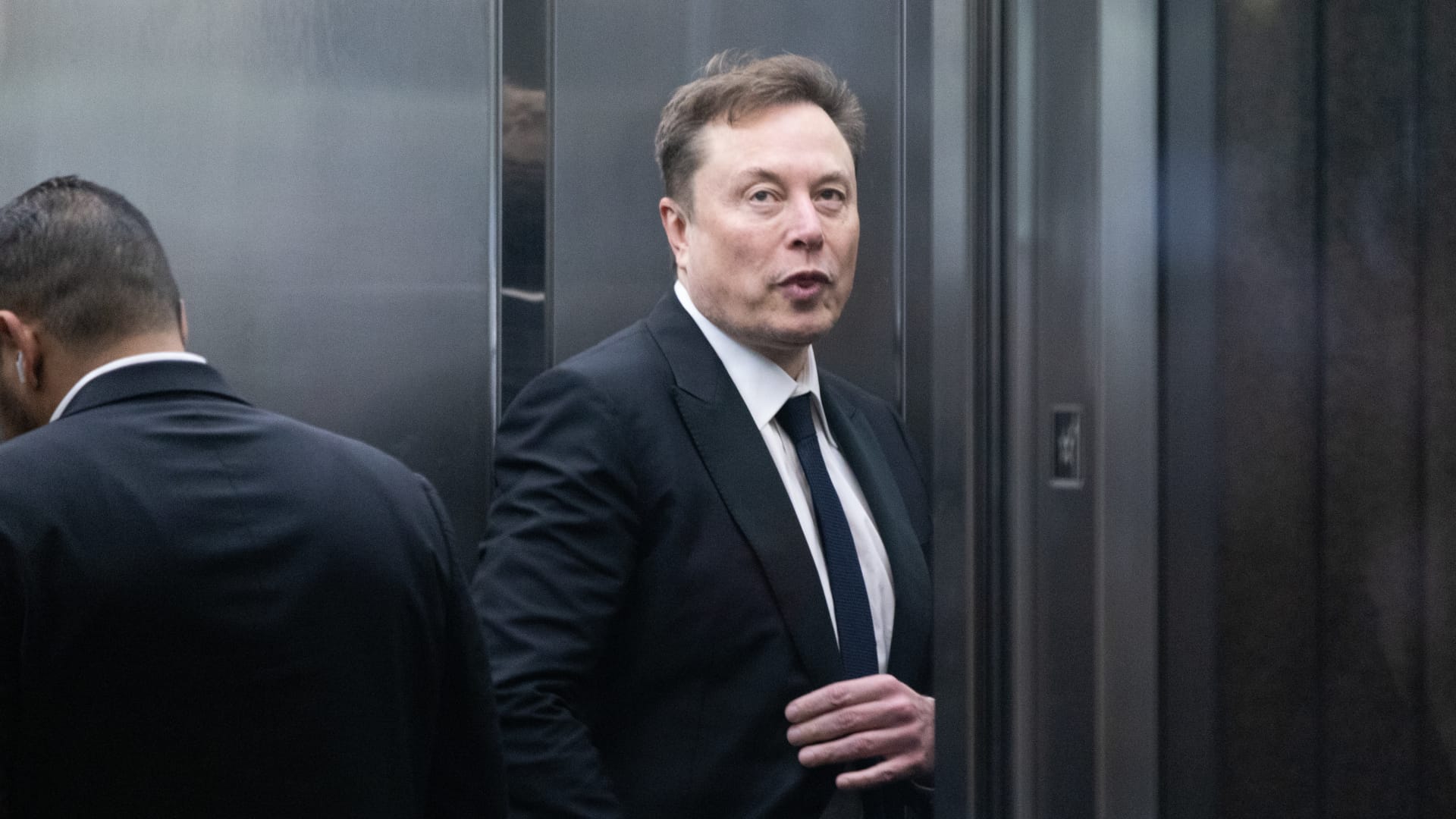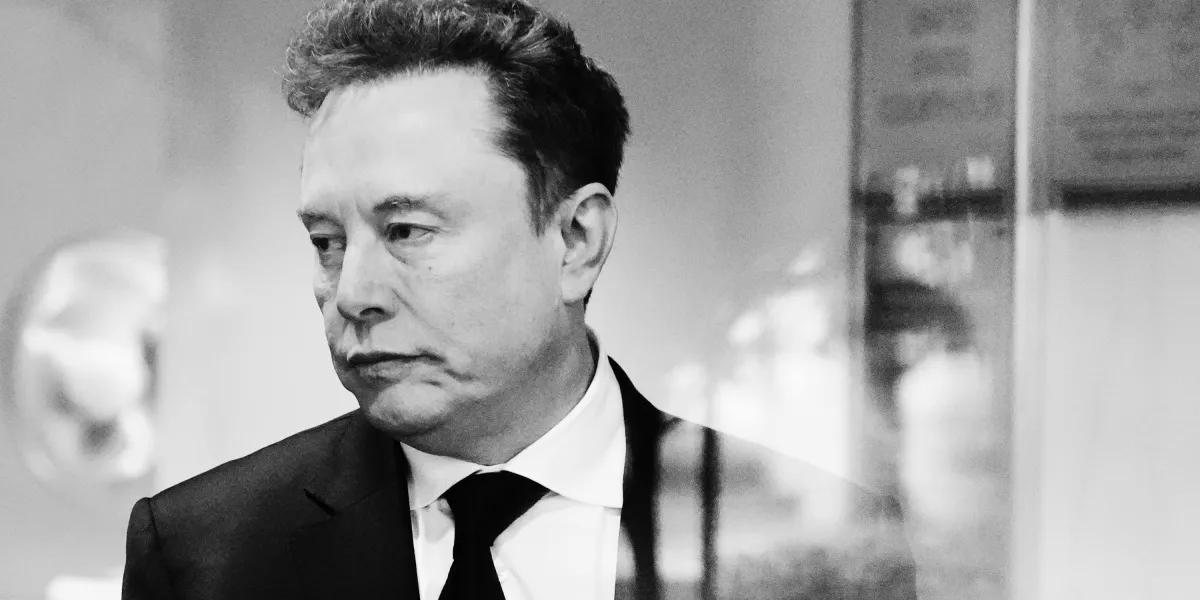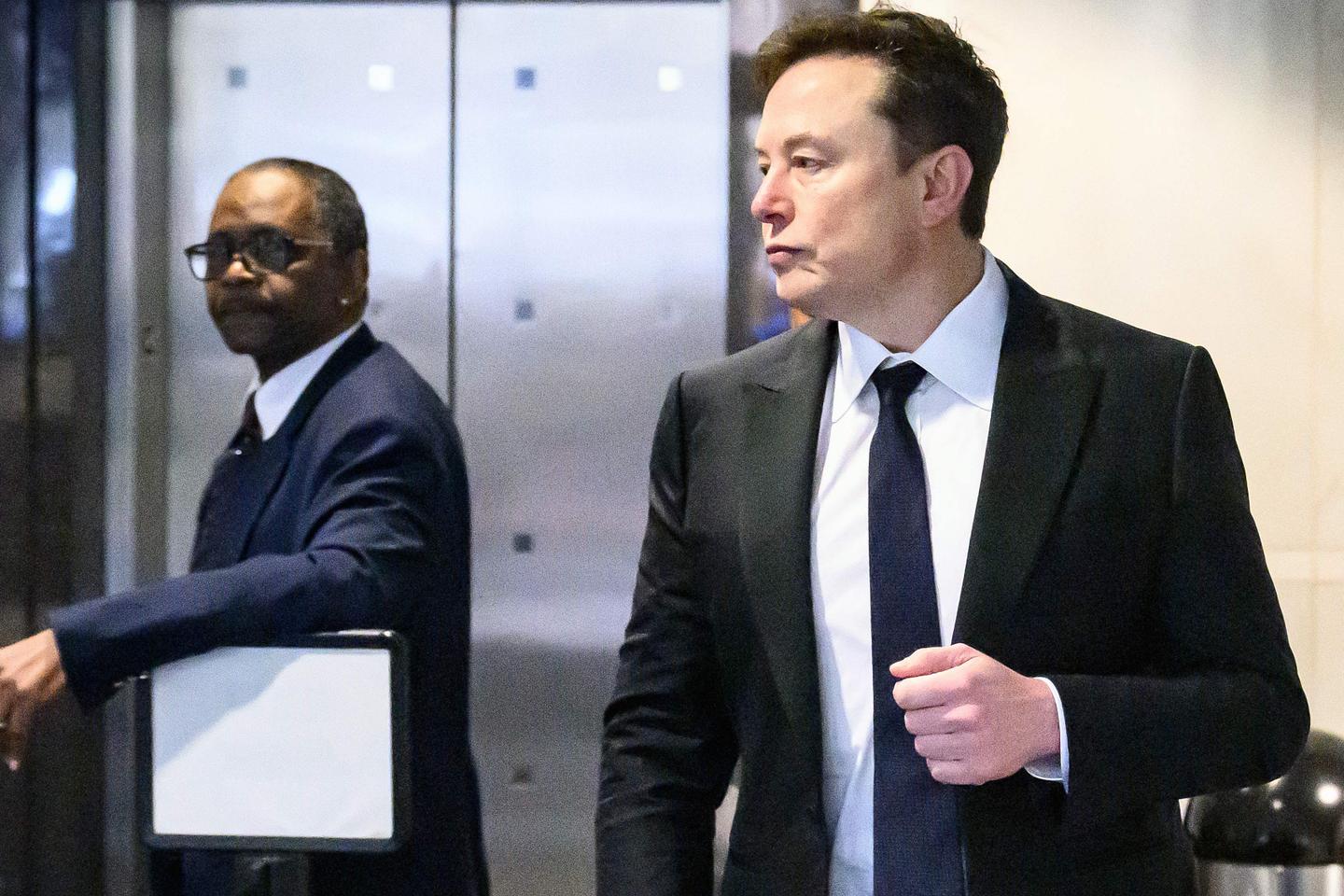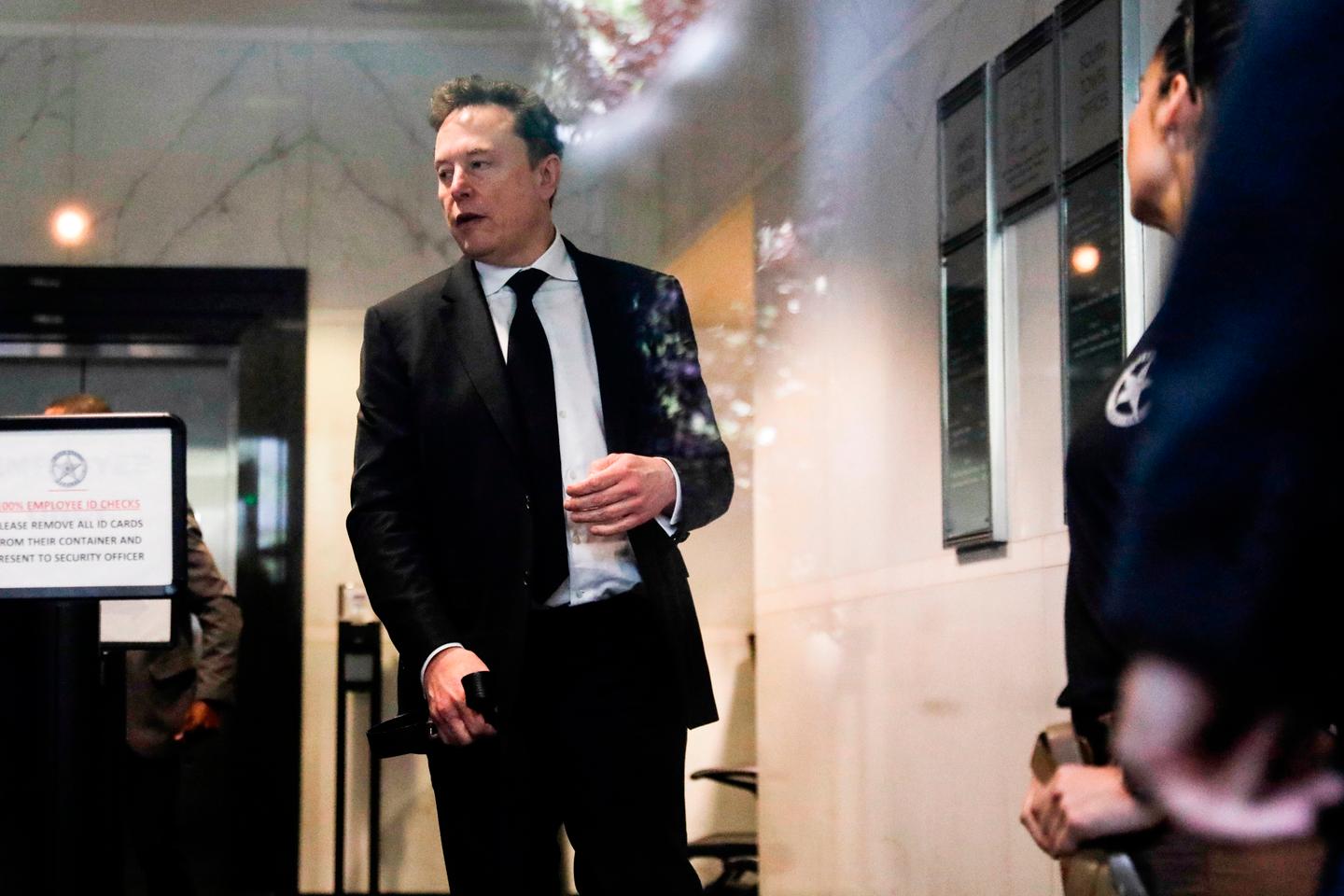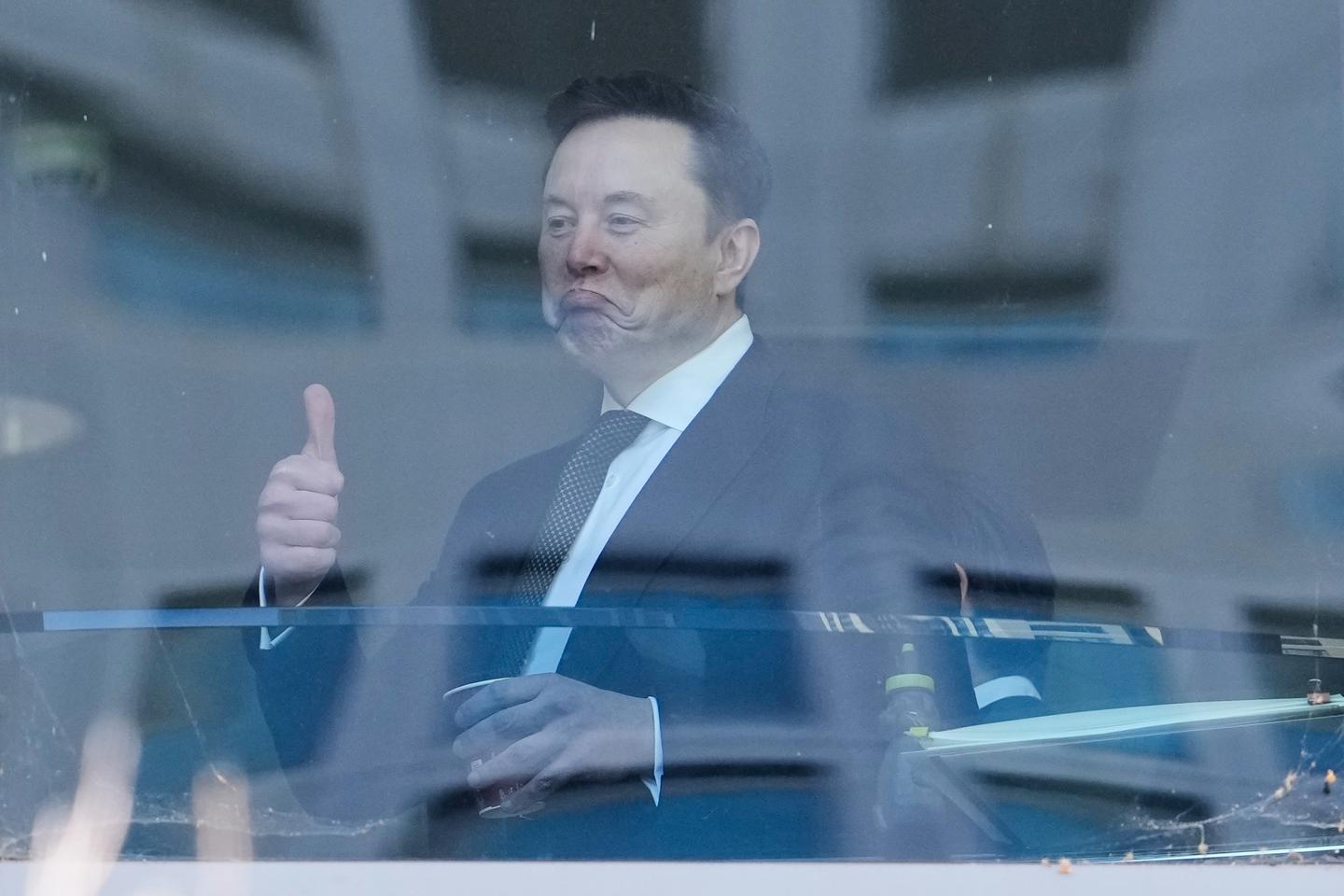
Elon Musk at the US District Court in Oakland, California, on April 29, 2026. GODOFREDO A. VASQUEZ/AP
When Elon Musk, the world's richest man, a tech guru and former adviser to Donald Trump, found himself in court and was instructed to answer "yes" or "no" to the opposing counsel's questions for more than three hours, irritation inevitably erupted. "Your questions are not simple. They're designed to trick me, essentially. Any simple answer would be misleading to the jury," Musk said on Wednesday, April 29, at the court in Oakland, a city in the San Francisco Bay area. "The classic answer to a yes-or-no question is not so simple. For example, if you ask the question 'Will you stop beating your wife?'" he said, before immediately being interrupted by federal Judge Yvonne Gonzalez Rogers.
Musk was in court for a trial concerning the artificial intelligence company OpenAI. Early in the morning, Musk, the CEO of SpaceX and Tesla, continued to present himself, as he had the day before, as a victim of OpenAI CEO Sam Altman, whom he accused of having turned a philanthropic laboratory into a profit-making machine, with Microsoft's help. "I was a fool who provided them free funding to create a start-up," he said, in response to a question by his own attorney, Steven Molo. "I gave them $38 million [€32 million] of essentially free funding to create what would become an $800 billion company."