The lack of specific guidelines on the recovery of remains, coupled with insufficient oversight at the scene, led to the failure to fully recover the remains of victims in the 2024 Jeju Air plane crash for more than a year, a government investigation showed Thursday.
The Office for Government Policy Coordination said that the Aviation and Railway Accident Investigation Board also violated related regulations in the course of keeping pieces of the wreckage mixed with remains in burlap bags at unroofed open spaces, and failed to respond immediately to requests from bereaved families for a reinvestigation.
Announcing the results of a one-month investigation, the office said it has referred 12 related officials for disciplinary measures -- four from the transport ministry, six from the accident investigation board, one from police and the other from a firefighting agency.
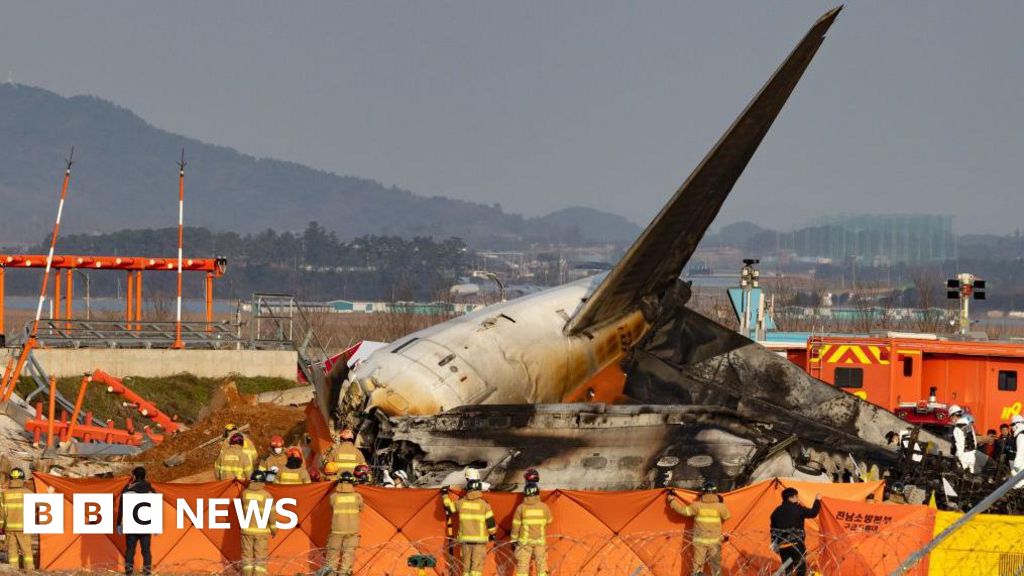
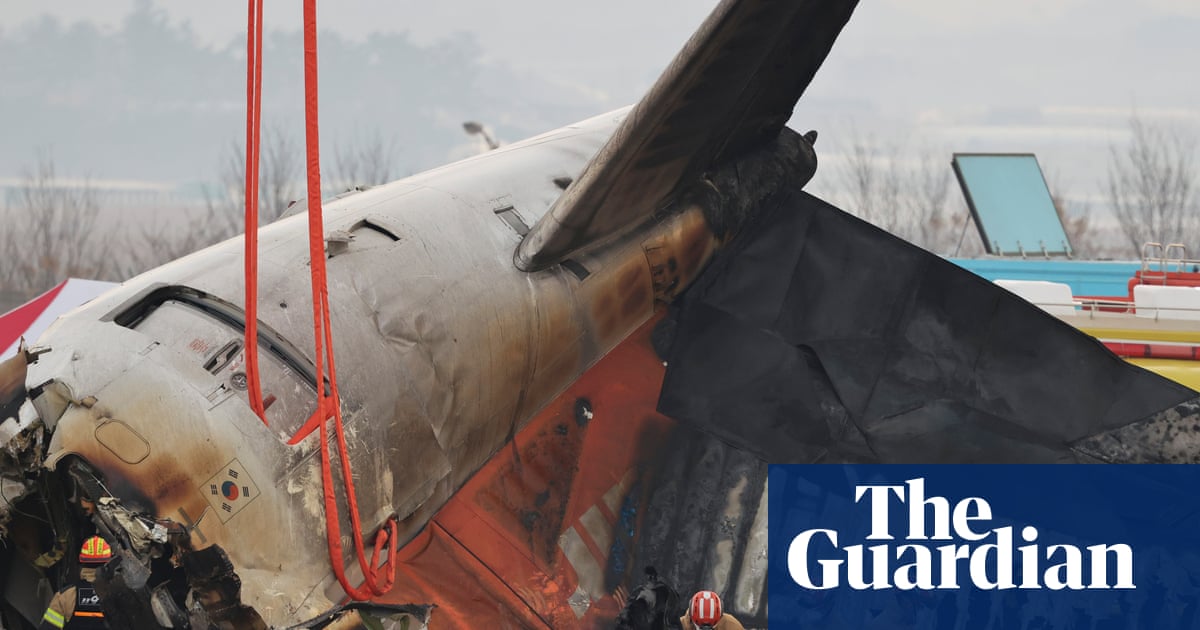
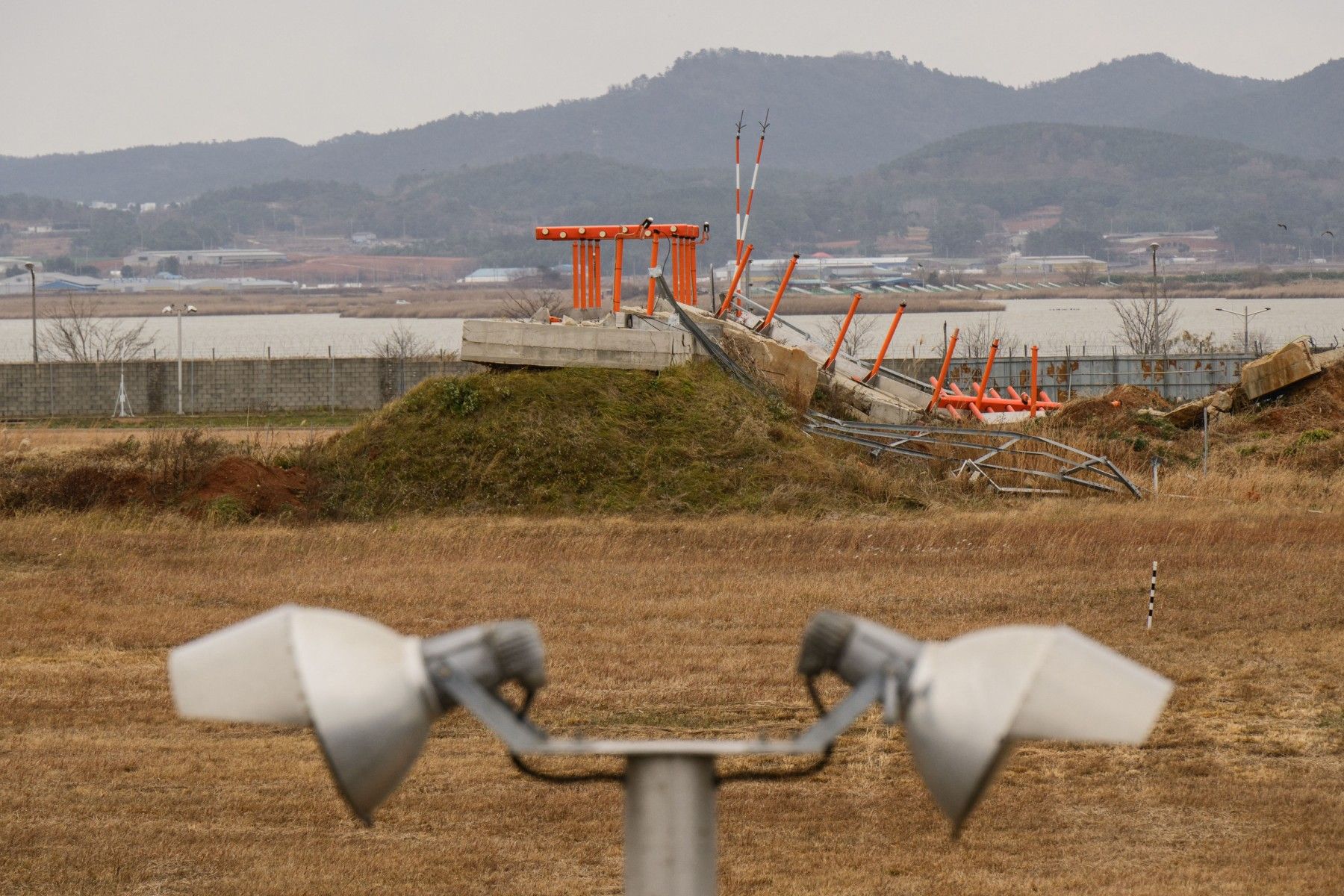
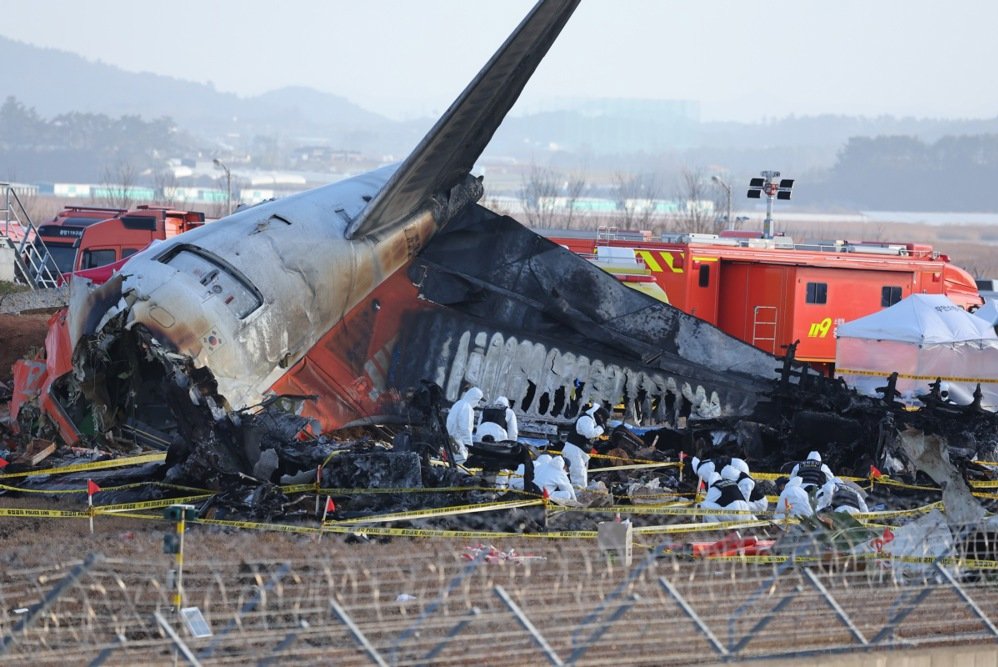
The Jeju Air crash on Dec. 29, 2024, killed 179 passengers and crew members when the jet made an emergency belly landing at Muan International Airport, about 290 kilometers south of Seoul, and erupted into flames after crashing into a concrete mound. It was the deadliest plane crash in South Korea's history.
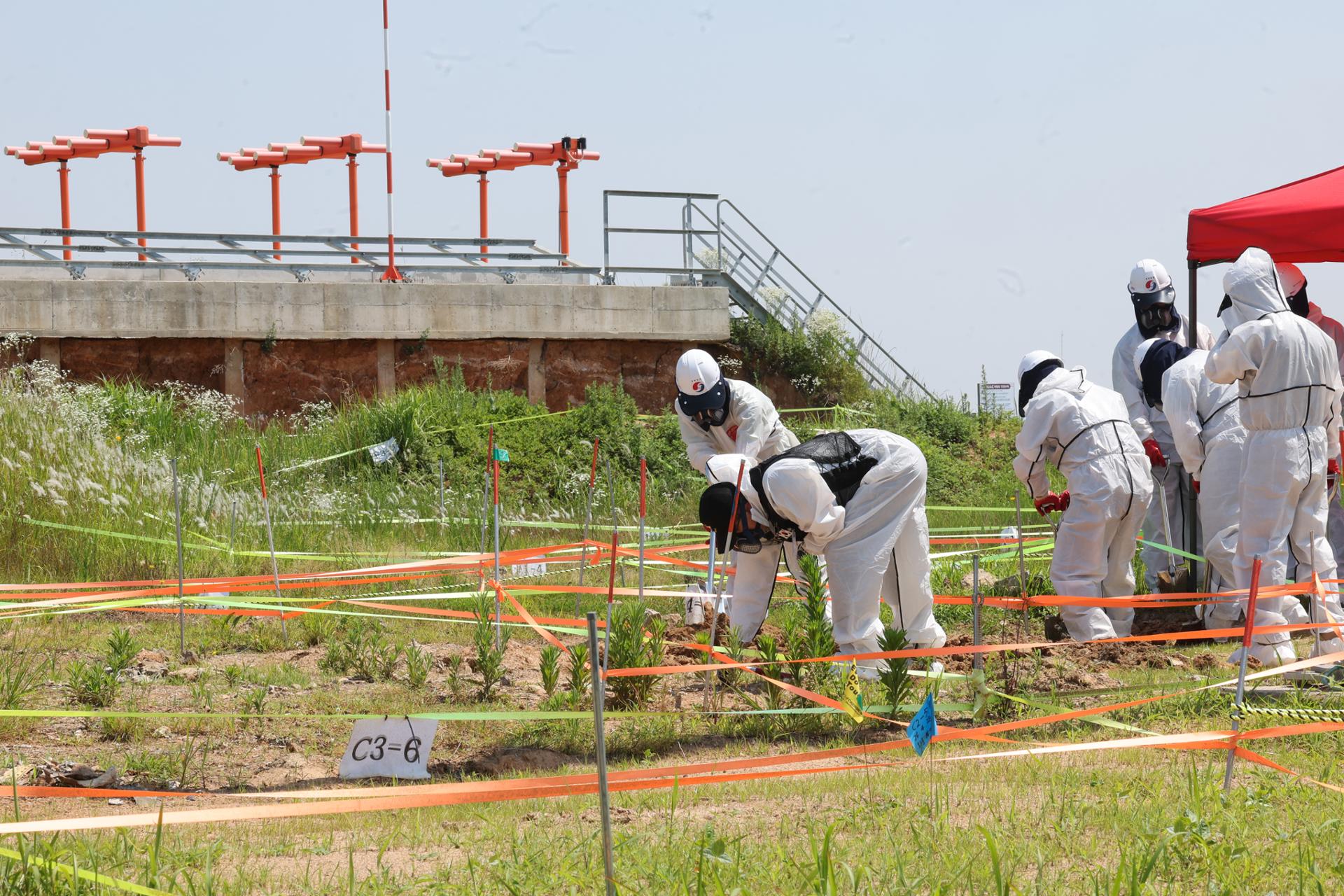
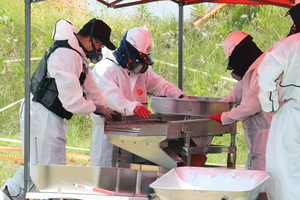
In recent months, remains of the victims were found one after another, more than a year after the crash, after the government launched a reinvestigation into the plane's wreckage in February in an effort to help determine what exactly caused the tragedy that killed 179 people.